
By Isatu Sankoh
As the All People’s Congress (APC) intensifies internal deliberations over its future direction, growing attention is being placed on the selection of a flag bearer capable of steering the party toward the 2028 general elections. Political observers and party supporters say the decision is shaping up to be one of the most consequential in the APC’s recent history, as it seeks to rebuild momentum and strengthen its national appeal.
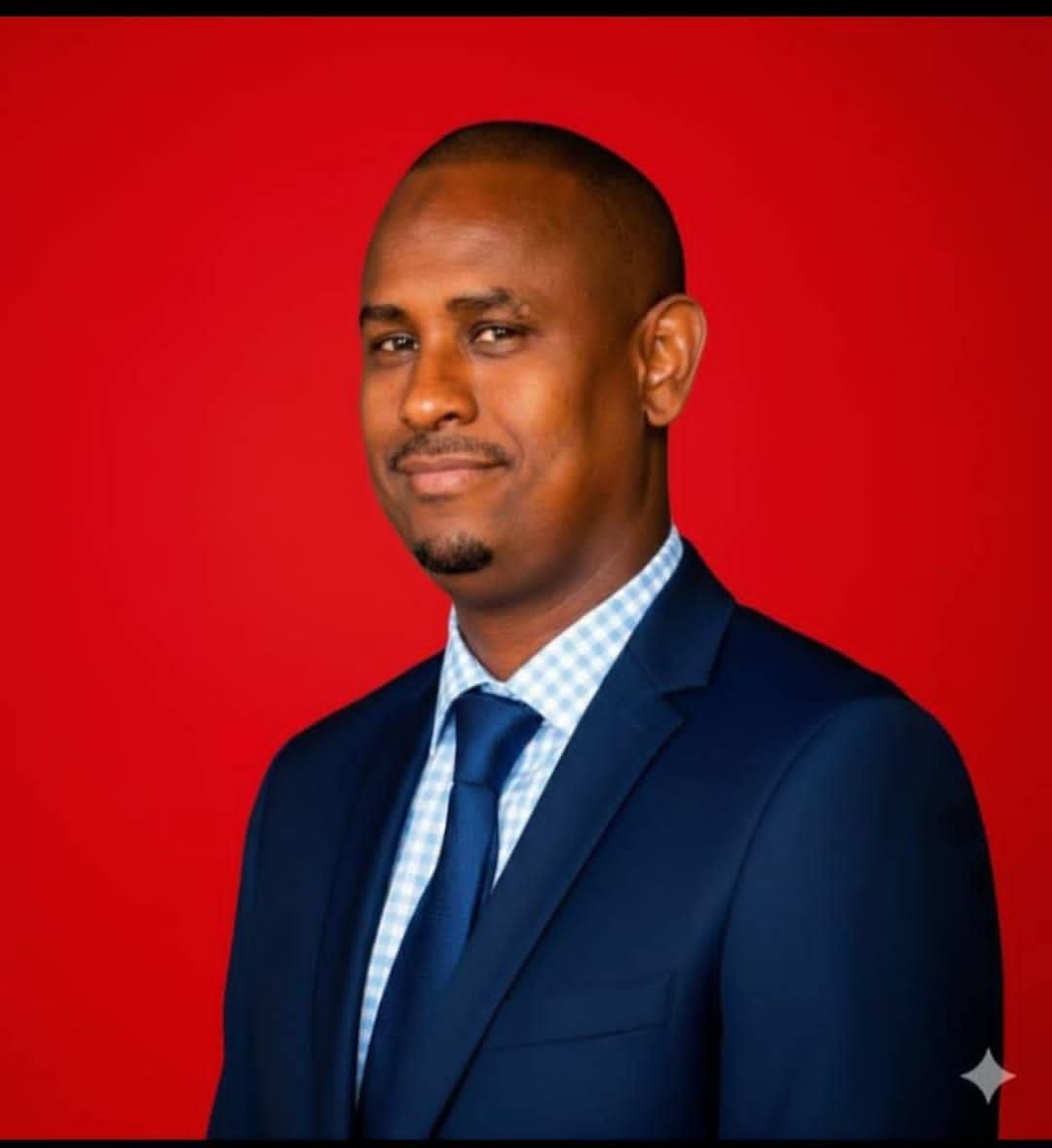
At the centre of these discussions is Chernor Ramadan Maju Bah, widely known as Chericoco, whose name continues to feature prominently across party structures and grassroots engagements. His rising profile within the APC is being linked to his longstanding involvement in party affairs, legislative experience and perceived ability to unify different factions within the party.
Party insiders note that the current political climate requires a leader who combines institutional knowledge with grassroots connection, particularly as the APC repositions itself following recent electoral cycles. In that regard, Chericoco is often described as a figure whose political journey reflects both continuity and adaptability within Sierra Leone’s evolving democratic landscape.
A seasoned lawyer and parliamentarian, Chericoco first gained national prominence after securing the Brookfields parliamentary seat in 2007. Over the years, he built a reputation through active participation in legislative processes, including oversight responsibilities on key parliamentary committees such as Legislative Affairs and Mines and Mineral Resources. His contributions in these areas helped shape debates around governance and resource management.
His leadership credentials were further reinforced in 2012 when he was elected Deputy Speaker of Parliament, a role in which he was recognized for maintaining order, encouraging debate and promoting institutional discipline. Observers say his calm approach to parliamentary proceedings and ability to engage across party lines contributed to his reputation as a consensus builder.
In subsequent years, Chericoco’s national visibility expanded when he was selected as the APC’s vice presidential running mate in the 2018 elections. That decision, analysts suggest, strengthened his political footprint across multiple regions of the country and positioned him as a key figure within the party’s broader electoral strategy.
Supporters argue that his consistent engagement in national discourse, community outreach and party activities distinguishes him from figures who become active only during election periods. They point to his involvement in youth engagement initiatives, constitutional discussions and peacebuilding efforts as evidence of sustained political relevance.
Within APC ranks, there is an increasing emphasis on selecting a candidate who can appeal beyond traditional strongholds while maintaining internal cohesion. Some party stakeholders believe Chericoco’s experience, temperament and cross-regional recognition place him in a strong position as the party evaluates its options.
Political analysts also note a broader shift among voters toward issue-based leadership and institutional credibility. In that context, figures with legislative experience and a track record of public service are being viewed as better positioned to connect with a wider electorate.
As consultations continue within the APC, discussions around leadership are expected to intensify in the coming months. While no formal decisions have been made, Chericoco’s growing prominence in these conversations underscores his influence in shaping the party’s future trajectory.
With the road to 2028 gradually taking shape, the APC’s eventual choice of flag bearer is likely to play a defining role not only in the party’s internal unity but also in its ability to compete effectively on the national stage.