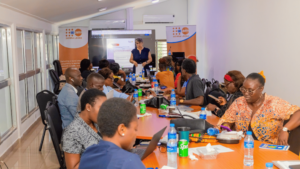

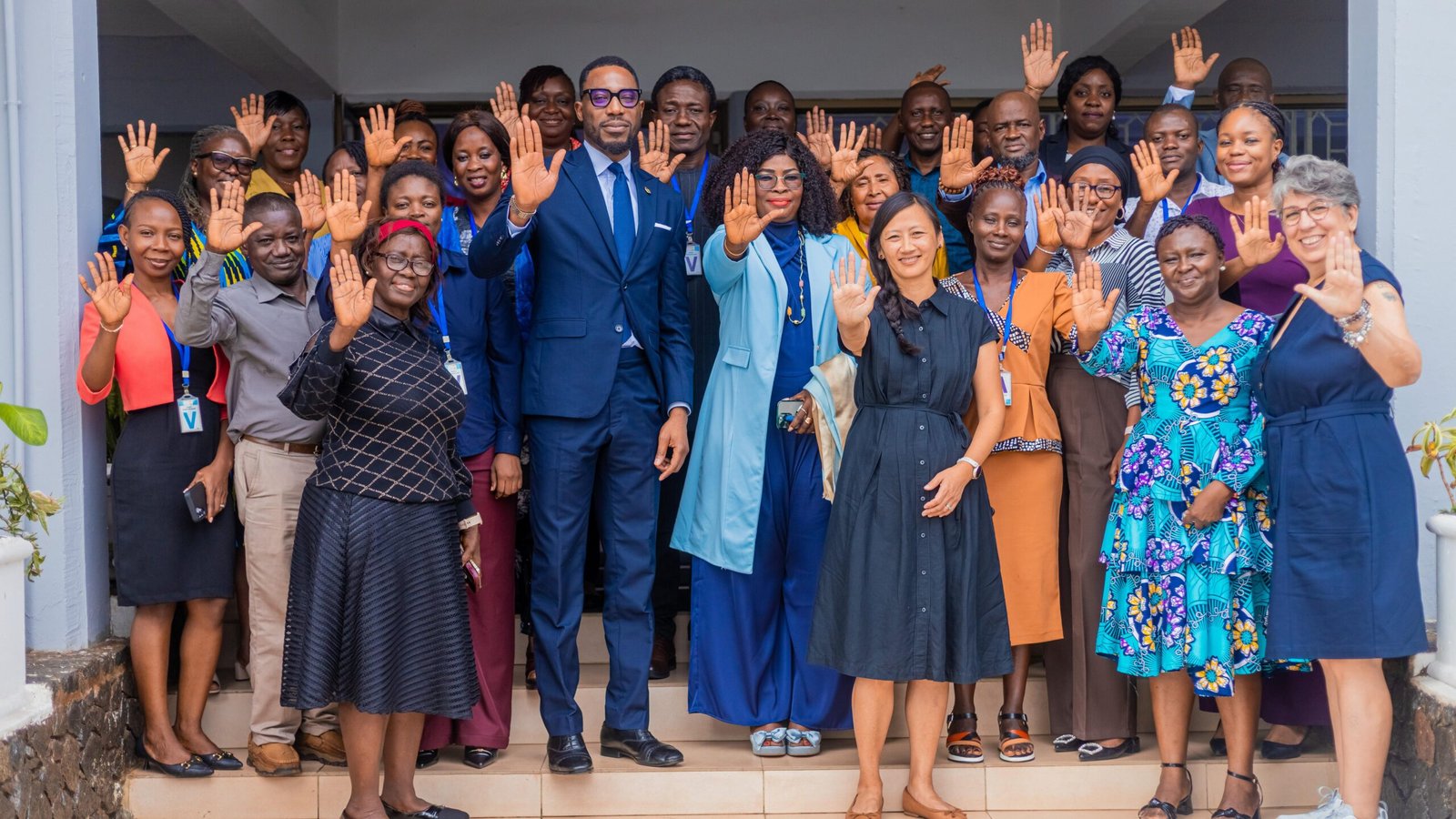
Freetown, Sierra Leone – July 27, 2026. UNFPA, in partnership with the Ministry of Gender and Children’s Affairs, has convened a two-day consultative workshop with government stakeholders to strengthen national efforts to eliminate harmful practices, particularly Female Genital Mutilation (FGM) and child marriage.
Organized under the Iceland-funded project, Accelerating Progress Towards the Elimination of FGM in Sierra Leone, the initiative marks a major milestone in strengthening national monitoring, reporting, and accountability to eliminate Female Genital Mutilation (FGM) and Child, Early, and Forced Marriage (CEFM).
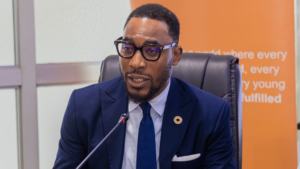
Opening the session, UNFPA Country Representative, Mr. Kunle Adeniyi, underscored the urgency of strengthening accountability and translating commitments into measurable action.
“The AU Accountability Framework provides us with a structured mechanism to not only measure progress but also to strengthen national accountability in ending harmful practices. What is critical now is how we operationalize this framework to deliver real results for women and girls in Sierra Leone.”
While national Demographic and Health Survey (DHS) data shows a drop in FGM prevalence from 90% in 2013 to 83% in 2019 among women aged 15–49, critical gaps remain in legal prohibition and enforcement. The AU Accountability Framework provides a structured, data-driven mechanism to help Sierra Leone fulfill its continental obligations under SDG Target 5.3 and Agenda 2063.
In recognition of the Government of Sierra Leone’s tangible efforts to address harmful practices, as evidenced by the passing of landmark legislation such as the Prohibition of Child Marriage Act, and through UNFPA’s leadership and technical support, Sierra Leone was selected to join the second cohort of AU member states implementing this continental framework.
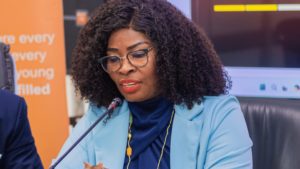
The Minister of Gender and Children’s Affairs, Hon. Isata Mahoi, reaffirmed the government’s commitment to protecting the rights of women and girls while acknowledging persistent challenges.
“Despite progress, harmful practices such as FGM and child marriage continue to affect the lives of many girls. This workshop is an important step toward aligning our national efforts with continental frameworks and ensuring that no girl is left behind.”
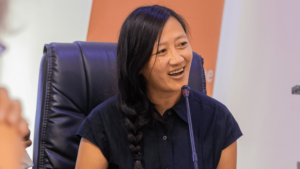
Also speaking at the opening, Ms. Ásdís Bjarnadóttir, Head of Mission – Embassy of Iceland, emphasized the importance of sustained partnerships and collective responsibility.
“Eliminating harmful practices requires strong partnerships, accountability, and continued investment. We must work together to ensure that commitments made at global and regional levels are reflected in national action.”
Technical experts from the Ministry of Gender and Children’s Affairs, Statistics Sierra Leone, the Human Rights Commission, and UNFPA Sierra Leone guided participants through an in-depth analysis of national trends, data, and legislative frameworks, alongside a review of regional instruments such as the Maputo Protocol and a practical walk-through of the AU reporting template.
Participants engaged in group working sessions to fill out the AU Accountability framework reporting template and draft Sierra Leone’s country-specific operationalization plan. Stakeholders aligned AU reporting indicators directly with key national frameworks, including the National Strategy for the Reduction of FGM and the National Strategy for the Reduction of SGBV, establishing concrete goals, institutional responsibilities, resource strategies, and delivery timelines.
As the country works toward achieving Sustainable Development Goal 5.3—ending all harmful practices by 2030, stakeholders expressed optimism that strengthened accountability and collaboration will drive meaningful change for women and girls across Sierra Leone.