

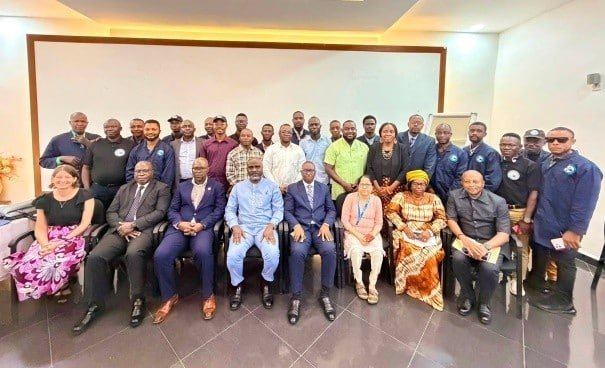
The Ministry of Health has launched a mentorship programme for 60 medical equipment technicians, commonly referred to as biomedical engineers, as part of efforts to strengthen the maintenance, safety and effective use of medical equipment across Sierra Leone’s healthcare system.
The programme, launched on Thursday, 3 September 2026, is designed to develop a new generation of skilled biomedical personnel capable of ensuring that critical medical equipment remains functional, properly calibrated and safe for use in hospitals and other health facilities.
Chief Medical Officer, Dr. Mustapha Kabba, officially launched the initiative on behalf of the Minister of Health, Dr. Austin Demby, who has played a key role in advancing the Biomedical Unit since its establishment in 2025.
A total of 60 technicians have been enrolled in the first cohort of the mentorship programme, marking another important step in the Government’s efforts to strengthen technical capacity within the health sector.
UNICEF is supporting the initiative, including facilitating the procurement of technical training equipment required to provide participants with practical skills and hands-on experience.
The programme places patient safety at the centre of biomedical engineering. Medical equipment plays a critical role in modern healthcare, ranging from diagnosis and monitoring to treatment and emergency interventions. Ensuring that such equipment operates effectively is therefore essential to delivering quality healthcare.
Properly maintained and correctly operated medical devices can contribute to faster and more accurate diagnoses, safer treatment and improved outcomes for patients. Faulty or poorly maintained equipment, on the other hand, can disrupt healthcare delivery and potentially place patients at risk.
The initiative is also expected to help protect Government investments in modern medical equipment. Through improved technical expertise in installation, operation, calibration, preventive maintenance and repairs, the Ministry hopes to extend the lifespan of equipment and reduce unnecessary breakdowns and replacement costs.
Building local biomedical engineering capacity could also reduce dependence on external technicians for routine maintenance and repairs, allowing health facilities to respond more quickly when equipment develops technical problems.
Beyond the first cohort of 60 technicians, the mentorship programme has been structured with long-term sustainability in mind.
Experienced local biomedical engineers will work closely with emerging technicians to transfer practical knowledge, professional standards and institutional experience. The approach is intended to ensure that critical technical expertise remains within Sierra Leone’s healthcare system and is continuously passed on to future generations.
The programme forms part of broader efforts by the Ministry of Health to strengthen healthcare infrastructure and ensure that investments in sophisticated medical technologies are matched by the human capacity required to operate and maintain them.
By developing a sustainable pool of qualified biomedical personnel, the Ministry expects to improve equipment reliability, safeguard public investments and, ultimately, enhance the quality and safety of healthcare services delivered to patients across Sierra Leone.

Related Calabash coverage: Sierra Leone’s hepatitis B vaccination programme and the country’s medical workforce and healthcare system.