

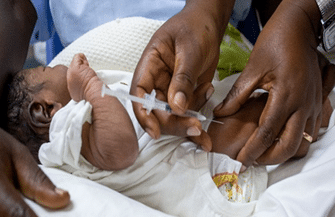
Sierra Leone is strengthening its fight against hepatitis B by introducing the birth-dose vaccine to protect newborns from a dangerous viral infection that can cause chronic liver disease, liver cancer and premature death.
For every mother holding her newborn for the first time, the immediate priority is to keep the child safe, healthy and alive. However, beyond the joy of childbirth lies the invisible threat of hepatitis B—an infection that can remain undetected while gradually damaging the liver over many years.
The hepatitis B birth-dose vaccine is designed to protect newborns from infection, particularly transmission of the virus from mother to child during or shortly after delivery. The vaccine has been available for decades and is considered highly effective in preventing infection.
Sierra Leone’s renewed response is built around a clear public health message: every child deserves a healthy start, and vaccination immediately after birth can provide vital protection.
Hepatitis B remains a major global public health challenge, with Africa carrying a significant share of the burden. An estimated 70 percent of hepatitis B infections occur on the continent. Despite the availability of an effective vaccine, however, access to vaccination at birth has historically remained low across Africa.
By 2021, only 14 of Africa’s 47 countries had introduced the routine hepatitis B birth dose, while approximately 18 percent of African infants received the vaccine at birth in 2022.
The coverage gap is particularly concerning because babies infected with hepatitis B are far more likely than adults to develop chronic infection. An infected child may appear healthy for years while the virus silently damages the liver and increases the risk of serious illness later in life.
The World Health Organization recommends that all infants receive their first dose of the hepatitis B vaccine as soon as possible after birth, preferably within 24 hours. The earlier a newborn is protected, the greater the opportunity to prevent infection acquired around the time of delivery.
The United States Centers for Disease Control and Prevention has also supported the administration of the hepatitis B birth dose to newborns before they are discharged from health facilities, helping to ensure that no eligible child is missed.
Under the programme, newborns will receive a single 0.5-millilitre dose at birth, followed by the remaining doses under the routine immunisation schedule. The birth dose, followed by completion of the three-dose pentavalent vaccine series, can provide strong and lasting protection against hepatitis B.
Sierra Leone’s goal is to eliminate hepatitis B infection and reduce the burden of the disease among children under five. Every child born in the country will be eligible to receive the birth-dose vaccine, with the programme targeting at least 95 percent of newborns.
The vaccine will be administered through existing maternal, newborn and child health services, including labour rooms and postnatal wards. Trained nurses will administer the dose, making hepatitis B prevention part of the routine maternal and child healthcare package.
The introduction of the vaccine also provides an opportunity to strengthen other essential newborn health services. It can be integrated with routine newborn care and existing interventions, including the administration of Vitamin K.
Antenatal care will play an important role in the programme. During pregnancy, health workers will educate expectant mothers and their families about hepatitis B and encourage them to ensure that their babies receive the vaccine immediately after delivery.
This approach means that public education about hepatitis B can begin before childbirth, giving parents and caregivers enough time to understand the importance, safety and benefits of the vaccine.
Health workers, community leaders, parents and caregivers are expected to play complementary roles in ensuring the programme succeeds. Health workers must identify and vaccinate eligible newborns, while community leaders will be expected to promote accurate information and help address misconceptions.
The financial cost of vaccination is relatively small compared with the human and economic burden associated with treating chronic hepatitis B, liver disease and liver cancer.
Sierra Leone is taking steps to ensure that vaccine access is supported through appropriate storage, transportation and distribution systems. The country has selected the 10-dose vial presentation after considering cold-chain capacity, affordability and vaccine availability across health facilities.
The Government of Sierra Leone has also committed resources to support the intervention, including approximately US$59,512 in vaccine-related assistance. The Government will finance the vaccine instead of depending on support from Gavi, the Vaccine Alliance.
Authorities have emphasised that vaccines alone cannot eliminate hepatitis B. Communities must understand why the birth dose is important, while parents and caregivers must be assured that the vaccine is safe and beneficial.
Behind every vaccination statistic is a child whose future should not be threatened by a preventable virus. The programme offers mothers the assurance of leaving health facilities knowing their newborns have received an important layer of protection against a potentially deadly disease.
Sierra Leone’s campaign against hepatitis B is therefore more than a vaccination programme. It represents a long-term investment in the health of the country’s children and generations yet unborn.