

The Director General of the Sierra Leone Civil Aviation Authority (SLCAA), Madam Musayeroh Barrie, has underscored the importance of stronger regional cooperation in improving aviation safety, strengthening regulatory capacity and supporting the sustainable development of the aviation sector.
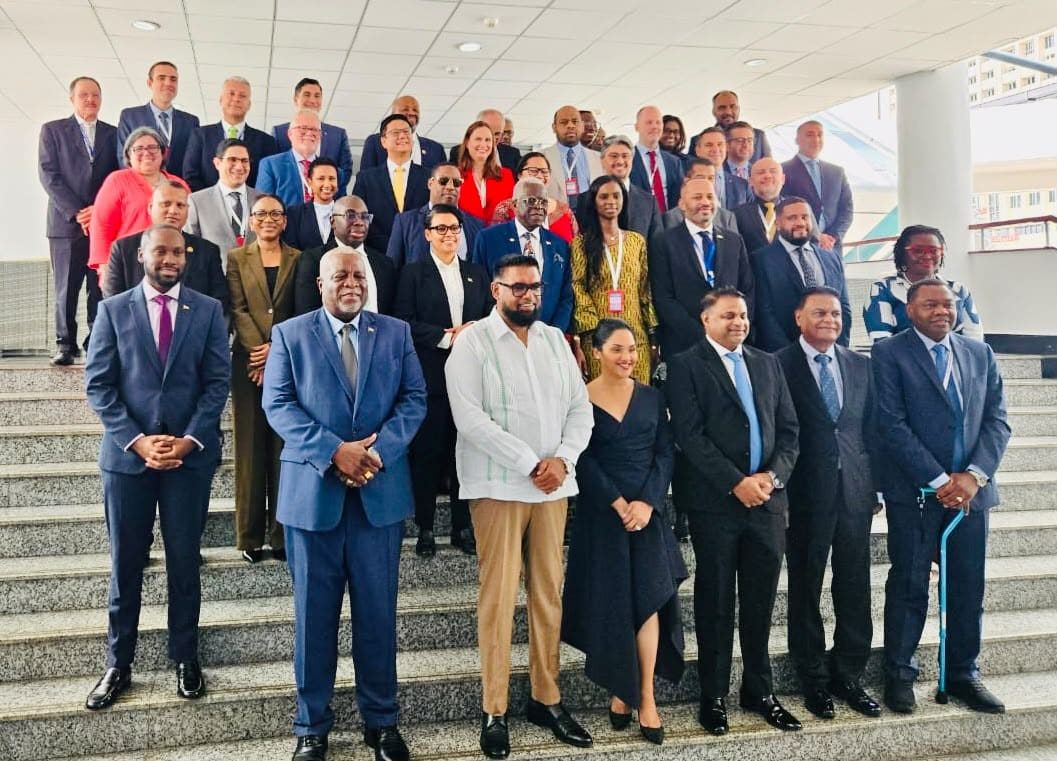
Madam Musayeroh Barrie made the remarks during the 3rd Global Regional Safety Oversight Organizations and Regional Accident and Incident Investigation Organizations (RSOO/RAIO) Forum for Aviation Safety, held at the Arthur Chung Conference Centre in Georgetown, Guyana, from September 29 to 30, 2026.
The two-day international forum, held under the theme, “Optimizing Resources through Coordination and Cooperation,” was jointly organized by the International Civil Aviation Organization (ICAO) and the European Union Aviation Safety Agency (EASA) and hosted by the Guyana Civil Aviation Authority. It marked the first time the global aviation safety forum was held in the Americas and attracted aviation regulators, accident investigators, technical experts, industry representatives and delegates from nearly 60 countries.
Addressing participants during the first session on the benefits of regional cooperation, Madam Musayeroh Barrie noted that Sierra Leone and Guyana share similarities in their geographical landscapes and possess significant opportunities for aviation development. She stressed, however, that efforts to expand the aviation sector must always be accompanied by strong safety and security measures.
She said Sierra Leone’s aviation development must be supported by effective regulatory systems and robust safety oversight, particularly as the country continues to strengthen its aviation infrastructure and improve connectivity with regional and international destinations.
Madam Musayeroh Barrie explained that regional cooperation has played an important role in the ongoing reform and development of the Sierra Leone Civil Aviation Authority. She noted that operating as a relatively small civil aviation regulator with limited financial and human resources presents challenges, particularly in providing extensive technical training and capacity building for aviation safety inspectors.
According to her, cooperation through regional safety oversight organisations has enabled Sierra Leone to benefit from technical expertise, specialized training and other forms of institutional support required to strengthen the professional capacity of its aviation inspectors.
She said such collaboration has helped Sierra Leone improve its aviation oversight capabilities while allowing the Sierra Leone Civil Aviation Authority to make more efficient use of its available financial and human resources.
Madam Musayeroh Barrie further emphasized that civil aviation regulators must possess the necessary technical expertise, institutional structures and human capacity to effectively supervise the aviation industry and ensure compliance with established international safety standards.
She warned that inadequate regulatory capacity could undermine the ability of states to maintain effective aviation safety standards, stressing that aviation safety requires sustained investment, continuous professional development, technical expertise and consistent regulatory oversight.
The SLCAA Director General also described aviation safety as a long-term and continuous process that cannot be adequately addressed through temporary measures or quick solutions. She said regulators must be proactive in identifying existing safety gaps and addressing potential weaknesses before they develop into incidents or more serious aviation safety concerns.
Highlighting the international nature of aviation, Madam Musayeroh Barrie called for deeper cooperation among states and their respective aviation regulatory authorities. She pointed out that aviation operations extend beyond national boundaries, meaning that the effectiveness of one country’s safety oversight system can have implications for other states within the region and beyond.
She explained that an aircraft departing from Sierra Leone could subsequently land in Ghana or another country, making cooperation, information sharing and consistency among aviation regulators essential to maintaining high safety standards across jurisdictions.
Madam Musayeroh Barrie maintained that stronger regional collaboration, shared technical expertise and common safety objectives would enable countries to improve their regulatory oversight systems and create a safer and more reliable operating environment for passengers, airlines and other stakeholders within the aviation industry.
During the forum’s opening session, Director General of the Guyana Civil Aviation Authority, Lieutenant Colonel (Retired) Egbert Field, highlighted the importance of aviation to Guyana’s economy, particularly in supporting mining, tourism and agriculture, while emphasizing the country’s commitment to maintaining aviation safety as the sector expands.
Director of ICAO’s Air Navigation Bureau, Michele Merkle, also underscored the importance of regional cooperation, stressing that collaboration goes beyond sharing resources by creating communities of expertise through which knowledge, experience and solutions can move more effectively across the global aviation network.
The forum examined a wide range of issues affecting international aviation safety, including regional cooperation, the delegation of safety and investigative functions, aviation workforce development, sustainable financing, industry partnerships and the development of common and harmonized regulatory frameworks and tools.
Discussions also focused on strategies for attracting and retaining qualified aviation professionals, overcoming high training costs and limited institutional capacity, developing sustainable funding models for regional safety oversight organisations and strengthening partnerships between aviation regulators and industry players.
The forum provided aviation authorities and international partners with an opportunity to exchange experiences, examine challenges facing safety oversight and accident investigation systems, and explore practical approaches to strengthening cooperation and regulatory capacity.
Madam Musayeroh Barrie’s participation alongside senior aviation officials and experts from different parts of the world further demonstrated the Sierra Leone Civil Aviation Authority’s commitment to international and regional cooperation, effective regulatory oversight and the continuous improvement of aviation safety as Sierra Leone works to sustainably develop its aviation sector.