
July 29th marks the 55th anniversary of the establishment of diplomatic relations between China and Sierra Leone. Though thousands of miles apart, the two countries have built a partnership that has produced tangible achievements and brought their peoples closer together as they work toward their respective development goals.
For me, Sierra Leone first came into focus not during a moment of celebration, but during one of its most challenging periods in its recent history.
In 2014, when I had only recently started my career in journalism, I watched footage sent back by my colleagues from West Africa as the Ebola virus outbreak devastated Sierra Leone. Those images remain in my memory: patients battling for survival, exhausted medical workers fighting on the front lines and families shattered by loss. Across the vast distance, I could feel the enormous suffering the crisis brought to the people of Sierra Leone.
Yet amid that tragedy, another image also became unforgettable—the image of solidarity.
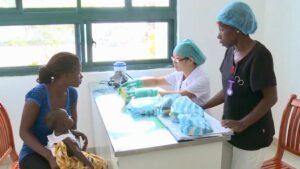
China was among the first countries to extend critical support. Medical teams were sent, accompanied by emergency medical supplies. The Sierra Leone–China Friendship Biosafety Laboratory project was launched and completed in just 87 days, providing much-needed testing capacity at a crucial moment. Located on the outskirts of capital Freetown, the laboratory remains operational today, continuing to serve local communities.
More than a decade later, the lessons and cooperation built during the Ebola crisis continue to bear fruit. When Ebola re-emerged in parts of Africa in 2026, Sierra Leone quickly strengthened its national preparedness and response mechanisms, with no confirmed cases reported in the country so far. Behind this progress are efforts to bolster Sierra Leone’s public health system—developing stronger prevention and early-warning capabilities.
This transformation reflects the dedication of Sierra Leone’s healthcare professionals as well as the years of cooperation and commitment between Sierra Leone and Chinese public health experts.
My connection with Africa grew stronger in 2016, when I first traveled to the continent for work as the shadow of the Ebola crisis began to fade. I was immediately drawn to the continent’s beauty—the breathtaking landscapes, fresh air and the warmth and hospitality of its people.
Over the years, my reporting took me across North, West and East Africa. Along the way, I witnessed newly built roads, residential communities and modern broadcasting facilities. China–Africa cooperation became a reality I could see and experience firsthand.
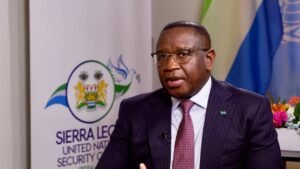
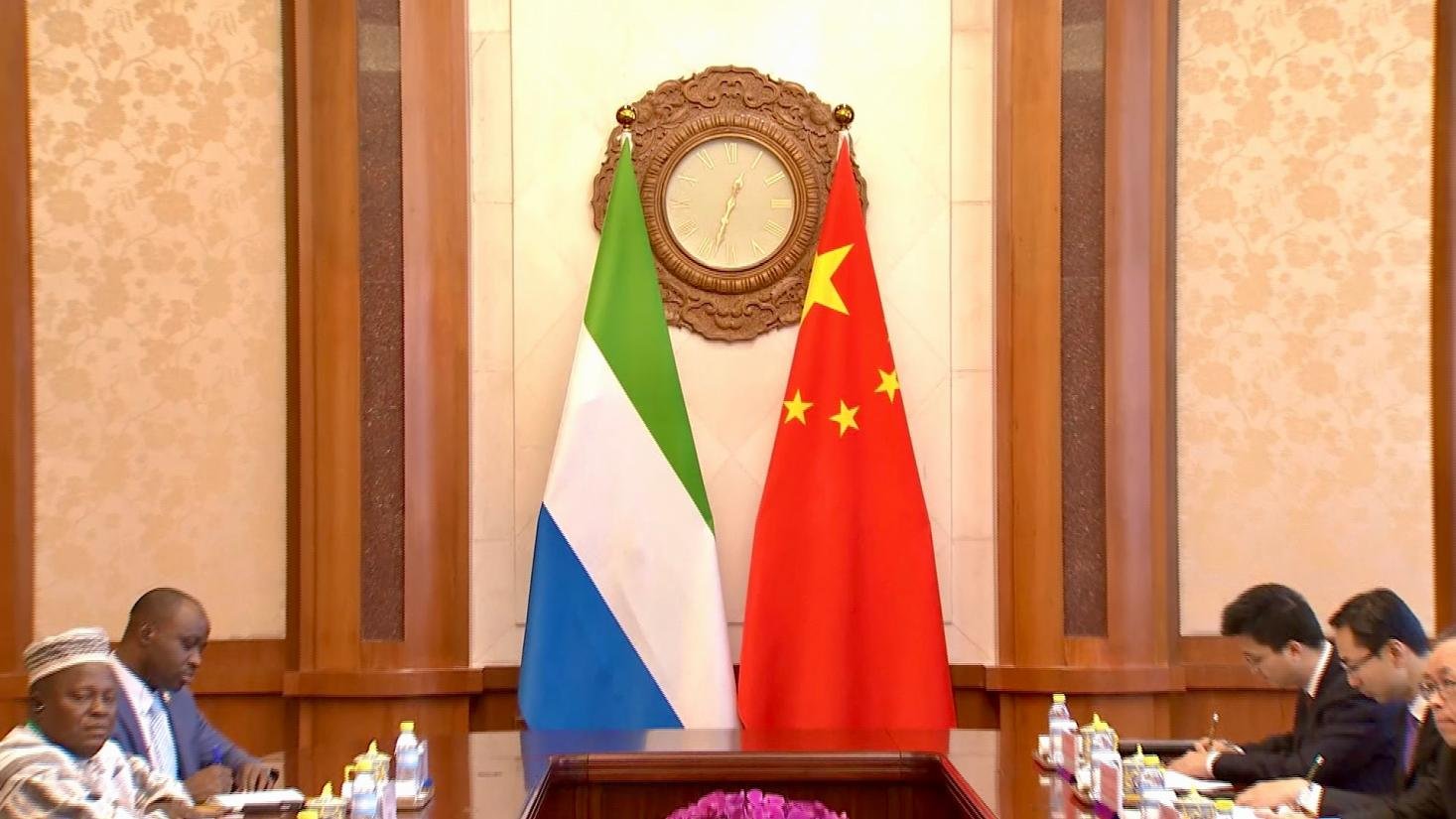
Over the past 55 years, the most enduring quality of China–Sierra Leone relations has been mutual support and trust. Since establishing diplomatic ties in 1971, the two countries have maintained mutual respect and stood by each other through changing times. In 2016, China and Sierra Leone established a comprehensive strategic cooperative partnership, and this relationship was further strengthened in 2024 when President Julius Maada Bio paid a state visit to China, securing agreements related to the Belt and Road Initiative, agriculture and economic development. President Bio called China “a trustworthy and reliable friend” of Sierra Leone.
That trust has been built through concrete actions. From the renovation of Sierra Leone’s National Stadium with Chinese assistance to the construction of the country’s first integrated industrial fishing port; from China’s zero-tariff policies that have helped Sierra Leone’s aquatic products enter the Chinese market to the Excellence Skills Academy that helps develop local talent—China’s support for Sierra Leone has taken concrete form in projects that create lasting benefits.
At the same time, China deeply values the friendship and support it has received from Sierra Leone.
Last year, when my colleague Xu Dezhi asked President Bio directly whether Taiwan is part of China, he unequivocally responded “Correct,” reaffirming Sierra Leone’s longstanding position. At a time when the one-China principle faces some challenges, Sierra Leone’s consistent support on this issue carries special significance.
Looking back further, African countries, including Sierra Leone, also contributed to the restoration of the People’s Republic of China’s lawful seat at the United Nations. This shared history remains an important part of the friendship between China and Africa.
As a journalist, I feel privileged to have witnessed this journey—from watching the Ebola crisis unfold through a screen in 2014, to setting foot on African soil in 2016 and now reflecting on 55 years of China–Sierra Leone diplomatic relations.
The suffering I once saw has been transformed into a shared determination to move forward together. The stories of assistance I once reported are now being continued through bridges, ports, schools and countless projects that connect people and create new opportunities.
Fifty-five years of walking side by side have shown that the deepest friendships are built not only through shared achievements, but also through moments of challenge and solidarity. Across mountains and seas, China and Sierra Leone have built a friendship rooted in respect, strengthened by trust and warmed by the shared experiences of generations.
After 55 years, that friendship continues to grow stronger—and its future remains full of promise.