
The United Nations Population Fund (UNFPA), in collaboration with the Government of Sierra Leone through the Ministry of Planning and Economic Development (MoPED), has concluded a two-day Mid-Year Performance Review aimed at assessing progress and accelerating the implementation of the 8th Country Programme (2025–2030).
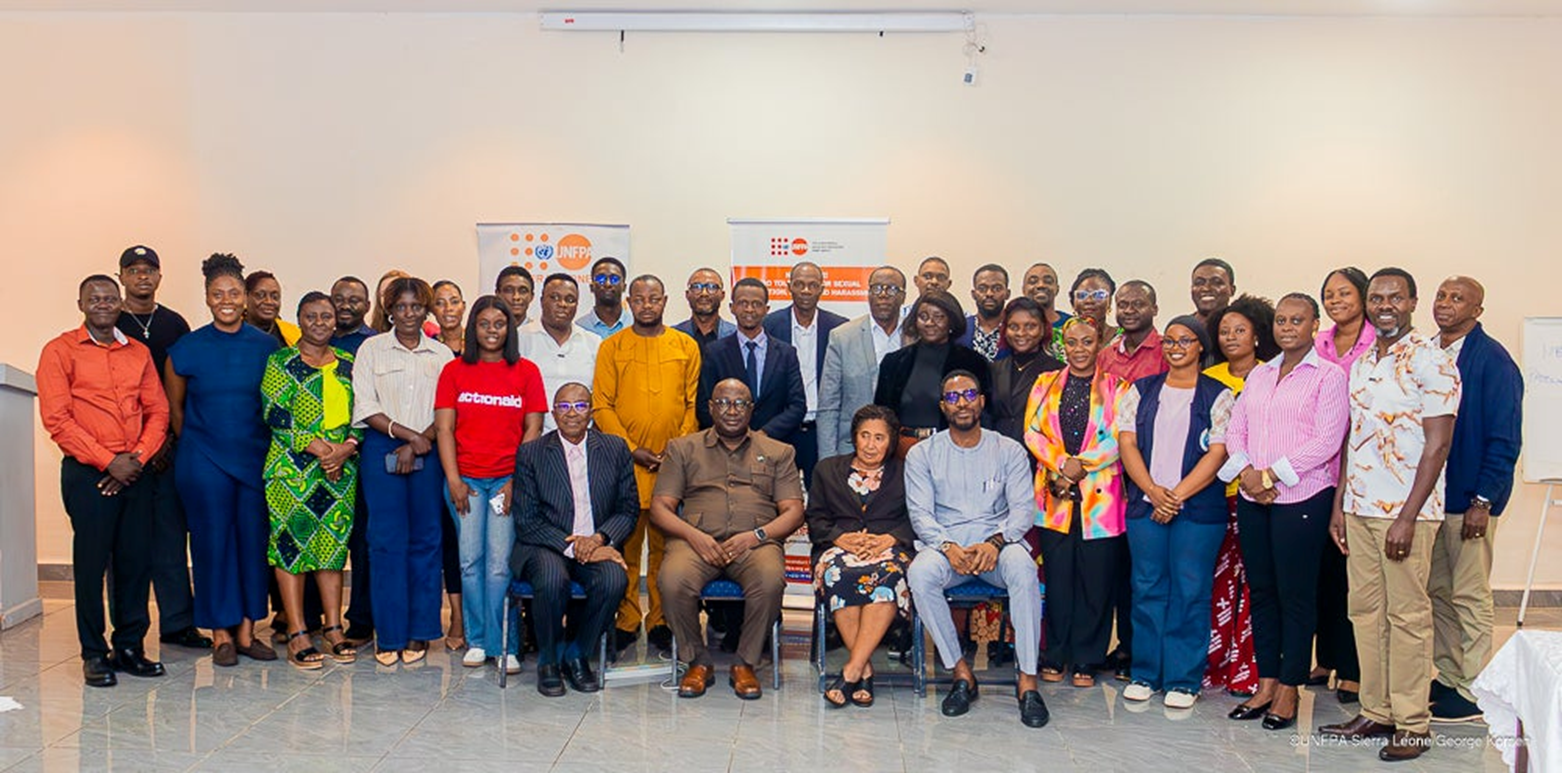
Held at the New Brookfields Hotel in Freetown on 23 July 2026, the review brought together representatives of Government Ministries, Departments and Agencies, non-governmental organizations, Civil Society Organizations and other implementing partners to evaluate achievements recorded during the first half of 2026, identify implementation challenges and agree on strategic priorities for the remainder of the year.
The meeting focused on strengthening collaboration among stakeholders while ensuring that programme interventions deliver measurable results that contribute to Sierra Leone’s national development agenda.
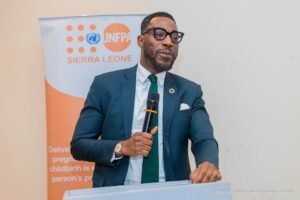
Delivering the opening address, UNFPA Representative to Sierra Leone, Mr. Kunle Adeniyi, emphasized that the programme had entered a critical implementation stage, calling on partners to shift from laying foundations to delivering tangible impact.
“We are standing at a critical juncture. We are in the second year of implementing our 8th Country Programme 2025–2030. The foundational phase is behind us; 2026 is the year where we must demonstrate measurable, accelerated momentum, moving from baseline indicators to true impact,” he stated.
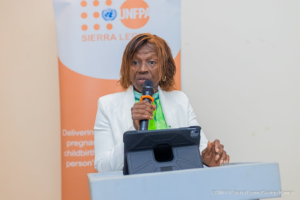
Minister of Planning and Economic Development, Hon. Kenyeh Barlay, commended implementing partners for their resilience, dedication and commitment despite operational and financial challenges. She noted that the progress achieved during the first half of the year reflected the strength of collaboration between Government, UNFPA and partner organizations.
She, however, urged all stakeholders to sustain the momentum by focusing on effective implementation, accountability and results that directly improve the lives of Sierra Leoneans.
Throughout the review, participants repeatedly stressed the importance of efficiency, accountability and prudent management of available resources amid a constrained funding environment.
Discussions highlighted that maximizing the impact of limited resources is essential to achieving programme objectives while ensuring value for money in programme delivery.
Participants also emphasized the need to move beyond activity-based reporting to a more results-oriented approach that measures real outcomes and impact. Implementing partners were encouraged to critically assess their performance, identify persistent gaps and adopt corrective measures to improve programme delivery, particularly in protecting the rights and well-being of women, girls and vulnerable populations.
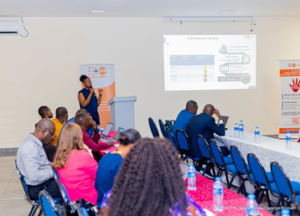
During the two-day review, implementing partners presented comprehensive progress reports covering the four strategic outputs of the 8th Country Programme.
These included Sexual and Reproductive Health, Gender Equality, Adolescent and Youth Development, and Population Data and Development.
The presentations, described as “deep-dive” sessions, provided participants with opportunities to review achievements, examine lessons learned, identify implementation challenges and explore opportunities for stronger collaboration and coordination among stakeholders.
Key discussions also focused on strengthening partnerships between the Government of Sierra Leone and implementing organizations, reviewing findings from joint UNFPA–MoPED monitoring missions and reinforcing the Ministry of Planning and Economic Development’s accountability framework for national and international non-governmental organizations operating in the country.
Participants also received refresher sessions on UNFPA’s operational policies and procedures, including financial management, fraud prevention and asset management. In addition, a dedicated session on the Prevention of Sexual Exploitation, Abuse and Harassment (PSEAH) reinforced UNFPA’s zero-tolerance policy and reminded implementing partners of their reporting obligations and safeguarding responsibilities.
Looking ahead, participants worked in thematic groups to develop acceleration plans for the third and fourth quarters of 2026. The plans identified priority actions aimed at strengthening coordination, improving the quality and timeliness of reporting, enhancing financial accountability and ensuring that programme interventions effectively reach the most vulnerable communities across Sierra Leone.
Closing the review, Deputy Minister of Planning and Economic Development, Rev. Dr. Jonathan Titus-Williams, reiterated the importance of collective responsibility in achieving the objectives of the 8th Country Programme.
He called on all implementing partners to maintain strong collaboration, transparency and accountability in delivering interventions that contribute to Sierra Leone’s national development priorities.
The two-day Mid-Year Performance Review concluded with participants reaffirming their shared commitment to translating progress into measurable impact, strengthening partnerships and accelerating implementation of the 8th Country Programme to ensure that no one is left behind in Sierra Leone’s development journey.