

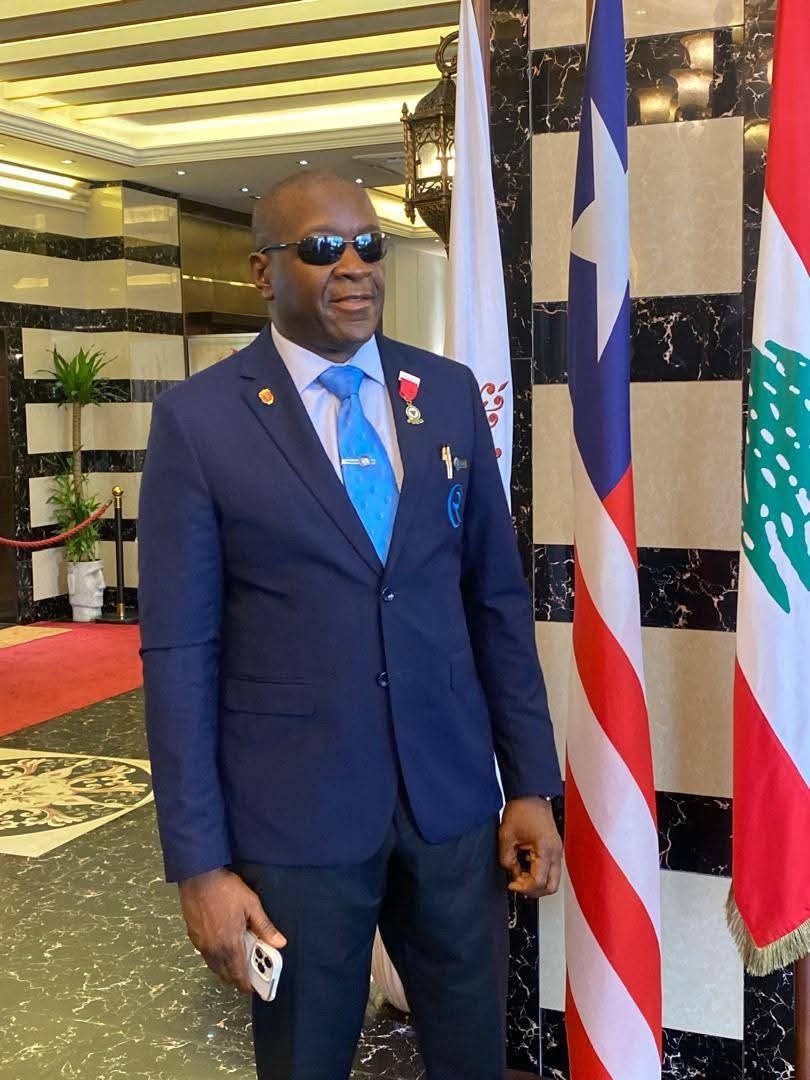
Dr. Walton Ekundayo Gilpin, Managing Director and Chief Executive Officer of Rokel Commercial Bank (RCBank), has underscored the pivotal role of trade finance in driving the successful implementation of the African Continental Free Trade Area (AfCFTA).
He made the remarks while speaking at the African Trade Leaders Dialogue held in Banjul, The Gambia, where he addressed participants on the theme: “Can Trade Finance Be a Key Driver of AfCFTA?”
In his presentation, the RCBank CEO cautioned that Africa’s ambitious free trade agenda could fall short of expectations if financial systems across the continent are not strategically aligned to support cross-border trade.
“Trade liberalization without trade finance cannot deliver meaningful integration. Finance is the engine that must power AfCFTA,” Dr. Walton Ekundayo Gilpin stated.
He explained that although AfCFTA presents enormous opportunities for intra-African trade, many African businesses, particularly small and medium-sized enterprises (SMEs), remain excluded due to limited access to affordable and structured trade finance facilities.
According to Dr. Walton Ekundayo Gilpin, closing Africa’s trade finance gap requires stronger collaboration among commercial banks, Governments, regional financial institutions and development partners. He stressed that without deliberate efforts to strengthen financial intermediation, the continent’s trade ambitions could remain largely theoretical.
The banking executive also highlighted the importance of leveraging digital innovation to modernize trade finance processes. He called for the adoption of digital trade finance solutions capable of reducing transaction costs, improving transparency and strengthening regional value chains.
Dr. Walton Ekundayo Gilpin noted that technological integration would not only enhance efficiency but also build confidence among trading partners across African markets.
His intervention at the dialogue reflected a growing consensus among African financial leaders that trade finance must be treated as a central pillar, rather than a peripheral instrument, in the realization of AfCFTA’s transformative objectives.
Beyond access to finance, Dr. Walton Ekundayo Gilpin identified several structural challenges that must be addressed to make trade finance more effective across the continent. These include resolving cross-border payment settlement issues, improving logistics infrastructure, enhancing productive capacity, increasing value addition and addressing trust deficits in trade transactions.
He maintained that tackling those constraints holistically would shrink the trade finance gap and unlock greater participation in intra-African commerce.
AfCFTA, which aims to create the world’s largest free trade area by connecting 54 African countries, is widely regarded as a potential game-changer for economic integration, industrialization and job creation. However, experts at the dialogue agreed that access to reliable and affordable trade finance remains a decisive factor in determining whether the agreement achieves its intended impact.
Dr. Walton Ekundayo Gilpin concluded by urging policymakers and financial institutions to prioritize trade finance reforms as part of broader continental integration strategies.
“With strategic investment, innovation and policy alignment, trade finance can unlock markets, empower African businesses and elevate Africa’s position in global trade,” he said.
The African Trade Leaders Dialogue brought together policymakers, financial executives and trade experts to explore practical solutions for accelerating intra-African trade and strengthening regional economic cooperation.