Home Blog

1xBet marked Sierra Leone Independence Day with community football tournament and fan gifts

1xBet marked Sierra Leone Independence Day

Sierra Leone’s Independence Day on 27 April is one of the country’s most important national dates. In 2026, the holiday marked 65 years of Sierra Leone’s independence and brought people together through ceremonies, community events, sport, music and public gatherings.

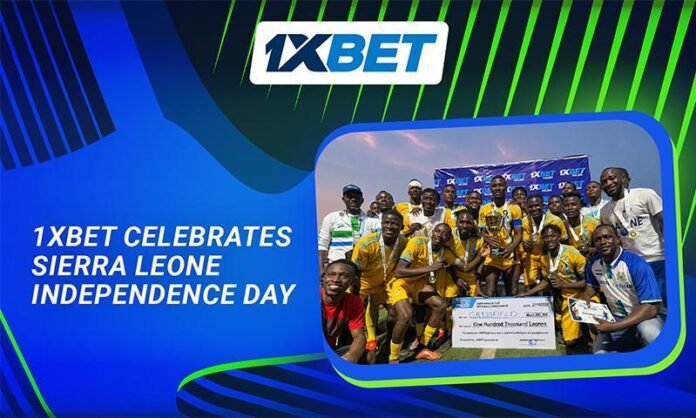
1xBet Sierra Leone joined the celebration by launching the first 1xBet Independence Inter-Community Football Tournament, a competition created to unite local teams and fans during the Independence Day celebrations.

Football at the centre of the celebration

The first 1xBet Independence Tournament kicked off on 15 April 2026 and brought together teams from eight local communities: Moeba, Rokupa, Brima Lane, Calaba Town, Clinetown, Grassfield, Rokel and Thunder Hill.

Held at Approved School Field, the tournament gave local teams a chance to represent their areas and join the holiday atmosphere through football. The grand final took place on 27 April and made football part of the national celebration. The winning team Grassfield also received a 100,000 leones gift from 1xBet, and the best player also received a prize, which made the victory even more special.

Independence Day gifts for fans

The tournament was easy to join. The standard entry fee was 5 SLE, while all 1xBet customers could participate for free.

Alongside the tournament, 1xBet Sierra Leone launched a fan activity with branded T-shirts and flags. The T-shirts were dedicated to the 65th anniversary of Sierra Leone’s Independence Day, linking the giveaway to the national celebration.

Social media giveaway for Salone football fans

To extend the celebration online, 1xBet Sierra Leone also held an Independence Day Giveaway on brand Instagram page from 27 April to 3 May.

The contest invited Salone football fans to follow the brand page, like the campaign post, comment which Sierra Leone football team they support and tag a friend. The prize list included:

  • 1st prize: Infinix HOT 60 Pro + Oraimo 4 Powerbank;
  • 2nd–4th prize: All-In-One Solar Lamp;
  • 5th–10th prize: Oraimo BoomPop 2S Earphones;
  • and branded celebratory T-shirts for all winners.

The prizes were handed over on 8 May, continuing the Independence Day mood beyond the final whistle.

Community, football and national pride

The 1xBet Independence Tournament brought community football into Sierra Leone’s Independence Day celebration. By involving eight communities, holding the final on the national holiday, awarding the winning team with a 100,000 leones gift, and distributing anniversary T-shirts and flags, 1xBet Sierra Leone linked its activity to an important national date.

The event showed how football can bring players, fans and communities together. For local teams, it was a chance to compete and represent their areas. For fans, it created a place to gather and celebrate. For 1xBet Sierra Leone, it was a direct way to support sport, community engagement and national pride.

The first edition created a format that can grow in the future: community football, fan participation and national celebration around one of Sierra Leone’s most important days.


Vice President Launches Critical Minerals Strategy, Seeks Greater Value from Mining Sector

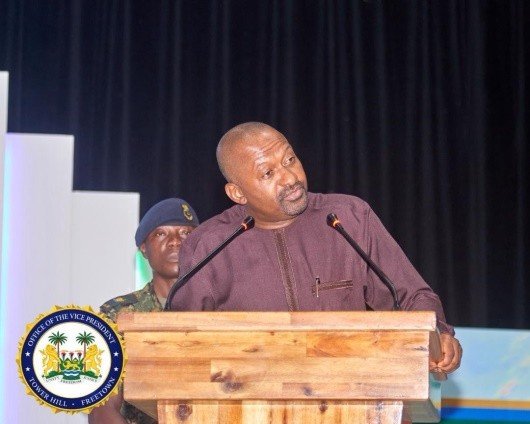
Man speaks at a wooden podium on stage, with a uniformed guard behind and an official seal in the foreground left.
Vice President, Dr. Mohamed Juldeh Jalloh

By Amin Kef (Ranger)

Vice President of the Republic of Sierra Leone, Dr. Mohamed Juldeh Jalloh, has called for a bold transformation of the country’s mining sector, insisting that Sierra Leone’s vast mineral wealth must go beyond extraction and begin delivering meaningful jobs, infrastructure, industrial growth and sustainable prosperity for citizens.

The Vice President made the call on Wednesday, 20 May 2026, while officially opening the Sierra Leone Mining Week 2026 and the 11th Ordinary Meeting of the African Diamond Producers Association (ADPA) Council of Ministers at the Freetown International Conference Centre, Bintumani, Aberdeen in Freetown.

The week-long conference, jointly organized by the Ministry of Mines and Mineral Resources and the National Minerals Agency (NMA), commenced on Tuesday, 19 May, with preliminary engagements and will conclude on Saturday, 23 May 2026. Held under the theme, “Our Mineral Resources: Responsible Mining, Value Multiplication and Shared Prosperity,” the gathering brought together Ministers, regulators, mining executives, investors, diplomats, development partners, Civil Society representatives, artisanal miners, students and technical experts from across Africa and beyond.

In his keynote address, Dr. Mohamed Juldeh Jalloh emphasized that Sierra Leone is prepared to govern its mineral resources “responsibly, ambitiously and in the interest of its people,” stressing that the country must transition from merely exporting raw materials to creating value and building sustainable economic growth.

The Vice President officially launched Sierra Leone’s National Strategy for Critical Minerals 2026–2031, describing it as a strategic roadmap aimed at positioning the country among Africa’s emerging leaders in critical mineral development, industrialization and value addition.

He disclosed that Sierra Leone possesses substantial deposits of lithium, cobalt, graphite, coltan, platinum group metals, rare earth elements, iron ore, diamonds and rutile, stressing that those resources should now be treated as strategic sovereign assets capable of transforming the national economy.

“These are not just minerals in the ground,” the Vice President stated. “They are sovereign assets, strategic assets and development assets.”

According to Dr. Mohamed Juldeh Jalloh, the National Strategy for Critical Minerals seeks to attract approximately US$2.5 billion in exploration and mining investments, establish three to five mineral processing plants, create about 45,000 direct and indirect jobs, train 15,000 skilled workers, generate roughly US$300 million in annual Government revenue and achieve approximately US$1.5 billion in export earnings from processed mineral products.

He maintained that Sierra Leone’s mining future must be built around transformation rather than continued dependence on exporting raw minerals.

“Mining must not merely generate exports. Mining must finance transformation,” he declared.

Dr. Mohamed Juldeh Jalloh stressed that mining wealth must support Sierra Leone’s Medium-Term National Development Plan and the Government’s “Big Five Game Changers,” including food security, youth employment, infrastructure, human capital development, technological advancement and stronger institutions.

The Vice President noted that one of the most pressing concerns repeatedly raised by ordinary Sierra Leoneans remains the question: “Where does the mining money go?”

He described the concern as patriotic rather than cynical, arguing that citizens deserve to see tangible benefits from the country’s mineral wealth through improved roads, schools, healthcare services, jobs, electricity and community development initiatives.

Providing context on the sector’s performance, Dr. Mohamed Juldeh Jalloh disclosed that Sierra Leone generated approximately US$1.12 billion in mineral exports in 2024, while Government revenue from the sector increased by 34 percent to about US$49.9 million.

Despite those gains, the Vice President acknowledged that major reforms remain necessary.

“From a billion-dollar export sector, less than five cents of every dollar reaches the national treasury,” he stated, describing the situation as evidence of “unfinished reform.”

According to him, declining international aid and shrinking development financing require Sierra Leone to increasingly depend on responsible management of its mineral resources to finance national development priorities.

He therefore stressed that mining revenue had become not only an economic matter but also a national development and security imperative.

To address concerns surrounding accountability and revenue leakages, Dr. Mohamed Juldeh Jalloh called for stronger production verification systems, improved digital monitoring technologies and enhanced independent Government capacity to verify mineral grades, export volumes, pricing and valuation systems.

“The answer is technology,” he emphasized, while warning that underreporting and transfer pricing continue depriving African countries of billions of dollars annually.

The Vice President also advocated for stronger and more balanced mining agreements capable of protecting Sierra Leone’s development interests while maintaining investor confidence.

He disclosed that Government is increasingly exploring strategic partnerships with institutions such as the African Finance Corporation and Afreximbank to support mining and infrastructure financing.

Referencing the FG Gold Baomahun US$330 million financing arrangement, Dr. Mohamed Juldeh Jalloh said credible partnerships and long-term financing models could unlock major investment opportunities in Sierra Leone’s extractive industry.

He further proposed moving beyond traditional royalty systems toward more innovative revenue mechanisms, including sovereign wealth arrangements, infrastructure-linked mining development and strategic equity participation.

The Vice President highlighted provisions under the Mines and Minerals Development Act 2022, which guarantees Government a 10 percent free-carried, non-dilutable equity interest in large-scale mining ventures, with room for negotiations up to 35 percent participation.

He stressed, however, that such state participation should be professionally managed through a dedicated mining investment structure rather than political arrangements.

On infrastructure development, Dr. Mohamed Juldeh Jalloh criticized the duplication of roads, railways, ports and energy facilities by individual mining companies, describing the practice as costly and disconnected from national development priorities.

He instead advocated for shared infrastructure systems capable of simultaneously supporting mining, agriculture, industrialization, trade and surrounding communities.

“A railway built for a mine should also create economic opportunities for communities,” he stated.

The Vice President additionally called for increased Sierra Leonean participation in technical and leadership positions within mining companies.

While noting that approximately 92 percent of the mining workforce is Sierra Leonean, he stressed that stronger efforts are needed to deepen skills transfer through university partnerships, technical institutes, vocational programmes and structured career development systems.

He also underscored the importance of formalizing artisanal mining, noting that over 120,000 Sierra Leoneans depend on the subsector for their livelihoods.

According to him, formalization efforts must include stronger environmental protection measures, legal market access, cooperative systems, digital registration and firm action against exploitative labour practices, especially child labour.

Concluding his keynote address, Dr. Mohamed Juldeh Jalloh challenged stakeholders to ensure that by Mining Week 2027, Sierra Leone records mining revenues exceeding US$100 million, operational mineral processing plants, stronger community development systems, improved infrastructure models and increased value addition across the sector.

“With these words,” the Vice President declared, “I officially open Sierra Leone Mining Week 2026, the 11th African Diamond Producers Association Council of Ministers Meeting and launch the National Strategy for Critical Minerals.”

Speaking earlier, Director General of the National Minerals Agency, Ing. Hadji Dabo, described the conference as a strategic platform for shaping the future of Africa’s mining sector and transforming mineral wealth into tangible prosperity.

He highlighted Sierra Leone’s continued commitment to responsible mineral governance through international frameworks, including the Kimberley Process, while acknowledging the participation of delegates from more than 30 countries.

Chairman of Parliament’s Committee on Mines and Mineral Resources, Saa Emerson Lamina, noted that mining remains one of Sierra Leone’s most significant economic sectors, contributing substantially to exports, Government revenue and national economic growth.

He praised reforms under the Mines and Minerals Act 2023, describing the legislation as a major breakthrough for transparency, accountability and stronger community participation in mining governance.

Minister of Mines and Mineral Resources, Julius Daniel Mattai, also emphasized that Sierra Leone’s mining future must be built on responsible governance, industrialization, value addition and shared prosperity.

He maintained that Sierra Leone remains “open for business, but not open for capture,” stressing Government’s commitment to attracting responsible investors willing to support long-term development, skills transfer and infrastructure growth.

Meanwhile, Chief Technical Officer of Leone Rock Metal Group, Salim Sillah, stated that Sierra Leone’s mining sector is currently witnessing one of its strongest periods of investment growth in over two decades, attributing the momentum to reforms in licensing systems, transparency and investor confidence.

Following the opening ceremony, the Vice President toured exhibition booths, including that of the Sierra Leone Road Safety Authority, where he commended Executive Director James Bagie Bio for improvements in service delivery and institutional reforms.

He urged the Authority to intensify efforts aimed at removing un-roadworthy heavy-duty trucks from Sierra Leone’s roads to reduce accidents nationwide.


CTC Mining Strengthens Commitment to Responsible Mining at Sierra Leone Mining Week 2026

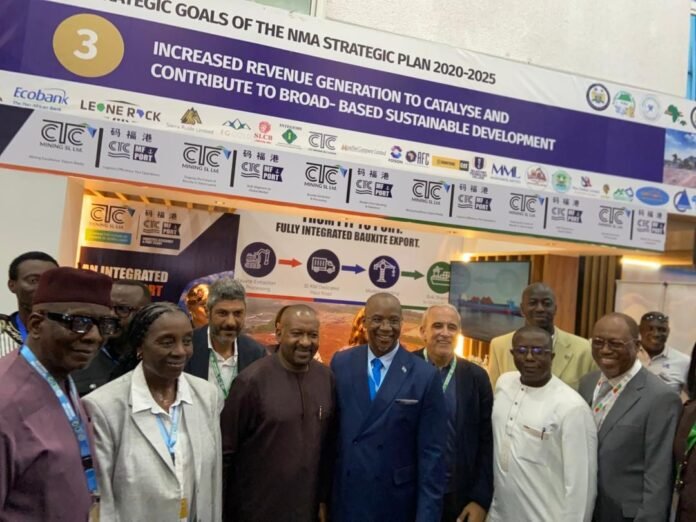
Group of officials posing in front of a trade show booth promoting the NMA Strategic Plan 2020–2025

By Alvin Lansana Kargbo

Amid growing national and international conversations on the future of responsible mineral exploitation and sustainable investment, CTC Mining (SL) Limited has distinguished itself as one of the key corporate sponsors of the ongoing Sierra Leone Mining Week 2026, reaffirming its commitment to supporting the growth, modernization and long-term sustainability of Sierra Leone’s extractive industry.

The high-profile five-day event, which commenced on Tuesday, 19th May 2026 at the Freetown International Conference Centre and is scheduled to conclude on Saturday, 23rd May 2026, has convened Government officials, mining companies, investors, development partners and sector stakeholders from across Africa and beyond to deliberate on critical issues relating to mining governance, sustainability, innovation and investment opportunities within the extractive industry.

As one of the event’s key sponsors, CTC Mining (SL) Limited established a strong presence throughout the opening sessions and exhibition activities, where its booth attracted considerable attention from delegates, investors and participants interested in understanding the company’s operations and its role within Sierra Leone’s mining landscape. Through its participation, the company utilized the platform to showcase its services, engage relevant stakeholders and strengthen strategic relationships within the sector.

The CTC Mining (SL) Limited exhibition stand quickly became a vibrant centre for networking, business interaction and industry engagement during the conference, reflecting the company’s growing influence and expanding footprint in Sierra Leone’s extractive sector. Company representatives held engagements with both local and international participants, emphasizing the significance of collaboration, innovation and responsible mining practices as important pillars for economic advancement and long-term sectoral growth.

The company’s prominence at the conference gained additional recognition during the opening proceedings when Sierra Leone’s Vice President, Dr. Mohamed Juldeh Jalloh, toured the exhibition arena and paid a visit to the CTC Mining (SL) Limited booth. The visit highlighted the company’s increasing relevance within the nation’s mining industry and underscored its contribution to conversations aimed at strengthening the sector and promoting sustainable development.

In an interview with The Calabash Newspaper, the Legal and Compliance Manager of CTC Mining (SL) Limited, Ms. Aminata Keita, described the Sierra Leone Mining Week as a valuable platform that fosters productive engagement among Government institutions, investors, mining companies, industry stakeholders and local communities.

According to Ms. Aminata Keita, CTC Mining (SL) Limited views its participation in the conference as an important opportunity to reaffirm the company’s commitment to responsible mining, local content promotion, employment generation and the sustainable development of Sierra Leone’s extractive sector.

She stressed that meaningful collaboration and constructive dialogue remain crucial to building a stronger mining industry capable of supporting national development aspirations. Ms. Aminata Keita noted that bringing together major actors within the sector creates opportunities for stronger partnerships, stimulates investor confidence and encourages policy discussions that can drive long-term economic progress in Sierra Leone.

Ms. Aminata Keita further maintained that CTC Mining (SL) Limited remains dedicated to contributing positively to the country’s extractive industry through regulatory compliance, effective community engagement and the adoption of sustainable operational standards aimed at supporting both the mining sector and the broader economy.

Through its active participation and visible corporate presence at Sierra Leone Mining Week 2026, CTC Mining (SL) Limited has continued to position itself among emerging companies championing responsible mining, industry partnership and sustainable development, while reaffirming its commitment to supporting Sierra Leone’s economic growth through a vibrant and accountable extractive sector.

‎CASA Leone Hospitality Training Centre Holds Maiden Graduation Ceremony

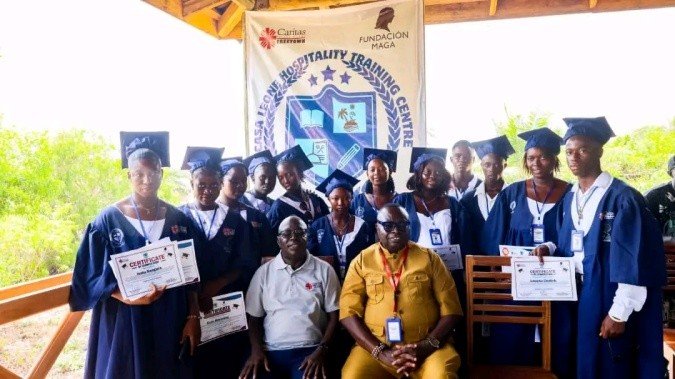
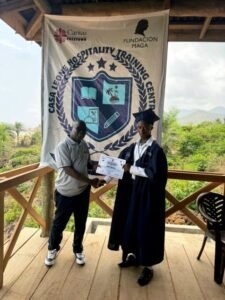
Group of graduates in blue gowns with certificates posing for a photo at a hospitality training center graduation event.

By Ibrahim Sesay

‎The CASA Leone Hospitality Training Centre, a youth skills development initiative implemented by Caritas Freetown, with support from Fundación MAGA, has graduated its first batch of students in what stakeholders described as a significant milestone in promoting youth empowerment and hospitality training in Sierra Leone. The graduation ceremony, held on Wednesday, 20th May 2026, at the Centre in Bureh Town, attracted Government officials, development partners, community leaders, family members and other stakeholders who gathered to celebrate the achievements of the pioneer graduates.

The first graduating class consisted of 15 students, including 12 females and three males, drawn mainly from Kabala, Kambia, Port Loko and Bureh Town. Throughout the training period, the students acquired practical and professional competencies in several hospitality-related disciplines, including fire management, food and beverage services, waitressing, bartending, customer service and communication skills aimed at preparing them for opportunities in the tourism and hospitality industry.

Speaking during the ceremony, the Project Manager of CASA Leone Hospitality Training Centre, Isata Sidibay, reflected on the challenges encountered during the implementation of the programme, particularly in convincing families and communities about the credibility of the initiative.

She disclosed that extensive engagements had to be undertaken with various stakeholders due to widespread skepticism surrounding the programme, noting that many people found it difficult to believe that accommodation, feeding, medical care and training could all be offered free of charge.

Isata Sidibay revealed that rumours suggesting the initiative was linked to child trafficking created significant setbacks during implementation, resulting in some trainees dropping out or absconding from the programme. Despite the difficulties, she expressed gratitude for successfully overseeing the project and supporting the trainees through their transformation into graduates.

Representing the Government of Sierra Leone, the Deputy Director of Tourism at the Ministry of Tourism and Cultural Affairs, Idrissa Thonkla Bangura, emphasized the critical role of tourism in accelerating economic growth and diversifying national economies.

He observed that several African countries have leveraged tourism to expand economic opportunities and reduce dependence on other sectors, noting that Sierra Leone had similarly identified tourism as a key sector in its 2018 Medium-Term National Development Plan aimed at promoting economic diversification.

Idrissa Thonkla Bangura further stated that since assuming office in 2023, the Minister of Tourism and Cultural Affairs, Nabeela Tunis, has implemented pragmatic initiatives to align Sierra Leone’s tourism sector with global standards through the development of policies, including the National Tourism Policy, Eco-Tourism Policy and Wildlife Policy.

According to him, such policies provide the framework for the orderly growth and sustainable development of the tourism sector. He encouraged the graduates to uphold strong customer service standards, describing professionalism and quality service delivery as the backbone of the hospitality and tourism industry.

The Deputy Headman of Bureh Town, Joshua Tucker, commended the graduates for their determination and commitment in completing the programme, noting that many young people across the country continue to search for similar opportunities. He urged the graduands to make meaningful use of the knowledge and practical skills acquired during the training.

Speaking on behalf of the Board, Dr. Robert Moikowa described the graduation as a moment of great significance, likening it to ceremonies held at higher learning institutions. He praised Caritas Freetown for its contribution to human capital development, describing the organization as a committed partner complementing Government efforts in sustainable national development.

Dr. Robert Moikowa encouraged the graduates to maintain professionalism and serve as ambassadors of the CASA Leone Hospitality Training Centre, emphasizing that their performance in the labour market would inspire confidence in future intakes and strengthen the sustainability of the programme.

He further underscored the long-term vision of the initiative, expressing hope that graduates would eventually become entrepreneurs within the tourism and hospitality industry, thereby contributing to job creation and economic development.

Delivering the keynote address, the Executive Director of Caritas Freetown, Rev. Fr. Peter Konteh, described the graduation as more than the awarding of certificates, stating that it represented hope, empowerment, transformation and renewed opportunities for young people to build meaningful futures.

Rev. Fr. Peter Konteh highlighted the numerous challenges confronting many young people, including unemployment and limited economic opportunities, which he said often expose them to drug abuse, violence, criminal activities and dangerous migration.

He explained that the establishment of the CASA Leone Hospitality Training Centre was aimed at equipping young people with practical skills, discipline, confidence and character development necessary to contribute positively to society and secure sustainable livelihoods.

Addressing the graduates, Rev. Fr. Peter Konteh encouraged them to utilize the skills acquired not only to pursue employment opportunities but also to create jobs for themselves and others. He further urged them to remain disciplined, hardworking, honest and determined despite life’s challenges.

Speaking on behalf of the graduating class, Lansana Conteh expressed appreciation for the opportunity, revealing that he had initially doubted the programme due to rumours portraying the centre as a front for child trafficking.

He admitted that he almost missed the opportunity because of the misinformation but expressed gratitude for eventually participating in the training, pledging to make productive use of the knowledge and practical skills acquired.

The ceremony concluded with the presentation of certificates to the graduates, renewed optimism among participants and a reaffirmation by Caritas Freetown of its commitment to promoting youth empowerment and skills development initiatives across Sierra Leone.


SLPHA Reaffirms Confidence in Port Security as Probe Finds No Cocaine on MV Acronian

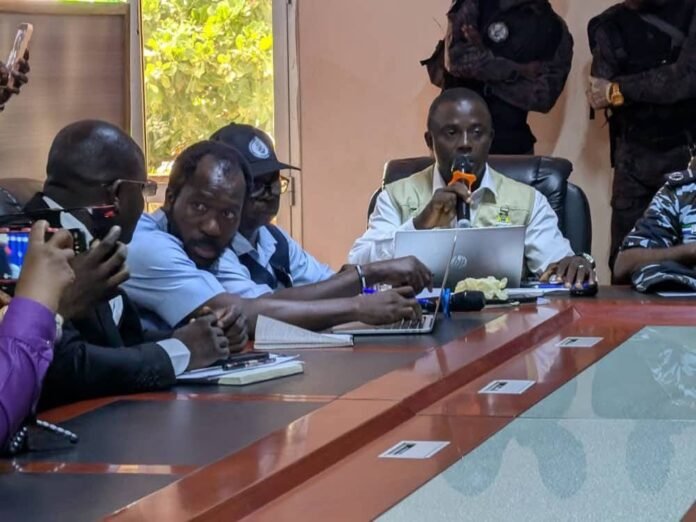
Man in a beige vest speaks into an orange microphone at a conference table, with colleagues on laptops nearby.

The Sierra Leone Ports and Harbours Authority (SLPHA) has reaffirmed its commitment to maritime security, strict port compliance measures, and cooperation with ongoing investigations following preliminary findings into allegations surrounding the vessel MV Acronian, which was reportedly intercepted by Spanish authorities in connection with an alleged cocaine shipment after departing Sierra Leonean waters.

The update was provided during a press conference convened by Sierra Leone’s Security Sector on Wednesday, 20th May 2026, at the Police Officer’s Mess in Kingtom, Freetown, where authorities assured the public that investigations remain active, professional, and comprehensive as efforts continue to establish the facts surrounding the reported incident.

It could be recalled that on 7th May 2026, the Office of National Security (ONS) issued a press release responding to widespread media reports concerning the seizure of cocaine by Spanish authorities from a vessel reportedly registered under the Comoros Islands flag. According to reports, the vessel departed Freetown on 22nd April 2026 before it was intercepted en route to the Mediterranean.

In response to the development, the Government of Sierra Leone, through the Security Sector, constituted an Inter-Institutional Investigative Committee mandated to examine the facts and circumstances surrounding the matter, including any possible links to Sierra Leone.

Chairing the press conference, the Director of Police Operations, Assistant Inspector General of Police, Dr. Martin Senesie, explained that the briefing was intended to update the public on ongoing security operations, particularly the investigation into allegations involving the seized vessel.

Dr. Martin Senesie subsequently invited the Director of Strategic Communications at the Office of National Security, Abdul Karim Will, to present details of the committee’s progress report on behalf of the National Security Coordinator, Abdulai Caulker.

Addressing journalists, Abdul Karim Will reiterated the Security Sector’s commitment to conducting a thorough, transparent, and professional investigation into the allegations, in line with assurances previously given in the ONS press release issued earlier this month.

He explained that the committee had been tasked with verifying the vessel’s identity, ownership, registration, voyage history, and operational activities, including any possible links to Sierra Leonean ports, territorial waters, institutions, individuals, or criminal networks.

According to Abdul Karim Will, investigators are reviewing and analysing relevant evidence associated with the vessel, including cargo manifests, immigration records, customs procedures, maritime logistics operations, intelligence reports, and other relevant documentation linked to the alleged shipment.

He further disclosed that the committee had been mandated to conduct interviews, inspections, verification exercises, and collaborate with foreign authorities and international agencies where necessary in order to establish the facts surrounding the matter.

Additionally, he noted that investigators are assessing potential violations of national and international laws, maritime regulations, and security procedures, including any institutional lapses that may have facilitated the alleged criminal activity.

Abdul Karim Will emphasized that strict confidentiality and evidence management procedures are being maintained throughout the investigation process, adding that periodic updates and a comprehensive final report containing findings, conclusions, and recommendations would be made available upon completion.

Presenting the committee’s preliminary findings, the Head of the Transnational Organized Crime Unit (TOCU), CSP Rev. Michael J.K. Laggah, identified the vessel under investigation as MV Acronian, a ship registered under the flag of the Comoros Islands.

According to CSP Rev. Michael J.K. Laggah, MV Acronian arrived at the Port of Freetown on Friday, 17th April 2026 and departed Sierra Leone on Wednesday, 22nd April 2026, remaining at the port for five days, contrary to widespread claims on social media alleging that the vessel spent approximately fifteen days in Sierra Leonean waters.

He explained that routine inspections and mandatory port clearance, security, and operational procedures were duly conducted on the vessel by relevant state agencies in accordance with their institutional mandates. Preliminary investigations, he stated, revealed no narcotics or prohibited substances onboard the vessel during its stay at the Port of Freetown.

Providing further details on the vessel’s declared cargo, CSP Rev. Michael J.K. Laggah disclosed that records from cargo manifests, terminal documentation, and related port records indicated that MV Acronian departed Freetown carrying 1,151 metric tons of palm kernel cargo, alongside marine diesel fuel and fresh water loaded at the port.

He further revealed discrepancies relating to crew members onboard the vessel, noting that while the ship reportedly departed Sierra Leone with seventeen crew members, reports from Spanish authorities indicated that approximately six additional crew members were onboard at the point of interception.

Addressing concerns raised publicly regarding Serenity Shipping Company, CSP Rev. Michael J.K. Laggah clarified that investigations conducted through the National Investment Board confirmed that no official records exist identifying the company as a registered business entity operating in Sierra Leone.

Following the preliminary findings, the Sierra Leone Ports and Harbours Authority reaffirmed its commitment to safeguarding the integrity of port operations and supporting lawful efforts aimed at combating transnational organized crime, illegal trafficking, and other maritime security threats.

In a statement issued following the briefing, the Authority emphasized that the findings presented by the Security Sector remain preliminary while investigations continue in collaboration with international partners, including Spanish authorities, who have reportedly established direct engagement with Sierra Leonean investigators to support further inquiries.

The Director General of the Sierra Leone Ports and Harbours Authority emphasized that the Port of Freetown continues to operate under established international maritime procedures and security frameworks designed to facilitate legitimate trade while protecting national and international shipping interests.

While acknowledging growing public concern surrounding the matter, the Security Sector concluded the briefing by encouraging members of the public to rely solely on verified information from competent authorities and appealed for credible information that could support ongoing investigations, stressing that the probe remains open as authorities continue efforts to establish the full circumstances surrounding the alleged shipment.

Big Cats, Shared Futures: Why Sierra Leone Should Join the Global Conservation Movement

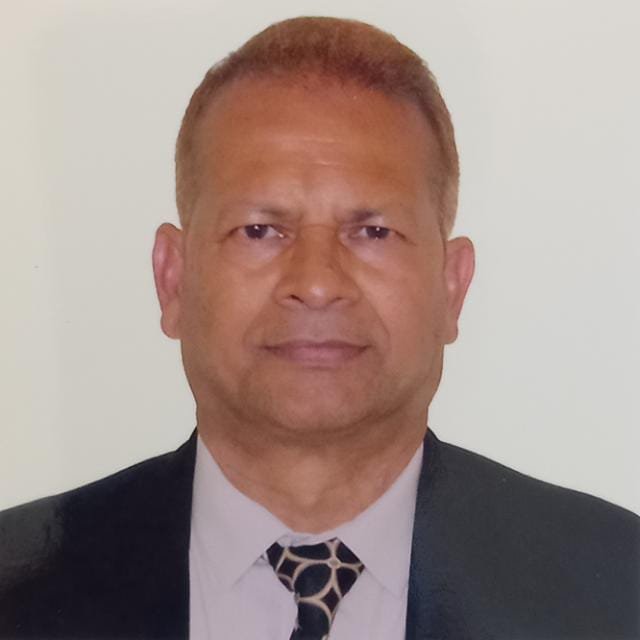
Head-and-shoulders portrait of a middle-aged man in a dark suit and patterned tie, facing the camera against a plain background.
High Commissioner of India to Sierra Leone, Baisnab Charan Pradhan 

By Baisnab Charan Pradhan, High Commissioner of India to Sierra Leone

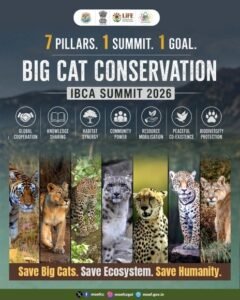
The decision of India to host the First International Big Cat Alliance (IBCA) Summit in New Delhi on 1–2 June 2026 marks a historic moment in global conservation diplomacy. Conceived under the visionary leadership of Prime Minister Narendra Modi, the International Big Cat Alliance reflects the growing realization that the conservation of wildlife is inseparable from the future of humanity, ecological security and sustainable development.

The Summit, themed: “Save Big Cats, Save Humanity, Save Ecosystem,” will bring together Heads of State and Government, Ministers, scientists, conservation experts, financial institutions and community representatives from across the world. It is expected to culminate in the adoption of the landmark “Delhi Declaration” on big cat conservation, setting out a common global vision for the protection of these iconic species and their habitats.

India’s conservation journey offers an inspiring example of what determined political commitment and public participation can achieve. Fifty years ago, the tiger population in India had declined alarmingly. Through initiatives such as Project Tiger, scientific wildlife management, strong legal frameworks and community engagement, India today hosts nearly 75 percent of the world’s wild tigers. India has also made significant advances in the conservation of lions, leopards, snow leopards and cheetahs. This demonstrates that economic growth and environmental stewardship can proceed together.

The International Big Cat Alliance, headquartered in New Delhi, is the first intergovernmental platform dedicated to the conservation of seven major big cat species; lion, tiger, leopard, snow leopard, cheetah, jaguar and puma. Beyond protecting these magnificent animals, the Alliance seeks to preserve biodiversity, strengthen ecosystems, address climate vulnerabilities and improve livelihoods for communities dependent on forests and natural resources.

For countries such as Sierra Leone, participation in such global environmental initiatives carries special significance. Sierra Leone is endowed with remarkable biodiversity and rich forest ecosystems that are vital not only for wildlife but also for water security, agriculture, climate resilience and sustainable livelihoods. The country has consistently demonstrated its commitment to environmental protection and climate action through national conservation policies and international cooperation.

Although Sierra Leone is not traditionally identified as a big cat range country, the broader objectives of IBCA resonate strongly with its environmental priorities. Conservation today cannot be viewed through narrow geographical or species-specific lenses. The degradation of ecosystems anywhere affects ecological balance everywhere. Deforestation, illegal wildlife trafficking, climate change and biodiversity loss are global challenges requiring collective responses.

Participation in the IBCA framework would provide Sierra Leone valuable opportunities for international cooperation, capacity-building, technical exchanges and access to best practices in biodiversity conservation. It would also strengthen South-South cooperation; an area where India and African nations have long enjoyed productive partnerships based on mutual respect and shared development aspirations.

Importantly, IBCA is not merely a conservation initiative. It is also a platform for sustainable development. Healthy ecosystems support tourism, agriculture, water management and rural livelihoods. Across Africa, wildlife conservation has increasingly contributed to economic diversification and community empowerment. The experience of many countries demonstrates that conservation can become an important pillar of green growth.

India and Sierra Leone already enjoy warm and friendly bilateral relations rooted in historical ties, development cooperation and people-to-people connections. Environmental cooperation can become another promising dimension of that partnership. India remains committed to sharing its expertise in wildlife management, biodiversity conservation, digital monitoring systems, afforestation and sustainable ecosystem management with partner countries in Africa.

The upcoming IBCA Summit therefore offers an important opportunity for Sierra Leone to engage with a broad coalition of nations committed to preserving the natural heritage of our planet. The participation of Sierra Leone would symbolize Africa’s continued leadership in global environmental stewardship and reinforce the principle that the protection of nature is a shared international responsibility.

At a time when the world confronts unprecedented ecological challenges, the message of the IBCA Summit is both timely and universal: conservation is not a luxury; it is essential for the survival, prosperity and well-being of future generations. By working together across borders and continents, nations can ensure that humanity and nature thrive in harmony.

The First IBCA Summit in India will not only focus on saving big cats. It will help shape a global movement

PPRC Upholds, Overturns and Orders Re-runs in APC Lower-Level Election Petitions

Logos of the Political Parties Registration Commission and All People's Congress side by side.

By Foday Moriba Conteh

The Political Parties Regulation Commission (PPRC) has delivered its long-awaited ruling on petitions arising from the All People’s Congress (APC) lower-level internal elections, upholding some decisions of the party’s Internal Elections Complaints Board (IECB), overturning others and directing re-runs in several disputed wards across the country.

According to the Commission, the ruling followed extensive hearings conducted in response to petitions concerning APC ward elections held on 21st February 2026. The PPRC noted that the process became necessary after receiving multiple complaints from aggrieved party members challenging IECB decisions and alleged irregularities in the conduct of elections in various wards and constituencies. The Commission disclosed that a total of seventy-two wards across thirty-seven constituencies were petitioned by party members from different regions of Sierra Leone.

The PPRC explained that hearings were conducted in Freetown, Bo, Kono, Makeni and Port Loko between 8th and 18th April 2026, bringing together representatives of the APC National Secretariat, the Internal Elections Management Committee (IEMC), the IECB and petitioners. The Commission stated that the objective was to independently review grievances and determine whether the IECB rulings aligned with fairness, evidence and the APC Constitution.

Among the key decisions reached, the Commission upheld the rerun of elections in Wards 407, 408 and 409 in Constituency 116, Western Area, following an earlier IEMC decision that had gone unchallenged. It directed that the rerun elections be conducted using the APC voter list published on 12th February 2026 and held at designated polling centres approved by the party secretariat.

In Constituency 118, Ward 413, the Commission overturned the IECB decision that had invalidated the election, ruling that allegations of violence affecting the outcome could not be substantiated. The PPRC consequently directed that the election results for the ward stand. Likewise, in Ward 431 of Constituency 125, the Commission reinstated election results after concluding that delays in voting and allegations of disruptions did not materially affect the overall process.

The Commission, however, ordered reruns in several wards where it found breaches of electoral procedures, violence or unlawful changes of polling venues. In Moyamba District, reruns were ordered in Wards 327, 328, 337, 339 and 332 after findings of violence, disruptions and polling venue changes contrary to APC internal election regulations. The PPRC stressed that ward elections must only be conducted at venues designated by the APC National Secretariat, warning that deviations undermined the credibility of the process.

Additionally, the Commission declared vacant the positions of Public Relations Officer and Vice Chairman in Ward 428, Constituency 124, after finding that the elected officials were not resident within the ward as required. It subsequently directed that candidates who placed second in the elections assume the positions. In Ward 435, Constituency 127, the Commission nullified only the election for the position of Public Relations Officer and ordered a rerun after determining that a petitioner had been unfairly denied the opportunity to contest.

The ruling is expected to shape the APC’s internal electoral process as the party seeks to address lingering disputes and strengthen internal democratic accountability ahead of future political engagements.

ECSL Boss Pays Courtesy Visit on SLAJ, Seeks Stronger Media Partnership Ahead of 2028 Elections

Two men posing for a photo while one hands a small certificate to the other, against a backdrop of SLAJ banners.

By Amin Kef Sesay

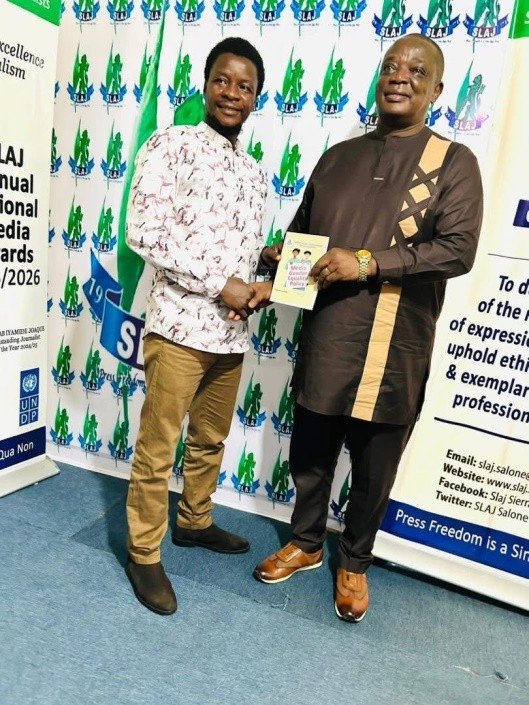
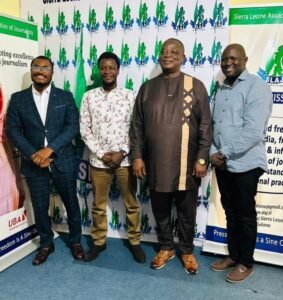
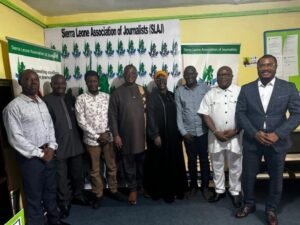
Sierra Leone’s Chief Electoral Commissioner, Edmond Sylvester Alpha of the Electoral Commission for Sierra Leone (ECSL), on Wednesday, 20th May 2026, paid a courtesy visit to the executive of the Sierra Leone Association of Journalists (SLAJ) at its headquarters on Campbell Street in Freetown, in what both institutions described as a strategic engagement aimed at strengthening democratic governance ahead of the country’s 2028 multi-tier elections.

Far from being a ceremonial engagement, the meeting focused on the evolving role of the media in electoral transparency, combating misinformation and sustaining public trust in Sierra Leone’s democratic process.

Speaking during the engagement, Edmond Sylvester Alpha described the Sierra Leone Association of Journalists as the “nervous system” that sustains democracy, emphasizing the pivotal role journalists continue to play in preserving peace and credibility during elections.

He noted that Sierra Leone’s democratic journey, though commendable, remains a work in progress, stressing that modern elections are increasingly shaped by the information ecosystem rather than violence or armed conflict.

“We meet at a critical juncture. Sierra Leone’s journey from a post-conflict state to an emerging democracy remains a work in progress. Our elections are no longer about guns and militias; they are increasingly contested on the volatile battlefield of information,” he stated.

The Chief Electoral Commissioner commended journalists for serving as gatekeepers of truth and maintaining public discourse but warned against the growing influence of misinformation and politically motivated disinformation, especially on social media platforms.

“You are the gatekeepers of truth, the referees of public discourse and the most powerful counterweight against the chaos of misinformation,” Edmond Sylvester Alpha stated, while cautioning that political polarization continues to be fueled by deliberate disinformation campaigns.

He observed that anonymous bloggers and online commentators, many operating without editorial oversight, ethical frameworks or accountability, are increasingly shaping political narratives, often through unverified allegations and sensational content.

While acknowledging the importance of freedom of expression and the opportunities created by digital platforms, he stressed that the spread of fabricated scandals, false narratives and inflammatory content poses serious risks to electoral integrity and national cohesion.

Drawing from lessons learned in previous elections, Edmond Sylvester Alpha disclosed that misinformation has repeatedly undermined public confidence, noting that a single false headline could damage months of logistical planning while viral rumours often delegitimize transparent electoral outcomes.

He emphasized that as preparations intensify for the 2028 elections, the Commission’s primary objective remains the restoration and consolidation of public trust.

According to him, achieving that goal would require strong collaboration with professional media institutions, particularly SLAJ.

The Chief Electoral Commissioner announced that ECSL is proposing a formal partnership with SLAJ anchored on three key pillars. The first, he explained, is a Pre-bunking and Fact-Checking Alliance, through which SLAJ would lead a national coalition of journalists dedicated to proactive fact-checking. Under the arrangement, ECSL would provide journalists with real-time electoral information and procedural clarifications to enable them debunk falsehoods before they gain traction.

The second pillar focuses on the Professionalization of Digital Electoral Coverage, with ECSL encouraging SLAJ to strengthen its code of ethics to explicitly address election reporting on digital and social media platforms. He proposed joint training programmes targeting both mainstream journalists and responsible social media content creators to promote ethical and professional reporting.

The third proposal, described as a Blogger Engagement Framework, seeks to recognize bloggers as important stakeholders while encouraging accountability. Edmond Sylvester Alpha proposed a structured engagement mechanism under SLAJ’s leadership to distinguish responsible commentary from harmful disinformation.

Addressing members of SLAJ, he reiterated that democracy demands active participation and stressed that journalists play an indispensable role in safeguarding peace during elections.

“Every headline you write, every fact you verify and every call you make to ignore sensationalism in favour of accuracy directly contributes to the stability of our nation,” he emphasized.

He added that the 2028 elections would serve as a test of Sierra Leone’s democratic maturity, expressing optimism that both ECSL and SLAJ would stand united in preserving truth, transparency and public confidence.

Responding on behalf of SLAJ, President of the Association, Alhaji Manika Kamara, described the visit as historic and timely, underscoring the significance of strengthening collaboration between the Electoral Commission and the media in safeguarding democracy.

He recalled the longstanding working relationship between SLAJ and ECSL, reaffirming the Association’s commitment to promoting free, fair and credible elections through responsible journalism.

“Our shared goal is clear: free, fair and credible elections anchored in accurate and responsible reporting,” Alhaji Manika Kamara stated.

While acknowledging that some journalists maintain political affiliations, he emphasized that such associations must never compromise the neutrality and integrity of SLAJ as a professional institution.

“Our duty is to the public, not to any political party,” he stressed.

On efforts to address misinformation, Alhaji Manika Kamara revealed that SLAJ is concluding the training of 70 female journalists at Limkokwing University of Creative Technology to strengthen digital reporting and professional standards.

He further disclosed that SLAJ, alongside the Independent Media Commission, the Ministry of Civic Education and other partners, is reviewing the IMC Act to establish a regulatory framework for online media operations without undermining freedom of expression.

Welcoming the proposal for a Memorandum of Understanding between ECSL and SLAJ, he assured the Commission of the media’s readiness to support democratic processes while maintaining professional independence.

The Chief Electoral Commissioner was accompanied by Abubakar Koroma, Commissioner for the North and Alex Saffa, Commissioner for the East. Senior SLAJ officials, including Vice President Richard Ngavoh, Financial Secretary Mohamed Konneh, Public Affairs Secretary Madam Umu Bakarr, and Secretary General Edward Farah Marah, who chaired the meeting, were also in attendance.

Sierra Rutile to Cut Workforce Amid Rising Administrative Costs and Declining Returns

Sierra Rutile logo with a stylized gold lion head inside a black-and-gold triangle, and the words Sierra Rutile below.

Sierra Rutile Limited, currently owned by Leone Oil Company, has announced plans to implement a workforce reduction as part of efforts to realign its operations with prevailing economic realities. The proposed redundancy exercise, which may significantly affect the company’s workforce, forms part of broader measures aimed at reducing operational costs and stabilizing the company amid declining returns on investment and mounting global economic pressures.

The announcement was made on Tuesday, 19th May 2026, as concerns continue to grow over the sustainability of operations at one of Sierra Leone’s leading mining companies.

It could be recalled that Leone Oil Company acquired 100 percent ownership of Sierra Rutile from former owner, Iluka Resources, in 2024, making the company fully Sierra Leonean-owned for the first time in its history.

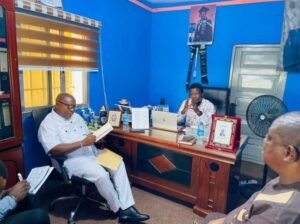
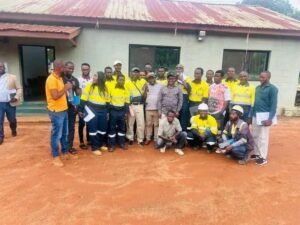
In response to the proposed layoffs, a delegation from the Ministry of Employment, Labour and Social Security, led by Deputy Minister Lansana Dumbuya, visited Sierra Rutile on Tuesday, 19th May 2026, to engage Management and workers on the planned exercise and ensure compliance with labour laws governing redundancy.

Speaking during the engagement, Deputy Minister Lansana Dumbuya clarified that Government’s intervention was intended to safeguard the interests of both workers and Management while fostering dialogue to ensure a peaceful and lawful process.

“Our purpose here is to engage directly with workers and prepare minds for the eventuality. We are not part of the company’s finances but we must ensure that any redundancy process is fair, lawful and conducted amicably,” he stated.

The Deputy Minister noted that global economic uncertainties have negatively impacted commodity prices and investment returns, forcing many companies around the world to undertake restructuring and cost-cutting measures to remain viable.

According to information submitted to the Ministry, Sierra Rutile had anticipated the need for cost reduction over an extended period. The company had previously planned to reduce its workforce from over 2,000 employees to approximately 1,000 workers.

Records indicate that in 2024, about 468 staff members were laid off, while the current redundancy exercise is expected to affect 213 general staff, 80 senior staff and 46 Management personnel.

Deputy Minister Lansana Dumbuya emphasized that while Government remains committed to creating employment opportunities, prevailing economic realities sometimes necessitate difficult decisions to preserve business continuity.

“These companies are not charitable institutions. Investors expect returns and when losses persist, realigning and restructuring become inevitable,” he noted.

He assured workers that the proposed redundancy process would strictly comply with the provisions of Section 82 of the Employment Act 2023 and the Mining Collective Bargaining Agreement Gazette governing redundancy and labour relations within the mining sector.

Deputy Director of Labour and Employment, Abdulai Conteh, explained that Section 82 of the Employment Act, 2023, alongside Article 27 of the Mining Collective Bargaining Agreement Gazette, 2025, clearly outlines the legal framework guiding redundancy procedures.

According to him, Sierra Rutile Management had formally notified the Ministry in line with legal requirements, thereby triggering mandatory consultations with workers and relevant stakeholders to ensure transparency and adherence to labour standards.

“Redundancy is a recognized labour process under the law. Our role as a Ministry is to ensure that all procedures are properly followed and that the rights and welfare of workers are adequately safeguarded,” Abdulai Conteh stated.

He further appealed to workers to remain calm and embrace constructive dialogue as consultations continue between Management, labour authorities and employees.

Meanwhile, Secretary General of the Workers’ Union, Ahmed MK Josiah, welcomed the Ministry’s intervention but expressed disappointment over what he described as delayed communication regarding the proposed layoffs.

“Redundancy has happened before in 2017 and 2024. While we understand the situation, earlier communication would have helped workers prepare better,” he said, while also questioning whether improved conditions of service would accompany the restructuring process.

Several workers also voiced concerns over reductions in staff benefits and operational changes reportedly introduced after Leone Oil Company assumed ownership and management of Sierra Rutile.

Responding to concerns raised by employees, Chief Executive Officer of Sierra Rutile, Lima Suffian Kargbo, disclosed that the redundancy decision was driven solely by financial sustainability concerns.

He revealed that the company currently spends approximately US$2.5 million monthly on fuel and nearly US$1.8 million on logistics, including transportation and staff provisions, despite experiencing limited returns on investment.

“We are not happy about this decision but if we do not cut down costs, the company risks collapse,” Lima Suffian Kargbo explained.

The Chief Executive Officer further disclosed that the workforce reduction would affect approximately 24 percent of general staff, 35 percent of senior staff and 46 percent of management personnel, with implementation expected before the end of May 2026 to enable the company resume operations on a restructured scale in June.

The meeting concluded with assurances from the Ministry of Employment, Labour and Social Security that all affected workers would receive their full redundancy benefits in accordance with the law.

While some employees reportedly expressed willingness to voluntarily exit the company, labour officials clarified that the final determination of affected staff remains solely within the mandate of Management.

Deputy Minister Lansana Dumbuya reassured workers that Government would continue to serve as an impartial mediator to ensure the redundancy process is conducted peacefully, lawfully and respectfully.

NRA and Yada Williams Draw Daggers Over Rental Tax Claims, Legality of Office Sealing Questioned

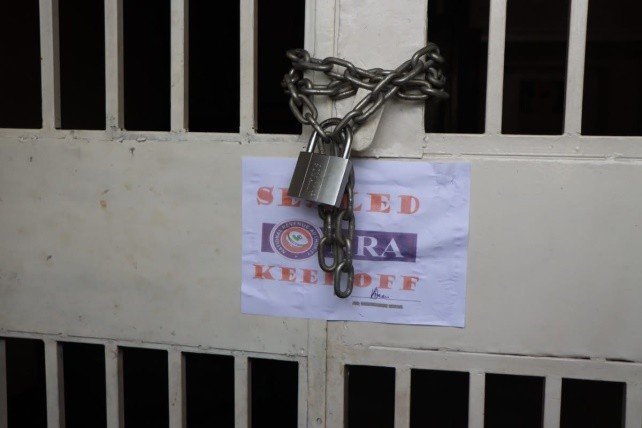
Lock across a metal gate with a heavy chain and padlock; a posted sign reading 'CLOSED' and 'KEEP OFF' behind the bars.

By Amin Kef Sesay

Legal practitioner, Yada Hashim Williams Esq., has strongly challenged the legality of the National Revenue Authority’s (NRA) decision to seal the offices of his law firm, describing the move as unlawful, malicious and carried out in contempt of a High Court injunction, as a growing legal dispute unfolds between the prominent lawyer and the tax authority over alleged rental income tax liabilities linked to a property occupied by the United Nations Development Programme (UNDP).

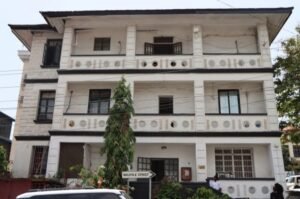
In a public statement issued on Thursday, 21st May 2026, Yada Hashim Williams Esq. alleged that officials of the National Revenue Authority, accompanied by armed police officers, cameramen and photographers, proceeded to seal the offices of Yada Williams & Associates at No. 7 Walpole Street, Freetown, on Wednesday, 20th May 2026, despite what he described as a valid High Court Order restraining such action.

According to the legal practitioner, legal proceedings had already been initiated on 18th May 2026 to challenge the NRA’s claims concerning alleged unpaid taxes, while the injunction obtained from the High Court had reportedly been communicated to the Commissioner-General of the NRA, the Authority’s Director of Legal Affairs and other relevant officials before the enforcement exercise took place. He further claimed that the premises were reopened shortly afterward, which he argued effectively reversed what he termed an illegal action by the Authority.

Addressing the substance of the tax dispute, Yada Hashim Williams Esq. maintained that he does not owe any rental income taxes in relation to a property located at Fourah Bay Close, Off Main Motor Road, Wilberforce, occupied by the United Nations Development Programme. He argued that the tenancy arrangement explicitly provides for taxes to be deducted at source by the tenant before rental payments are remitted to him.

According to Yada Hashim Williams Esq., the United Nations Development Programme has occupied the property since September 2018 under several tenancy agreements, all of which reportedly stipulate that rent payments are made net of Government of Sierra Leone taxes on rents. He explained that under the arrangement, applicable taxes are withheld by the tenant before rent is paid to him, noting that copies of the tenancy agreements had already been submitted to the National Revenue Authority on 4th March 2026.

Yada Hashim Williams Esq. further cited Section 120 of the Income Tax Act No. 8 of 2000 and Section 11 of the Finance Act No. 2 of 2018, arguing that Sierra Leonean law imposes a mandatory obligation on institutional tenants to withhold taxes on rent payments made to landlords. He maintained that the arrangement involving the United Nations Development Programme was legally mandated and not optional.

The legal practitioner also questioned the legality of the NRA’s decision to seal his law offices at Walpole Street rather than the Wilberforce property from which the alleged rental income was derived. According to him, provisions of the Income Tax Act authorize enforcement actions against premises directly connected to unpaid rental income tax obligations and not unrelated properties.

He further accused the National Revenue Authority of acting in a manner he described as high-handed and lacking factual and legal basis, while vowing to challenge the Authority’s actions through all lawful means available to him.

However, the National Revenue Authority has defended its enforcement action, stating that the sealing of the legal practitioner’s office was undertaken over what it described as outstanding rental income tax liabilities spanning from 2019 to 2025. The enforcement action reportedly affected the offices of Yada Williams & Associates at No. 7 Walpole Street and was linked to rental income generated from the Wilberforce property occupied by the United Nations Development Programme.

The Authority disclosed that the action was carried out through its Domestic Tax Department pursuant to Section 155A of the Income Tax Act 2000 and Section 50(1) of the Goods and Services Tax Act 2000, as amended. According to the NRA, the Commissioner-General had established reasonable grounds to believe that the taxpayer failed to remit the correct taxes allegedly owed to the Government of Sierra Leone.

In correspondence dated 13th May 2026, the National Revenue Authority reportedly argued that tenancy arrangements involving the United Nations Development Programme do not extinguish or nullify statutory tax obligations imposed on landlords under Sierra Leonean law. The Authority further clarified that while the UNDP enjoys diplomatic privileges and immunities, such protections do not exempt private property owners from meeting their tax obligations to the state.

According to the Authority, Yada Hashim Williams Esq. had been instructed to settle the alleged outstanding liability by Friday, 15th May 2026, with a warning that failure to comply could result in enforcement actions, including sealing or restricting access to office and residential premises associated with the taxpayer anywhere within Sierra Leone.

The NRA further noted that additional enforcement measures in cases of continued non-compliance could include garnishment of bank accounts, travel restrictions, prevention from clearing goods through the country’s ports, publication of taxpayers’ names in newspapers and electronic media, as well as legal proceedings through the courts. It emphasized that payment of alleged outstanding obligations could be made through the Integrated Tax Administration System (ITAS), stressing that the matter would only be deemed resolved upon full settlement of the tax debt.

Meanwhile, the National Revenue Authority has reiterated the importance of compliance among landlords and taxpayers receiving rental income, emphasizing that adherence to tax regulations remains vital to strengthening domestic revenue mobilization, accountability, and national development financing.

The matter is now expected to proceed through the courts, as both the National Revenue Authority and Yada Hashim Williams Esq. maintain sharply contrasting positions over the legality of the enforcement action and the interpretation of rental income tax obligations under Sierra Leonean law.