
By Ibrahim Sesay
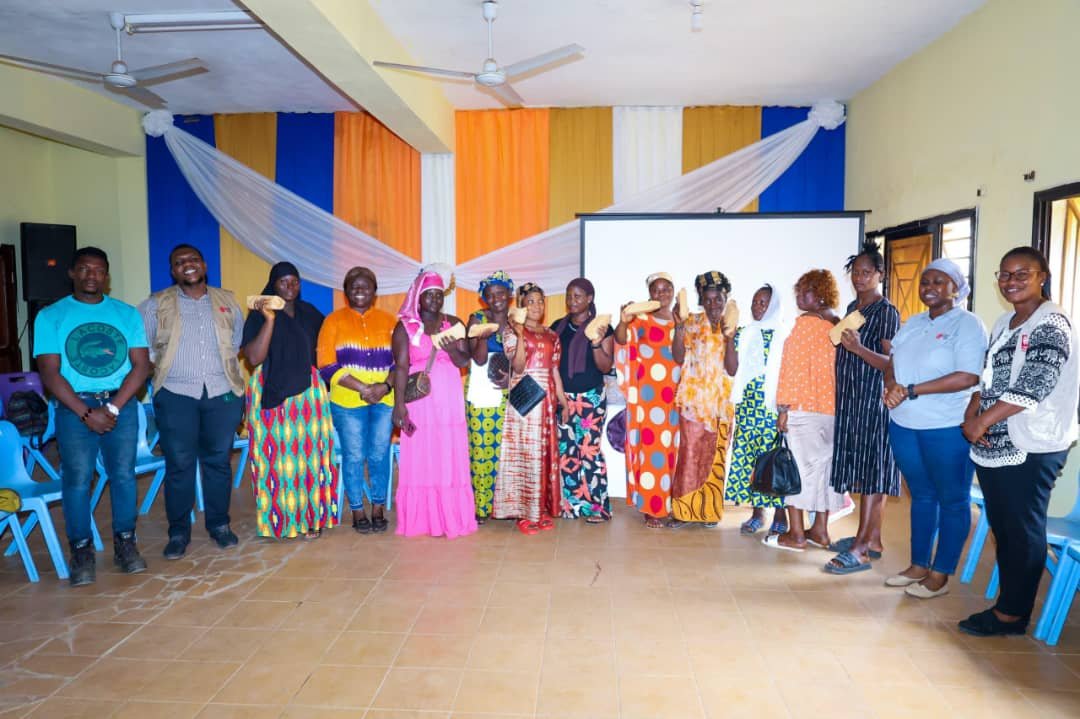
Caritas Freetown has organized a one-day training on small-scale business development and financial management for ten women from several communities in the Western Area Rural District and provided them with startup funds to begin small businesses.
The training, held at Hastings Twin Hall on March 10, 2026, forms part of a project aimed at strengthening behavioral change on Sexual and Gender-Based Violence (SGBV) prevention, improving access to justice and enhancing the wellbeing of vulnerable survivors in the district, which is supported by Manos Unidas.
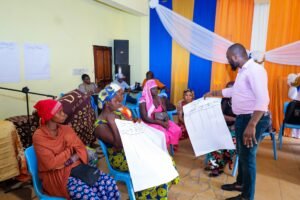
Participants from communities including Makanba, Newton, Maintakeh, Bolima, Makombay, Makimba and others were taught how to start and manage small businesses. The sessions covered basic financial management, including record keeping, budgeting, managing profits and expenditures, and identifying common financial mistakes.
Project Manager, Lucky Bah, said the training is part of a broader intervention under the SGBV program being implemented by Caritas Freetown. According to him, the project focuses on three key areas: raising awareness about SGBV in schools and communities, strengthening the capacity of the police to respond to cases and empowering survivors through training and other forms of support.
Lucky Bah explained that the small-scale business training is being implemented as a pilot initiative aimed at helping parents of survivors pursue justice.
“Before now, we were not providing support to women whose children have been abused,” he said. “But we realized that parents of victims are often financially constrained to follow up on their cases. This sometimes leads to cases being stalled and eventually closed.”
He noted that the organization had been providing transportation refunds to help some parents do follow up on cases but described the approach as unsustainable.
“For this reason, we decided to test a new approach by selecting ten women from different communities and providing them with capital to start small businesses,” Lucky Bah explained. “Part of the profit from these businesses can then be used as transport fare to help them follow up on their SGBV cases.”
He added that the organization will monitor the beneficiaries after the distribution of funds to ensure the money is used for the intended purpose.
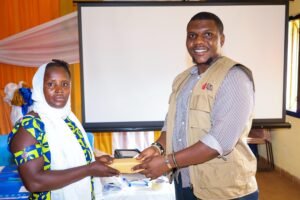
Following the training, participants were given startup funds to begin their small-scale businesses.
Isata Mansaray, one of the participants, said the program has given her the confidence to start a small business and better manage her finances.
“Before the training, I had ideas about doing business but I did not know how to properly plan and budget,” she said. “Now I understand how to keep records of my income and expenses and how to grow a small business step by step.”
Another beneficiary, Fatmata Koroma, described the training as an important opportunity for women in the communities.
“Many women struggle with managing the little money they earn because they have never been taught basic financial management,” she said. “This training has taught us how to save, budget and invest in small businesses. I believe the knowledge we gained will help many of us improve our livelihoods.”
The initiative is expected to strengthen the economic resilience of beneficiaries while enabling parents of survivors to actively pursue justice in Sexual and Gender-Based Violence cases.