

By Amin Kef (Ranger)
Sierra Leone’s mining sector has recorded a significant milestone in national economic performance, with total mineral exports reaching USD 1.3 billion in 2025, reflecting a 16 percent increase compared to 2024. The latest performance report, presented by the Minister of Mines and Mineral Resources, Julius Daniel Mattai, paints a picture of a resilient and rapidly evolving sector that is increasingly central to the country’s economic stability and long-term growth ambitions.
The growth, which represents an additional USD 180 million in export earnings within a year, underscores the mining sector’s role as Sierra Leone’s largest source of foreign exchange. It also reflects a broader transformation underway, as the country shifts from heavy dependence on diamonds toward a more diversified mineral economy anchored by iron ore, bauxite, gold and mineral sands. Over a three-year period, the sector has recorded cumulative growth of 44 percent, demonstrating its capacity to withstand global commodity price fluctuations and adapt to changing market conditions.
Iron ore continues to serve as the backbone of Sierra Leone’s mining exports, accounting for approximately 69 percent of total export value. Major operators, including Kingho Mining Company Limited and Marampa Mines Limited, have maintained consistent production levels, ensuring stable revenue flows despite volatility in international prices. The strategy, according to sector authorities, has been to prioritize production stability and sustain export volumes while global prices gradually stabilize.
While iron ore remains dominant, the most notable developments have occurred in other mineral segments, particularly bauxite and gold. Bauxite production is projected to increase significantly, rising from 6.3 million tonnes in 2026 to 11 million tonnes by 2027. That expansion is largely driven by the Mokanji Development Project, which is expected to play a transformative role in boosting output, creating jobs and increasing export earnings.
Gold production is also set for remarkable growth, with projections indicating a surge from 16,000 ounces in 2026 to approximately 380,000 ounces by 2027 as underground mining operations reach full capacity. This sharp increase represents one of the most dramatic shifts in Sierra Leone’s mining history and positions gold as a major future contributor to national revenue.
The diversification of the mining sector has become even more evident as diamond exports continue to decline due to a downturn in global luxury markets. Several major diamond mining operations are currently on care-and-maintenance status, preserving infrastructure and workforce capacity while awaiting improved market conditions. Despite this setback, gains in bauxite, gold and mineral sands have effectively offset the decline, ensuring overall sector growth remains strong.
In addition to export performance, the mining sector’s contribution to Government revenue has shown steady improvement. Non-tax revenue, which includes license fees and royalties, rose to USD 55.8 million in 2025, representing a 13 percent increase from the previous year. Projections indicate that this figure could rise to USD 65 million in 2026, with the possibility of reaching between USD 70 million and USD 75 million if key expansion projects progress as planned.
The increase in revenue has been supported by improved regulatory efficiency and enhanced compliance measures. In 2025, the Government issued seven large-scale mining licenses, eight small-scale licenses, and twenty exploration licenses, signaling strong investor confidence in the country’s mineral potential. More than 1,000 artisanal mining licenses were also granted, with improved monitoring systems contributing to a 31 percent increase in revenue from this segment despite a reduction in license numbers.
Employment within the mining sector continues to expand, with more than 15,500 workers currently engaged in formal operations. Notably, over 92 percent of those jobs are held by Sierra Leonean nationals, highlighting the sector’s contribution to local content and workforce development. Projections indicate that employment could rise to over 20,000 jobs by 2027, driven by expansion activities in bauxite, gold and mineral sands operations.
The impact of that growth extends beyond direct employment, as mining activities stimulate local economies, support supply chains and improve livelihoods in mining communities. Increased purchasing power among workers has contributed to growth in sectors such as retail, transportation and agriculture, reinforcing the mining industry’s role as a key driver of inclusive economic development.
Despite the positive outlook, the report identifies several challenges that must be addressed to fully unlock the sector’s potential. Those include gaps in inter-agency coordination, inconsistencies in legal frameworks and the absence of international pricing benchmarks, which can affect revenue transparency and efficiency. Authorities have emphasized the need for urgent reforms, including the establishment of a coordinated institutional framework and the deployment of digital systems to improve monitoring and compliance.
The Government has already begun implementing measures to strengthen oversight, including the rollout of the Mines and Minerals Management System, which is expected to enhance real-time tracking of production and exports while reducing revenue leakages. Additional reforms aimed at harmonizing mining laws and improving payment efficiency are also under consideration.
Looking ahead, Sierra Leone’s mining sector is poised for significant expansion, supported by an investment pipeline exceeding USD 500 million between 2026 and 2028. That influx of capital is expected to drive large-scale projects in gold, bauxite and mineral sands, while maintaining steady output in iron ore production.
Projections indicate that total mineral exports could nearly double, reaching between USD 2.0 billion and USD 2.5 billion annually by 2028. That anticipated growth is expected to strengthen the country’s macroeconomic position, increase Government revenues and create additional employment opportunities across the value chain.
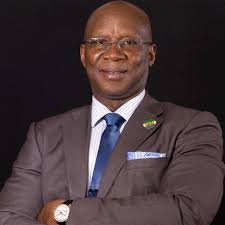
Minister Julius Daniel Mattai emphasized that while the sector’s performance is encouraging, sustained growth will depend on strategic policy decisions and effective coordination among key institutions. He noted that the Government remains committed to ensuring that the benefits of mining are translated into tangible improvements in the lives of citizens, including investments in infrastructure, education and healthcare.
The report also highlights the importance of inclusive growth, particularly the need to increase female participation in the mining workforce to meet national gender equality targets. Current levels remain below the 30 percent benchmark, prompting calls for targeted interventions to promote greater inclusion in the sector.
As global demand for minerals continues to evolve, Sierra Leone’s focus on diversification, value addition and investment in infrastructure positions it well to compete in international markets. The transition from a diamond-dependent economy to a diversified mineral portfolio represents a critical step toward long-term economic resilience.
The mining sector’s performance in 2025 reflects a broader narrative of transformation and opportunity. With strong export growth, rising revenues and expanding employment, the industry is increasingly seen as a cornerstone of Sierra Leone’s development agenda.
Looking ahead, the country faces the critical task of sustaining that momentum, strengthening governance frameworks and ensuring that its mineral wealth delivers inclusive and sustainable growth. The trajectory outlined in the latest report indicates that Sierra Leone is steadily advancing toward that goal, with the mining sector at the forefront of efforts to build a more prosperous and resilient economy.
With global demand for minerals continuing to evolve, particularly in emerging markets, Sierra Leone’s strategic focus on diversification and value addition is expected to strengthen its resilience and enhance its competitiveness. The coming years will be critical in determining whether the country can fully capitalize on that momentum and translate its mineral wealth into broad-based prosperity.
The story unfolding within Sierra Leone’s mining sector is one of resilience, innovation and ambition. It is a story that reflects not only the strength of the industry but also the determination of a nation striving to turn its natural resources into lasting economic opportunity for all.