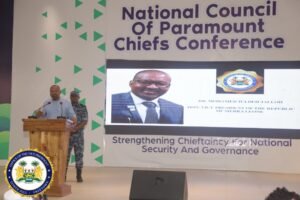

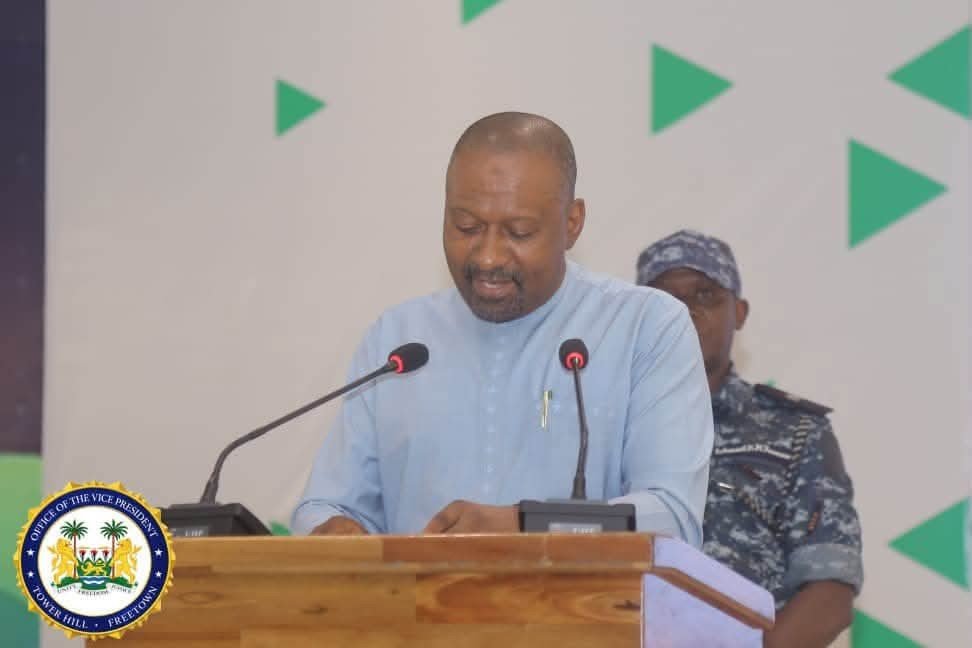
Sierra Leone’s Vice President, Dr. Mohamed Juldeh Jalloh, has described the Proportional Representation (PR) system as one of the world’s most widely used electoral models, saying it promotes inclusive representation and ensures that all segments of society have a voice in governance, saying it promotes inclusive representation and ensures that all segments of society have a voice in governance.
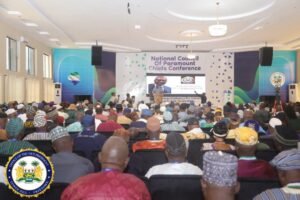
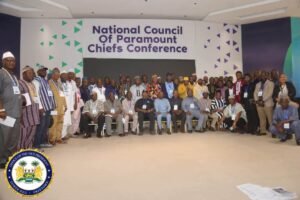
This assertion, made at the National Council of Paramount Chiefs Conference on Security and Governance in Bo City on Friday, 31 July 2026, which also discussed electoral reforms, has reawakened the debate about what electoral system might work for Sierra Leone.
The occasion also examined Sierra Leone’s electoral future by exploring options including Proportional Representation and the First-Past-The-Post system, with participation from the Electoral Commission for Sierra Leone (ECSL), National Civil Registration Authority, international partners, civil society organisations and government institutions.
In February this year, the country’s Attorney General and Minister of Justice, Alpha Sesay Esq., stated that the adoption of the PR electoral system has saved the country an estimated NLe20 million ($841,042) by eliminating the need for parliamentary by-elections.
Meanwhile, current data from the Inter-Parliamentary Union, the world’s oldest and largest international organization of national parliaments, shows that 76 countries use proportional representation for their lower house of parliament, compared with 62 using plurality or majority systems and 35 using mixed systems, making PR the single most common electoral system category globally.
Some observers have also maintained a cautious stance on the matter. While acknowledging the financial savings and reduction in by-election-related tensions and violence cited by the government, some opposition politicians have expressed reservations about the broader political implications of the PR system.
Addressing the question around the broader implications of the PR system, Dr. Juldeh Jalloh, with experience in researching electoral systems and election management in over 14 countries across the world, argued that the PR system was particularly effective in advancing women’s political participation by creating greater opportunities for them to secure elective positions.
“The proportional representation system is the best-suited electoral system for guaranteeing women’s representation and ensuring inclusive representation,” he said, stressing the importance of an electoral framework that promoted fairness, equality, and wider citizen participation.
The political scientist and governance expert also noted that countries adopted electoral systems that best suited their democratic needs, adding that proportional representation remained a preferred model for Sierra Leone because it broadened political participation and reflected the diversity of the electorate.
Back in the conference hall in Bo, which represented a significant opportunity for traditional leaders from across the country to interact, share experiences, and strengthen national cohesion, the Vice President commended ECSL and other stakeholders for their commitment to strengthening the country’s democratic processes, reaffirming the government’s commitment under President Dr Julius Maada Bio to promoting democratic governance, inclusion, and equal participation.