
The Electoral Commission for Sierra Leone (ECSL) has completed the technical preparation of a Political and Electoral Education Curriculum for universities, marking significant progress in efforts to strengthen civic awareness and democratic participation among young people.
The initiative forms part of the implementation of Recommendation 13 of the Tripartite Committee, which calls for the integration of electoral and political education into university programmes across Sierra Leone.
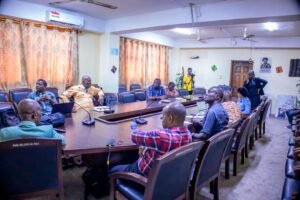
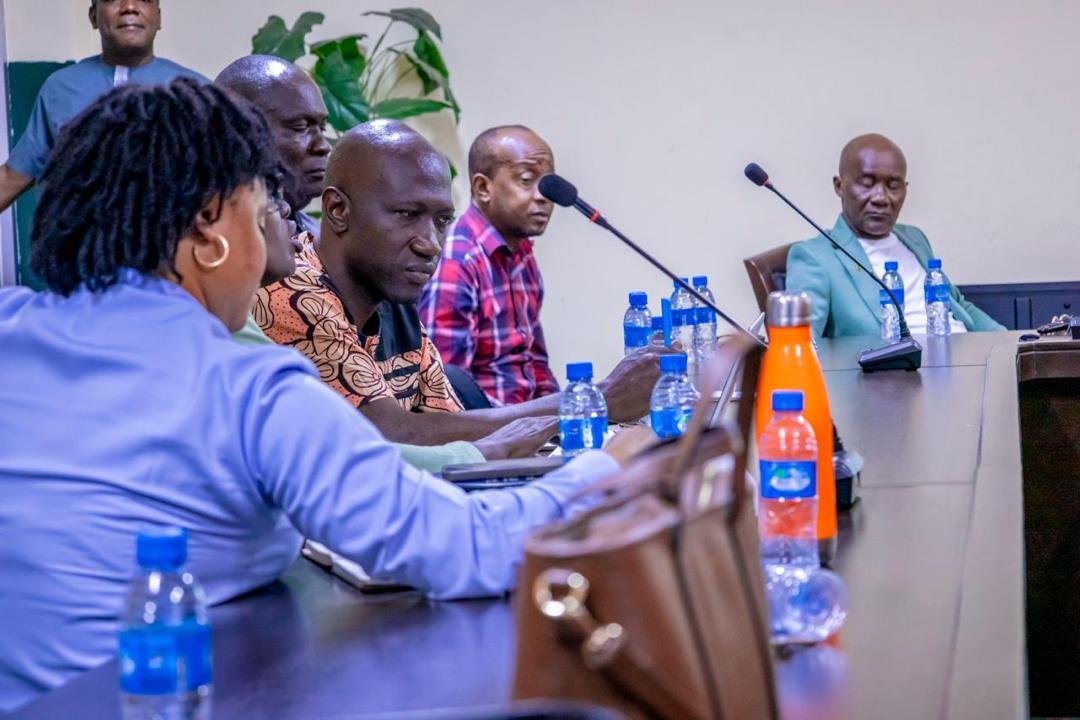
The ECSL Technical Working Team concluded its final curriculum meeting on Wednesday, 26 August 2026, at the new Institute of Public Administration and Management building named after Professor Dr. Ekundayo J.D. Thompson.
The meeting concentrated on consolidating the curriculum and preparing the final draft for presentation to a wider plenary session involving Vice Chancellors, Principals and curriculum experts from tertiary institutions across Sierra Leone.
Members of the Technical Working Team reviewed and strengthened the contributions and technical inputs submitted by ECSL staff. They also ensured that the Commission’s proposals were properly incorporated into the curriculum and aligned with acceptable academic standards.
The final document is expected to provide university students with a deeper understanding of Sierra Leone’s political and electoral systems. Key areas include democratic principles, electoral laws and procedures, voter participation, political rights and responsibilities, electoral integrity and peaceful political engagement.
Students will also receive education on the role of citizens in democratic governance, respect for electoral outcomes, responsible political communication and the dangers of violence and misinformation.
According to the objectives of the initiative, the curriculum will equip students with the knowledge and critical-thinking skills required to make informed decisions and participate responsibly in political and electoral processes.
Universities are expected to play a greater role in promoting civic responsibility, tolerance, accountability, national cohesion and peaceful democratic participation among young Sierra Leoneans.
Young people constitute a significant proportion of Sierra Leone’s population and electorate. Improving their knowledge of elections, democratic institutions and governance is therefore considered essential to building a more informed, peaceful and responsible society.
The initiative could also help address political intolerance, electoral violence and the spread of misinformation, particularly among young voters. Through structured academic instruction, students will be encouraged to examine political issues critically, verify information and participate in national affairs without resorting to violence or hate speech.
The Technical Working Team said the latest engagement provided a clear roadmap for resolving the remaining issues and ensuring that the curriculum is comprehensive, academically sound and responsive to Sierra Leone’s electoral and governance environment.
Completing the technical work ahead of the plenary is also expected to make the validation exercise more focused, efficient and productive by reducing the amount of time needed to discuss outstanding matters.
The curriculum will now proceed to the plenary stage for final validation by university leaders and academic experts before its anticipated introduction in tertiary institutions.
Its successful completion represents another major milestone in implementing Tripartite Committee Recommendation 13 and institutionalizing Political and Electoral Education within Sierra Leone’s universities.