
The Director General of the Sierra Leone Civil Aviation Authority (SLCAA), Musayeroh Barrie, has called for stronger commitment to aviation security, adequate resource allocation and greater recognition of aviation security professionals, describing the sector as a strategic investment in human lives, national security and economic growth.
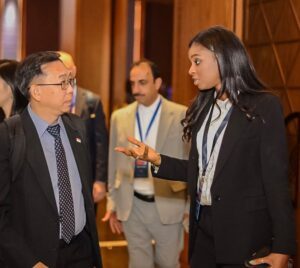
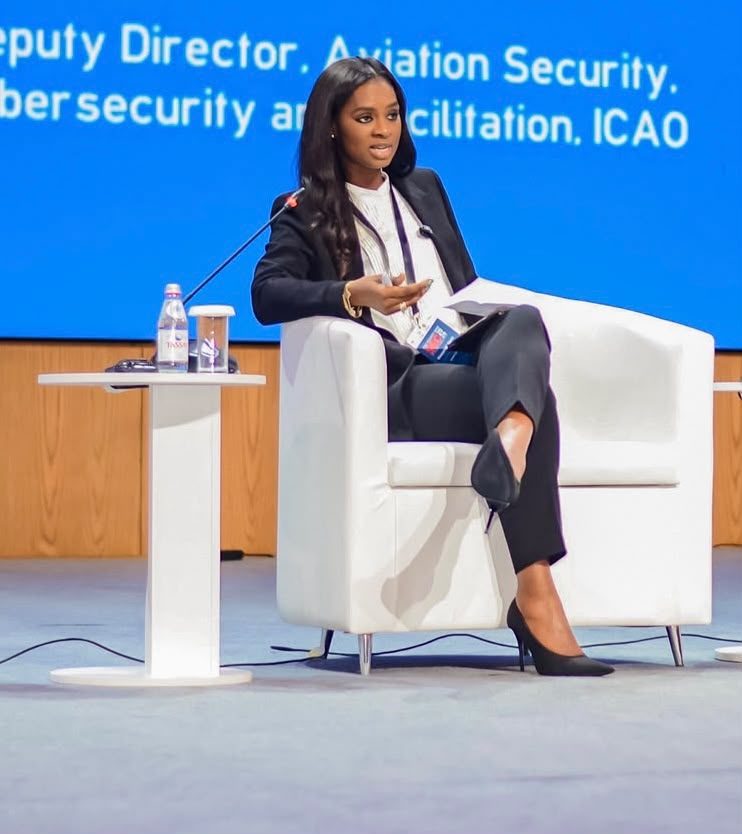
Musayeroh Barrie made the call during the International Civil Aviation Organization (ICAO) Security Week, held from 20 to 22 October 2026 in Astana, Kazakhstan, where she highlighted the critical role of aviation security in protecting passengers, aircraft and airports, while urging Governments and aviation stakeholders to guard against complacency and ensure that security remains a national priority.
In a post on X, following her participation in the event, she stated that “aviation security is a strategic investment in lives, national security and economic growth.” She further stressed that security is everyone’s responsibility and that complacency is not an option.
Drawing on nearly four years as Director General of the SLCAA and more than 11 years previously spent heading the aviation security department at Sierra Leone’s only international airport, Musayeroh Barrie said her professional experience had given her a deep understanding of the importance of security to the aviation industry.
She explained that aviation security professionals worked continuously, often without public recognition, to protect people travelling by air. Although their work is essential to the safe operation of flights, she observed that the effectiveness of security arrangements could sometimes cause the public to overlook the effort and expertise behind them.
She argued that aviation security deserves recognition comparable to other essential national services because its contribution extends beyond airports and aircraft to the protection of human lives and the wider security of the state.
She described her participation in the conference as an opportunity to bring aviation security into sharper focus, encourage greater professional engagement and strengthen the collective understanding of the responsibilities involved in safeguarding civil aviation.
The SLCAA Director General also acknowledged the participation of Sierra Leone’s Director of Aviation Security and two aviation security inspectors who accompanied her to the conference. She used the occasion to underline how working in aviation security could shape a professional’s discipline, thinking and approach to responsibility, explaining that security is not simply a department within the aviation system but a culture that had to inform everyday operations.
According to Musayeroh Barrie, this understanding had helped make aviation security central to her leadership approach at the SLCAA. She said the Authority’s commitment is reinforced by the Sierra Leone Government’s support for aviation security and the broader development of the country’s aviation sector.
She maintained that Government’s commitment is particularly important in ensuring that civil aviation authorities have the resources needed to carry out their responsibilities effectively. While acknowledging that resources are limited, she said Authorities have to identify their most pressing needs, assess the risks they face and direct available resources towards the areas requiring urgent attention.
Musayeroh Barrie emphasized that aviation security could not be treated as an optional responsibility or merely one item competing for attention among other institutional priorities. Instead, she said, it requires deliberate leadership, sustained investment and a clear understanding of the consequences of security failures.
She also highlighted the importance of integrating aviation security with other areas of civil aviation, particularly aviation safety, through regular briefings, coordinated planning and information sharing. Such cooperation, she said, helps Authorities make informed decisions, identify vulnerabilities and protect national interests.
Reflecting on discussions at the conference, Musayeroh Barrie recounted an exchange with the Secretary General of the African Civil Aviation Commission, who had remarked that aviation security personnel were rarely seen. She explained that the limited visibility of security professionals was partly rooted in a traditional culture of confidentiality and discreet operations.
However, she said Sierra Leone had been working to encourage greater integration across the aviation sector, ensuring that relevant institutions understood one another’s responsibilities and worked together to address common challenges.
Musayeroh Barrie said effective information sharing did not diminish the importance of confidentiality. Rather, appropriate coordination enabled aviation authorities to respond more effectively to threats while maintaining the safeguards required to protect sensitive security information.
She stressed that aviation security activities even when they appear routine could have lifesaving consequences. Security professionals might work largely behind the scenes, but their contribution is fundamental to the safe and secure operation of flights.
For that reason, she called for greater recognition, professional support and investment in the people responsible for aviation security. She also warned against neglecting succession planning and the development of a new generation of qualified security professionals.
Musayeroh Barrie said countries need to train and prepare younger professionals to take over from those currently serving, noting that a failure to develop the next generation could leave the aviation sector exposed to serious vulnerabilities.
She encouraged more people to consider careers in aviation security, explaining that although the profession requires discipline and strict adherence to procedures, it offers an important opportunity to contribute to national development and the protection of human life.
The Director General further stressed that countries seeking economic growth, increased tourism and stronger trade links have to recognize the importance of aviation security. A secure aviation system, she indicated, is essential to maintaining confidence in air transport and supporting the movement of people and goods.
On compliance with international standards, Musayeroh Barrie said ICAO provides an important framework for states, but each country has a responsibility to understand its own security environment, identify specific risks and implement appropriate measures.
She noted that security threats and vulnerabilities differ from one country to another, meaning that states could not rely solely on international standards without examining their own circumstances. Risk assessments, she said, are necessary to establish priorities and ensure that available resources are used effectively.
Musayeroh Barrie acknowledged the value of international benchmarks while explaining that implementation could vary according to national conditions and risk profiles. What matters, she said, is that each state takes its responsibilities seriously and put effective measures in place to meet the required standards.
She also encouraged greater regional cooperation among civil aviation Authorities, particularly across Africa. Referring to collaborative initiatives involving the African Civil Aviation Commission, Musayeroh Barrie said she had signed memoranda of understanding with several civil aviation Authorities, especially those in neighbouring countries.
She explained that such agreements created opportunities for Authorities to exchange expertise, strengthen professional relationships and support one another when challenges arose. In her view, regional collaboration is an important means of improving compliance and strengthening aviation security capacity.
Musayeroh Barrie further emphasized that a country’s responsibility does not end with securing its own airports. Sierra Leone, she said, also has a duty to ensure that aircraft departing its territory remains safe and secure throughout its journey.
She described that responsibility as one of the reasons aviation security remains personally important to her, stressing that the work has to be sustained and continuously improved to protect the integrity of the wider aviation system.
During a question and answer session, Musayeroh Barrie raised concerns about balancing airport commercialization with security requirements. Addressing the Chief Executive Officer of Almaty International Airport, she asked how airport operators could protect commercial interests and profitability while responding to changing security threats.
She explained that an excessive focus on commercial activities, particularly in landside airport operations, could create security vulnerabilities if not properly managed. Commercial spaces can attract people who are not travelling, potentially increasing the number of individuals around airport facilities and creating challenges for the monitoring and control of access.
Musayeroh Barrie therefore urged airport operators to ensure that commercial development does not undermine security procedures. While recognizing the importance of revenue generation and profitability, she maintained that security considerations must remain central to airport management decisions.
Her intervention reinforced her wider argument that aviation security should be treated as a fundamental operational responsibility rather than a cost or administrative requirement that could be subordinated to commercial objectives.
The ICAO Security Week provided Musayeroh Barrie with an opportunity to exchange experience, discuss emerging challenges and strengthen professional cooperation on aviation security. Her contributions highlighted the need for effective leadership, Government commitment, adequate resources, regional partnerships and sustained investment in professional training.
For Sierra Leone, Musayeroh Barrie’s participation also offered an opportunity to present the country’s approach to aviation security and underline the importance of aligning national priorities with international standards while responding to local risks.
Her central message was that aviation security must remain a shared responsibility, supported by Governments, regulators, airport operators and trained professionals. As the aviation industry continues to support international connectivity, trade and tourism, she maintained that protecting lives and safeguarding the sector must remain a priority.