

The Sierra Leone Association of Journalists (SLAJ) has renewed its demand for justice, accountability and stronger legal protection for media practitioners, warning that persistent attacks, intimidation and harassment against journalists pose a serious threat to press freedom, democratic governance and the public’s right to information.
In a strongly worded statement issued on Monday, 2 November 2026, to commemorate the International Day to End Impunity for Crimes Against Journalists, SLAJ called on the Government of Sierra Leone, security institutions, the Judiciary and other relevant stakeholders to take decisive action against individuals responsible for crimes targeting journalists.
The Association stressed that attacks against media practitioners must not be allowed to go unpunished, regardless of the status, position or influence of those implicated.
This year’s international commemoration, held under the theme “Threats Evolve. Impunity Endures,” highlights the changing nature of threats confronting journalists worldwide and the continuing failure of authorities to ensure accountability.
According to SLAJ, violence against journalists extends beyond physical assaults to include arbitrary detention, intimidation, online harassment, digital threats and legal pressures intended to discourage independent reporting.
The Association warned that every unresolved attack against a journalist undermines public confidence in democratic institutions, encourages self-censorship and emboldens individuals seeking to suppress critical journalism.
Citing figures from the United Nations Educational, Scientific and Cultural Organization (UNESCO), SLAJ disclosed that 189 journalists were killed in violent attacks worldwide during 2024 and 2025, while 86 percent of journalist killing cases recorded since 2006 remain unresolved or abandoned.
The Association described the figures as evidence of a serious global accountability crisis requiring urgent intervention by Governments and international institutions.
SLAJ also endorsed a joint statement issued by the African Union Commission and the Federation of African Journalists, which urged African Governments to strengthen national mechanisms for protecting journalists, investigate attacks and prosecute perpetrators.
The statement further highlighted the growing dangers faced by women journalists, particularly online harassment, sexualized threats and technology-facilitated gender-based violence.
While acknowledging Sierra Leone’s progress in strengthening press freedom, SLAJ maintained that significant legal and institutional reforms remain necessary to protect journalists from intimidation and unlawful interference.
The Association recalled the historic repeal of the criminal and seditious libel provisions of the 1965 Public Order Act in 2020, describing the development as an important milestone in the country’s democratic advancement.
However, SLAJ cautioned that the repeal must be complemented by stronger constitutional safeguards, effective law enforcement and judicial accountability to prevent other legal provisions from being used to restrict legitimate journalism.
Particular concern was expressed over certain provisions of the Cyber Security and Crime Act, 2021, which the Association believes require amendments to prevent their potential misuse against journalists investigating matters of public interest.
SLAJ acknowledged the importance of legislation addressing genuine cybercrime but insisted that such laws must not become instruments for suppressing criticism, investigative reporting or legitimate public commentary.
The Association is consequently urging Parliament and relevant authorities to engage media organisations and civil society stakeholders in reviewing provisions that could undermine freedom of expression.
Another major priority identified by SLAJ is the inclusion of a dedicated Chapter 12 on Mass Media Freedom and Freedom of Expression in Sierra Leone’s proposed new Constitution.
The Association disclosed that the proposed chapter has recently undergone stakeholder validation, marking an important development in its campaign for stronger constitutional guarantees.
According to SLAJ, the proposed provisions would strengthen legal protection for journalists, reinforce media independence and safeguard citizens’ rights to freedom of expression and access to information.
The Association believes that constitutional recognition of those freedoms would help consolidate the gains achieved through the 2020 repeal of criminal and seditious libel laws.
SLAJ further emphasized that journalists must be able to investigate wrongdoing, question public officials and report on sensitive national issues without fear of retaliation.
The Association also announced ongoing discussions with relevant security authorities to review the Memorandum of Understanding signed between SLAJ and Sierra Leone’s security sector on 2 November 2020.
The agreement, facilitated under the auspices of the Office of National Security, was designed to improve cooperation between journalists and security personnel, particularly during public order operations and other sensitive assignments.
Six years after its signing, SLAJ believes the agreement requires renewed attention to assess implementation, strengthen existing commitments and address emerging security challenges.
The Association maintained that constructive engagement between media practitioners and security institutions remains essential to preventing unnecessary confrontations and ensuring that journalists can perform their duties safely.
It specifically called on security agencies to respect the professional responsibilities of journalists covering elections, demonstrations, protests and other politically sensitive events.
SLAJ insisted that journalists should not be treated as participants in the activities they cover or subjected to intimidation because of their reporting assignments.
As part of its renewed campaign, SLAJ outlined eight priority areas requiring urgent action from the Government, Parliament, law enforcement institutions, media owners and other stakeholders.
These include prompt and impartial investigations into attacks against journalists, prosecution of perpetrators, stronger constitutional guarantees for press freedom and amendments to restrictive provisions of the Cyber Security and Crime Act.
The Association also demanded improved protection for journalists covering high-risk events, coordinated measures against digital harassment and gender-based online violence, and stronger national mechanisms for monitoring threats and supporting victims.
Additionally, SLAJ urged media owners and editors to prioritize newsroom safety, professional development, digital security training and decent working conditions.
It stressed that protecting journalists requires not only Government intervention but also responsible leadership within media institutions.
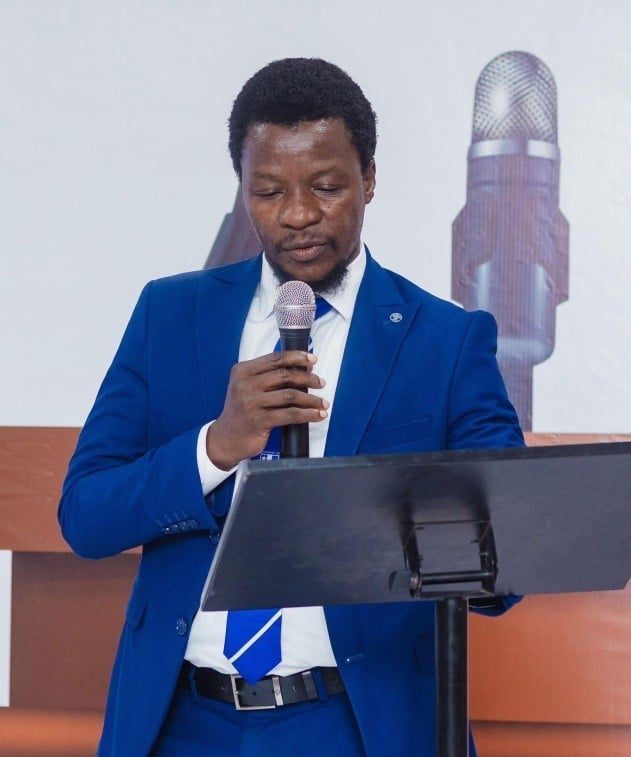
In a statement accompanying the commemoration, SLAJ President Alhaji Manika Kamara challenged national leaders and institutions responsible for justice and security to move beyond public expressions of concern and demonstrate measurable action against impunity.
He warned that allowing attacks against journalists to go unpunished creates an environment in which intimidation becomes normalized and independent reporting increasingly dangerous.
“Journalists must not have to choose between telling the truth and protecting their safety. When a journalist is attacked for doing their job and those responsible are allowed to walk free, it sends a dangerous message that anyone seeking to silence the truth can act without consequences,” he stated.
Alhaji Manika Kamara emphasized that impunity affects not only journalists but also the wider population, whose access to credible information depends on a free and independent media.
He argued that democratic institutions cannot claim to uphold accountability while failing to protect those responsible for investigating and reporting matters of public interest.
“Impunity is not a victimless failure. It encourages further attacks, intimidates other journalists into silence and denies citizens the information they need to hold power accountable,” he declared.
The SLAJ President called for serious investigations, timely prosecutions and justice for victims, stressing that individuals implicated in attacks must face the law regardless of their political connections, professional positions or social standing.
He also urged stakeholders involved in Sierra Leone’s constitutional review process to support the proposed Chapter 12 and called on Parliament to urgently reconsider problematic provisions of the Cyber Security and Crime Act.
“Journalism is not a crime, asking difficult questions is not an offence, and exposing wrongdoing must never put a journalist’s safety at risk,” he asserted.
SLAJ reaffirmed its determination to work with national, regional and international partners to strengthen journalists’ safety, promote professional standards and eliminate impunity for crimes committed against media practitioners.
The Association stressed that journalists also have professional and legal responsibilities, but maintained that any action taken against them must respect due process, the rule of law and constitutionally protected freedoms.
It further called for sustained cooperation among the Government, Judiciary, security institutions, media organisations and civil society to establish an environment in which journalists can operate independently and responsibly.
The statement, signed by SLAJ Secretary General Edward Farah Marah, concluded with a reminder that protecting journalists is inseparable from protecting democracy and citizens’ fundamental rights.
“There can be no genuine press freedom without journalist safety, no journalist safety without accountability, and no accountability where perpetrators are allowed to act with impunity,” the Association declared.