

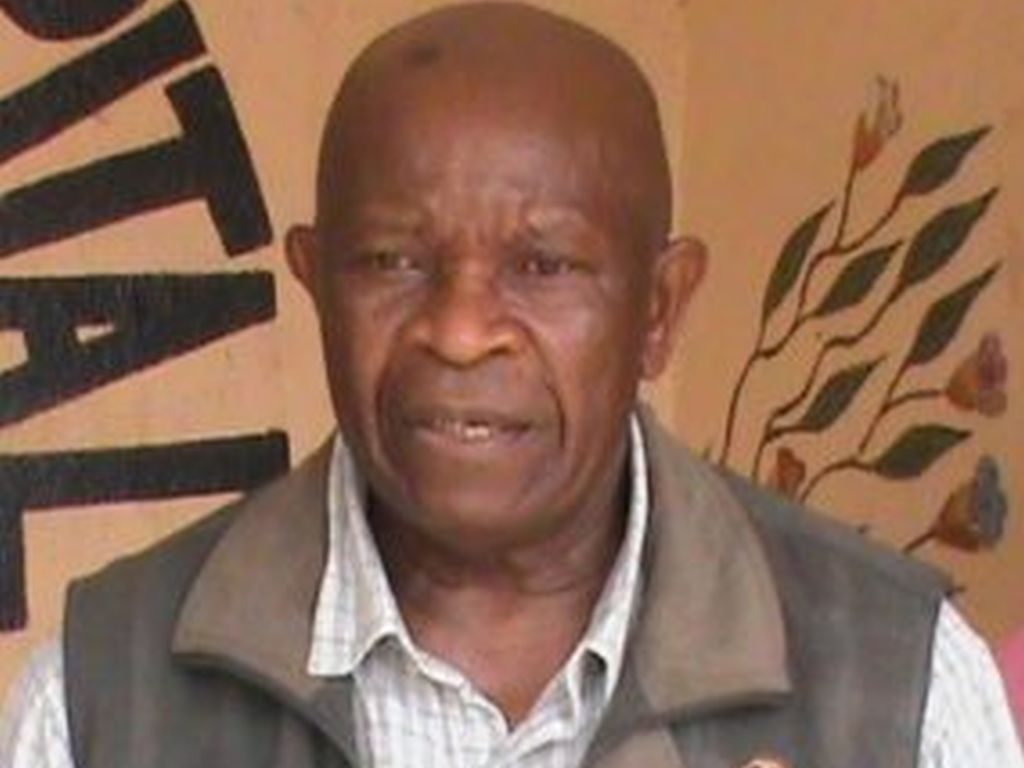
Government Chief Forensic Pathologist and Chief Medical Examiner, Dr Simeon Owizz Koroma, has presented detailed medical evidence concerning the death of 17-year-old Tujah Sesay, revealing extensive injuries allegedly sustained during a violent assault on July 23, 2024.
The testimony was delivered during the ongoing murder trial of Tommy Alusine, popularly known as Alhaji, who is facing a murder charge under Section 1 of the Offences Against the Person Act 1861, as repealed and replaced by Section 1(a) of the Schedule to the Abolition of the Death Penalty Act 2022.
Appearing as a prosecution witness, Dr Simeon Owizz Koroma informed the court that he conducted a post-mortem examination on July 26, 2024, after the deceased’s body was taken to the Connaught Teaching Hospital Complex mortuary.
According to his testimony, Tujah Sesay was allegedly subjected to a severe physical assault at approximately 10:50 p.m. on July 23, 2024, and died shortly afterwards.
Describing his findings, the pathologist disclosed that the external examination revealed a substantial haematoma on the right side of the head, bleeding from the ears, nostrils and mouth, bloodshot and sunken eyes, a bitten tongue and a two-centimetre laceration on the lower lip.
He further identified swelling around the neck, fingernail scratches and injuries on both sides of the deceased’s hands, which he described as defensive wounds.
Additional examinations revealed multiple bruises and fractures affecting the left upper arm and forearm, alongside serious fractures involving the right thigh and lower leg.
Dr Simeon Owizz Koroma told the court that the internal examination uncovered extensive skull fractures measuring approximately 26 centimetres, accompanied by massive bleeding within the brain.
He also discovered severe fractures and dislocations throughout the spinal column, spinal cord injuries and extensive damage to structures within the neck, including the hyoid bone and laryngeal cartilages.
The pathologist maintained that the deceased had no underlying medical condition capable of causing or accelerating her death.
Based on his findings, he attributed the death to massive intracerebral haemorrhage resulting from skull fractures, neurogenic shock associated with spinal injuries and asphyxia caused by manual strangulation.
He consequently classified the death as unnatural and homicidal.
During cross-examination, defence counsel C. Taylor Young of the Legal Aid Board questioned whether the injuries could have been inflicted by several individuals rather than one person.
The lawyer particularly challenged the witness on whether the number of persons involved could be established without DNA testing.
Responding, Dr Simeon Owizz Koroma clarified that his examination did not identify any individual responsible for the injuries. He confirmed that no DNA examination had been requested or conducted.
He emphasized that his conclusions concerned the medical cause and manner of death, rather than the identity or number of potential perpetrators.
The proceedings highlighted the distinction between forensic medical findings and evidence establishing criminal responsibility.
The matter was subsequently adjourned to November 10, 2026, for further proceedings.