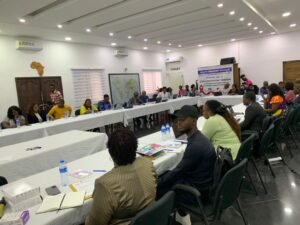
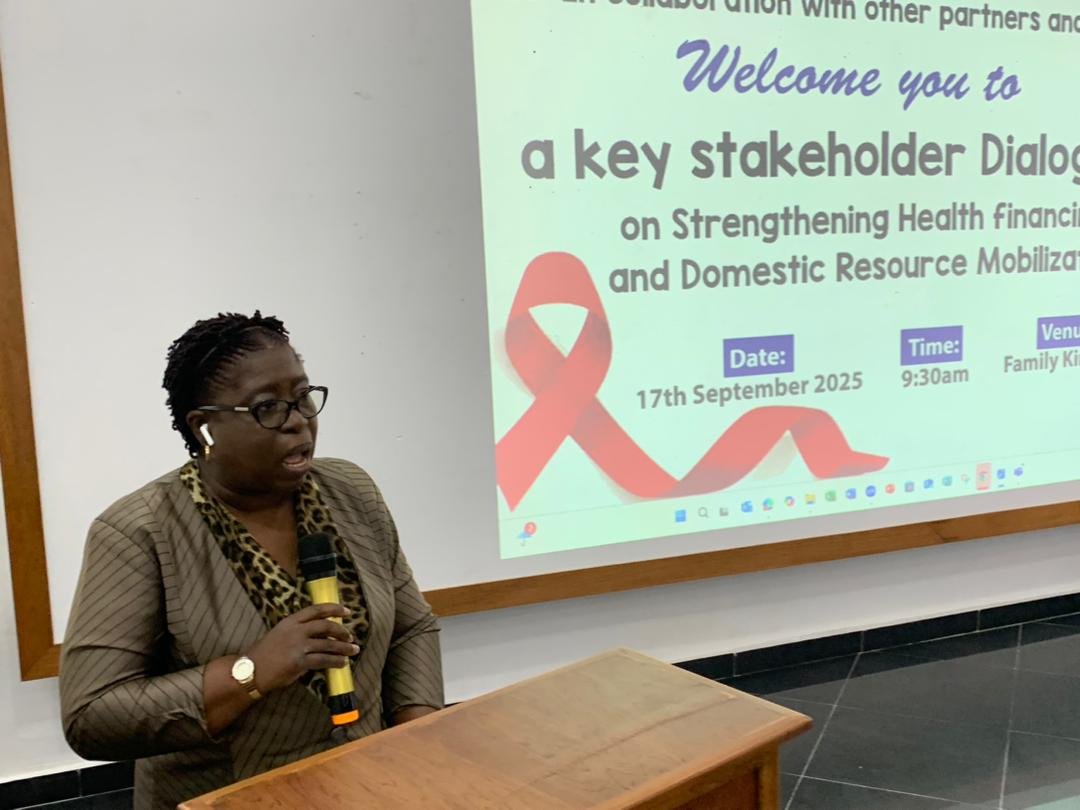
In response to escalating global health funding reductions, the AIDS Healthcare Foundation Sierra Leone (AHF-SL) has issued a strong appeal for strengthened domestic health financing. The call was made during a high-level strategic engagement with Civil Society Organizations and partners on Wednesday September 17, 2025 in Freetown.
An AHF representative highlighted that the Africa Health Strategy 2016–2030 underscores the importance of sustainable health financing for achieving Universal Health Coverage (UHC). She recalled the 2019 African Union Leadership Meeting on Investing in Health, which produced the Addis Ababa Commitment, popularly known as the ALM Declaration. The Declaration emphasized three key commitments: boosting domestic resources for health, sustaining dialogue between health and Finance Ministries and aligning external support with African priorities.

The representative stressed that health financing is not only about money but about forging alliances. She urged Governments to honor the Abuja Declaration commitment of allocating at least 15% of national budgets to health, describing it as critical for building fair and functional systems.
UNAIDS Program Manager, Semion A.T. Saffa-Turay, described the meeting’s theme, “Strengthening Health Financing with Emphasis on HIV and AIDS,” as both timely and essential. He warned that global funding cuts in 2025 had created systemic shocks to HIV responses, particularly in Africa. Many treatment and prevention programs, he said, were severely disrupted, putting vulnerable populations at risk.
Despite those challenges, Semion A.T. Saffa-Turay noted progress. Low- and middle-income countries now provide 59% of funding for their HIV responses, with 25 nations working with UNAIDS to increase domestic HIV financing for 2026. Still, he cautioned that those efforts remain insufficient to replace declining donor aid. He called for bold new approaches, pointing to South Africa where 80% of HIV response funding is domestically sourced.
Semion A.T. Saffa-Turay also welcomed efforts made at the Sevilla Financing for Development Conference to address Global South debt and curb tax avoidance, describing them as essential for freeing fiscal space for health spending.
On treatment innovation, he referenced a new HIV prevention drug, approved by the FDA that offers near-100% efficacy when administered twice yearly. However, he raised alarm over its prohibitive price tag of $28,000 per year, compared to an estimated $25 production cost. He called for international pressure on manufacturer Gilead to license generics, stressing that affordability is crucial for scaling access.
From the Ministry of Health, Dr. Abdul Jibril Njai, Senior Health Financing Specialist, explained that domestic resource mobilization must ensure financial protection, equitable access and quality services. He listed Government revenue, donor contributions, out-of-pocket spending, private sector input and community financing as the traditional pillars of health funding.
National AIDS Secretariat Director General, Abdul Raman Sesay, praised AHF’s initiative, describing it as a step in the right direction. He called for enhanced collaboration, better coordination and the review of identified gaps in health financing.
The event also featured a panel discussion with AHF Regional Policy Advocacy Manager, Dina Tibesigwa, Members of Parliament, Civil Society leaders and local Government representatives. The discussion covered the legislative role in health financing, the responsibilities of local councils and the importance of grassroots advocacy.
The engagement concluded with a shared understanding that Sierra Leone’s fight against HIV and broader health challenges requires more than donor aid. Strong domestic investment, strategic partnerships and policy reforms were identified as central to sustaining health services and safeguarding vulnerable populations.