

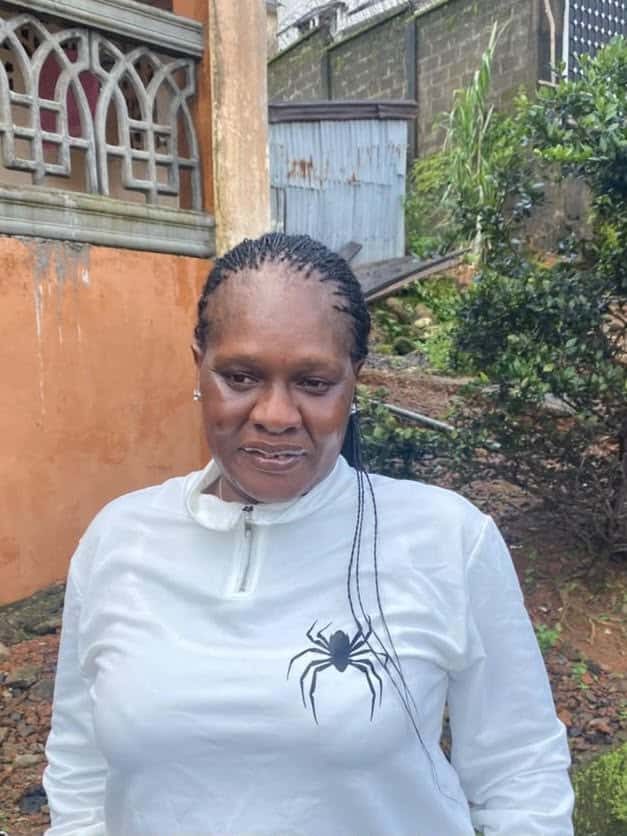
By Foday Moriba Conteh
Growing concern among human rights organisations over the forceful initiation of girls and women into the Bondo Secret Society and their exposure to Female Genital Mutilation (FGM), particularly the cutting of the clitoris, continues to generate serious human rights debate in Sierra Leone.
Over the years, human rights organisations and activists have advocated for the criminalization of FGM, arguing that women and girls should be protected from being subjected to the practice without their consent. Campaigners have maintained that cultural traditions should not override the fundamental rights, dignity and physical wellbeing of women and girls.
Despite sustained advocacy, no comprehensive national legislation specifically banning FGM has been enacted. Government policy and interventions have largely focused on preventing girls below the age of 18 from undergoing initiation, an approach human rights organisations have argued falls short of their longstanding demand for the complete prohibition of FGM.
Against this background, the case involving Victoria Allen, formerly residing in Regent Village, Freetown, emerged in 2025 following reports that she had come under sustained pressure from family and community members to assume a traditional Bondo leadership position previously occupied by her mother.
Given the human rights concerns surrounding the matter, the Editorial Team assigned one of its reporters to Regent Community to investigate the circumstances surrounding the case. During the investigation, the reporter interviewed residents and some family members residing within the community who were familiar with Victoria Allen’s family and the circumstances surrounding the traditional position.
According to information gathered during the investigation, Victoria Allen was born into a family of three children and is the only daughter. Residents and family sources explained that Victoria Allen’s mother occupied a prominent leadership position within the Bondo Society and that the position had reportedly been passed through generations, from Victoria Allen’s grandmother to her mother.
Some family members explained that, within their Limba traditional setting, Victoria Allen was expected, as the daughter of the previous holder, to continue her mother’s legacy by succeeding to the position. Sources said the expectation was considered more than an honorary succession, as assuming such leadership reportedly carries traditional responsibilities and obligations connected with secret rituals and practices of the society.
Those interviewed further maintained that the position would require Victoria Allen to participate in and uphold certain traditional practices, including activities associated with FGM. According to the sources, refusal to accept such an inherited responsibility could be viewed by some traditionalists as dishonouring the family, rejecting ancestral obligations and defying established tradition.
Residents and family sources said Victoria Allen consistently resisted pressure to assume the position because of her opposition to FGM and her unwillingness to participate in its continuation. They disclosed that Victoria Allen had herself undergone FGM and was determined not to become involved in subjecting other women or girls to an experience she reportedly opposed.
Sources familiar with the dispute alleged that Victoria Allen’s continued refusal intensified tensions within sections of her family and community. Some residents claimed that women who reject certain traditional obligations could face intimidation, social isolation and other forms of pressure. In Victoria Allen’s particular case, family sources alleged that threats against her became increasingly serious as she continued rejecting the succession.
Of particular concern, according to those interviewed, was an alleged warning that if Victoria Allen continued refusing to inherit her mother’s position, some individuals could turn their attention to her daughter as a possible replacement. Family sources said that possibility caused Victoria Allen considerable fear because she was strongly opposed to her daughter undergoing FGM or becoming involved in the traditional responsibilities she herself had rejected.
The investigation further established from family sources that concerns for her daughter’s safety eventually prompted Victoria Allen to arrange for the child to be taken out of the community by her mother.
Residents also confirmed that Victoria Allen eventually moved out of the Regent Community amid the unresolved disagreement.
Some residents and family members maintained that the dispute surrounding the Bondo succession had not been fully resolved following her departure, with concerns remaining over what could happen should she return and continue refusing the position.
The circumstances surrounding Victoria Allen’s case have therefore brought renewed attention to the wider debate over FGM and the rights of women to reject inherited traditional responsibilities. The case also underscores concerns raised by human rights campaigners about consent, personal safety and the protection of girls from harmful practices, particularly where family expectations and longstanding cultural traditions collide with individual rights and personal choices.