
By Amin Kef (Ranger)
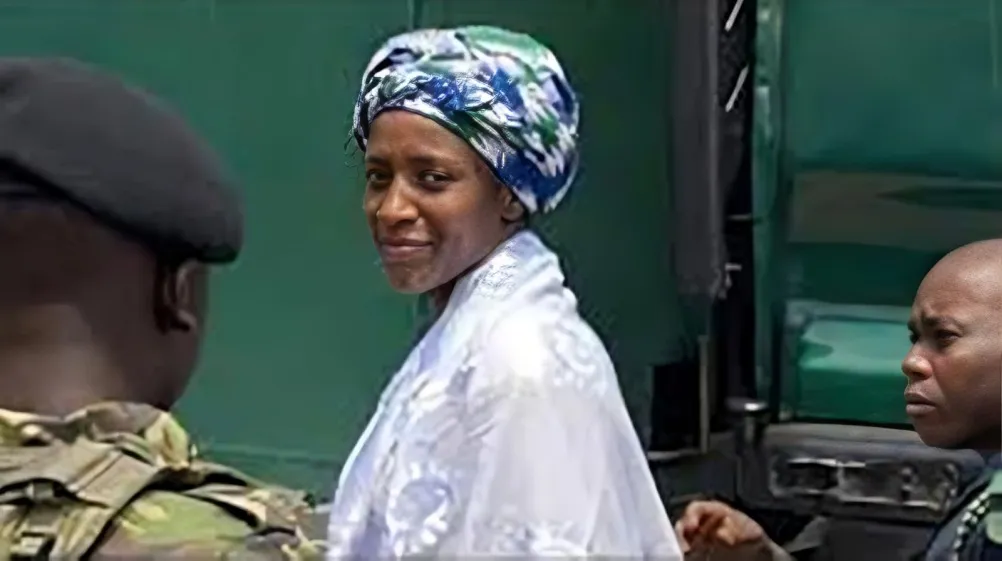
The High Court of Sierra Leone has commenced hearing the appeal filed by the defence team of popular musician, reality television personality and politician Zainab Sheriff, challenging her conviction and four-year, two-month prison sentence imposed earlier this year by Magistrate Mustapha Brima Jah of Magistrate Court No. 1.
Sheriff was convicted of incitement and using threatening language under Section 3(2) of the Public Order Act, 1965, following remarks she allegedly made during a political rally in January.
During proceedings before Justice Mark Ngegba of High Court No. 8, Lead Prosecution Counsel Ibrahim Tholley Esq. raised a preliminary objection, arguing that the Defence had failed to comply with the Appeal Rules.
Tholley submitted that the appeal documents did not adequately set out or explain the judgment being challenged, maintaining that appeals must strictly adhere to procedural requirements. He urged the court to invoke Rule 8 of the Appeal Rules and dismiss the application.
Lead Defence Counsel R. S. Wright Esq. opposed the objection, describing it as premature. He argued that Rule 8 provides guidance but does not require absolute compliance with every statutory provision. Wright further contended that the Prosecution’s argument lacked legislative foundation, insisting that the admissibility of an appeal is a matter for judicial determination rather than prosecutorial discretion.
After hearing submissions from both parties, Justice Ngegba adjourned the matter to June 18, 2026, when he is expected to rule on whether the appeal will proceed or be dismissed at the preliminary stage.
Sheriff’s conviction arose from statements prosecutors said she made during a political rally, where video evidence allegedly showed her describing election rigging as treason and stating that those responsible “and their families should be killed.” The trial court ruled that the remarks constituted incitement and threatening language.
The appeal has attracted widespread public interest, with many observers viewing the matter as one of the country’s most significant legal cases involving political speech and the application of Sierra Leone’s public order laws.
Meanwhile, calls for Zainab Sheriff’s release have continued to grow among lawyers, opposition politicians and civil society activists, many of whom argue that the sentence raises broader concerns about freedom of expression and political dissent.
Freetown Mayor and senior All People’s Congress (APC) member, Yvonne Aki-Sawyerr, questioned the severity of the sentence, suggesting that the matter extends beyond the actual words spoken by Sheriff.
“A lot of us feel this isn’t about Zainab Sheriff’s words,” she said. “This is about Zainab Sheriff being used as a very visible, high-profile example of what you must not do in this society now. You must not speak your mind or you can be charged and end up in jail.”
Willietta Hughes, Legal Manager for AdvocAid, also expressed concern over the case, describing the sentence as excessive. She argued that no evidence had been presented to demonstrate that Sheriff’s remarks had provoked public unrest and cautioned that such prosecutions could discourage citizens from exercising their right to free expression.
Women’s rights advocates have also voiced concerns, warning that the case could discourage women from participating actively in political discourse and speaking openly on national issues.
Sheriff was arrested on February 20, pleaded not guilty to the charges and was repeatedly denied bail before being sentenced on April 14. She is currently being held at a maximum-security correctional facility in Freetown.
The High Court proceedings have also revived discussions about the possibility of a presidential pardon or other forms of executive clemency at a later stage, although there has been no official indication that such measures are under consideration.
The outcome of the appeal could have significant legal and political implications. Depending on the court’s decision, the conviction and sentence could be upheld, reduced, amended or overturned.
Many Sierra Leoneans are expected to follow the June 18 proceedings closely, with the High Court’s ruling likely to shape public debate on the rule of law, freedom of expression, civic space and confidence in the country’s justice system.