By Amin Kef (Ranger)
The Campaign for Human Rights and Development International (CHRDI) has on 19 February 2026 issued a strongly worded warning following a monitoring visit conducted on 17 February 2026 to correctional facilities operated by the Sierra Leone Correctional Services (SLCS) in Freetown.

The human rights organization described the situation within the facilities as a “catastrophic breakdown of human rights, safety and basic dignity,” citing prolonged detentions without indictment, severe overcrowding, inadequate healthcare and failing security infrastructure.
According to CHRDI’s findings, dozens of detainees are being held in “safe custody” for extended periods without formal indictment. The group documented 76 males and 17 females in safe custody without official reasons or records from the Transnational Organized Crime Unit (TOCU). In addition, 385 males and 36 females were reportedly detained without indictment beyond legally permissible limits.
CHRDI noted that many of those detainees lack legal representation, describing the situation as a serious violation of the Criminal Procedure Act (CPA) and international human rights standards.
The organization also highlighted persistent judicial delays. Thirteen male inmates were said to be awaiting reserved judgments, while 205 others have faced prolonged adjournments between 2016 and 2025. Among 29 foreign nationals held at the male correctional facility, one reportedly died in February 2026 under circumstances CHRDI says were not explained to them.
The monitoring team found extreme overcrowding at the male correctional facility, which was originally built to accommodate 324 inmates but currently holds 1,802, according to correctional service records. Some cells designed for single occupancy are now housing up to 13 individuals.
CHRDI warned that such congestion heightens the risk of infectious disease transmission and makes basic hygiene and social distancing impossible.
Water, sanitation and hygiene (WASH) conditions were also described as dire. The group reported an inconsistent water supply, poor sanitation facilities and inadequate nutrition for detainees. At the female correctional facility, eight children aged between zero and two years were found living with their incarcerated mothers.
Healthcare services were described as severely limited. At the male facility, 97 inmates were reported HIV-positive, while 26 had tested positive for tuberculosis. Fifteen inmates were admitted to a makeshift hospital with only 16 beds serving more than 1,000 male inmates. The clinic was said to lack essential medical equipment and supplies.
At the female unit, five hospital beds serve over 200 inmates, with five nurses assigned; sometimes only one on duty at a time. CHRDI also recorded 11 cases of mental illness across both facilities, with what it described as inadequate care.
Beyond humanitarian concerns, CHRDI reported that critical security systems, including CCTV cameras and scanners, were non-functional. Staff and inmates were reportedly exposed to naked electrical cables, and fire extinguishers were said to be poorly maintained.
The organization warned that those failures create a volatile environment, endangering both correctional officers and detainees.
CHRDI has called on the Government of Sierra Leone and the Sierra Leone Correctional Services to urgently fast-track indictments, release unlawfully detained individuals, repair security infrastructure and ensure adequate access to food, water and medical care.
The group also urged authorities to implement recommendations by the Human Rights Commission of Sierra Leone (HRCSL) and other civil society actors aimed at reducing overcrowding and modernizing facilities described as dating back to the pre-independence era.
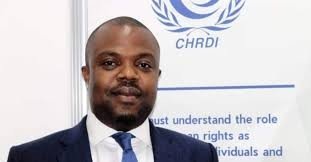
“No nation can claim progress if its correctional facilities remain centres of human degradation. Justice must be more than a legislative promise; it must be a functional reality for every Sierra Leonean,” said Abdul M. Fatoma, Chief Executive of CHRDI.