By Foday Moriba Conteh
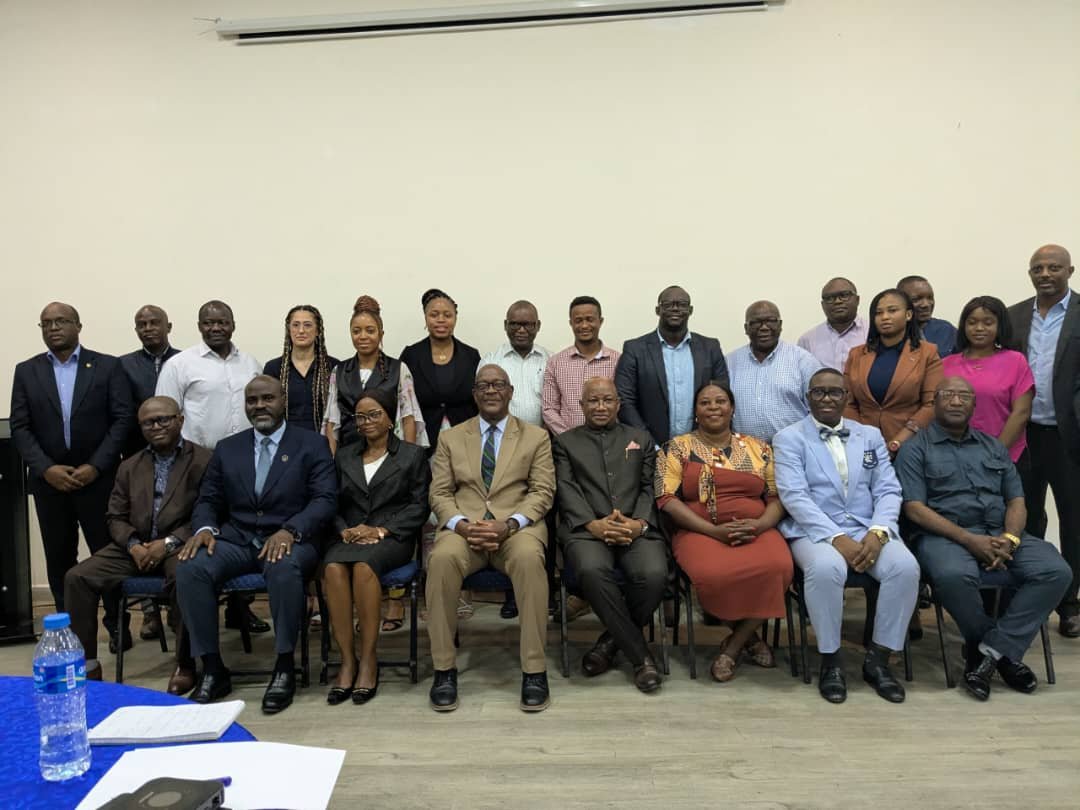
Sierra Leone has concluded a three-day national workshop in Freetown to advance the formulation of the National Health Sector Strategic Plan (NHSSP) 2026–2030; an ambitious roadmap expected to guide the country’s health system transformation over the next five years. The gathering brought together more than 120 participants, including senior officials from the Ministry of Health, other Ministries, Departments and Agencies, development partners and representatives from the wider health sector.

The session marked a major milestone in Sierra Leone’s efforts to accelerate progress toward Universal Health Coverage (UHC) and reinforce national health security. Led by the Ministry of Health with technical support from the World Health Organization (WHO) and other partners, the new NHSSP is expected to build on key lessons from the outgoing 2021–2025 strategy.
The workshop opened with the presentation of findings from the End-Term Review of the NHSSP 2021–2025, jointly conducted by the NHSSP core team and national and international consultants. The review served as an evidence-rich foundation for identifying emerging priorities, persistent challenges and areas that require stronger investment and reform.
Minister of Health, Dr. Austin Demby, described the planning process as transformative and urged stakeholders to contribute toward a unified national vision. “This moment calls for bold action. The next five years of healthcare in Sierra Leone must be defined by our collective vision, not our constraints,” he stated. He emphasized that the new plan must deliver high-quality care for every Sierra Leonean, strengthen communities, and integrate real-time data for proactive health system management. “Partners will align with our national direction, but the drive, the ownership and the responsibility rest with us. This is our opportunity to make history and we must seize it,” he added.
WHO played a central technical role, deploying four international experts to support the strategic development process, while UNICEF contributed through the engagement of a national consultant. WHO Country Representative, Dr. George Ameh, stressed the importance of producing a forward-looking and coherent plan that unifies all sector actors. “The plan must reflect the voices, needs and realities of the national, district and community levels. It must serve as a common reference point for all partners; ensuring alignment, reducing fragmentation and promoting accountability,” he said, reaffirming WHO’s commitment to ongoing support.
Throughout the intensive three-day workshop, participants collaborated to refine the strategic objectives and proposed interventions for the new NHSSP. Discussions incorporated district and community-level insights, reinforcing the Ministry’s Aid Memoire principle of “One Plan, One Budget, One Report.” That unified approach is expected to enhance sector coordination, programme alignment and the basis for effective costing, resource mobilization and accountability.
The workshop concluded with a clear set of recommendations and priority actions aligned across all directorates and programmes. These priorities place strong emphasis on strengthening primary health care, improving service delivery at community level and bolstering essential health system components such as the workforce, infrastructure, financing and supply chain management.
Sierra Leone enters the next phase of developing the NHSSP 2026–2030 with decisive steps aimed at building a more resilient, equitable and people-centred health system; one capable of delivering high-quality care to all citizens by the end of the decade.