By Ibrahim Sorie Koroma, Senior Health Promotion Officer – HEP/MoH
On the morning of 15 December 2025, Sierra Leone reached a significant public health milestone as the Government, through the Ministry of Health and the National Public Health Agency (NPHA), officially declared the country’s first Mpox outbreak over. The announcement followed 42 consecutive days without a single new confirmed case, meeting the World Health Organization’s threshold for outbreak containment.

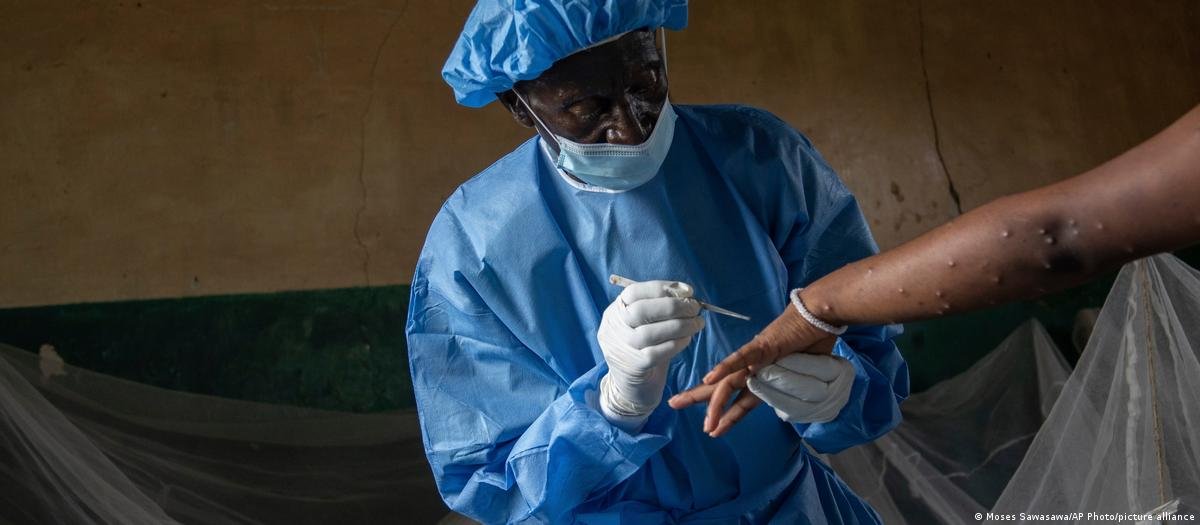
The declaration marked the end of months of intense national effort, vigilance and sacrifice. In total, 5,442 people were diagnosed with Mpox during the outbreak. Of these, 5,382 recovered and safely returned to their families, workplaces and communities. Sadly, 60 lives were lost, a reminder of the heavy human cost outbreaks impose and the urgency of swift, coordinated public health action.
Beyond the figures lie stories of resilience; health workers working long hours under pressure, families supporting loved ones through isolation and recovery and communities choosing cooperation over fear. Together, those efforts formed the backbone of the national response.
Mpox cut across social, economic and gender lines. Surveillance data showed near-equal impact between men and women, with women accounting for 48 percent of confirmed cases. Market women, teachers, caregivers, students and professionals all faced the same uncertainty and risk.
Children were also affected. Although adults aged 20–49 years recorded the highest number of cases, children under 15 years accounted for about 5.4 percent. For parents, that meant anxious days and nights; for health authorities, it reinforced the importance of protecting every segment of the population.
Even before Sierra Leone confirmed its first Mpox case on 10 January 2025, public discussion around vaccines had already begun. Health authorities engaged communities through radio programmes, public forums and stakeholder meetings to address concerns, answer questions and build confidence.
That early engagement proved critical. When cases began to rise, the country was prepared to act decisively. On 19–20 March 2025, Sierra Leone launched a nationwide Mpox vaccination campaign targeting frontline health workers, close contacts of confirmed cases and other high-risk groups. In a symbolic and confidence-building move, the Minister of Health publicly received the first dose, reinforcing trust in the safety and importance of vaccination.
This phase of the response was enabled by the arrival of 61,300 doses of Mpox vaccines on 25 February 2025, a turning point that strengthened the country’s ability to curb transmission.
While vaccination is not a cure, it became a critical shield in the fight against Mpox. By strengthening immune protection, vaccines reduced severe illness and helped slow transmission across communities.
In total, Sierra Leone received 273,600 vaccine doses, with 186,053 people vaccinated from priority risk groups. Nearly half of those vaccinated, 49 percent, were contacts of confirmed cases. Health-care workers accounted for 18 percent, many continuing to serve despite daily exposure risks. Another 13 percent were from other high-risk groups, often among the hardest to reach.
The campaign strategically focused on the most exposed age group, with individuals aged 20–49 years accounting for 78 percent of vaccinations. Gender balance was maintained, with 51 percent male and 49 percent female, underscoring equity as a core principle of the response.
The containment of Sierra Leone’s first Mpox outbreak stands as more than a medical success; it is a victory built on trust; trust in science, trust in leadership and trust between communities and the health system.
Vaccination, reinforced by strong surveillance, community engagement and clear communication, proved decisive. It saved lives, restored public confidence and demonstrated what is possible when institutions and citizens act together with a shared purpose.
As Sierra Leone looks ahead, the lessons are clear: preparedness saves time, community trust saves lives and protection fuels hope. The Mpox experience has strengthened the country’s public health resilience and set a foundation for responding effectively to future threats.
About the Author
Ibrahim Sorie Koroma is a Mass Communication graduate of Fourah Bay College, University of Sierra Leone and holds a Postgraduate Diploma and a Master’s degree in Public Health from Ernest Bai Koroma University of Science and Technology (EBKUST). He is a public health communication professional with extensive experience in health promotion and community engagement.