By Amin Kef (Ranger)
The National Civil Registration Authority (NCRA) is stepping up efforts to ensure every citizen and resident of Sierra Leone secures a biometric ID card before the August 31, 2025 deadline.

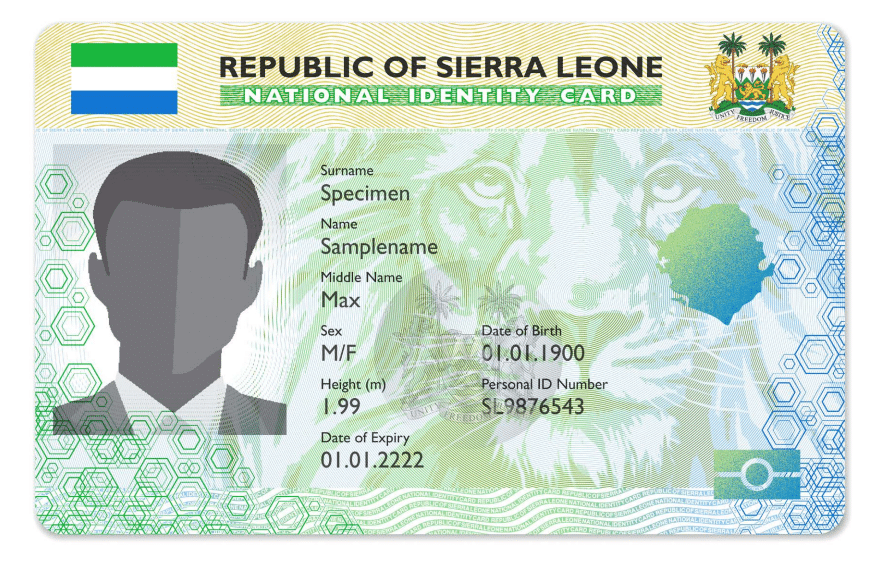
More than just a plastic document, the biometric ID card, embedded with a unique National Identification Number (NIN), is a vital legal instrument required to access key public and private services across the country. From banking and education to employment and Government benefits, it serves as official proof of identity recognized by the Government, financial institutions and service providers.
Speaking on Liberty Online TV’s Breakfast Show on August 7, 2025, NCRA Director of Communications, Abu Bakarr Javombo, detailed ongoing initiatives to reach every part of the nation. Mobile registration teams have been deployed to remote communities to complement district offices, ensuring wider access to the registration process.
“The Government set this deadline to streamline access to services such as passport issuance, SIM card registration, bank accounts and public sector jobs,” Abu Bakarr Javombo explained. “While many have already registered, a significant number of citizens and residents remain to be covered and we are committed to leaving no one behind.”
The biometric ID card incorporates advanced security features, including fingerprint scanning and facial recognition, to strengthen national security and combat identity fraud. The NIN acts as a legal identifier that links personal records across multiple Government and private systems, facilitating accurate verification and efficient service delivery.
Abu Bakarr Javombo acknowledged that connectivity issues and data discrepancies have caused some delays but assured the public that corrective measures are being implemented. The cost of obtaining the biometric ID card remains affordable, with a small additional fee in remote areas to cover logistics, all of which is deposited into the Government’s Consolidated Revenue Fund.
In collaboration with the Sierra Leone Police and the Office of National Security (ONS), the Government has launched Operation Stop & Check, a campaign to conduct random biometric ID card verifications nationwide. National Security Coordinator Abdulai Caulker and Police Inspector General William Fayia Sellu have warned that strict enforcement will follow after the August 31 deadline, including denial of police clearance certificates and other critical services for those without valid IDs.
NCRA Director General, Mohamed Mubashir Massaquoi, has urged citizens and residents to register without delay, noting that fees will increase after the deadline to cover rising production costs.
Launched by President Julius Maada Bio, the biometric ID card system is a cornerstone of Sierra Leone’s national security strategy and a key tool in reducing fraud while improving service delivery. Possession of a valid biometric ID card is now mandatory for full participation in civic life, including access to healthcare, education, financial services and Government programs.
As the August 31 deadline draws closer, authorities are urging all eligible citizens and residents to obtain their biometric ID card to avoid penalties and ensure seamless access to vital services.
Why Every Citizen Needs a Biometric ID Card
- Legal Identification: Confirms official identity details including name, birthdate, nationality and NIN.
- Access to Public Services: Required for healthcare, education, pensions and social benefits.
- Voting Rights: Essential for voter verification and election integrity.
- Travel and Security: Facilitates travel within regional blocs and quick verification by security agencies.
- Financial Transactions: Mandatory for banking, mobile money and fintech under Know Your Customer (KYC) regulations.
- Digital Integration: Enables secure online transactions and e-Government services via biometric data.
- Fraud Prevention: Helps combat identity theft, illegal immigration and fraudulent claims.
The biometric ID card is more than a formality; it is a gateway to rights, protections and essential services that form the foundation of modern civic life in Sierra Leone.