Home Blog Page 117

Latest News

Education Ministry Warns Private School Heads Over WASSCE Candidate Uploads

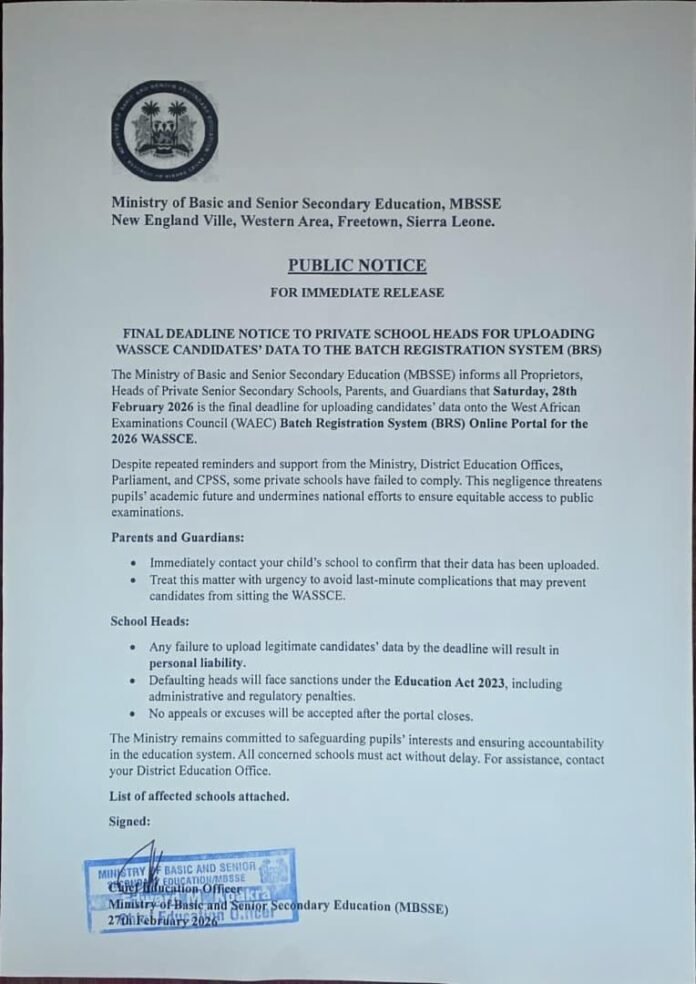
The Ministry of Basic and Senior Secondary Education (MBSSE) has issued a strong public notice to Proprietors and Heads of private senior secondary schools, as well as parents and guardians, over the uploading of candidates’ data to the West African Examinations Council (WAEC) Batch Registration System (BRS) for the WASSCE.

According to the Ministry, some private schools have still not complied with repeated instructions to upload legitimate candidates’ information to the online registration portal. The Ministry said that failure threatens pupils’ academic future and undermines national efforts to guarantee fair access to public examinations.

The notice calls on parents and guardians to urgently contact their children’s schools to confirm that their data has been uploaded. It also urges them to treat the matter seriously in order to avoid last-minute complications that could prevent candidates from sitting the WASSCE.

For school Heads, the Ministry warned that failure to upload candidates’ data will attract personal liability. It added that defaulting Heads could face sanctions under the Education Act 2023, including administrative and regulatory penalties.

The Ministry further stated that no appeals or excuses will be accepted after the registration portal closes, stressing that all concerned schools must act without delay.

MBSSE said it remains committed to protecting pupils’ interests and ensuring accountability in the education system, while directing affected schools to seek support through their District Education Offices.

An attached list of affected schools was also referenced in the notice.

Africell Boosts Eid Celebrations with Nationwide Community Outreach

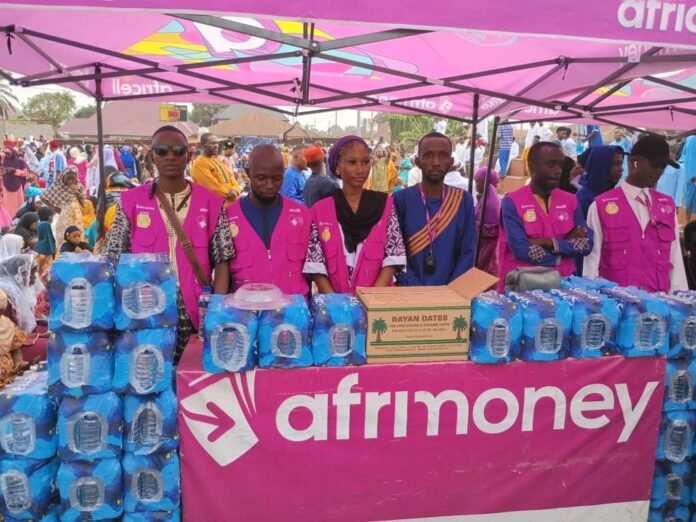
Africell Sierra Leone has once again demonstrated its strong commitment to community welfare by providing support to thousands of Muslims across the country during the Eid-ul-Fitr celebrations on March 20, 2026.

The telecommunications company rolled out a nationwide initiative at major prayer grounds, where worshippers gathered to mark the end of the Holy Month of Ramadan. As part of the support, Africell distributed large quantities of bottled water and date palm fruits to fasting Muslims, while also installing sound systems to facilitate smooth and inclusive prayer sessions.

The intervention formed part of Africell’s wider Ramadan engagement programme, which focused on promoting compassion, unity and social connection throughout the fasting period. The company’s activities during Ramadan included food support and media programming designed to uplift and connect communities.

Highlighting the significance of the initiative, Africell Sierra Leone’s Senior Event and Sponsorship Manager, Nancy Toure, stated that the company remains committed to standing with communities during important religious occasions.

She explained that Africell had consistently supported Muslims throughout Ramadan and saw the Eid celebration as an important moment to extend that support.

“Our engagement did not start today. Throughout Ramadan, we provided rice support and aired a dedicated television programme. Ending the Holy Month with this gesture at Eid is part of our continued effort to share in the joy and spiritual significance of the season,” she said.

Nancy Toure further emphasized that Africell’s approach goes beyond providing telecommunications services, noting that the company prioritizes human connection and social responsibility.

“We are deeply connected to the communities we serve. Supporting people during moments that matter to them is something we value and we will continue to invest in initiatives that make a difference,” she added.

Across various locations, beneficiaries welcomed the gesture, describing it as timely and impactful, especially given the large turnout of worshippers for Eid prayers. Many expressed appreciation for Africell’s continued presence and contribution during key national and religious events.

Some community members also encouraged other corporate organizations to adopt similar initiatives, stressing the importance of private sector participation in social development and national cohesion.

Africell Sierra Leone has, over the years, maintained a strong reputation for implementing meaningful Corporate Social Responsibility programmes. Its latest Eid outreach further reinforces its role as a people-focused brand, committed to supporting communities and strengthening bonds across the country.

PERSPECTIVE JJ Saffa, “Bread and Butter” and the Politics of Delivery

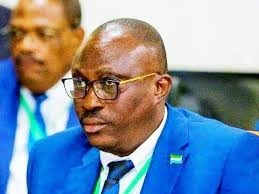
Former minister of finance, Jacob Jusu Saffa

In the evolving language of Sierra Leone’s politics, few phrases have carried the clarity, immediacy and resonance like “Bread and Butter.” It did not originate in the corridors of Government nor in the pages of policy frameworks. It was coined on the campaign trail by Jacob Jusu Saffa, in his role as Secretary General of the Sierra Leone People’s Party (SLPP), during the push that brought Julius Maada Bio to power under the banner of the “New Direction” in 2018.

It was, in many respects, a masterstroke of political communication.

“Bread and Butter” distilled the complexity of economic governance into a language ordinary citizens of Sierra Leone could both understand and own. It spoke not of fiscal deficits or monetary tightening, but of rice, fuel, transport and the fragile arithmetic of household survival. In doing so, it reframed politics itself away from abstraction and toward lived experience.

And it worked. The phrase entered the national consciousness not as mere rhetoric, but as expectation.

Yet, as with all powerful political constructs, its true test began after victory.

JJ Saffa’s transition from campaign strategist to Minister of Finance, and subsequently to Chief Minister placed him at the intersection of promise and policy. He was no longer articulating “Bread and Butter”; he was required to deliver it. And here, the simplicity of language met the complexity of governance.

For the reality is that economies do not yield easily to political intent. Inflation is often externally driven. Exchange rates reflect structural vulnerabilities. Fiscal space is constrained by revenue limitations and competing national priorities. In such an environment, the distance between what is promised and what is possible can be both narrow and unforgiving.

In recent radio engagements at Radio Democracy and Truth Media, the former Chief Minister, JJ Saffa’s voice has taken on a different register. It is less declarative and more reflective. His interventions on economic policy now emphasize discipline, structure and coherence. Now more than ever, it is the language not of the campaign, but of experience. One senses a shift from the urgency of persuasion to the sobriety of hindsight.

And citizens remember.

They remember the phrase. They remember what it signified. But public memory, when mature, does not exist solely to praise or to condemn. It exists to assess the place of contribution within context and intention within outcome.

In that regard, one is drawn deliberately to the enduring framing of Julius Caesar: “I have come to bury Caesar, not to praise him.” Not as an act of dismissal, but as a discipline of analysis; to move beyond sentiment and toward understanding.

Through that lens, J.J Saffa’s imprint on Sierra Leone’s political discourse is unmistakable.

He reoriented the conversation. He insisted, through language, that governance must ultimately be judged at the level of the citizen. That the success of policy is not determined in reports but in markets; not in projections but in lived realities. In doing so, he set a standard that now transcends his own tenure.

That standard endures.

Today, any serious political actor, regardless of party or position, must answer the “Bread and Butter” question. It has become a baseline of accountability, a shorthand for economic justice and a persistent reminder that policy must translate into tangible impact.

This is not unqualified praise. Nor is it dismissal. It is, rather, recognition of influence.

For in politics, as in history, not all legacies are measured solely by outcomes. Some are measured by the frameworks they establish, the language they introduce and the expectations they leave behind.

In that sense, J.J Saffa’s contribution lies not only in what was achieved, but in what was demanded of Government, of policy and of the political class itself.

And that, perhaps, is how he will be remembered.

About the Author

Yeama Sarah Thompson-Oguamah is a seasoned media executive, development communicator and policy advocate with extensive experience at the intersection of journalism, governance and public engagement in Sierra Leone and across the Mano River region. She serves as the Managing Director of the Sierra Leone News Agency (SLENA) and is the Founder and CEO of Initiatives for Media Development (IMdev), where she leads strategic communication initiatives, media reform programmes and multi-stakeholder partnerships supported by national institutions and international development partners.

Her work focuses on strengthening media systems, promoting access to information and advancing accountability through evidence-based storytelling and civic engagement. She has led high-impact national campaigns, including communication strategies for governance reforms, digital public services and gender-focused development programmes, and has collaborated with institutions such as the European Union, UNESCO, UNICEF and Government Ministries.


From Ocean Views to World-Class Cuisine: Why Lǒr Restaurant Leads Freetown’s Dining Scene

Lǒr Restaurant

Freetown’s hospitality landscape is experiencing a dynamic transformation, driven by the emergence of modern lifestyle and dining establishments that continue to elevate the city’s global appeal. At the center of this evolution is Lǒr Restaurant, widely regarded as Sierra Leone’s most powerful restaurant to visit and increasingly recognized as Freetown’s premier and most frequented dining destination.

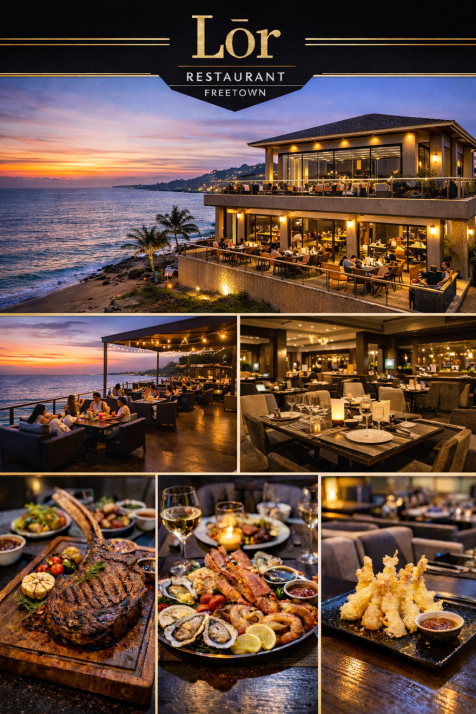
Situated along the scenic Peninsular Highway within the Juba–Goderich corridor, Lǒr Restaurant has carved out a strong reputation as a leading symbol of upscale dining in the capital. Overlooking the Atlantic Ocean, the restaurant offers a breathtaking oceanfront experience that seamlessly blends natural beauty with modern architectural elegance.

Industry observers note that as Freetown expands its tourism, business and leisure sectors, demand for high-quality, world-class dining experiences has grown significantly. Lǒr Restaurant has risen to meet this demand, attracting a wide spectrum of clientele including professionals, entrepreneurs, diplomats, tourists and families seeking a refined yet welcoming environment.

The restaurant’s location remains one of its most defining assets. With uninterrupted views of the Atlantic coastline, guests are treated to a serene and visually captivating atmosphere that enhances every dining experience. Its contemporary design, combined with a warm and inviting ambiance, positions Lǒr as not just a restaurant, but a complete lifestyle destination.

A major factor behind its growing popularity is its diverse international menu, which reflects a fusion of global culinary traditions. From Sierra Leonean delicacies to Italian, Japanese, Lebanese and Indian cuisines, Lǒr Restaurant provides an expansive selection tailored to a variety of tastes. This diversity has played a key role in establishing the restaurant as a culinary hub within the city.

Particularly notable is the restaurant’s Japanese menu, which has gained strong patronage among guests. Dishes such as Salmon Teriyaki Ura Maki, Spicy Tuna Tacos and Wagyu Beef Tacos with truffle mayonnaise continue to stand out for their quality, presentation and contemporary appeal, drawing diners seeking a modern gastronomic experience.

At the same time, Lǒr Restaurant maintains a firm connection to local culinary identity. Fresh seafood options, including grilled snapper and barracuda seasoned with hot pepper and lime, offer an authentic taste of Sierra Leone’s coastal cuisine. The signature “Surf and Turf” dish, combining lobster, shrimp and goat meat, further highlights the restaurant’s innovative approach to blending local and international flavors. These meals are complemented by traditional sides such as jollof rice, coconut fried rice and fried plantains.

Beyond its cuisine, Lǒr Restaurant is equally celebrated for its stylish and comfortable setting. Its interior décor reflects modern sophistication, making it suitable for a wide range of occasions, from corporate meetings to intimate gatherings.

The rooftop dining terrace has emerged as one of its most attractive features, offering panoramic views of the Atlantic Ocean. This space has become a magnet for sunset dining, social events and high-profile gatherings, reinforcing the restaurant’s status as one of Freetown’s most visited leisure spots.

Management continues to prioritize customer satisfaction, with well-trained staff delivering attentive and professional service designed to ensure a memorable guest experience. The restaurant operates daily, opening from 9:00 a.m. to 11:00 p.m. on weekdays and extending to 12:15 a.m. on weekends to accommodate Freetown’s vibrant lifestyle.

With added conveniences such as valet services, free parking, private dining spaces and multiple payment options, Lǒr Restaurant continues to set the benchmark for excellence.

Positioning itself within a rapidly growing tourism and business landscape, Lǒr Restaurant has emerged as a defining force in the city’s hospitality industry; firmly establishing its reputation as Sierra Leone’s premier, most visited and most influential dining experience.

SLCAA Strengthens Aviation Security with Updated 2026 Risk Matrix at Freetown International Airport

By Amin Kef (Ranger)

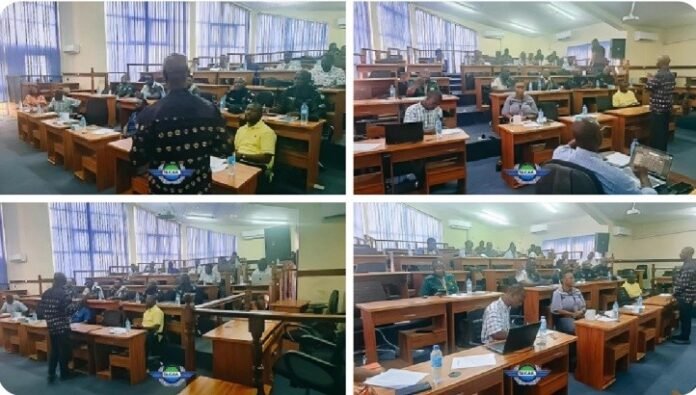
The Sierra Leone Civil Aviation Authority (SLCAA) has taken a significant step toward enhancing national aviation safety following the successful completion of a comprehensive three-day Aviation Security (AVSEC) Risk Matrix Review held from March 16 to 18, 2026, at the Freetown International Airport.

The high-level exercise brought together a wide range of key stakeholders from across Sierra Leone’s security and aviation landscape, including the Office of National Security (ONS), the Republic of Sierra Leone Armed Forces (RSLAF), the Sierra Leone Police (SLP), Immigration authorities, airport operators and Aviation Security (AVSEC) service providers. The collaborative review was aimed at reassessing existing threats, identifying operational vulnerabilities and strengthening preparedness against evolving security risks within the aviation sector.

At the conclusion of the intensive sessions, participants successfully developed and validated an updated and harmonized 2026 Aviation Security Risk Matrix tailored specifically for Freetown International Airport. The revised framework is designed to enhance proactive threat detection, improve coordinated responses and support intelligence-driven decision-making processes across the aviation system.

According to SLCAA officials, the updated risk matrix introduces a more dynamic and threat-sensitive approach to aviation security. It enables authorities to anticipate, prevent and mitigate potential risks before they escalate, while also ensuring the strategic deployment of resources to areas of greatest need. This risk-based approach is expected to significantly improve both efficiency and effectiveness in security operations.

A major outcome of the review was the strengthening of inter-agency coordination among security institutions operating within the airport environment. Enhanced collaboration is expected to improve communication, intelligence sharing and joint response mechanisms, thereby fostering a unified and more resilient aviation security structure.

“The updated AVSEC Risk Matrix reflects our continued commitment to safeguarding Sierra Leone’s aviation space through proactive and intelligence-led measures,” the Authority stated, emphasizing that the initiative aligns with international aviation security standards and global best practices.

Participants also underscored the importance of risk-based decision-making as a cornerstone of modern aviation security systems. By prioritizing intelligence-led strategies, stakeholders are better positioned to allocate resources efficiently while maintaining the highest safety standards for passengers, personnel and infrastructure.

The SLCAA further noted that the exercise builds on recent advancements within the sector, including the installation of modern SIMFOX security systems and the implementation of Best Practices for Security Equipment (BPSE) inspection training. Those developments have strengthened the capacity of aviation security personnel to effectively operate and maintain critical screening equipment, thereby enhancing overall airport safety.

In addition to national initiatives, the Authority continues to benefit from strong international partnerships. In July 2025, SLCAA hosted the International Civil Aviation Organization (ICAO) Western and Central African (WACAF) CODEVMET Mission in Freetown. The mission brought together experts from Liberia, Guinea and Sierra Leone under the Roberts Flight Information Region framework to strengthen aeronautical meteorological services and regulatory oversight in line with ICAO standards.

SLCAA Director General, Madam Musayeroh Barrie, has consistently emphasized the importance of regional cooperation in advancing aviation safety, noting that improved meteorological services and regulatory systems are essential for safe and efficient air navigation.

Through continued collaboration with international bodies such as the European Civil Aviation Conference (ECAC) under the CASE II Project, SLCAA has also delivered specialized training programmes aimed at improving security equipment inspection and maintenance standards at Freetown International Airport.

The successful completion of the 2026 AVSEC Risk Matrix Review marks another important milestone in Sierra Leone’s efforts to modernize its aviation security framework. It underscores the country’s commitment to maintaining a secure, resilient and globally competitive aviation sector while boosting international confidence in its air transport systems.

Living Water International-SL Marks World Water Day with Commissioning of Over 20+ Water Points, Advancing Gender Equality

Living Water International-SL Marks World Water Day with Commissioning of Over 20+ Water Points

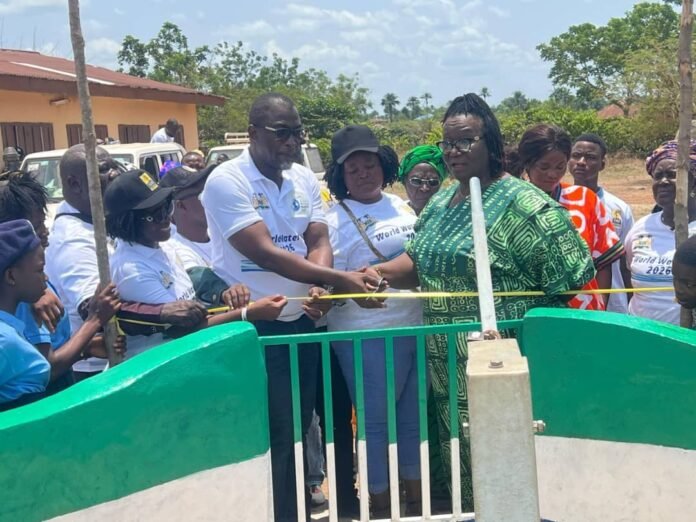
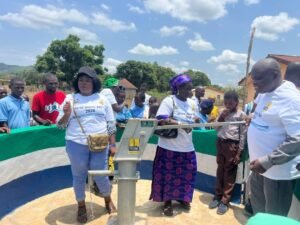
Living Water International Sierra Leone (LWISL) led a landmark commemoration of World Water Day 2026 on March 22, 2026 at Gbangbatoke Junction in Moyamba District, bringing together Government officials, traditional authorities, development partners and community members to celebrate progress in water access under the theme: “Water and Gender.”

The event, fully organized by LWISL, featured the official commissioning and handover of over 20 water points constructed across Temidele, Bagruwa, Kombora and Kargboro Chiefdoms. The initiative highlights the organization’s continued commitment to expanding access to safe drinking water while promoting gender equality and community development.

World Water Day, established by the United Nations General Assembly in 1993, serves as a global platform to raise awareness on water-related challenges and supports the realization of Sustainable Development Goal 6.

This year’s theme: “Water and Gender,” emphasized the disproportionate burden placed on women and girls in accessing water. In many rural communities, they remain primarily responsible for water collection, often walking long distances, facing safety risks and sacrificing time that could otherwise be spent on education or economic activities.

Hon. Veronica Kadie Sesay, speaking at the event, stressed that improving equitable access to water is essential for empowering women, enhancing educational outcomes for girls and strengthening household and community resilience.

LWISL has significantly improved water access across Moyamba District. The commissioning of those water facilities marks a major milestone in reducing the burden of water collection and improving the quality of life for thousands of residents.

The Country Director of LWISL, Madam Rosemarie Yeama Blake, presented an overview of the organization’s work, reaffirming its dedication to sustainable, community-led water solutions. She emphasized the importance of integrating gender considerations into water governance structures, particularly by promoting women’s leadership in WASH committees.

The ceremony attracted a wide range of stakeholders, including Paramount Chiefs from participating chiefdoms, local community leaders, school representatives and women’s groups. Also in attendance was Hon. Veronica Kadie Sesay, alongside officials from the Ministry of Water Resources and Sanitation and representatives of the Moyamba District Council.

The Permanent Secretary of the Ministry of Water Resources, Alieu Bakarr Conteh, delivered the keynote address, highlighting the Government’s commitment to strengthening partnerships with organizations like LWISL to accelerate progress in the water, sanitation and hygiene (WASH) sector.

The well-structured ceremony featured a range of activities, including stakeholder introductions, goodwill messages and community testimonies, which provided powerful insights into the impact of safe water access. A school pupil and a WASH committee chairlady shared firsthand accounts of how the new water facilities have improved health, increased school attendance and enhanced livelihoods.

A symbolic transect walk to the water sites preceded the official commissioning, reinforcing transparency, accountability and community ownership of the facilities.

In the lead-up to the commemoration, LWISL spearheaded awareness campaigns, including radio talk shows and community outreach initiatives aimed at promoting water conservation, improved sanitation and gender equality in water management.

Those efforts form part of a broader strategy to drive behavioral change and ensure the long-term sustainability of water infrastructure in the district.

The event concluded with a renewed call for collaboration among stakeholders to sustain the gains made in water access. Key outcomes included increased awareness of the water crisis, strengthened institutional partnerships and enhanced community commitment to maintaining water facilities.

Moyamba District continues to make strides toward universal water access, with inclusive participation, particularly the involvement of women and girls, remaining central to achieving lasting impact.

“Ensuring equitable access to water empowers women, strengthens families and builds resilient communities,” a key message echoed throughout the event.

The successful organization of the World Water Day celebration by LWISL, coupled with the commissioning of over 20 water points, stands as a strong testament to the power of partnership, community engagement and a shared vision for a future where safe water is accessible to all.

Zainab Sesay Reportedly Goes Missing After Alleged Pressure to Lead Bondo Society

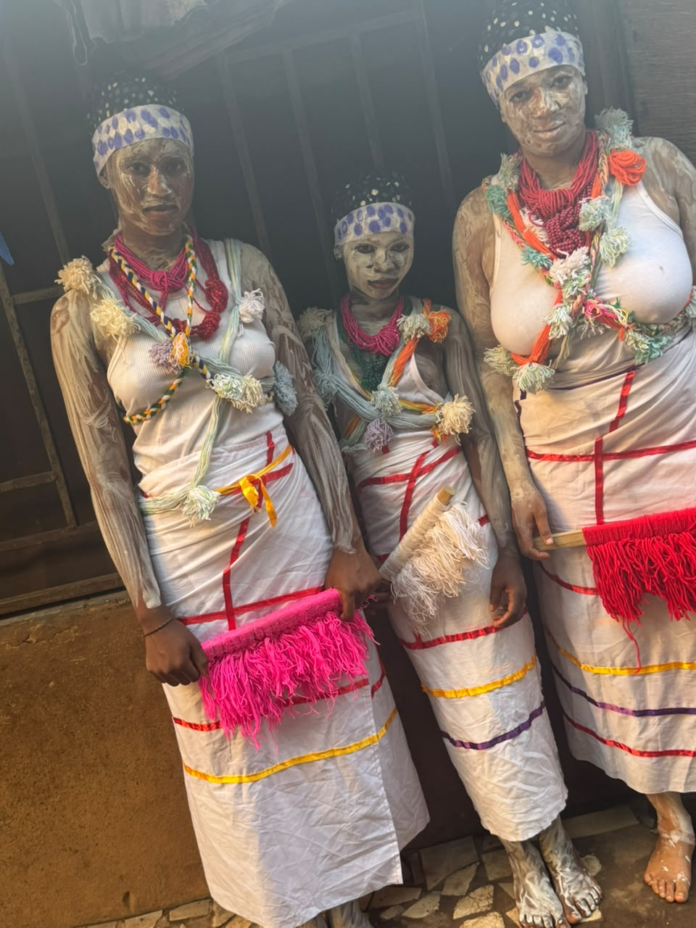
Three people covered in white body paint pose together in traditional white robes decorated with colorful tassels and beads for a cultural festival.

By Foday Moriba Conteh

Zainab Sesay, a native of Mamboi Village in Safrokoh Chiefdom, Karane District, Northern Province, has reportedly fled a traditional Bondo society initiation after allegedly being pressured to succeed her late mother as head of the society.

According to information gathered during an investigation, Sesay, the eldest daughter of the late Isatu Sesay, allegedly faced pressure to assume her mother’s position as head of the Sowie Bondo Society following her mother’s death on January 5, 2026.

Zainab was born and raised in Mamboi Village before moving to Freetown to pursue university education at Fourah Bay College (FBC), University of Sierra Leone, after completing secondary school. Following her graduation, she reportedly returned to her home village in December 2025 to live with her family.

Sources familiar with the matter alleged that shortly after her mother’s funeral, Zainab was taken to the Bondo bush for traditional initiation rites associated with assuming the leadership position.

She reportedly spent about five days at the initiation site before escaping, allegedly out of fear for her life and unwillingness to complete the process.

During her escape, she reportedly sustained several injuries, including a suspected bone fracture.

After leaving the initiation site, Zainab allegedly sought assistance at the Mamboi Village Police Station. She was subsequently referred to a local health centre for medical attention. However, due to the reported severity of her injuries, she was transferred to the police hospital in Kingtom, Freetown, before later being moved to Connaught Hospital for further treatment.

Further information gathered during the investigation suggests that a relative who accompanied Zainab to Freetown allegedly supported the move for her to succeed her late mother as head of the society.

The relative is also alleged to have maintained communication with members of the Bondo society in Mamboi Village, with the intention of facilitating Zainab’s return to the village after she recovered from her injuries so that she could complete the initiation.

According to the information obtained, Zainab later became aware of the alleged communication between her relative and members of the society.

Fearing that she might be taken back to the village against her wishes, she reportedly left the hospital before fully recovering from her injuries.

At the time of publication, her whereabouts remained unknown.

The investigation further indicates that members of the Bondo society have reportedly launched a search for Zainab following her disappearance.

The circumstances surrounding her alleged escape, the injuries she reportedly sustained and the claims that efforts were being made to return her to the village raise concerns about her safety and freedom to make decisions concerning her own participation in traditional practices.

While Bondo is an established traditional institution in Sierra Leone, any allegations of coercion, physical harm or threats against an individual warrant careful investigation by the relevant authorities.

Over the years, international media organisations have reported numerous cases of deaths and other related complications associated with Bondo Society initiations in Sierra Leone.

Speaker Thomas Issues Firm Reminder to MPs on People-Centered Leadership

Hon. Speaker of Parliament, Segepoh Solomon Thomas

By Alvin Lansana Kargbo

The Rt. Hon. Speaker of Parliament, Segepoh Solomon Thomas, has issued a strong reminder to Members of Parliament (MPs) on their constitutional obligation to prioritize the interests of the people of Sierra Leone, citing provisions of the 1991 Constitution.

Delivering his statement during parliamentary sittings on Tuesday, March 24, 2026, Speaker Segepoh Solomon Thomas emphasized that MPs must remain committed to the people they represent and avoid any conduct that undermines public trust.

Making reference to Section 97(b) of Act No. 6 of the 1991 Constitution of Sierra Leone, the Speaker quoted: “All Members of Parliament shall regard themselves as representatives of the people of Sierra Leone and desist from any conduct by which they seek improperly to enrich themselves or alienate themselves from the people.” He stressed that this provision serves as a guiding principle for parliamentary conduct and accountability.

Speaker Segepoh Solomon Thomas welcomed Members of Parliament back from recess and reiterated that their primary mandate remains service to the people. He underscored that their election into Parliament carries a responsibility that must take precedence over all other considerations, including political affiliations.

“You have been elected by your people. You come to this House of Parliament to serve the Republic of Sierra Leone. All other considerations are secondary,” the Speaker stated. “Of course, you belong to political parties, but once elected, your foremost duty is to serve the people of Sierra Leone.”

Addressing concerns surrounding the recent adjournment of parliamentary sittings, the Speaker clarified that the decision had been deliberately taken to accommodate the All People’s Congress (APC) Party’s Lower Level Elections, as well as the observance of the Eid holiday. He explained that the move was intended to ensure fairness and to prevent Members from being placed at a disadvantage while participating in critical party activities.

According to him, the decision was made in good faith to promote inclusivity and allow all Members adequate space to fulfill both their political and religious obligations without conflict.

With Parliament now reconvened, Speaker Segepoh Solomon Thomas declared that legislative work has officially resumed, noting that sittings will now be held more frequently. He called on all MPs to demonstrate renewed energy and commitment in executing their duties.

He further urged Members not to use parliamentary attendance as a tool to pressure Government, emphasizing that there are numerous legitimate avenues available to advocate for policy actions and national development priorities.

“There are more than one hundred and ten ways to urge Government to do certain things,” he said, cautioning against approaches that could undermine the integrity of parliamentary proceedings.

In concluding his remarks, Speaker Segepoh Solomon Thomas invited the leadership of the All People’s Congress in Parliament to a special meeting scheduled to take place in his Chambers at 1:00 PM the following day.

The Speaker’s address is seen as a reaffirmation of Parliament’s commitment to upholding constitutional values, strengthening democratic governance and ensuring that elected representatives remain accountable to the citizens they serve.

Deportation Shock: Over 900 Sierra Leoneans Rounded Up and Forced Out of Guinea

By Amin Kef (Ranger)

The Government of Sierra Leone has confirmed ongoing efforts to manage the return of its nationals from the Republic of Guinea following recent operations by Guinean authorities targeting informal settlements and undocumented foreign residents.

In an official press release issued on March 24, 2026, the Ministry of Information and Civic Education stated that Guinean authorities carried out an exercise on March 23, 2026, in the Boulbinet port area of Conakry. The operation reportedly affected several foreign nationals, including Sierra Leoneans, particularly those without valid documentation.

According to the Government, Sierra Leoneans found with proper legal documentation were released, while those without were processed for repatriation. Authorities emphasized that the Government, through its Embassy in Conakry, has engaged Guinean officials to ensure that the process is conducted in an orderly and humane manner, with full respect for the rights and dignity of Sierra Leonean citizens.

Officials from both Sierra Leone and Guinea are currently coordinating at designated border points to facilitate the return process. Sierra Leonean authorities are receiving deportees, conducting screening and documentation procedures, and arranging for their safe and dignified reintegration into their respective communities.

As of March 24, 2026, a total of 942 Sierra Leoneans, including women and children, had been received at the Kambia border. Authorities noted that onward arrangements are ongoing to support the returnees.

The Government has urged the public to remain calm and rely on verified information from official channels, while reaffirming its commitment to safeguarding the welfare of its citizens and maintaining diplomatic engagement with Guinea.

However, reports from multiple sources indicate that more than 500 Sierra Leoneans were initially stranded at the Pamlap border crossing following the deportation exercise, raising humanitarian concerns.

Witnesses and deportees describe the operation as a coordinated crackdown across several communities in Guinea. Some individuals were reportedly accused of contributing to urban disorder, while others were labeled as unemployed. The exercise is said to have caused widespread panic, with women, children, and elderly persons among those affected.

Several deportees alleged that they were forcibly removed from their homes, with personal belongings such as money and mobile phones confiscated. Others claimed that security forces used tear gas during the operation and subjected some individuals to harassment and physical abuse.

“We were simply living our lives and working small jobs to survive, but we were treated like criminals,” one deportee recounted.

Returnees are currently being processed at the Pebu Military Barracks in Kambia District, where authorities are undertaking line listing ahead of their redistribution across the country. Local officials are also providing emergency support, including transportation and basic assistance.

The development comes just days after a high-level tripartite meeting involving Sierra Leone, Guinea, and Liberia in Conakry aimed at easing border tensions within the Mano River Union. The timing of the deportations has raised concerns among observers about the fragility of recent diplomatic engagements.

In a related development, Member of Parliament for Kailahun District, Hon. Ing. Fallah Tengbeh, confirmed that Guinea has agreed to withdraw its troops from the disputed Yenga area as part of a peace agreement reached during the summit. The agreement, signed alongside President Julius Maada Bio and Liberian President Joseph Nyuma Boakai, has been described as a significant step toward resolving longstanding border disputes.

Meanwhile, Opposition Leader Abdul Kargbo has described the situation as deeply troubling, citing allegations of mistreatment of Sierra Leoneans and calling for a firm and coordinated national response.

Humanitarian stakeholders have also called on both governments to ensure due process, uphold human rights standards, and provide urgent assistance to those affected.

As the situation continues to unfold, the absence of detailed official explanations from both sides leaves many questions unanswered, while hundreds of Sierra Leoneans remain in uncertainty awaiting safe return and reintegration.

Chinese Embassy Hosts High-Level Symposium on “Two Sessions” and 15th Five-Year Plan

His Excellency Ambassador Zhao Yong

By Ibrahim Sesay

The Chinese Embassy in Sierra Leone has convened a high-level symposium at China House on Old Railway Line in Freetown, bringing together senior Government officials, academics, civil society actors and development stakeholders to deliberate on the outcomes of China’s annual “Two Sessions” and the newly adopted 15th Five-Year Plan.

The event, held on Tuesday, 24th March 2026, was led by the Ambassador Extraordinary and Plenipotentiary of the People’s Republic of China to the Republic of Sierra Leone, His Excellency Ambassador Zhao Yong, who delivered a comprehensive keynote address on China’s economic trajectory, modernization agenda and global diplomatic posture.

In his address, Ambassador Zhao Yong described the “Two Sessions”; comprising the National People’s Congress and the Chinese People’s Political Consultative Conference, as a critical institutional platform that offers the international community a clear perspective on China’s governance priorities and development direction. He noted that in an increasingly volatile global environment, China’s policy decisions continue to attract heightened global interest.

He emphasized that the symposium was convened to deepen understanding among Sierra Leonean stakeholders regarding China’s policy concepts and long-term development objectives. “The Two Sessions have always served as a window for the world to observe China’s development trajectory,” Ambassador Zhao Yong stated.

Highlighting China’s economic performance, Ambassador Zhao Yong underscored the country’s role as a key driver of global growth. He revealed that over the past five years, China’s economy has recorded an average annual growth rate of 5.4 percent, contributing approximately 30 percent to global economic expansion; exceeding the combined contribution of the G7 economies. He further noted that China’s Gross Domestic Product surpassed 20 trillion United States dollars in 2025.

The Ambassador pointed to robust progress in scientific and technological innovation, citing advancements in artificial intelligence, robotics, biomedicine and quantum technology. He disclosed that China currently holds a significant share of global artificial intelligence patents, while its industrial internet applications now span all major industrial sectors. He further emphasized China’s commitment to a people-centered development model, referencing improvements in employment generation, healthcare outcomes and environmental sustainability.

On the 15th Five-Year Plan, Ambassador Zhao Yong explained that the newly adopted blueprint marks a decisive phase in advancing Chinese modernization. He stated that the plan prioritizes boosting domestic consumption, upgrading traditional industries and fostering the growth of emerging and future sectors to sustain long-term economic resilience.

He added that China will continue to pursue high-standard opening up, expand trade and investment cooperation and deepen global economic integration. According to him, China aims to strengthen its dual role as both a global manufacturing hub and an expanding consumer market. He disclosed that a Gross Domestic Product growth target of between 4.5 percent and 5 percent has been set for 2026.

Addressing global affairs, Ambassador Zhao Yong reaffirmed China’s commitment to multilateralism, peace and international justice. He noted that China remains actively engaged in diplomatic efforts aimed at promoting dialogue, easing tensions and fostering global stability. “Our steps for peace will not halt and our voice for justice will not fall silent,” he emphasized.

He further highlighted the strengthening of China-Africa relations, noting that 2026 marks the 70th anniversary of diplomatic relations between China and African countries, as well as the “China-Africa Year of People-to-People Exchanges.” He disclosed that nearly 600 exchange activities are scheduled for the year and announced that, effective 1st May 2026, China will implement zero-tariff access for 100 percent of African imports.

On bilateral relations, Ambassador Zhao Yong described China and Sierra Leone as longstanding partners whose relationship has continued to deepen over the years. He noted that 2026 marks the 55th anniversary of diplomatic ties between the two countries and the 10th anniversary of the establishment of their Comprehensive Strategic Cooperative Partnership. He reaffirmed China’s commitment to enhancing political mutual trust, strengthening international coordination and expanding people-to-people exchanges for the mutual benefit of both nations.

Speaking at the symposium, Mohamed Kamara of the Sierra Leone-China Foundation described China-Africa relations as a durable partnership grounded in mutual benefit across economic, political and social spheres. He noted that China’s development model reflects strategic consistency and long-term planning, which have contributed to sustained growth and global influence.

President of the Sierra Leone-China Friendship Association, Onikeh King, underscored the importance of people-to-people engagement in strengthening bilateral relations. She emphasized that educational exchanges, cultural cooperation and professional collaboration continue to play a vital role in building trust and sustaining long-term partnerships between the two countries.

Academics, including Dr. Patrick B. Kapuwa, former Permanent Representative to the African Union, and Alpha M. Jalloh of the China-Africa Institute at the University of Makeni, also shared insights drawn from their experiences with China-Sierra Leone cooperation, particularly in the area of scholarship programmes. They noted that such initiatives have significantly contributed to knowledge exchange and human capital development.

The symposium concluded with an interactive question-and-answer session, providing participants with the opportunity to further interrogate China’s policy directions and their implications for Sierra Leone and the broader Africa-China partnership, while reaffirming the enduring ties between the two nations.