By Foday Moriba Conteh
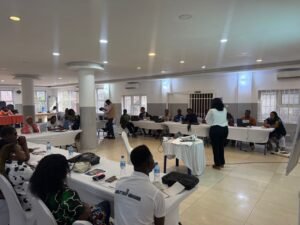
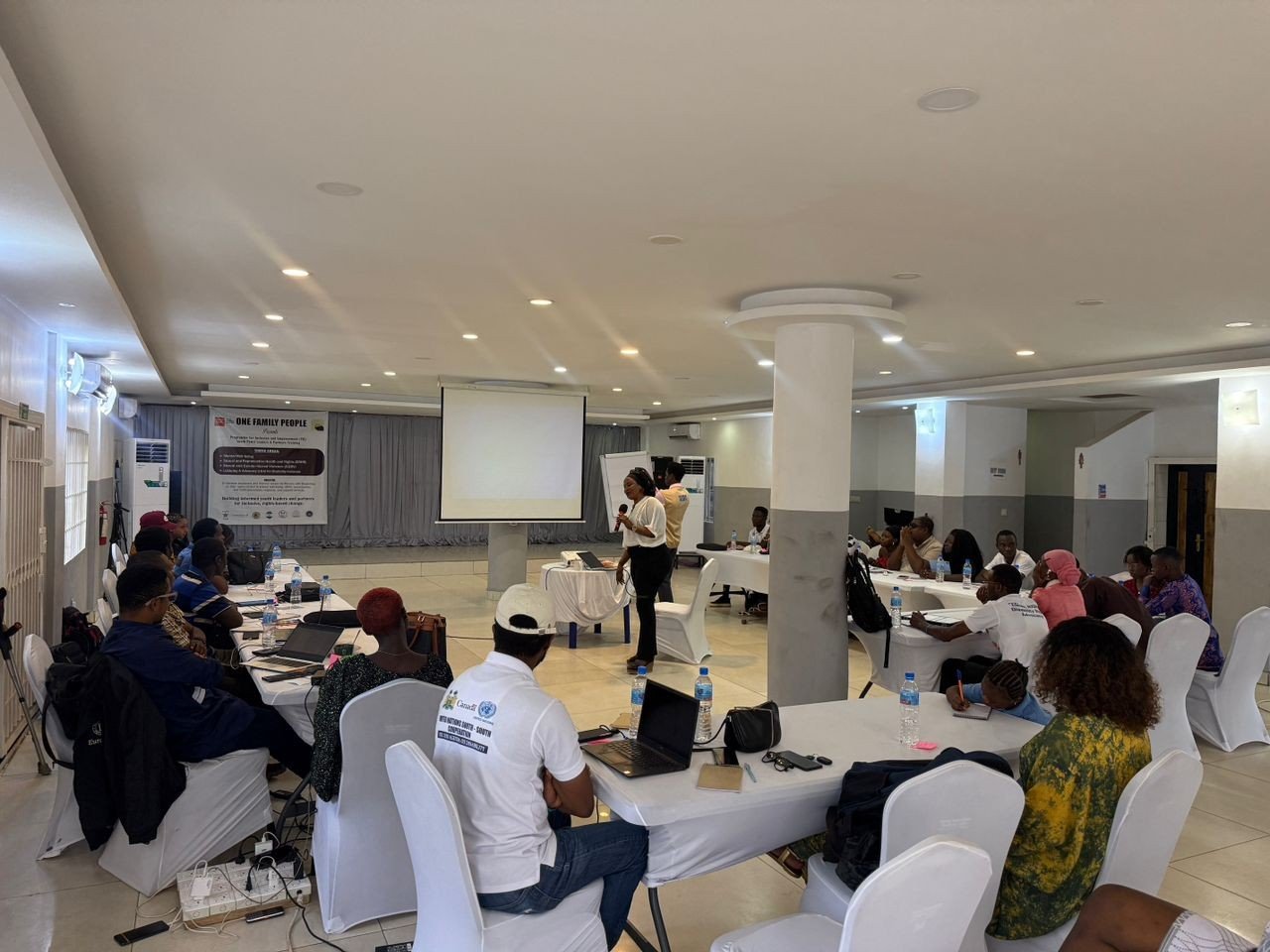
In a significant step towards advancing disability inclusion and rights-based advocacy in Sierra Leone, One Family People (OFP), with support from Liliane Fund, concluded a specialized training programme for youth panel leaders and partner organizations under its Programme for Inclusion and Empowerment (PIE) on Friday, 13th February 2026. The training, held at Saphyre Court Hall in Freetown, focused on four thematic areas: Mental Well-being, Sexual and Reproductive Health and Rights (SRHR), Sexual and Gender-Based Violence (SGBV), and Lobbying and Advocacy for Disability Inclusion.

Samuel POV Macauley, Operations and Programmes Director of OFP, emphasized the importance of building strong youth leadership and institutional capacity to promote disability inclusion nationwide. He highlighted that the training aims to strengthen systems and equip youth leaders and partner organizations to design and implement inclusive, rights-based programmes.
Macauley explained that OFP has evolved from short-term charity interventions to a strategic, evidence-based approach prioritizing systemic change. “We are not just implementing projects; we are building systems and programmes that respond to the real needs of children and young people with disabilities,” he said, noting that this approach requires knowledge, commitment, and a serious engagement from all stakeholders.
He added that OFP has spent years piloting innovative strategies, gathering data, and assessing challenges faced by persons with disabilities to inform more effective programming. “If we are designing programmes in communities, we must ensure they truly reflect the needs of persons with disabilities. We cannot implement activities without first understanding the issues,” Macauley stated.
The Operations Director further highlighted the need to strengthen youth platforms to serve as channels for advocacy, information-sharing, and community engagement. Youth leaders must be equipped with the knowledge and skills to advocate effectively and provide accurate information to their communities.
Macauley explained that the training seeks to increase awareness and improve access for persons with disabilities to essential rights and services related to mental health, SRHR, social justice, and SGBV prevention and response. The programme also aims to strengthen prevention, response, and support systems for survivors of abuse, particularly those living with disabilities.
He noted that young persons with disabilities often face barriers in accessing accurate information, healthcare services, and legal protection. Through capacity-building initiatives, OFP aims to close knowledge gaps while fostering youth-led advocacy. Participants, including youth panel leaders and partner representatives, were trained to advocate for inclusive policies, challenge stigma, and ensure services are accessible to all.
“This training is about building informed youth leaders and partners who can drive inclusive, rights-based change,” Macauley emphasized. “Young people with and without disabilities must be empowered to speak up, demand their rights, and support one another.” He expressed optimism that the initiative would enhance collaboration among youth leaders, civil society organizations, and service providers, ultimately improving the well-being and protection of persons with disabilities.
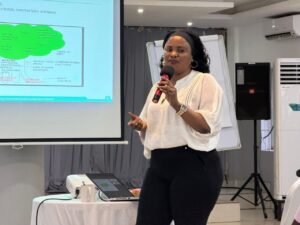
Maimuna M. Fedu, Programs Manager at Rainbow Initiative, who facilitated a session on Sexual and Gender-Based Violence (SGBV), underscored the urgent need to ensure that persons with disabilities have full access to services addressing SGBV. She described the issue as critical, emphasizing that persons with disabilities are often marginalized and face significant barriers in accessing essential support services.
“Persons with disabilities are frequently left out and isolated,” Fedu said. “They face heightened risks of abuse and encounter multiple barriers when trying to access medical, psychosocial, and legal services. Inclusion is not optional; it is their right.” She urged organizations and service providers to intentionally design programmes that accommodate persons with disabilities, stressing that failure to do so deepens inequality.
Fedu explained that her presentation encouraged participants to reflect on their own perceptions and assumptions about SGBV and disability. She highlighted the importance of practical strategies to ensure survivors with disabilities receive adequate support. “If we are intentional, we can make meaningful progress in our interventions,” she said.
Highlighting Rainbow Initiative’s work, Fedu noted that the organization has been deliberate in reaching persons with disabilities across Sierra Leone, including through mobile clinics and accessible Rainbow Centers. Services provided include clinical care, psychosocial support, and medical certification for survivors, with coordination alongside Family Support Units and community stakeholders.
She acknowledged that SGBV remains a persistent challenge despite existing laws such as the Sexual Offences Act. However, she pointed out that increased reporting demonstrates growing awareness. Fedu emphasized that while complete elimination of SGBV may be challenging, sustained commitment and government-partner collaboration can significantly reduce its prevalence.
Saa Lamin Kortequee, Executive Secretary of the National Commission for Persons with Disability (NCPD), and facilitator of the session on lobbying and advocacy, stressed the importance of strategic advocacy to advance disability inclusion in Sierra Leone. He explained that advocacy is guided by frameworks such as the Persons with Disability Act and the United Nations Convention on the Rights of Persons with Disabilities (UNCRPD).
“Advocacy is about approaching decision-makers with facts and evidence,” Kortequee stated. “We must present documented realities and demonstrate why change is necessary and beneficial for national development.” He noted that effective lobbying requires pre-assessments, data collection, and constructive engagement with policymakers and ministries.
Kortequee highlighted progress made in policy discussions and development planning but stressed the need for greater access to employment and leadership positions for persons with disabilities. He encouraged youth leaders to see themselves as advocates capable of influencing community and national change through evidence-based engagement.
Thomas Lebbie, Head of Programs at the Welfare Society for the Disabled, described the OFP PIE training as a valuable boost to advocacy and youth empowerment efforts. Lebbie noted that the training strengthened the capacity of young people to influence decision-making and champion the rights of persons with disabilities in their districts.
“This training is very significant to our work,” he said. “It adds value to our advocacy efforts and strengthens the capacity of young people who are already engaging in decision-making and rights-based activism.”
Lebbie highlighted that the sessions on SGBV, lobbying, advocacy, and SRHR provided essential knowledge to enhance organizational programming and community interventions. He emphasized that persons with disabilities remain disproportionately affected by SGBV and other rights violations, and that effective advocacy networks are crucial to raising awareness and influencing policies.
He also confirmed plans to cascade the knowledge gained from the training to staff, youth groups, and community stakeholders, ensuring wider dissemination and practical application of the lessons learned. “This training will not end here,” Lebbie affirmed. “We will ensure that the skills and knowledge gained are shared within our organization and among the communities we serve.”
The OFP PIE training successfully brought together youth leaders and partner organizations to strengthen capacity in mental well-being, SRHR, SGBV prevention and response, and disability-focused lobbying and advocacy. Participants left equipped with knowledge, skills, and networks to champion inclusive policies, promote rights-based interventions, and ensure that persons with disabilities have improved access to essential services.