
By Ibrahim Sesay
The Ministry of Tourism and Cultural Affairs has provided a comprehensive update on the cultural and economic outcomes of the One Nation Reggae Festival, describing the event as a landmark initiative that has strengthened Sierra Leone’s creative sector, enhanced international cultural ties and generated tangible economic benefits for the country.

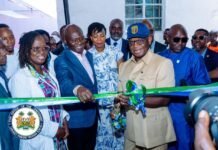
The update was delivered during a press conference held on Wednesday, January 7, 2026, at the Ministry’s headquarters on Kingharman Road in Freetown. Addressing journalists, development partners and stakeholders from the creative industry, Minister of Tourism and Cultural Affairs, Nabeela Farida Tunis, disclosed that proceeds from the festival have been earmarked for the establishment of a Creative Village, humanitarian relief efforts abroad and statutory contributions to national revenue.
According to the Minister, the One Nation Reggae Festival has proven that culture can be a powerful driver of economic growth, international cooperation and national branding when properly structured and supported. She noted that the festival has not only entertained audiences but has also created opportunities for local artists, technicians and creative entrepreneurs.
Conceptualized as a platform to fuse Sierra Leonean and Caribbean cultures, the One Nation Reggae Festival celebrates Sierra Leone’s historical role in global emancipation while promoting the country as a hub for cultural diplomacy and world-class entertainment. The six-day festival featured live music performances, cultural exchanges, workshops and community engagement activities, attracting international reggae artists and cultural enthusiasts, while significantly increasing Sierra Leone’s visibility on the global cultural stage.
Welcoming participants at the press conference, Permanent Secretary at the Ministry, Judith Jones, described the festival as a milestone in Sierra Leone’s cultural calendar. She said the event reflects Government’s deliberate effort to harness culture as a tool for national development, youth empowerment, and tourism growth.
Providing historical context, Festival Coordinator and Research Officer at the Monuments and Relics Commission (MRC), Francis Momoh, traced the origins and conceptual framework of the festival. He explained that the initiative was designed to go beyond annual celebrations and instead establish a sustainable cultural platform that would preserve heritage, promote cultural exchange and create long-term benefits for future generations.
Director of Culture, Creativity and Innovation, Foday Jalloh, recapped the six days of cultural fusion, highlighting the festival’s positive impact on local communities and its role in strengthening cultural and historical ties between Sierra Leone and the Caribbean. He noted that the professionalism, creativity and discipline demonstrated by artists and organizers have set a new benchmark for cultural festivals in the country.
Producer of the festival, Bhai Dhawa Sesay, said the objective was to deliver one of the best reggae festivals in Sierra Leone and the wider sub-region. He explained that a rigorous artist selection process was adopted, with a strong emphasis on live band performances rather than playback, a move that enhanced performance quality and audience experience.
Despite minor logistical challenges, Bhai Dhawa Sesay disclosed that the festival recorded a 99 percent success rate, demonstrating Sierra Leone’s readiness to host events of international standard. He further revealed plans to position Sierra Leone as the reggae capital of West Africa and Africa at large, leveraging the country’s historical links to the Caribbean and its rich musical heritage.
Bhai Dhawa Sesay also highlighted the creation of a unique “Troup Beat,” a distinctive sound developed by blending reggae rhythms with traditional Sierra Leonean instruments. According to him, the innovation represents an effort to create a recognizable national sound that can compete on the global music stage while preserving local identity.
Founder of Inkee Media, Ishmael Bull, underscored the importance of branding and visual identity in the festival’s success. He noted that the festival’s logo, which prominently features the Jamaican flag, has gained international recognition and significantly enhanced the festival’s global appeal and marketability.
In her keynote address, Minister Tunis expressed gratitude to development partners, private sector actors, creative professionals and community stakeholders who contributed to the success of the festival. She commended President Julius Maada Bio for providing the enabling environment to realize the festival’s vision, noting that the initiative aligns with his agenda of promoting creativity, innovation and sustainable cultural and economic transformation.
The Minister disclosed that proceeds from the festival included Le 230,130 contributed to the National Revenue Authority, Le 767,100 allocated towards the establishment of a Creative Village to nurture and incubate local talent, and USD 10,000 donated to support Hurricane Melissa relief efforts in Jamaica. She emphasized that those contributions are not merely financial figures but strategic investments in Sierra Leone’s creative economy, national development and international solidarity.
She further noted that Government’s financial contribution to the festival was partial, underscoring a deliberate policy direction to encourage private-sector leadership in tourism and creative industry development, with Government playing a facilitative and regulatory role.
The press conference concluded with an interactive question-and-answer session, during which journalists raised issues ranging from sustainability and funding to international partnerships and future editions of the festival. Ministry officials responded to the questions, reaffirming their commitment to transparency, accountability and the long-term sustainability of the One Nation Reggae Festival.
The Ministry of Tourism and Cultural Affairs described the One Nation Reggae Festival as a major step in positioning Sierra Leone as a centre for international cultural activities, creative excellence and cultural tourism, with the potential to generate jobs, attract investment and project a positive national image to the world.