By Amin Kef (Ranger)
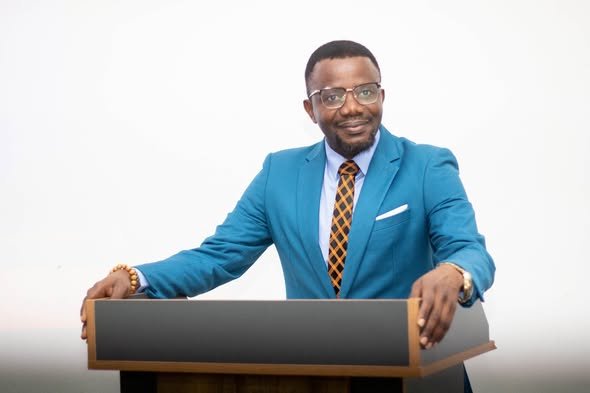
Professor Ezekiel K. Duramany-Lakkoh has unveiled an ambitious 2026 Public Engagement Agenda aimed at reshaping national development through education, mindset transformation and active citizen participation.

In a message of hope and national renewal at the start of the New Year, Prof. Ezekiel K. Duramany-Lakkoh emphasized that development should not be narrowly defined by physical infrastructure or Government expenditure alone. Instead, he argued that sustainable progress begins with how citizens think, what they value and how they participate in shaping their country’s future.
“Development is not only about roads, buildings or budgets,” he stated. “True development begins with the human mind and the values that guide collective action.”
According to the Professor, national development conversations must go beyond political platforms and elite discussions. He stressed that citizens themselves bear responsibility for understanding development and contributing meaningfully to it at every level of society.
To drive that shift, Prof. Ezekiel K. Duramany-Lakkoh outlined ten core engagement programmes he plans to champion throughout 2026, each designed to address what he described as critical “mindset gaps” holding back national progress.
The first programme focuses on redefining education. He explained that many citizens misunderstand what education truly entails, confusing academic certification with transformative, skills-based learning. The engagement will explore the differences between academic and professional education, knowledge-based and skills-based systems and why Sierra Leone must urgently move toward a more innovative, knowledge-driven education model.
The second pillar centers on financial literacy, particularly for young people. That discussion will examine what wealth truly means, who can be considered wealthy and how responsible money management forms the backbone of economic growth and personal stability.
Third is a private sector and entrepreneurship awareness programme aimed at shifting mindsets from dependency to productivity. Prof. Ezekiel K. Duramany-Lakkoh said the initiative will encourage innovation, enterprise creation and job generation as engines of national development.
The fourth engagement targets youth skills and work ethics. It seeks to restore respect for skills, discipline and the dignity of labour, while preparing young people to compete effectively in a modern, globalized economy.
Saving and investment awareness forms the fifth programme. Here, citizens will be educated on the importance of savings and long-term investment, and how personal wealth creation can support critical needs such as education, healthcare and housing.
Environmental protection and climate awareness constitute the sixth focus area. Prof. Ezekiel K. Duramany-Lakkoh noted that sustainable development cannot be achieved without protecting land, water and forests, adding that environmental neglect threatens future generations.
The seventh programme addresses social inclusion and cultural diversity. He stressed that development cannot be realized without equal opportunities for all, regardless of gender, religion, class or ethnic background.
Community development and local leadership education make up the eighth engagement. This initiative will encourage citizens to take ownership of development at the community level, rather than waiting solely on central Government interventions.
Digital literacy and innovation awareness follow as the ninth priority. Prof. Duramany-Lakkoh described technology as a powerful tool for education, business growth and national competitiveness when properly understood and responsibly used.
The tenth and final programme focuses on national values and integrity. It aims to reinforce honesty, hard work, patriotism and accountability as the moral foundation upon which lasting development must stand.
“These programmes are not about politics,” Prof. Duramany-Lakkoh clarified. “They are about mindset change. When minds change, nations change.”
He concluded by calling for collective responsibility, stressing that development must be understood, owned and protected by the people themselves. Through education, participation and shared values, he said, Sierra Leone can build a future where development is not only planned by leaders but practiced daily by citizens.