
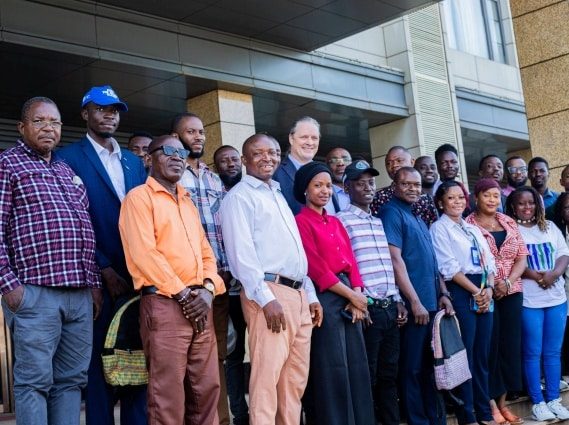
The United Nations Development Programme (UNDP) has launched a three-day capacity-building training programme for 20 Sierra Leonean innovators, aimed at transforming locally developed solutions to plastic pollution into sustainable businesses capable of creating employment, improving livelihoods and protecting the environment.
The initiative, launched in Freetown during the week of 27 October 2026, forms part of the Global Plastics Innovation Programme (GPIP), an international intervention funded by the United Nations Peace and Development Trust Fund (UNPDF).
The training seeks to strengthen the entrepreneurial and technical capabilities of selected innovators working on practical approaches to tackling Sierra Leone’s growing plastic waste challenges.
Participants are receiving specialized instruction in business development, financial management, investment readiness, market expansion, strategic partnerships and measuring the environmental and social impact of their activities.
Through expert-led discussions, practical exercises and networking opportunities, the programme is expected to equip participants with the knowledge and connections necessary to expand their operations beyond their immediate communities.
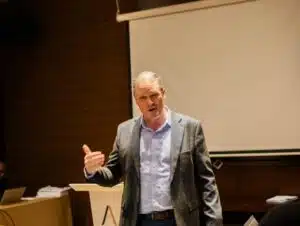
Speaking on the initiative, UNDP Deputy Resident Representative in Sierra Leone, Kevin Petrini, underscored the importance of supporting homegrown innovations capable of addressing environmental challenges while generating economic opportunities.
“Sierra Leone’s fight against plastic pollution is ultimately a story of innovation, entrepreneurship and community leadership,” he stated.
He explained that innovators across the country were already demonstrating how discarded plastic materials could be converted into economically valuable products, creating employment while contributing to environmental protection.
According to him, investing in local entrepreneurs represents an important step towards establishing a cleaner, more resilient economy built around sustainable production and responsible resource management.
Despite the growing interest in recycling and environmentally friendly businesses, many Sierra Leonean innovators continue to encounter difficulties accessing financing, attracting investors, developing partnerships and penetrating competitive markets.
The UNDP intervention is designed to address those limitations through targeted training and continued technical advisory support after the initial sessions.
Binta Barrie, UniPod Lead for the Zero-Waste Lab at Fourah Bay College, welcomed the initiative, describing it as an opportunity for emerging entrepreneurs to strengthen their businesses and increase their contribution to environmental sustainability.
“Many innovators have the passion and ideas needed to address plastic pollution, but scaling those solutions remains a significant challenge,” she observed.
She noted that the programme would provide participants with practical tools, professional networks and business knowledge to transform promising local initiatives into sustainable enterprises.
The Global Plastics Innovation Programme, which runs from 2024 to 2027, is being implemented across six countries: China, Nigeria, Sierra Leone, South Africa, Tunisia and Viet Nam.
It supports entrepreneurs, startups and policymakers in developing innovative approaches to plastic waste collection, recycling, reuse and alternative materials.
Established in 2016 with support from the Government of China, the UNPDF finances development initiatives aligned with the United Nations Sustainable Development Goals.
Through the programme, UNDP hopes to accelerate Sierra Leone’s transition towards a circular economy in which plastic waste becomes a valuable resource rather than an environmental burden, while creating opportunities for green entrepreneurship and sustainable economic growth.