

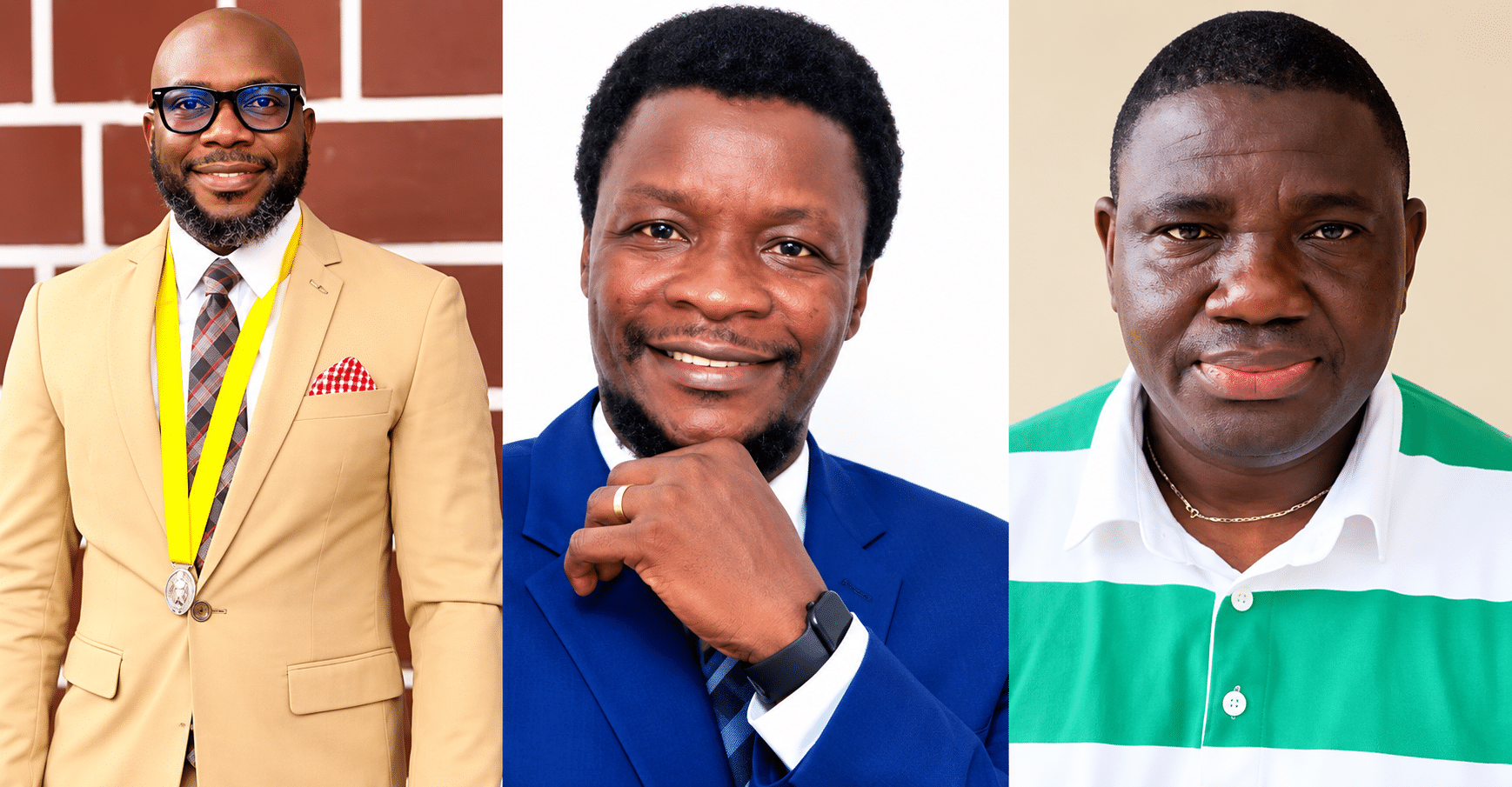
The Sierra Leone Association of Journalists (SLAJ) has rejected allegations by the National Publicity Secretary of the ruling Sierra Leone People’s Party (SLPP), Moses Sellu Mambu, that journalists Victor Jones and Thomas Dixon conspired to submit a false report against him, describing the claims as unsupported by its records.
In a Press Release dated Wednesday, October 28, 2026, SLAJ expressed serious concern over statements allegedly made by Moses Sellu Mambu during an appearance on Liberty TV’s Online Breakfast Show, warning that public accusations against media practitioners could undermine their professional reputations and expose them to unwarranted hostility.
The Association said it received a formal complaint from Victor Jones on October 21, 2026, concerning remarks Moses Sellu Mambu allegedly made during the programme on October 19. The broadcast was hosted by Khadija Bangura and Mabel Kabba.
According to SLAJ, Moses Sellu Mambu reportedly accused Victor Jones of being among journalists pursuing an agenda against the SLPP and alleged that Victor Jones and fellow journalist, Thomas Dixon, had conspired to submit a false report against him to the journalists’ association.
The allegations have raised concerns about the relationship between political actors and the media, particularly the need to distinguish legitimate political disagreements from accusations that could undermine journalists’ credibility and professional independence.
SLAJ said its Secretary-General, Edward Fara Marrah, contacted Moses Sellu Mambu to obtain his response to the allegations. During that engagement, Moses Sellu Mambu reportedly clarified that his remarks about an agenda against the SLPP referred to media houses rather than Victor Jones personally.
However, according to the Association, Moses Sellu Mambu maintained his allegation that Victor Jones and Thomas Dixon had conspired to submit a false report against him. SLAJ said it reviewed the available evidence, including a video recording of the broadcast, before expressing its concerns about the statements.
Following that review, the Association said the allegations against Victor Jones could undermine his professional reputation and expose him to hostility, particularly in an environment where political divisions can influence public perceptions of journalists and their work.
SLAJ further clarified that its records contained no evidence of a false report submitted by Victor Jones and Thomas Dixon against Moses Sellu Mambu. It consequently rejected the allegation as unsupported by the information available in its records.
The Association called for responsible public communication on matters involving journalists, emphasizing that political disagreements should not be used to portray media practitioners as acting against a political party simply because their reporting or professional activities attract criticism.
SLAJ President Alhaji Manika Kamara underscored the constitutional and democratic responsibilities of journalists, maintaining that their work should not automatically be interpreted as political opposition.
“Journalists have a constitutional responsibility to inform the public, scrutinize those in authority and hold power to account,” Alhaji Manika Kamara said.
He added that journalists’ professional work should not be portrayed as an agenda against a political party merely because their reporting might be critical or uncomfortable for those in positions of authority.
The SLAJ president further stressed that concerns about a journalist’s conduct should be raised through appropriate channels and addressed on the basis of evidence, rather than through public statements that could damage professional credibility.
The Association also expressed concern about the potential implications of publicly associating a named journalist with hostility towards a ruling political party in an already polarized environment. It warned that such statements could expose journalists to intimidation, harassment and threats to their personal safety.
Against that background, SLAJ called on political leaders and party officials to exercise restraint in their public pronouncements and ensure that their statements do not encourage hostility towards media practitioners.
The Association specifically urged Moses Sellu Mambu to demonstrate greater responsibility in his public communication and respect the independence and professional role of journalists, regardless of the political implications of their reporting.
SLAJ also encouraged political actors to address grievances involving the media through constructive engagement and established complaint mechanisms, rather than resorting to public accusations that may intensify tensions between political parties and journalists.
The Association’s position comes amid wider discussions about press freedom and journalists’ safety in Sierra Leone. Earlier in October, SLAJ raised concerns over a separate allegation involving Moses Sellu Mambu and journalist Thomas Dixon, calling for an impartial investigation into a reported confrontation following a television programme. Moses Sellu Mambu denied making the alleged threat, according to the Association’s earlier statement.
The broader debate has also coincided with renewed efforts by SLAJ to strengthen constitutional protections for press freedom and freedom of expression. On October 23, media stakeholders reportedly validated a proposed standalone constitutional chapter on press freedom, with the Association expected to pursue further advocacy for its adoption.
Reaffirming its commitment to ethical and responsible journalism, SLAJ said it would continue defending press freedom and the rights, safety and professional dignity of journalists across the country. The Association maintained that journalists must be able to perform their duties without fear or favour, while political actors should use lawful and democratic means to resolve disagreements with the media.