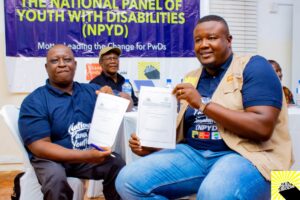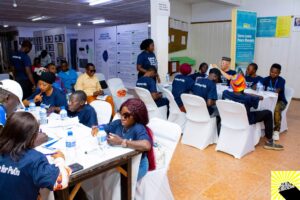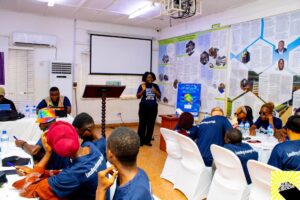

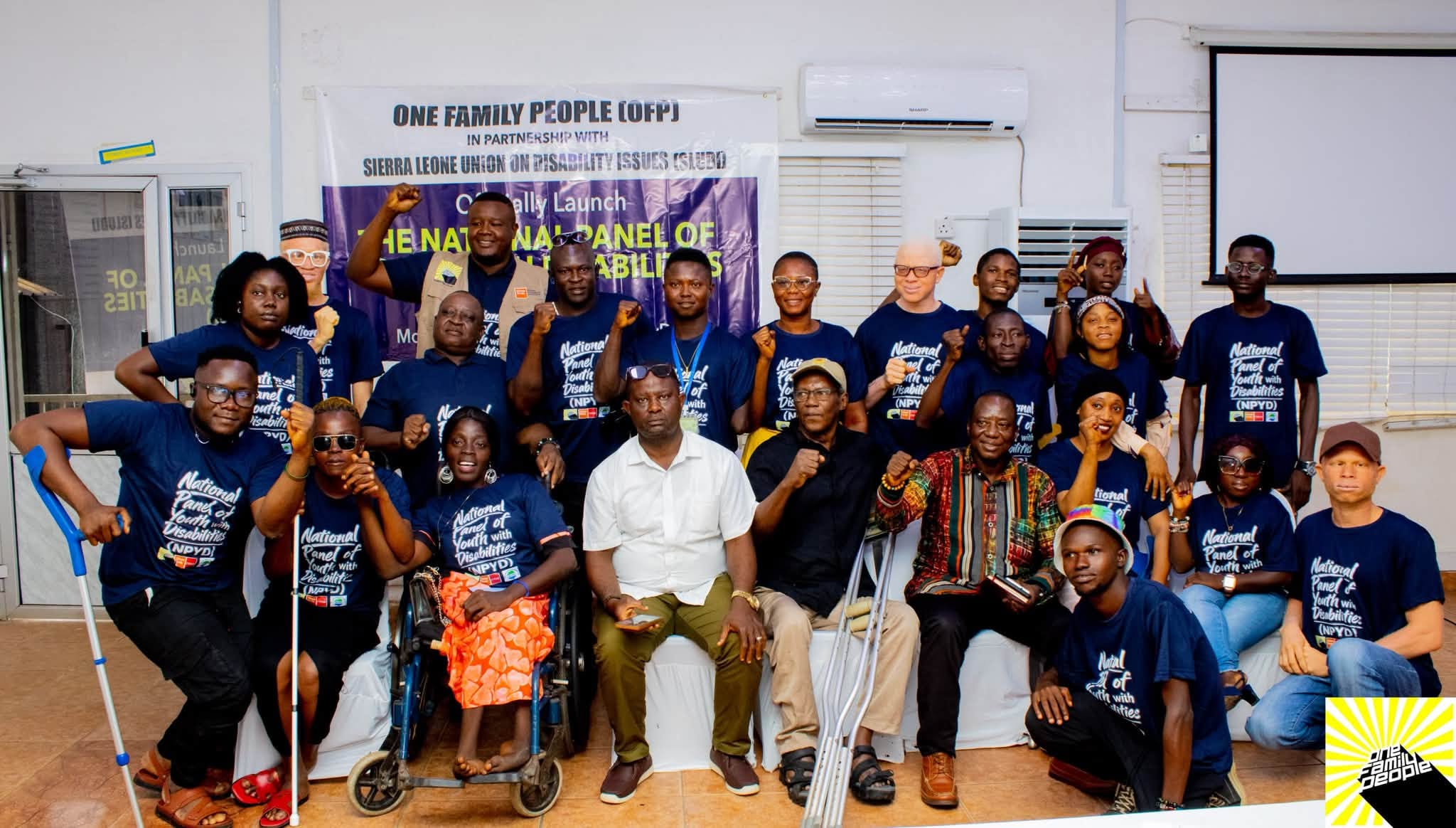
One Family People (OFP), in partnership with the Sierra Leone Union on Disability Issues (SLUDI) and with support from Liliane Fonds, has officially launched the National Panel of Youth with Disabilities (NPYD) alongside its 2026 inception workshop. The ceremony was held on Tuesday, 18 August 2026, at the Sierra Leone Peace Museum Hall in New England Ville, Freetown. It brought together Government representatives, Disability-Rights Organisations, advocates and young persons with disabilities to promote their inclusion and participation in national development.
The initiative will provide young persons with disabilities with a platform to discuss their concerns, advocate for their rights and contribute to policies and programmes affecting their lives.
Speaking at the ceremony, the Operations Director of One Family People, Samuel P.O.V. Macauley, described the initiative as innovative and long overdue. He said the panel would allow young persons with disabilities to share their experiences, identify common priorities and lead advocacy on issues affecting them.
Samuel P.O.V. Macauley explained that the partnership was established to strengthen the capacity of disability-focused organisations and encourage coordinated action among institutions working to promote inclusion.
“We need to strengthen capacity and work collectively to ensure that disability inclusion becomes a priority for every institution in this country,” Samuel P.O.V. Macauley said.
He stressed that persons with disabilities should not be treated as a homogeneous group because their experiences and challenges differ according to age, gender, type of disability, location and other social circumstances.
According to him, recognizing those differences is essential to developing effective policies, programmes and advocacy strategies. He said the panel would enable stakeholders to better understand the specific needs of young persons with disabilities and support them in demanding their rights.
Samuel P.O.V. Macauley assured participants that the initiative would continue beyond the launch. He said One Family People had maintained partnerships with disability organisations for more than a decade and remained committed to institutional capacity-building, leadership development, advocacy and resource mobilization.
He expressed hope that members would acquire the confidence and skills required to take ownership of the initiative and become leaders and agents of change in their communities.
President of the Sierra Leone Union on Disability Issues, Joseph Allieu, described the panel’s establishment as a major step towards ensuring that young persons with disabilities lead advocacy on matters affecting them.
He disclosed that the panel comprises representatives from all 16 districts of Sierra Leone, with members expected to serve as the voices of young persons with disabilities in their respective communities.
“The idea is to have the voices of young people represented in their districts so that they can lead advocacy with their peers for the change they want,” Joseph Allieu said.
He explained that panel members would not only represent young persons with disabilities nationally but would also engage their peers at the district level, identify their concerns and ensure that those issues receive the attention of relevant authorities.
Chairman and Chief Commissioner of the National Commission for Persons with Disabilities (NCPD), Brima Abdulai Sheriff, called for stronger national action to address discrimination, unemployment and the limited participation of young persons with disabilities in governance and leadership.
Brima Abdulai Sheriff said young people possess considerable energy, creativity and potential, but many remain excluded from important national processes. He maintained that young persons with disabilities were particularly disadvantaged, with their voices suppressed, participation limited and inclusion almost absent.
He said the panel offered an opportunity to amplify their voices, build a strong advocacy movement and encourage coordinated action towards greater inclusion.
The NCPD Chairman pledged the Commission’s support to the panel but urged members to practice responsible, evidence-based advocacy.
“We want advocates and strong voices that will place disability issues in the national spotlight. However, advocacy must be conducted responsibly. It is not only about condemnation; it is also about gathering and using data to drive meaningful change,” Brima Abdulai Sheriff stated.
He identified negative public attitudes and limited understanding of disability issues as major barriers to inclusion. According to him, persons with disabilities continue to experience discrimination through the actions and inaction of individuals and institutions.
Brima Abdulai Sheriff expressed concern that many persons with disabilities remained unemployed, on the streets or excluded from education, governance and leadership opportunities.
He said they should not be treated merely as beneficiaries of programmes but should be placed at the forefront of advocacy, policymaking and decisions affecting their lives.
Brima Abdulai Sheriff expressed confidence that the panel would help change negative perceptions and reshape the national conversation around the rights, abilities and contributions of persons with disabilities.
Officially launching the panel, Social Services Officer at the Ministry of Social Welfare, Albert B. Nallo, described the initiative as an important empowerment platform.
He said it would allow young persons with disabilities to express their views, exchange knowledge, develop life skills and prepare for future opportunities.
Albert B. Nallo noted that the Ministry of Social Welfare is the lead Government institution mandated to coordinate disability-related matters and protect the welfare of vulnerable groups. He said the Ministry works with disability organisations and other stakeholders to coordinate programmes and promote the holistic welfare of persons with disabilities.
He encouraged panel members to present their concerns constructively to the Ministry and other stakeholders so that practical solutions could be developed collectively.
Albert B. Nallo also underscored the importance of vocational and life-skills training in promoting economic independence among young persons with disabilities.
“We want them to depend on the skills they have acquired for self-sustainability instead of going onto the streets to beg,” he said.
He called for greater cooperation among Government institutions, disability organisations and development partners to expand training, employment and entrepreneurship opportunities.
Albert B. Nallo reaffirmed the Ministry’s commitment to working with the panel and other stakeholders to promote inclusion, dignity, empowerment and self-reliance among persons with disabilities throughout Sierra Leone.