

Plans involving global energy company BB Energy in Sierra Leone’s Liquefied Petroleum Gas sector are raising an important question about the future of indigenous businesses that have invested heavily in building and sustaining the country’s LPG market over several decades.
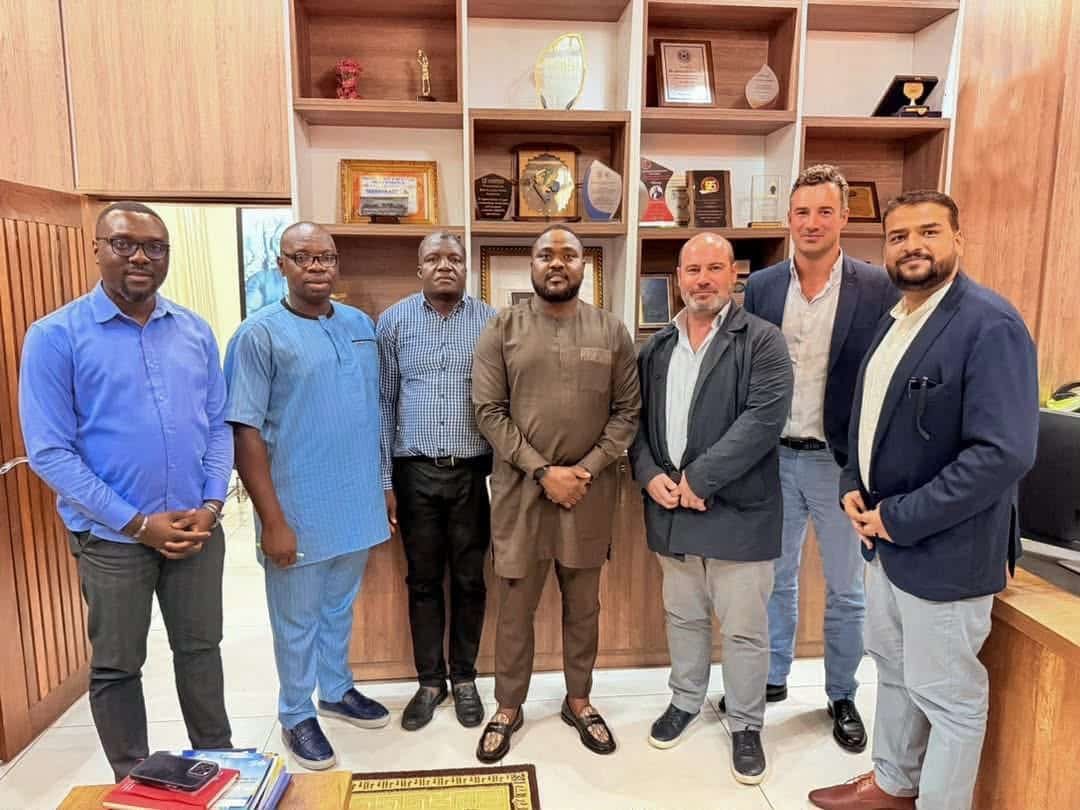
The concern follows discussions between the Sierra Leone Ports and Harbours Authority (SLPHA) and BB Energy on an offshore logistics arrangement intended to support LPG supply to a planned power generation facility.
The September 23, 2026 discussions examined possible delivery arrangements, including weekly calls by large LPG carriers and the use of smaller shuttle vessels carrying approximately 3,000 to 5,000 deadweight tonnes from an offshore mother vessel. Maritime issues involving anchorage, Ship-to-Ship operations, bunkering and other offshore services were also discussed.
While investment capable of expanding electricity generation and improving energy security should ordinarily be welcomed, the development also highlights the need for Government and regulators to ensure that major foreign investments do not unintentionally weaken indigenous companies that have spent years developing Sierra Leone’s LPG industry.
Of particular concern to existing operators is the apparent absence, based on information presently available, of broad consultation with indigenous LPG businesses before discussions reached this stage. These companies have invested millions in storage, cylinders, transportation, distribution networks, safety systems and employment while carrying much of the country’s LPG demand for decades.
BB Energy is not a small entrant. Its 2026 company profile says the group traded approximately 34.5 million metric tonnes of petroleum products and liquid gases in 2025 and generated revenues of about US$21.45 billion. Such financial and logistical strength inevitably creates questions about whether smaller Sierra Leonean businesses could compete on equal terms if the company’s operations eventually expand beyond supplying the proposed power plant.
Those concerns deserve particular attention because BB Energy itself describes the Sierra Leone power project as an anchor for wider LPG supply. Its company information states that it is an investor in the Nant power project and holds the contract to supply LPG, while its earlier corporate profile said the project could create infrastructure for broader LPG supply in Sierra Leone.
There is nothing inherently wrong with foreign investment or increased competition. Indeed, additional infrastructure, reliable supplies and competitive pricing could benefit consumers. The real issue is whether expansion will take place within a framework that allows indigenous businesses to participate rather than gradually being displaced by a multinational possessing vastly greater access to capital, international shipping, storage and supply chains.
Experiences elsewhere in West Africa demonstrate why market structure matters. Ghana has maintained a diverse downstream sector involving local and international operators. Official industry data showed 157 oil and LPG marketing companies actively marketed petroleum products during the second quarter of 2023, illustrating the importance of maintaining competition rather than allowing excessive concentration.
Sierra Leone already has a legal and institutional framework intended to protect local participation. The Sierra Leone Local Content Agency states that its objectives include prioritizing Sierra Leonean companies in contracts and developing domestic participation across petroleum, maritime, transportation and energy sectors. The Local Content Agency Act was specifically established to promote greater ownership and control of productive sectors by Sierra Leoneans.
Authorities should therefore ensure meaningful engagement among BB Energy, existing LPG companies, SLPHA, the National Petroleum Regulatory Authority and the Sierra Leone Local Content Agency before arrangements capable of reshaping the domestic LPG market are finalized.
Sierra Leone needs foreign investment, but attracting international capital should not mean sacrificing businesses that invested when the market was smaller and considerably more difficult. Development becomes more sustainable when foreign expertise and capital strengthen indigenous enterprise instead of overwhelming it.
The challenge is therefore not whether BB Energy should invest, but how Sierra Leone can structure that investment so that cheaper energy, electricity generation and improved infrastructure go hand-in-hand with protecting competition, local investment, employment and meaningful Sierra Leonean participation in the LPG value chain.