

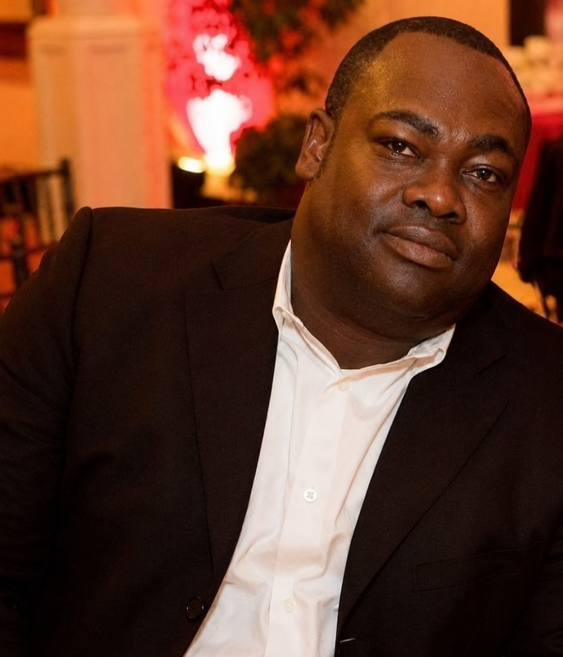
Sierra Leone’s Minister of Finance, Karefa Kargbo, has expressed optimism that the country could receive US$40 million in budget support from the World Bank in December 2026, while acknowledging serious weaknesses in public procurement, contractor performance and project supervision that continue to undermine the implementation of development programmes financed by international partners.
The Minister’s remarks come during the 2026 Annual Meetings of the International Monetary Fund (IMF) and the World Bank Group, taking place from Monday, 12 October, to Sunday, 18 October 2026, at the Queen Sirikit National Convention Center (QSNCC) in Bangkok, Thailand.
The international gathering brings together Finance Ministers, Central Bank Governors, development institutions, policymakers and private sector representatives to discuss global economic stability, development financing, poverty reduction, investment and sustainable economic growth.
For Sierra Leone, the discussions carry particular importance as the Government seeks to secure additional budgetary resources, strengthen confidence among development partners and accelerate reforms necessary to improve public financial management and the delivery of essential services.
Finance Minister, Karefa Kargbo, acknowledged that delays in obtaining procurement approvals, including the issuance of required no-objection clearances, have contributed to the slow implementation of several donor-supported projects. He identified poor contractor performance, inadequate monitoring and weak supervision as additional challenges affecting the timely completion of development initiatives.
According to the Minister, some projects financed by development partners have experienced significant setbacks, while others have reportedly been abandoned because of procurement-related difficulties and weaknesses in implementation.
He warned that those challenges have implications beyond individual projects, particularly when international financing institutions begin questioning the capacity of implementing agencies to manage resources efficiently and deliver the intended results.
Karefa Kargbo stressed the importance of strengthening procurement procedures, improving contractor accountability and ensuring that Ministries, Departments and Agencies exercise effective supervision over projects entrusted to them.
He maintained that public investments and development assistance must produce measurable improvements in the lives of Sierra Leoneans rather than remain tied up in prolonged administrative procedures, unfinished infrastructure and poorly managed contracts.
The Finance Minister’s concerns highlight the need for stronger coordination between the Ministry of Finance, implementing institutions, procurement authorities, contractors and development partners to ensure that approved projects are executed within agreed timelines and budgets.
Despite those concerns, Karefa Ansumana Francis Kargbo remains hopeful that the World Bank will provide Sierra Leone with US$40 million in budget support before the end of December 2026, subject to the successful implementation of agreed policy reforms and the institution’s assessment of the country’s compliance with the required conditions.
According to information attributed to senior Ministry of Finance officials in Freetown, the Government is expected to complete outstanding reform measures by 31 October 2026, ahead of a World Bank review reportedly scheduled for November.
The proposed financing has not yet been confirmed as approved or scheduled for disbursement. Its release would depend on the completion of the required policy actions, the World Bank’s assessment and any necessary institutional approvals.
Parliament is expected to resume sittings on Friday, 16 October 2026, following a summons reportedly issued by President Dr. Julius Maada Bio through the Speaker of Parliament. The resumption is considered important because some of the outstanding policy measures are expected to require parliamentary consideration and approval.
The Ministry of Finance is consequently facing a narrow period within which to coordinate the necessary submissions, secure legislative action and provide evidence of compliance with the reform benchmarks.
Successful completion of those requirements could strengthen Sierra Leone’s prospects of obtaining the anticipated financial support, while demonstrating the Government’s commitment to improving economic governance and meeting obligations agreed with international development partners.
The Bangkok engagements also come against the background of an established development partnership between Sierra Leone and the World Bank Group.
On 10 September 2026, World Bank Vice President for Western and Central Africa, Ousmane Diagana, met Minister of Finance Karefa Ansumana Francis Kargbo in Freetown during a high-level visit aimed at strengthening cooperation and improving the effectiveness of development programmes.
The World Bank delegation included senior country-level representation, and the discussions focused on accelerating project implementation, strengthening accountability and ensuring that development financing produces measurable results for citizens.
During that earlier engagement, Ousmane Diagana reaffirmed the institution’s commitment to Sierra Leone’s development priorities, while the Finance Minister outlined the importance of fiscal discipline, domestic revenue mobilisation and improved cash-flow management.
The discussions also highlighted the need to move beyond the approval and disbursement of development financing towards demonstrable improvements in service delivery, institutional performance and economic opportunities.
The World Bank Group’s official announcement of 1 September 2026 also confirmed the appointment of Aissatou Diallo as its Country Manager for Sierra Leone, with responsibility for leading the institution’s strategic engagement and overseeing a development portfolio valued at nearly US$1.2 billion.
The portfolio covers agriculture, energy, water, education, social protection, governance, digital development and private sector growth, reflecting the breadth of the Bank’s involvement in Sierra Leone’s economic and social development.
On 18 June 2026, the World Bank approved a separate US$40 million International Development Association grant for the Sustainable Agricultural Value-chains Intensification for Growth project, designed to increase agricultural productivity, attract private investment, improve market connections and create employment opportunities.
That agricultural grant is distinct from the US$40 million budget support currently being anticipated by the Ministry of Finance.
The broader development discussions in Bangkok are also taking place at a time when international financial institutions are expressing concern about rising debt, increasing borrowing costs and the financial pressures facing developing economies.
World Bank Group President Ajay Banga and IMF Managing Director Kristalina Georgieva have been among the leading international financial figures participating in the annual meetings, where attention has focused on economic resilience, sustainable financing, employment creation and the need for countries to improve the effectiveness of public expenditure.
For Sierra Leone, the potential benefits of the proposed budget support would extend beyond the immediate availability of US$40 million. If approved and disbursed, the financing could provide additional fiscal space for the Government to meet eligible budgetary commitments, support priority public services and reduce short-term pressure on domestic financing.
The resources could also contribute to improved budget execution, allowing the Government greater flexibility to support programmes in education, healthcare, agriculture and other priority sectors, subject to approved expenditure allocations and applicable financial management requirements.
Improved procurement systems and stronger project supervision could deliver further benefits by reducing implementation delays, limiting avoidable cost overruns, strengthening accountability and ensuring that public investments translate into completed infrastructure and functioning services.
The Finance Minister’s emphasis on contractor performance is particularly significant because the timely completion of donor-funded projects remains essential to maintaining development partner confidence and demonstrating that international assistance is being used effectively.
The coming weeks will therefore be crucial for the Ministry of Finance, Parliament and the institutions responsible for implementing the required policy measures.
With the 31 October deadline approaching and a further World Bank assessment reportedly expected in November, the Government’s ability to complete the necessary reforms could determine whether Sierra Leone receives the anticipated US$40 million before the end of 2026.
The outcome will also provide an important indication of the country’s capacity to address longstanding procurement and project management challenges while sustaining the confidence of its international development partners.
For ordinary Sierra Leoneans, the ultimate measure of success will not simply be whether the financing is released, but whether the resources and accompanying reforms contribute to better public services, improved infrastructure, stronger economic management and meaningful development outcomes.