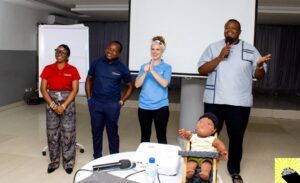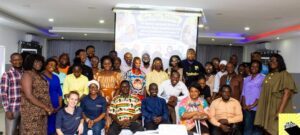

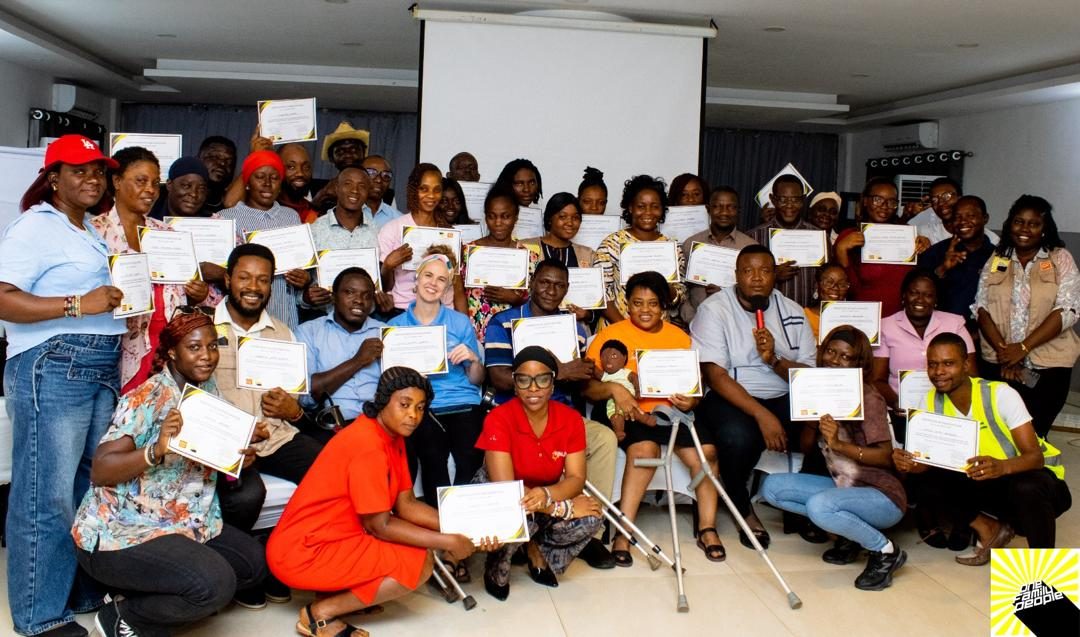
One Family People (OFP), in collaboration with World Hope International and with funding from Lilliane Fonds, has concluded a two-day training programme for teachers and health workers on Community-Based Rehabilitation (CBR) and the early identification and support of Children and Youth With Disabilities (CYWDs). The training, held on 18 and 19 November 2026 at Sapphire Court on Kingharman Road in Freetown, aimed to strengthen the capacity of teachers and health workers to identify children and young people with disabilities early, provide appropriate support and promote inclusive services within their communities.
The programme highlighted five key areas of intervention: health, education, livelihood, social inclusion and empowerment, underscoring the need for a comprehensive approach to improving the well-being and opportunities of persons with disabilities.
Speaking at the opening, Samuel P.O.V. Macauley, Executive Director of One Family People, said the training was organized in recognition of the critical role teachers and health workers play in promoting the rights, well-being and inclusion of children with disabilities.
He noted that children with disabilities deserve equal attention, respect and access to essential services, adding that improving their lives requires collective efforts from different stakeholders.
Samuel P.O.V. Macauley said the training focused on understanding Community-Based Rehabilitation and strengthening participants’ knowledge of the early identification and support of children with disabilities. He emphasized that early identification is essential because when impairments are not recognised and addressed promptly, they can interact with societal barriers and other challenges, further limiting children’s participation and development.
Laura Boothby, Therapy Manager at World Hope International, outlined the programme’s structure and expected learning outcomes, explaining that the first day focused largely on theoretical knowledge and the foundations of disability, while the second day involved practical sessions and hands-on activities.
She said participants are expected to develop a better understanding of disability concepts, including Community-Based Rehabilitation, models of disability and disability rights.
The training also sought to equip participants with the skills to recognize safeguarding risks, identify early signs of disability, understand the importance of early intervention and apply practical strategies to support children with disabilities and their caregivers.
Laura Boothby added that participants would gain a better understanding of children’s support networks and appropriate referral pathways.
She disclosed that the training materials drew on information and resources from the Ministry of Health, One Family People, World Hope International, the World Health Organization (WHO) and UNICEF.
Meanwhile, Brima Abdulai Sheriff, Chairman of the National Commission for Persons with Disabilities (NCPD), called on teachers and health workers to strengthen their roles in the early identification, support and inclusion of children and young people with disabilities.
Brima Abdulai Sheriff described the two professional groups as frontline agents of change, noting that they are often the first to recognize and respond to challenges faced by children with disabilities.
He expressed concern over negative perceptions of disability; particularly those rooted in religious misconceptions and the charity model, which he said could contribute to discrimination, exclusion and inappropriate treatment of persons with disabilities in schools and healthcare facilities.
He stressed that addressing disability-related challenges requires not only professional knowledge but also humanity, understanding and positive attitudes.
According to Brima Abdulai Sheriff Community-Based Rehabilitation goes beyond viewing disability solely as a health issue by encouraging community participation and addressing wider social barriers that prevent persons with disabilities from enjoying their rights and accessing essential services.
He urged teachers to identify possible disabilities early, create opportunities for affected children and remove barriers to their education. He also highlighted the responsibility of health workers to promote early detection, monitoring and referral for appropriate interventions.
The NCPD Chairman further called for practical adjustments in classrooms to accommodate learners with different disabilities. He urged teachers to provide additional examination time where necessary, seat learners with low vision at the front of classrooms and provide learning materials in larger, clearer print.
He also cautioned against practices that isolate learners with epilepsy from their peers, emphasizing the need for inclusive classroom environments.
Brima Abdulai Sheriff highlighted the Commission’s vision, which he described through the acronym PRIDE: Policies, Resilient Societies, Inclusion and Innovation, Dignity and Empowerment. He said the vision seeks to promote policies that protect the rights of persons with disabilities, build resilient communities, encourage inclusion, uphold human dignity and empower persons with disabilities to participate fully in society.
He encouraged participants to approach the training with open minds and critically examine their attitudes, stressing that its purpose goes beyond obtaining certificates. Rather, it is about improving the lives of children and young people with disabilities and ensuring they have equal opportunities to access education, healthcare and other essential services.
Marian Jannah Harding-Tommy, Deputy Director at the Ministry of Social Welfare, also called on teachers and health workers to promote dignity, inclusion and equal access to essential services for children and young people with disabilities.
She said the training provided an important opportunity for participants to acquire new skills and knowledge to improve the support they provide in schools, healthcare facilities and communities.
Marian Harding-Tommy observed that societal attitudes and perceptions continue to influence how persons with disabilities are treated and included in everyday life. She raised concerns about physical and attitudinal barriers in educational institutions, questioning how teachers could effectively support learners with disabilities when some school environments remain inaccessible.
She also challenged health workers to reflect on their treatment of patients with disabilities and whether healthcare services adequately respond to their specific needs.
She stressed that supporting children and young people with disabilities should not be viewed merely as an act of compassion or charity but as a shared responsibility to ensure that they enjoy their rights and realize their full potential.
The Deputy Director encouraged participants to actively engage in the sessions, exchange experiences and translate the knowledge acquired into practical actions within their respective professional settings.
Teachers and health workers who participated in the training commended One Family People and its partners for the initiative, noting that it had strengthened their understanding of disability inclusion and collaboration with other stakeholders.
They assured the organizers that the knowledge and skills acquired would be applied in their respective workplaces to improve the identification, support and inclusion of children and young people with disabilities.
The programme is expected to contribute to stronger collaboration among teachers, health workers and other stakeholders in ensuring that children and young people with disabilities receive early identification, appropriate support, protection and inclusive services within their communities.