By Alvin Lansana Kargbo
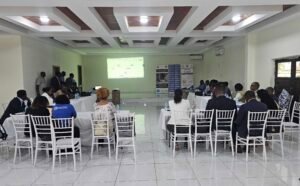
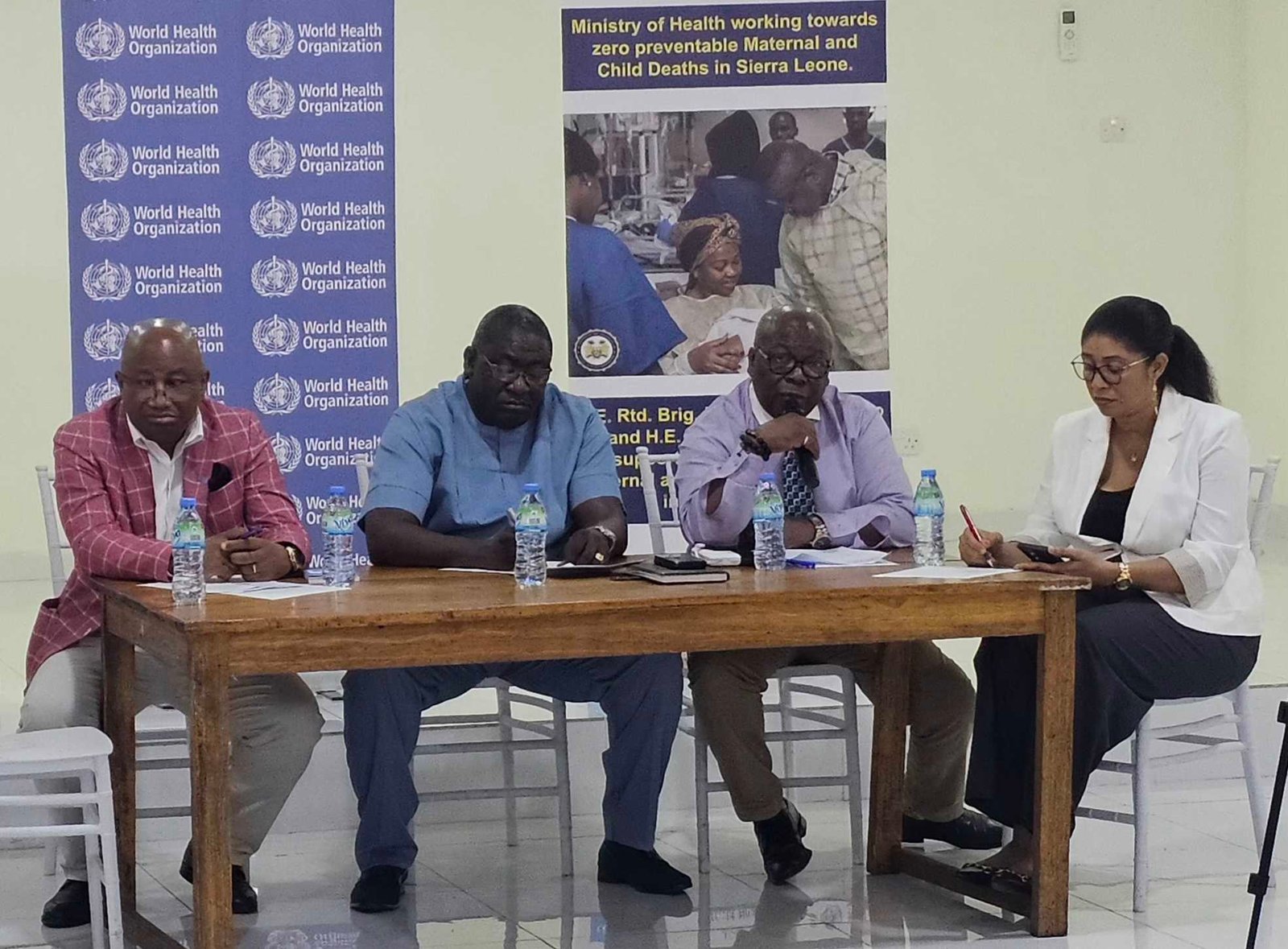
The National Civil Registration Authority (NCRA) has concluded a two-day workshop with the Sub-Committee on Death Reporting, aimed at tackling persistent challenges in the registration of deaths across Sierra Leone. The workshop, held from 24th – 25th September at the NCRA headquarters on Kingharman Road in Freetown, brought together representatives from the World Health Organization (WHO), the Ministry of Health, the Ministry of Local Government, Statistics Sierra Leone, universities, research institutions and other key stakeholders.

The engagement focused on reviewing the obstacles facing the country’s Civil Registration and Vital Statistics (CRVS) system, particularly around the accurate and timely reporting of deaths. Participants also finalized the terms of reference for the new sub-committee and mapped out a roadmap to strengthen mortality reporting nationwide.
Speaking at the opening, NCRA Director General, Mohamed Mubashir Massaquoi, underscored the urgent need to improve cooperation with death registration processes, noting a worrying decline in public compliance despite sustained sensitization campaigns. He highlighted a shortage of medical practitioners legally mandated to certify causes of death as a major barrier, stressing that Sierra Leone lacks sufficient doctors and health workers to cover all facilities and communities.
“We need to strengthen community engagement and partnerships to improve death reporting,” Mohamed Mubashir Massaquoi said. “This workshop is about identifying obstacles, agreeing on practical solutions and charting a clear roadmap for all stakeholders. Health practitioners, local authorities and the NCRA must align their roles so that deaths are reported, recorded and understood. This is the only way to improve the completeness and quality of our national mortality data.”
WHO Representative to Sierra Leone, Dr. George Ameh, described the initiative as “a strategic step in strengthening the structures, processes and accountability mechanisms needed to improve mortality reporting within the CRVS and health system.” He noted that accurate death registration is both a statistical necessity and a moral obligation, enabling Government and partners to honor the dead while protecting the living.
“Reliable data helps us identify causes of death, detect emerging public health threats and strengthen responsive health systems,” Dr. George Ameh said. Drawing on experiences from Senegal and Ghana, he stressed that broad-based community engagement, including the involvement of health workers at grassroots level, is vital. He emphasized the need for training in international classification systems to ensure Sierra Leone’s mortality data is comparable globally, pledging WHO’s full technical support.
From the Ministry of Health, Emmanuella K. Anderson, Principal Health Coverage Coordinator, pointed to structural gaps in Sierra Leone’s death reporting system, including weak public awareness of the importance of death certificates and a lack of trained personnel, particularly in rural areas. She noted that many deaths occurring at home are never officially reported, undermining Government’s ability to assess the nation’s health and respond to urgent challenges.
She also raised gender concerns, highlighting disparities in death registration where male deaths are more frequently recorded due to links with pensions, inheritance and financial claims. “Women’s deaths are often underreported, yet gender-disaggregated data is critical for effective governance and evidence-based policymaking,” she stated. She urged the Sub-Committee to integrate gender mainstreaming and incentivization into its framework, reminding participants of the Gender Equality and Women’s Empowerment Act, which mandates at least 30 percent representation for women in decision-making.
At the close of the workshop, participants agreed on a set of recommendations to improve community-level reporting, strengthen the legal and institutional framework and build a coordinated approach among Government institutions, development partners and local authorities. The Sub-Committee is expected to monitor implementation of the action plan and provide regular updates to the NCRA and its partners.
Stakeholders expressed optimism that the new measures will help Sierra Leone significantly improve its death registration rates, enhance data quality and ensure that every death is recorded, reported and contributes to national planning and development.