Sierra Leone has long told its young people that they are the future; that the nation’s progress rests on their shoulders. But what happens when that very future is allegedly threatened by powerful business interests, with support reportedly coming from state institutions that should instead protect the powerless?
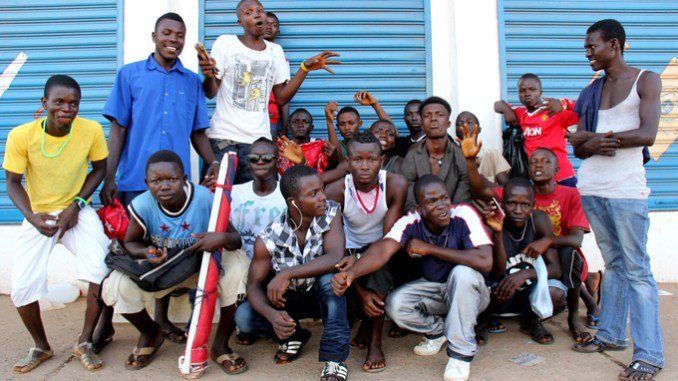
For more than thirty years, the PWD Youths Development Organization has served as a lifeline for disadvantaged communities. Established in the early 1990s, the group has provided skills training, empowerment workshops and mentorship to underprivileged youths. The land on which this community center sits was formally conveyed to PWD by the Ministry of Lands, making it not only a property but also a symbol of state recognition of the importance of investing in youth development.

That recognition and the future it represents, is now allegedly under threat. Mousa Mroue, a bike and kekeh dealer of Shalimar Trading Group, a Lebanese-owned conglomerate that entered Sierra Leone in 2003, is alleged to be at the center of a campaign to take control of this land. Reports suggest that with the backing of certain police units and the purported support of Government officials, agents linked to Shalimar have already damaged parts of the community facility. The group is accused of issuing threats that the land must be surrendered or those resisting would face the weight of political and judicial connections.
This alleged land dispute is viewed by many not as a simple conflict over property but as a wider struggle between a wealthy business interest and a grassroots youth organization. Concerns have also been raised over the Judiciary’s stance, with courts reportedly suggesting that at the time the land was conveyed, PWD Youths Development Organization was not a registered entity. That claim has been contested, since records indicate the group was officially recognized in 1992 under the National Social Mobilization for Youths, making it a legitimate legal entity more than a decade before Shalimar Trading was established. The question then arises: how can a company formed in 2003 lay credible claim to land conveyed to a youth development organization in the early 1990s?
The matter has implications beyond this single property. It raises the troubling question of who truly owns Sierra Leone: its people and communities who have contributed to nation-building or a small number of foreign business figures who are alleged to be using influence and resources to tilt the system in their favor.
Observers warn that if a grassroots youth organization with decades of legal recognition can allegedly be pushed aside, then other community groups may also be at risk. Such an outcome would send a worrying signal to young Sierra Leoneans; that their spaces for learning, mentorship and empowerment can be taken away in favor of wealthier interests.
Shalimar Trading Group has been mentioned in previous controversies related to land acquisitions and is alleged to have used connections in both Government and the courts to advance its interests. The current allegations, however, are viewed as a significant escalation because they involve land that has long served the country’s youths and symbolize community empowerment.
Civil Society activists and community members are calling for urgent accountability. They argue that the Ministry of Lands, the Ministry of Youths and most importantly the Office of the Chief Justice must intervene decisively to prevent what they see as a miscarriage of justice. Many warn that legal technicalities must not be allowed to override the facts and that the law should not become a tool that allegedly favors the powerful while leaving vulnerable communities unprotected.
The stakes are high. This is being viewed not simply as PWD Youths Development Organization’s struggle but as a national test of conscience. The outcome will determine whether Sierra Leone is serious about protecting its young people and supporting community development or whether it will allegedly allow them to be overshadowed by wealth and influence.
The youths of Sierra Leone are watching closely. They want to know whether justice will be served or whether their future can be contested and potentially sold away. To remain silent, many argue, would be to accept complicity.
The PWD Youths Development Organization represents more than just land; it stands for opportunity, dignity and hope. If Sierra Leone truly believes in its future, it must ensure that this center and the community it serves are protected. The nation cannot afford to let the alleged interests of a few undermine the aspirations of its next generation.