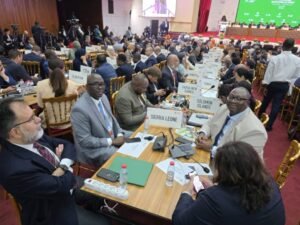
The World Trade Organization (WTO) has officially opened its 14th Ministerial Conference (MC14) in Yaoundé, bringing together approximately 3,000 delegates from across the globe for high-level deliberations on the future of the multilateral trading system. The conference, which was held from March 26 to 29, 2026, took place at the Yaoundé Conference Centre amid growing global economic uncertainties and mounting calls for reform within the WTO framework.
Sierra Leone’s delegation was led by the Minister of Trade and Industry, Alpha Ibrahim Sesay, accompanied by the country’s Permanent Representative to the WTO in Geneva, Ambassador Dr. Lansana Gberie. The conference is

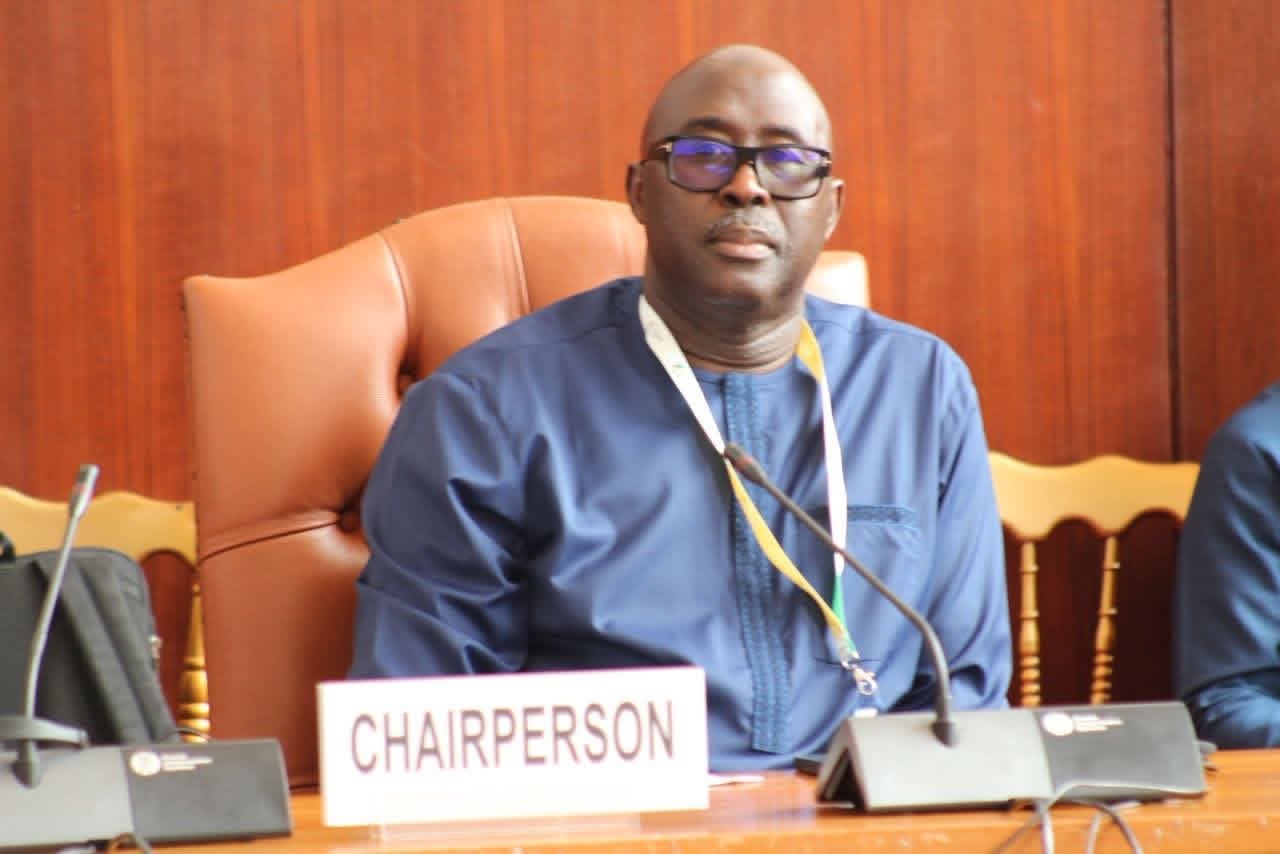
Chaired by Cameroon’s Minister of Trade, Luc Magloire Mbarga Atangana, the conference drew participation from senior Government officials, including the Prime Minister of Cameroon and the Vice President of The Gambia.
During a WTO Reform Breakout Session on Foundational Issues, Minister Alpha Ibrahim Sesay delivered a firm and forward-looking statement outlining Sierra Leone’s position on the future of global trade governance. His intervention underscored the importance of safeguarding the WTO’s foundational principles while simultaneously advancing reforms that promote inclusivity and development.
Central to Sierra Leone’s position was a strong defense of the WTO’s core principles, including Most-Favoured-Nation (MFN) treatment, non-discrimination, transparency and adherence to the rule of law. The Trade Minister emphasized that those principles form the bedrock of a fair, predictable and rules-based multilateral trading system, enabling countries, regardless of size or economic strength, to participate meaningfully in global trade.
He cautioned against any attempt to renegotiate or dilute those principles, noting that such actions could destabilize the global trading architecture. In particular, he warned that shifting toward conditional or bilateral MFN arrangements would risk fragmenting the system, replacing predictability with uncertainty and weakening the rules-based order that underpins international commerce.
According to the Minister, those foundational disciplines reflect a carefully negotiated balance of rights and obligations that continue to guide investment decisions, trade flows and long-term economic planning worldwide. However, he acknowledged that if WTO Members choose to engage in discussions on those principles, such deliberations must also address persistent structural asymmetries and longstanding development imbalances that affect developing countries and Least Developed Countries (LDCs).
Beyond defending existing principles, Sierra Leone articulated a clear vision for a more inclusive and development-oriented WTO. Minister Alpha Ibrahim Sesay stressed the importance of maintaining a Member-driven, consensus-based institution where all countries have an equal voice in shaping global trade rules. He argued that development should not be treated as a peripheral concern limited to LDCs, but rather as a central and shared priority for the entire WTO membership.
He further reaffirmed Sierra Leone’s support for restoring a fully functional, two-tier, binding dispute settlement system, describing it as a critical mechanism for maintaining trust, enforcing rules and ensuring fairness within the multilateral trading system.
Importantly, Sierra Leone does not view the preservation of foundational principles and the pursuit of reform as conflicting objectives. Instead, the country sees them as complementary pillars, with reform efforts expected to reinforce existing rules while addressing emerging global trade challenges, including structural inequalities that have limited the benefits of trade for many developing economies.
On the broader reform process, the Minister expressed Sierra Leone’s readiness to engage constructively in ongoing negotiations. He indicated support for using the proposed Yaoundé Ministerial Statement on WTO Reform and the Post-MC14 Work Plan as a pragmatic foundation for future discussions, while emphasizing that such frameworks must remain without prejudice to the positions of individual Member States.
The conference unfolded against a backdrop of significant challenges within the WTO system, including limited progress, commonly referred to as “convergence”, on key issues such as agriculture, e-commerce, dispute settlement and consensus-based decision-making. Those challenges have been further highlighted by criticism from the United States Trade Representative, Jamieson Greer, who described the WTO as representing “a status quo that has become economically unworkable and politically unacceptable.”
This contrasts with the relative optimism that characterized the 12th Ministerial Conference held in Geneva in June 2022, where WTO members, under the leadership of Director-General Ngozi Okonjo-Iweala, achieved notable outcomes, including agreements on fisheries subsidies, food security, COVID-19 response measures and elements of e-commerce under what became known as the Geneva Package.
Ahead of the conference, the Trade Minister, who currently serves as Chair of ECOWAS Ministers of Trade, also called for greater unity and coordination among African countries. He emphasized that regional positions should be guided by frameworks such as the Maputo Declaration, Agenda 2063 and ECOWAS Vision 2050, which collectively promote inclusive growth, structural transformation and sustainable development across the continent.
He urged African nations to maintain a cohesive stance on critical negotiating areas, including WTO reform, dispute settlement, Special and Differential Treatment (S&DT), agriculture and food security. He also highlighted the importance of advancing negotiations on fisheries subsidies, addressing LDC graduation challenges and maintaining clarity on issues such as the e-commerce moratorium and African Union observer status.
His call for unity received strong endorsement from Ministers and representatives from across the region, including Nigeria, Ghana, Senegal and The Gambia, with participants commending the ECOWAS Commission for its role in coordinating regional positions ahead of MC14.
In her opening remarks, WTO Director-General, Ngozi Okonjo-Iweala, acknowledged that the global trading system must adapt to an evolving economic landscape but stressed that the WTO remains indispensable. Sierra Leone’s intervention at MC14 therefore reflects a balanced and strategic approach; defending the integrity of the multilateral trading system while advocating reforms that ensure it becomes more inclusive, equitable and responsive to the needs of all its members.