
By Amin Kef (Ranger)
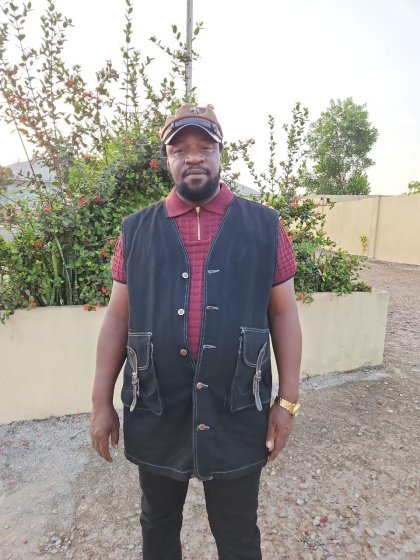
Communication and Media Expert, Dr. Tonya Musa, has called for a renewed social contract for journalism in Sierra Leone, stressing that genuine protection and economic sustainability are essential to building a truly independent press.
His call comes as the country marked World Press Freedom Day on May 3, 2026, a moment he described as one shaped by a complex mix of hard-won legal gains, persistent political and economic pressures and the opportunities and risks brought by rapid digital transformation. He emphasized that the current climate demands an honest reckoning with the contradictions confronting modern journalism in Sierra Leone.
Central to his concerns is the country’s sharp decline on the global World Press Freedom Index, where Sierra Leone dropped from 56th to 79th position within a year. He noted that the fall in the safety indicator, from 71st to 112th, was particularly alarming, highlighting increasing physical risks faced by journalists, especially during politically sensitive periods marked by threats and violence.
Dr. Tonya Musa acknowledged that legal reforms, including the repeal of the 1965 Public Order Act in 2020, marked a significant milestone in strengthening press freedom. However, he cautioned that progress remains incomplete. He raised concerns over the 2025 Counter-Terrorism Bill, warning that it could be misused to suppress dissent. He also pointed to provisions within the Cyber Security Act, which he said have reportedly been used to summon editors over allegations such as “cyberstalking,” developments he warned could erode earlier gains.
Economic fragility within the media sector, he added, continues to compound those challenges. Dr. Tonya Musa stressed that sustainable journalism cannot exist without sustainable revenue models, noting that financial vulnerability exposes media institutions to political and commercial influence. That, he said, blurs the line between independence and survival, raising serious ethical concerns about the autonomy of the press.
On the digital front, he observed that while technology has empowered journalists with tools for more in-depth and impactful reporting, it has also opened the door to disinformation, manipulation and surveillance. He referenced warnings by the Sierra Leone Association of Journalists (SLAJ), which has cautioned that digital platforms are increasingly being exploited by political actors to spread falsehoods and inflame public tensions. Weak regulatory clarity and concerns about unchecked surveillance, he added, further complicate the media landscape.
Dr. Tonya Musa also highlighted a growing digital literacy gap, particularly among young people who engage with media largely for entertainment purposes without the skills to verify information or participate effectively in civic discourse. With traditional gatekeeping mechanisms weakening, he warned that citizens are becoming more vulnerable to misinformation in an increasingly unfiltered information environment.
To strengthen resilience, he called for increased investment in community-based media literacy initiatives, alongside stronger legal protections that safeguard legitimate expression. According to him, a credible and independent press cannot exist without both an informed public and a secure operating environment.
Raising critical questions about the state of journalism, Dr. Tonya Musa asked how a country can rank relatively well in legal frameworks yet perform poorly in overall press freedom. He also questioned whether journalism can truly remain independent when its survival depends on state support or advertiser interests. Additionally, he called for clarity on how societies can balance efforts to combat online disinformation without sliding into censorship and what responsibility global technology companies bear in protecting journalists who rely on their platforms.
President Julius Maada Bio has similarly underscored the importance of the media, noting that a free and empowered press remains a fundamental pillar of democracy, central to transparency, accountability and informed civic engagement. Dr. Tonya Musa stressed that achieving that vision requires concrete action beyond rhetoric.
He further emphasized the need for strong ethical standards within the profession, calling for a robust, practice-based framework to guide journalists, particularly in contexts where laws may be vague or open to misuse. Journalists, he noted, must be equipped to navigate such complexities as responsible custodians of truth.
Dr. Tonya Musa warned that the economic precarity of media professionals risks transforming them from independent watchdogs into instruments of those who control financial resources. At the same time, he noted that the digital age continues to challenge journalism’s authority, as algorithms disrupt traditional gatekeeping even while offering powerful tools for accountability.
He concluded that Sierra Leone stands at a critical crossroads, stressing that the future of journalism will depend on the country’s ability to forge a new social contract; one that protects journalists, sustains media institutions, empowers citizens and upholds the core principles of truth, accountability and democratic governance.