Sahr Aruna, a dedicated social services professional from Sierra Leone, currently serving individuals and families through Devereux in New Jersey, USA, will be honoured with the prestigious New Jersey Association of Community Providers (NJACP) Heroes Award, recognizing exceptional dedication, compassion, leadership and service within the community.
The NJACP Heroes Award celebrates professionals who go above and beyond in supporting vulnerable populations and enhancing the lives of those they serve. Through unwavering commitment, empathy and advocacy, Sahr Aruna has made a lasting and meaningful impact on individuals receiving care and support throughout New Jersey.
Originally from Sierra Leone, Sahr Aruna has built a reputation for excellence through a deep passion for helping others, fostering inclusion and promoting dignity and respect for every individual. His work at Devereux reflects the highest standards of human services, community engagement and professional leadership.
The award ceremony, scheduled for Friday, September 18, 2026, will bring together community leaders, service providers, colleagues, family members, and supporters to recognize outstanding achievements in the human services field and celebrate those who make extraordinary contributions to their communities.
This recognition not only highlights Sahr Aruna’s professional accomplishments but also inspires others in health care, social services and community support. Sahr Aruna’s journey from Sierra Leone to becoming a respected and influential professional in New Jersey demonstrates the power of resilience, hard work and an unwavering commitment to serving others.
As the community gathers to honour this achievement, the NJACP Heroes Award stands as a testament to Sahr Aruna’s exceptional service and lasting positive influence on the lives of countless individuals and families. His dedication exemplifies the true meaning of compassion, leadership and community impact.
Sahr Aruna is a dedicated social service professional committed to supporting individuals and communities through compassionate care and advocacy. He attended Albert Academy School in Sierra Leone and later pursued higher education at Fourah Bay College (FBC), University of Sierra Leone, where he studied Social Work and earned a degree. His academic background provided a solid foundation for his lifelong passion for helping others and promoting social well-being. Throughout his career, Sahr Aruna has worked in various sectors in Sierra Leone, gaining extensive experience in community service, social support and professional development. His diverse work experience reflects his adaptability, leadership and commitment to making a positive impact in the lives of those he serves.
Currently, Sahr Aruna works with Devereux Advanced Behavioral Health in New Jersey as a Direct Support Professional (DSP). In this role, he provides essential support and care to individuals with special needs, helping them achieve greater independence, dignity and quality of life. He continues to serve as an inspiring example of professionalism, compassion and leadership in the field of human services. His journey reflects a deep dedication to improving lives and making meaningful contributions both locally and internationally.
Hon. Alhaji Musa Tarawally has firmly maintained that he remains a fully paid-up member and accredited delegate of the Sierra Leone People’s Party (SLPP), rejecting claims that he is not qualified to participate in the party’s activities or seek its flagbearer position.
Speaking in an exclusive interview, Tarawally said: “I am a fully paid-up member and delegate of the SLPP. I voted at the past National Delegates Conference.”
His comments follow an ongoing dispute over his membership status, after a letter attributed to the SLPP National Chairman, Jimmy Batilo Songa, directed Tarawally to desist from presenting himself as an SLPP member and from using the party’s logo or representing the party in its programmes.
Tarawally has strongly challenged that position, insisting that he formally left the Citizens Democratic Party (CDP) in 2018 and subsequently returned to the SLPP.
As part of his response, he has produced a copy of a resignation letter dated 15 June 2018 and addressed to the Secretary General of the CDP. The letter states that he was resigning from the CDP “to return to the SLPP.”
Tarawally said the document provides written evidence of his departure from the CDP and contradicts any suggestion that he has remained a member of the party since 2018.
He further stated that he has not paid membership dues to the CDP, attended its meetings or participated in its activities since his resignation. According to him, his political activities since 2018 have instead been centred on the SLPP.
The former Member of Parliament also pointed to his participation in the SLPP’s National Delegates Conference in 2025 as evidence of his recognized status within the party.
“I was a credentialed National Delegate at that convention. I voted,” Tarawally stated in his written response.
He questioned how he could have been accredited to participate and vote at a national party convention if, as is now being alleged, he was not an SLPP member.
Tarawally also maintains that he has paid his SLPP membership dues up to 2028 and currently holds the position of Grand Chief Patron. He cited his longstanding financial and organisational contributions to the party as further evidence of his commitment to the SLPP.
Among the claims contained in his response are that he supported party activities financially, contributed to campaign efforts and supported the construction of SLPP party offices across the country.
The membership dispute has also brought the SLPP’s internal constitutional procedures into focus.
Tarawally argues that the National Chairman does not have unilateral authority to terminate his membership or prevent him from participating in the party’s internal political processes. He contends that any disciplinary action should follow the procedures provided under the party’s constitution and allow the affected member an opportunity to respond.
He has therefore challenged the directive issued against him and called for the matter to be addressed through the appropriate party structures.
Tarawally has also indicated that he is prepared to pursue legal remedies over what he describes as damage to his reputation and political standing. He said his legal team has been instructed to examine available remedies under Sierra Leonean law.
The legal arguments cited by Tarawally include constitutional rights relating to association. Section 26 of Sierra Leone’s 1991 Constitution provides for freedom of assembly and association, including the right to form or belong to a political party, subject to the constitutional limitations set out in the provision.
However, Tarawally’s interpretation of Section 77(1) concerning party membership should be distinguished from the broader question of political-party membership. The official constitutional text shows that Section 77 principally sets out circumstances under which a Member of Parliament can vacate a parliamentary seat, including ceasing to be a member of the political party under whose symbol the member was elected.
The documents presented by Tarawally also include correspondence attributed to the CDP concerning his membership status and letters from the SLPP concerning his political standing. The competing documents and claims will therefore form part of the broader dispute over whether his 2018 resignation was sufficient to establish his subsequent membership of the SLPP and whether the SLPP followed its own procedures in issuing the directive against him.
Tarawally, however, remains emphatic about his position.
He said his record of participation in SLPP activities, his status as a National Delegate, his vote at the 2025 National Delegates Conference and his claimed payment of dues through 2028 demonstrate his continued association with the party.
“I remain a loyal, card-carrying, dues-paying member of the SLPP — fully paid up to 2028. I am a Grand Chief Patron. I am a National Delegate. I am an aspirant for the SLPP Flagbearer position,” he stated.
He further declared: “I am SLPP. I remain SLPP. And I will not be intimidated.”
The dispute now places renewed attention on the SLPP’s internal constitutional procedures, Tarawally’s membership records, his 2018 resignation from the CDP and his participation as a delegate at the party’s 2025 National Delegates Conference. The final determination of the competing claims rests with the relevant party structures and, where applicable, the appropriate legal or regulatory authorities.
President Dr Julius Maada Bio has directed that a petition raising constitutional questions over the passage of the Constitution of Sierra Leone (Amendment) Bill be referred to the Supreme Court for a judicial opinion before he takes a final decision on the legislation.
The directive represents an unprecedented invocation of Section 122(1) of the Constitution of Sierra Leone, 1991, which permits the President to refer a petition requiring his final decision to the Supreme Court for its judicial opinion.
The development comes as the Supreme Court of Sierra Leone has scheduled October 7, 2026, for the hearing of all matters filed before it in connection with the constitutional amendment process.
A public notice issued by the Registry of the Supreme Court stated that the cases would be handled expeditiously to ensure their timely resolution in accordance with the laws of Sierra Leone.
“The Supreme Court of Sierra Leone hereby informs the general public that all matters filed in the Court relating to the Constitutional Amendment shall be heard on the 7th day of October, 2026,” the notice stated.
The announcement, signed by Acting Registrar of the Supreme Court Peter M. Kamara, comes amid heightened national and legal interest in the proposed constitutional amendments and the parliamentary process through which the legislation was passed.
According to a State House release issued on Monday, September 14, 2026, President Dr Julius Maada Bio received the Constitution of Sierra Leone (Amendment) Act, 2026, from the Clerk of Parliament on September 10, 2026, for presidential assent.
Before receiving the legislation, President Dr Julius Maada Bio had, on September 4, 2026, received a petition from the Institute for Governance Reform raising constitutional questions about the process through which the Bill was passed by Parliament.
State House said President Dr Julius Maada Bio had also been closely following the national debate surrounding the legislation, including the differing positions expressed by supporters and opponents of its passage.
The Presidency stated that legislation of such significance, touching on Sierra Leone’s constitutional and democratic foundations, requires broad national consensus and clear constitutional interpretation to strengthen public trust and confidence in the constitutional review process.
Consequently, acting under Section 122(1) of the 1991 Constitution, President Dr Julius Maada Bio directed that the petition concerning the legislation be referred to the Supreme Court for its judicial opinion.
President Dr Julius Maada Bio also instructed Attorney-General and Minister of Justice Alpha Sesay to facilitate the referral to the country’s highest court.
Commenting on the decision, Alpha Sesay said the action demonstrates President Dr Julius Maada Bio’s commitment to ensuring that any determination on whether to assent to the legislation is constitutionally sound, legally defensible and in the best interests of Sierra Leone.
Alpha Sesay disclosed that three separate matters have already been filed before the Supreme Court challenging the constitutional validity of the process through which the legislation was passed.
According to Alpha Sesay, the State takes the legal challenges seriously and will respond fully through the appropriate judicial processes. He said the Office of the Attorney-General and Minister of Justice is actively preparing the State’s response to the applications.
Alpha Sesay further revealed that the State has filed papers seeking the consolidation of the three applications because they raise substantially similar constitutional questions.
The Attorney-General and Minister of Justice described the proceedings as neither unexpected nor unwelcome in a constitutional democracy. He said they represent a legitimate exercise of judicial oversight and provide an important opportunity for the Supreme Court to offer authoritative clarity on the constitutional issues raised.
State House has also notified the Clerk of Parliament that if the Supreme Court’s judicial opinion is not received within 14 days of the presentation of the legislation, the President’s final decision will be communicated to Parliament at the earliest opportunity after the Court’s opinion has been received.
The Presidency described the referral as an unprecedented step reflecting President Dr Julius Maada Bio’s commitment to ensuring that matters of major national importance are handled with due diligence, transparency and fidelity to the Constitution.
The Supreme Court’s decision to hear all related matters on October 7, 2026, is expected to allow the respective parties to present their legal arguments on the constitutional questions arising from the amendment process.
The Judiciary has assured the public that the matters will receive prompt attention and that the proceedings will be conducted and determined in accordance with the laws of Sierra Leone.
With three legal challenges and the presidentially referred petition now before the Supreme Court, national attention is increasingly turning to the country’s highest court for authoritative guidance on the validity of the parliamentary process and the broader constitutional issues surrounding the legislation.
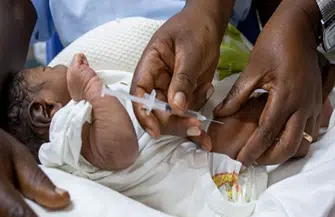
Sierra Leone is strengthening its fight against hepatitis B by introducing the birth-dose vaccine to protect newborns from a dangerous viral infection that can cause chronic liver disease, liver cancer and premature death.
For every mother holding her newborn for the first time, the immediate priority is to keep the child safe, healthy and alive. However, beyond the joy of childbirth lies the invisible threat of hepatitis B—an infection that can remain undetected while gradually damaging the liver over many years.
The hepatitis B birth-dose vaccine is designed to protect newborns from infection, particularly transmission of the virus from mother to child during or shortly after delivery. The vaccine has been available for decades and is considered highly effective in preventing infection.
Sierra Leone’s renewed response is built around a clear public health message: every child deserves a healthy start, and vaccination immediately after birth can provide vital protection.
Hepatitis B remains a major global public health challenge, with Africa carrying a significant share of the burden. An estimated 70 percent of hepatitis B infections occur on the continent. Despite the availability of an effective vaccine, however, access to vaccination at birth has historically remained low across Africa.
By 2021, only 14 of Africa’s 47 countries had introduced the routine hepatitis B birth dose, while approximately 18 percent of African infants received the vaccine at birth in 2022.
The coverage gap is particularly concerning because babies infected with hepatitis B are far more likely than adults to develop chronic infection. An infected child may appear healthy for years while the virus silently damages the liver and increases the risk of serious illness later in life.
The World Health Organization recommends that all infants receive their first dose of the hepatitis B vaccine as soon as possible after birth, preferably within 24 hours. The earlier a newborn is protected, the greater the opportunity to prevent infection acquired around the time of delivery.
The United States Centers for Disease Control and Prevention has also supported the administration of the hepatitis B birth dose to newborns before they are discharged from health facilities, helping to ensure that no eligible child is missed.
Under the programme, newborns will receive a single 0.5-millilitre dose at birth, followed by the remaining doses under the routine immunisation schedule. The birth dose, followed by completion of the three-dose pentavalent vaccine series, can provide strong and lasting protection against hepatitis B.
Sierra Leone’s goal is to eliminate hepatitis B infection and reduce the burden of the disease among children under five. Every child born in the country will be eligible to receive the birth-dose vaccine, with the programme targeting at least 95 percent of newborns.
The vaccine will be administered through existing maternal, newborn and child health services, including labour rooms and postnatal wards. Trained nurses will administer the dose, making hepatitis B prevention part of the routine maternal and child healthcare package.
The introduction of the vaccine also provides an opportunity to strengthen other essential newborn health services. It can be integrated with routine newborn care and existing interventions, including the administration of Vitamin K.
Antenatal care will play an important role in the programme. During pregnancy, health workers will educate expectant mothers and their families about hepatitis B and encourage them to ensure that their babies receive the vaccine immediately after delivery.
This approach means that public education about hepatitis B can begin before childbirth, giving parents and caregivers enough time to understand the importance, safety and benefits of the vaccine.
Health workers, community leaders, parents and caregivers are expected to play complementary roles in ensuring the programme succeeds. Health workers must identify and vaccinate eligible newborns, while community leaders will be expected to promote accurate information and help address misconceptions.
The financial cost of vaccination is relatively small compared with the human and economic burden associated with treating chronic hepatitis B, liver disease and liver cancer.
Sierra Leone is taking steps to ensure that vaccine access is supported through appropriate storage, transportation and distribution systems. The country has selected the 10-dose vial presentation after considering cold-chain capacity, affordability and vaccine availability across health facilities.
The Government of Sierra Leone has also committed resources to support the intervention, including approximately US$59,512 in vaccine-related assistance. The Government will finance the vaccine instead of depending on support from Gavi, the Vaccine Alliance.
Authorities have emphasised that vaccines alone cannot eliminate hepatitis B. Communities must understand why the birth dose is important, while parents and caregivers must be assured that the vaccine is safe and beneficial.
Behind every vaccination statistic is a child whose future should not be threatened by a preventable virus. The programme offers mothers the assurance of leaving health facilities knowing their newborns have received an important layer of protection against a potentially deadly disease.
Sierra Leone’s campaign against hepatitis B is therefore more than a vaccination programme. It represents a long-term investment in the health of the country’s children and generations yet unborn.
Sierra Leone’s Ministry of Health is preparing to introduce the Hepatitis B birth-dose vaccine in November 2026, targeting an estimated 355,363 newborns across the country.
The initiative marks an important step in the Government’s efforts to prevent Hepatitis B infection, particularly mother-to-child transmission, and protect children from chronic liver disease and liver cancer later in life.
Programme Manager of the Expanded Programme on Immunization at the Ministry of Health, Dr Desmond Maada Kangbai, described the planned introduction as a major milestone for child health in Sierra Leone.
“The introduction of the Hepatitis B birth dose in November 2026 is a significant milestone for Sierra Leone. Our priority is to ensure that every newborn has the opportunity to receive this life-saving vaccine as early as possible after birth,” Dr Desmond Maada Kangbai said.
Hepatitis B is widely described as a silent infection because an infected person may show few or no symptoms for several years. However, children infected at birth or during early childhood face a much greater risk of developing chronic infection, which can eventually lead to severe liver disease, liver failure or liver cancer.
The World Health Organization recommends that all infants receive their first dose of the Hepatitis B vaccine as soon as possible after birth, preferably within 24 hours. The early dose is particularly important because it helps prevent transmission of the virus from an infected mother to her baby during childbirth.
Under the planned programme, every child born in Sierra Leone will be eligible to receive the birth-dose vaccine. The Ministry of Health aims to reach at least 95 percent of eligible newborns nationwide.
The vaccine will be incorporated into existing maternal, newborn and child health services, particularly in labour rooms and postnatal wards. Trained professional nurses will administer the vaccine as part of the essential care provided to newborns.
The initiative will also strengthen health education during antenatal care, enabling expectant mothers and their families to learn about Hepatitis B and understand the importance of ensuring that newborns receive the vaccine immediately after birth.
Dr Desmond Maada Kangbai called on parents, caregivers, traditional and religious leaders, health workers and other community stakeholders to support the programme and help ensure that every eligible newborn is reached.
“We want parents, caregivers and community leaders to understand that the Hepatitis B birth dose is part of giving every child a healthy start in life. We are calling on families to ensure that their newborns receive the vaccine as recommended,” he stated.
The Hepatitis B vaccine has been used globally for decades and is considered highly effective. Completing the recommended vaccine series provides strong protection against the infection, with immunity potentially lasting throughout a person’s life.
Africa continues to carry a significant burden of Hepatitis B, while coverage of the birth-dose vaccine remains low in many countries despite the availability of an effective means of prevention.
For Sierra Leone, the November 2026 introduction represents more than the addition of another vaccine to the national immunisation programme. It is a long-term investment in preventing avoidable illness and deaths while safeguarding the health of future generations.
The programme will be integrated with essential newborn care and routine immunisation services, providing additional opportunities to improve access to other life-saving interventions at birth.
Behind the national target of 355,363 children are thousands of newborns, families and futures deserving of protection. The message from health authorities is clear: one dose at birth can provide lifelong protection, prevent Hepatitis B and help save the next generation.
Njala University’s School of Public Health has commenced a three-day research symposium for Master of Philosophy and Doctor of Philosophy candidates, aimed at strengthening postgraduate research and promoting academic excellence in public health.
The symposium, which opened on 14 September 2026 at Njala University’s Bo Campus in Towama, is being held under the theme: “Empowering Public Health Professionals Through Research Excellence.”
The academic gathering features pre-field, progress-update and post-field presentations by postgraduate researchers. It provides candidates with an opportunity to present their research proposals and findings, receive constructive feedback, exchange ideas with colleagues and strengthen their research skills.
Delivering his opening remarks, the Dean of the School of Public Health, Professor Kemoh Rogers, highlighted the importance of the symposium to postgraduate education and research at Njala University.
Professor Kemoh Rogers said the initiative has made a positive contribution to the development of postgraduate researchers since its inception. He thanked the University Administration for its continued support towards the organisation of the symposium and its commitment to previous editions.
Professor Kemoh Rogers encouraged the participating researchers to make full use of the platform by presenting their work confidently, engaging with colleagues and benefiting from constructive academic discussions.
The Vice-Chancellor and Principal of Njala University, Professor Bashiru Mohamed Koroma, commended the School of Public Health for sustaining an initiative that was initially considered ambitious within Sierra Leone’s public health education sector.
Professor Bashiru Mohamed Koroma recalled the early development of public health education at Njala University and expressed satisfaction with the progress made over the years. He noted that the programme has developed into an important academic platform that is producing higher-degree researchers and contributing to the advancement of public health education in Sierra Leone.
Reflecting on the programme’s growth, Professor Bashiru Mohamed Koroma said the increasing number of Master of Philosophy and Doctor of Philosophy researchers represented an achievement that had exceeded his initial expectations.
Describing public health as a field particularly close to his heart, Professor Bashiru Mohamed Koroma expressed appreciation to the School of Public Health for inviting him to the symposium and reaffirmed his continued interest in supporting its development.
He described the symposium as a specialized platform through which postgraduate researchers can present their proposals and ongoing studies while receiving critical and constructive feedback from academics and fellow researchers.
According to Professor Bashiru Mohamed Koroma, the interactive nature of the symposium would enable participants to connect with colleagues pursuing similar research interests, creating opportunities for collaboration, academic debate and the exchange of knowledge.
Professor Bashiru Mohamed Koroma also drew attention to the growing influence of artificial intelligence in modern life and academic research. He urged researchers to take advantage of the opportunities presented by artificial intelligence while remaining conscious of its possible ethical and practical challenges.
The Pro-Vice-Chancellor of Njala University and Deputy Vice-Chancellor for Bo Campus, Professor Rashid Ansumana, delivered a presentation titled: “Counting the Costs: Why Preparedness, Early Warning and Research Readiness Are Economic Choices: Ebola Financing in the Democratic Republic of the Congo as a Case Study in the Economics of Epidemic Timing.”
Professor Rashid Ansumana encouraged postgraduate candidates to approach their presentations with confidence, reminding them that every researcher possesses specialized knowledge in their respective area of study.
He explained that the symposium was not merely an opportunity for candidates to present their research, but also a forum where researchers could interact, challenge ideas, share knowledge and learn from one another.
The Dean of the School of Postgraduate Studies, Professor Victor Tamba Simbay Kabba, thanked the School of Public Health for inviting him to participate in the symposium for the second consecutive year. He described the event as an important academic engagement that could help improve the quality of postgraduate research at the University.
Professor Victor Tamba Simbay Kabba stressed the importance of understanding and complying with Njala University’s postgraduate policies. He also urged students to pay their fees and complete their registration processes to maintain their status within the University.
He said Njala University is making progress in strengthening its postgraduate programmes to ensure they remain rigorous, relevant and responsive to emerging national and global issues, as well as the changing demands of the job market.
The Deputy Registrar for Bo Campus, Dr Paul K. Ngaujah, underscored the importance of public health research, comparing public health to a building supported by the various medical disciplines as its pillars.
Dr Paul K. Ngaujah said public health remains both a national and international concern and therefore requires sustained research, institutional commitment and resilience from professionals and policymakers.
He urged postgraduate researchers to ensure that their work transcends personal or institutional bias and is instead driven by dedication, objectivity, resilience and a commitment to rigorous academic investigation.
The three-day symposium strengthened the quality of postgraduate research at Njala University while it promoted greater collaboration among researchers working to address emerging public health challenges in Sierra Leone and beyond.
The Patriotic Advocacy Network Sierra Leone has concluded the third edition of its Leadership and Public Speaking Masterclass, certifying 150 young Sierra Leoneans after nearly two weeks of intensive training in leadership, communication and problem-solving.
The programme ended with a conference and certification ceremony held on Saturday, September 12, 2026, at the Bank of Sierra Leone Complex in Kingtom, Freetown.
Organized under the theme, “Empowering Voices: Leading with Impact and Authenticity,” the masterclass commenced on September 1 and continued until September 12, 2026, at the Freetown Secondary School for Girls Hall in Brookfields.
Participants received practical instruction in leadership, public speaking, communication, critical thinking, emotional intelligence, problem-solving, financial management, speechwriting, smart advocacy, ethics, voice modulation, storytelling and artificial intelligence.
To accommodate participants from different educational and professional backgrounds, the organizers conducted regular sessions for students and evening classes for working professionals. The arrangement ensured wider participation throughout the training period.
Addressing participants during the closing ceremony, Board Chairperson of the Patriotic Advocacy Network Sierra Leone, Janet Kallon, underscored the importance of sustained investment in the leadership and communication abilities of young people.
Janet Kallon encouraged the graduates to apply the knowledge and skills acquired during the masterclass to address challenges within their communities and contribute to meaningful social transformation.
“Do not let your certificate be the end of your journey,” Janet Kallon said. “Use your voice to speak for those who do not have a platform. Use your leadership to serve, not simply to be seen.”
Janet Kallon explained that leadership-development initiatives such as the masterclass provide young people with opportunities to discover their potential, build confidence and prepare themselves for greater responsibilities in their communities and professional lives.
Convener of the Leadership and Public Speaking Masterclass, Ansumana Keita, centred his address on self-discipline, identifying responsibility, discipline and sacrifice as three essential qualities of effective leadership.
Ansumana Keita said genuine leadership requires individuals to accept responsibility for their decisions, maintain discipline in their personal and professional lives and make sacrifices for the collective good.
Drawing inspiration from Brian Tracy’s book, “The Power of Self-Discipline,” Ansumana Keita warned participants against postponing important decisions and personal-development goals.
Ansumana Keita encouraged the graduates to avoid waiting for “someday” before reading useful books, developing new skills, managing their finances properly or taking practical steps towards achieving their ambitions.
Minister of Basic and Senior Secondary Education, Conrad Sackey, challenged the participants to reflect carefully on the legacy they wanted to leave behind as emerging leaders.
Conrad Sackey said leadership should be measured by the positive difference an individual makes in institutions, communities and the wider country.
“A leader is known by the footprint they leave behind,” Conrad Sackey said, urging participants to use their knowledge, skills and influence to make a positive impact.
“We cannot build nations with policies alone. We cannot transform systems with projects and infrastructure alone. We build nations with voice and we transform systems when young people like you decide to take responsibility,” Conrad Sackey stated.
Conrad Sackey also reaffirmed the Ministry of Basic and Senior Secondary Education’s commitment to radically reimagining leadership through greater inclusion.
Conrad Sackey stressed that radical inclusion requires the recognition of every voice and the creation of opportunities for all citizens to participate meaningfully in national development.
Minister of Information and Civic Education, Chernor Bah commended Ansumana Keita and the Patriotic Advocacy Network Sierra Leone team for organizing the masterclass and investing in the development of young people.
Sharing his personal experience of delivering a speech about 25 years ago, Chernor Bah told participants that anxiety and fear are common aspects of public speaking. Chernor Bah stressed, however, that proper preparation and meaningful content could help speakers overcome nervousness and communicate with confidence.
“A great speech must start with substance,” Chernor Bah said.
Chernor Bah encouraged the participants to prepare thoroughly before addressing an audience and not allow fear to prevent them from effectively communicating their ideas. Chernor Bah explained that confidence in public speaking develops through continuous preparation, practice and experience.
The conference also featured a panel discussion moderated by public-speaking coach Iris Aminata Bangura. The discussion brought together professionals from different fields to examine leadership challenges and recommend practical solutions.
The panelists included business scholar and Institute of Public Administration and Management lecturer, Dr Ibrahim Alusine Kebe, Hill Valley Academy Principal, Zainab Bashir and data analyst Joel Abdulai Kallon.
Dr Ibrahim Alusine Kebe highlighted self-leadership, personal discipline and good character as important foundations for sustainable leadership.
“For you to develop yourself is your responsibility,” Dr Ibrahim Alusine Kebe told the participants.
Zainab Bashir and Joel Abdulai Kallon shared experiences from their respective professional fields, highlighting the importance of adaptability, critical thinking, effective communication and practical problem-solving in overcoming leadership challenges.
Medical scientist and Principal of Koinadugu College, Professor Alhaji Umar Njai, described leadership as an opportunity to serve society rather than a means of acquiring authority, influence or personal recognition.
“Leadership is service to humanity,” Professor Alhaji Umar Njai said, stressing that leaders must use their positions, knowledge and influence to benefit other people.
Professor Alhaji Umar Njai encouraged the participants to practice leadership and public speaking consistently. Professor Alhaji Umar Njai also urged them to develop a clear sense of identity, vision and purpose before seeking leadership positions.
Delivering the keynote address, Dean of the Faculty of Communication, Media and Information Studies at Fourah Bay College, University of Sierra Leone, Dr Francis Sowa, challenged young people to move beyond merely identifying societal problems and begin designing and implementing practical solutions.
Dr Francis Sowa asked the participants to assess their contributions to their communities and transform their knowledge and ideas into interventions that respond directly to local challenges.
“We are part of the problem. Let us be the change we want to see,” Dr Francis Sowa said.
The ceremony concluded with the presentation of certificates to the 150 participants in recognition of their successful completion of the 2026 Leadership and Public Speaking Masterclass.
The Patriotic Advocacy Network Sierra Leone said the programme was intended to build a new generation of confident, disciplined and service-oriented leaders capable of communicating effectively and contributing positively to Sierra Leone’s development.
Miro Forestry Company has clarified the circumstances surrounding the death of Sulaiman Bondoh Kamara, an employee assigned to its Boiler Section, following allegations circulated on social media.
The clarification was provided during a meeting held on 12 September 2026 at the company’s conference room in Freetown. The engagement brought together representatives of the deceased’s family, officials from the Ministry of Employment, Labour and Social Security and senior Management of Miro Forestry Company.
The meeting followed reports circulated on Facebook, WhatsApp and other social media platforms alleging that Sulaiman Bondoh Kamara had been denied sick leave and later died on the company’s premises.
During the engagement, Miro Forestry Company’s Senior Human Resources Officer, Kadiatu Bah, presented employment and leave records relating to the deceased and explained the company’s procedures for administering annual and sick leave.
Kadiatu Bah said sick leave is processed through the company’s clinic, which issues the required medical documentation and recommendations, while annual leave is administered by the Human Resources Department.
According to records presented at the meeting, Sulaiman Bondoh Kamara had been granted days off and sick leave between 23 March and 13 April 2026. The company said he also sought medical attention outside its health facility during that period, although details of the medical condition were reportedly not disclosed to the company’s clinic.
Miro Forestry Company’s Safety Manager, identified as Mr Evans, also explained the occupational safety measures in place and the personal protective equipment provided to employees.
Mr Evans said workers assigned to the Boiler Section are supplied with specialized protective equipment, including leather aprons, gloves, goggles, earplugs and safety boots. Records presented during the engagement reportedly showed that Sulaiman Bondoh Kamara had received the required protective equipment.
Management explained that Sulaiman Bondoh Kamara and another employee had been assigned to feed Boiler 5, which the company described as a relatively small boiler. They reportedly began work at approximately 6:00 a.m. on the day of the incident.
According to the company, Sulaiman Bondoh Kamara did not report any health concerns before the incident occurred at approximately 12:35 p.m.
The Acting Supervisor, Mohamed Sesay, reportedly observed Sulaiman Bondoh Kamara struggling to maintain his balance before he collapsed. Employees immediately responded and transported him to the company’s on-site clinic, where medical personnel assessed his condition.
Due to the seriousness of his condition, arrangements were made to transfer him to Community Health Foundation Hospital for further medical attention. He was pronounced dead shortly after arriving at the hospital, according to the account presented during the meeting.
Miro Forestry Company said it requested an autopsy to establish the medical cause of death, but the deceased’s family declined the request on cultural grounds and subsequently took custody of the body for burial.
Information presented during the engagement also suggested that Sulaiman Bondoh Kamara may have had an underlying health condition for which he had reportedly been receiving treatment outside the company.
Management stressed that, without an autopsy, the definitive medical cause of death could not be established. It therefore cautioned against drawing conclusions about the circumstances surrounding his death without medical evidence.
During the meeting, the deceased’s elder brother, Alimamy M. Sankoh, acknowledged that some statements circulated on social media had been made while the family was grieving and emotionally distressed. The family expressed regret and agreed to retract the allegations made against the company.
The family also appealed to Miro Forestry Company to consider employing another family member. Management expressed its willingness to consider the request, subject to the company’s recruitment procedures and the availability of a suitable position.
Miro Forestry Company further assured the family that all outstanding employment benefits due to Sulaiman Bondoh Kamara would be processed in accordance with applicable labour laws and the company’s conditions of service.
The meeting ended with an understanding among the parties to promote accurate information and address future concerns through constructive dialogue instead of relying on unverified reports circulated on social media.
The Sierra Leone Housing Corporation (SALHOC) has strongly condemned the vandalism of its office building in Freetown and announced plans to formally report the incident to the Sierra Leone Police for a thorough and impartial investigation.
In a Press Release dated 13 September 2026, the Corporation said a video circulating on social media shows individuals vandalizing its property after apparently mistaking the building for the office of an individual reportedly known as “Jagaban.”
SALHOC clarified that the property belongs to the Sierra Leone Housing Corporation and is not the office of the individual who was reportedly being targeted.
The Corporation expressed serious concern that members of staff were inside the building performing their official duties when the incident occurred, saying their lives and safety were placed at considerable risk.
According to SALHOC, two private vehicles belonging to staff members were also damaged during the incident.
The Corporation noted that the affected building is currently undergoing rehabilitation and is nearing completion. It warned that acts of violence and vandalism could undermine significant public investment and potentially delay completion of the rehabilitation project.
SALHOC said it would formally report the matter to the Sierra Leone Police and cooperate fully with investigators by providing relevant information and evidence to help establish the circumstances surrounding the incident and identify those responsible.
The Corporation also appealed to members of the public to exercise restraint and verify information before taking actions that could endanger lives or lead to the destruction of public and private property.
SALHOC reaffirmed its commitment to protecting its employees, safeguarding public assets and completing ongoing rehabilitation projects for the benefit of the people of Sierra Leone.
American investment in Sierra Leone’s health sector has delivered millions of essential medical supplies while strengthening the country’s capacity to manage health emergencies and contain public health threats.
Since 2018, the United States-funded Global Health Supply Chain Program–Procurement and Supply Management (GHSC-PSM) has supported the delivery of 11.1 million malaria test kits and 5.7 million insecticide-treated bed nets across Sierra Leone.
The programme has also facilitated the distribution of 5.1 million HIV-related supplies and 400,000 COVID-19 treatment supplies, contributing significantly to the prevention, diagnosis and treatment of major diseases.
Beyond providing medical commodities, GHSC-PSM has trained 790 people to strengthen Sierra Leone’s capacity to manage its health supply chain. The training has helped improve local expertise in forecasting, procurement, storage and the distribution of essential health products.
The initiative is scheduled to close in September 2026 after eight years of operations. Its interventions are expected to leave Sierra Leone with a stronger and more self-reliant health supply system capable of responding effectively to emerging public health challenges.
The programme’s achievements demonstrate the importance of the longstanding partnership between the United States and Sierra Leone in improving public health and strengthening health security.
By supporting Sierra Leone to detect, manage and contain health threats before they spread, the initiative has contributed to making both countries safer.
in. The training has helped improve local expertise in forecasting, procurement, storage and the distribution of essential health products.
The initiative is scheduled to close in September 2026 after eight years of operations. Its interventions are expected to leave Sierra Leone with a stronger and more self-reliant health supply system capable of responding effectively to emerging public health challenges.
The programme’s achievements demonstrate the importance of the longstanding partnership between the United States and Sierra Leone in improving public health and strengthening health security.
By supporting Sierra Leone to detect, manage and contain health threats before they spread, the initiative has contributed to making both countries safer.