Home Blog Page 17

Parliament Seeks Urgent Solutions to Fast-Track National Stadium Project

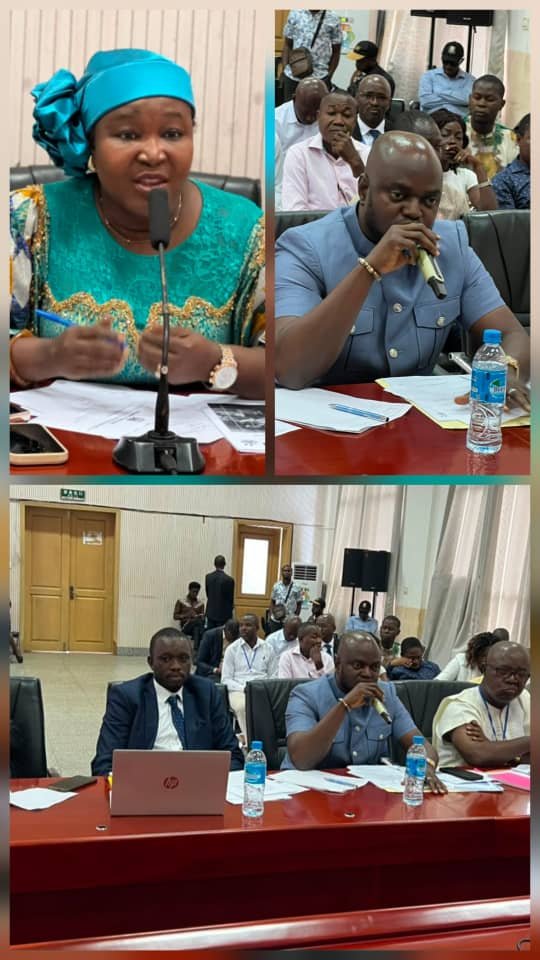
Collage of a conference: a woman in green with a headwrap speaks into a microphone on the left; a man in a blue suit speaks into a microphone on the right; audience seated behind them.

By Foday Moriba Conteh

The Parliamentary Committee on Sports has summoned officials of the Ministry of Sports and the National Sports Authority (NSA) to provide a comprehensive update on the ongoing rehabilitation of the National Stadium, expressing concern over delays in the completion of the project.

The meeting, held on Tuesday, 23 June 2026, at the Administrative Building, Tower Hill in Freetown, was convened to assess the progress of the rehabilitation works being undertaken by Chinese contractors and to identify areas where Parliament could support efforts to expedite the project’s completion.

Chairperson of the Parliamentary Committee on Sports, Hon. Racheal Pessima, welcomed the delegation and congratulated the Executive Director of the National Sports Authority, Mohamed Alphaka Conteh, Esq., on his recent appointment. She assured officials that the Committee’s objective was to obtain a detailed status report on the rehabilitation project and explore possible interventions to address existing challenges.

Hon. Racheal Pessima also commended the Ministry of Sports and the National Sports Authority for what she described as a renewed spirit of cooperation and collaboration.

“The Committee has observed through the media that the Ministry of Sports and the NSA are working closely together. I encourage you to sustain this partnership for the continued development of sports in Sierra Leone,” she said.

Director of Sports at the Ministry of Sports, Haroun Mustapha Korgie, thanked the Committee for its continued oversight and support, noting that Parliament has consistently created opportunities for constructive engagement between the Ministry and the National Sports Authority on matters affecting the country’s sports sector.

Presenting the technical update, Deputy Executive Director of the National Sports Authority, Dr. Abdulai Rahman Swaray, informed the Committee that although the rehabilitation project commenced in February 2022, it has exceeded its implementation timeline due to gaps in the project agreement.

He explained that the prolonged delay has deprived Sierra Leone of the opportunity to host international football matches, including fixtures in the ongoing FIFA World Cup qualifiers.

“We have been disadvantaged by the delay in the project. We missed out on hosting matches during the ongoing World Cup qualifiers because of the stadium rehabilitation. For the first time in our nation’s history, we accumulated up to 15 points in the FIFA World Cup qualifiers,” Dr. Abdulai Rahman Swaray stated.

Addressing the Committee, Executive Director of the National Sports Authority, Mohamed Alphaka Conteh, Esq., emphasized that completing the rehabilitation project now depends on strong political commitment backed by practical action.

“What we need at this moment to complete the National Stadium rehabilitation is decisive political action,” he said.

Mohamed Alphaka Conteh also used the opportunity to formally introduce himself to Members of Parliament and acknowledged past misunderstandings between the Ministry of Sports and the National Sports Authority. He assured the Committee that his administration is committed to restoring professionalism, discipline and unity within the sports sector.

“Under my leadership, decorum will be maintained within the sector. The mandate I have is to restore professionalism and unity,” he assured.

The Executive Director appealed to the Parliamentary Committee on Sports to support efforts aimed at completing the rehabilitation project. He proposed three key measures, including promoting private sector participation through public-private partnerships, facilitating the approval of a supplementary budget by Government and ensuring sustained political commitment to drive the project to completion.

Director of Corporate Operations at the National Sports Authority, Alie Sesay, also presented a detailed briefing on the current state of the rehabilitation works, outlining the progress achieved, outstanding challenges and the remaining tasks required before the National Stadium can be fully completed and reopened for international sporting events.

Attorney General Reaffirms Commitment to Innovation at ARIPO Online Services Workshop

Attorney General and Minister of Justice, Alpha Sesay Esq.

By Amin Kef-Ranger

The Attorney General and Minister of Justice, Alpha Sesay Esq., has officially opened the African Regional Intellectual Property Organization (ARIPO) Online Services Sensitization Workshop, reaffirming the Government of Sierra Leone’s commitment to strengthening digital intellectual property administration and promoting innovation-driven economic growth.

The workshop, held on Tuesday, 23 June 2026, at the New Brookfields Hotel in New England, Freetown, was organized by the Office of the Attorney General and Minister of Justice in collaboration with the Office of the Administrator and Registrar General and ARIPO. It brought together Government officials, legal practitioners, innovators, entrepreneurs, intellectual property professionals and other stakeholders to enhance awareness and understanding of ARIPO’s online intellectual property services.

Welcoming participants, the Administrator and Registrar General, Madam Martina Baindu Egbenda, expressed appreciation to the ARIPO delegation and reaffirmed Sierra Leone’s commitment as a proud Member State of the regional intellectual property body.

She described intellectual property as a vital instrument for fostering innovation, creativity, entrepreneurship and sustainable economic development, while emphasizing that digital transformation has become increasingly important in modern intellectual property administration.

According to her, the workshop would equip participants with practical knowledge of ARIPO’s electronic services platform, thereby improving the efficiency, accessibility and modernization of intellectual property service delivery in Sierra Leone and across the region.

Delivering remarks on behalf of ARIPO Director General, Bemanya Twebaze, the organization’s Head of Information and Communication Technology, Grey Njowola, reaffirmed ARIPO’s commitment to supporting Member States through digital transformation and stronger intellectual property systems.

He disclosed that ARIPO’s electronic services platform has significantly streamlined intellectual property filing and administrative processes, revealing that 80 percent of all new applications received by the organization in 2025 were submitted online. He noted that the figure reflects growing confidence in the platform’s efficiency, accessibility and user-friendly design.

Grey Njowola also commended Sierra Leone for its continued commitment to intellectual property reforms and the domestication of outstanding intellectual property protocols. As ARIPO marks its 50th anniversary this year, he reiterated the organization’s determination to deepen collaboration with Member States while building stronger institutions and a future-ready intellectual property ecosystem across Africa.

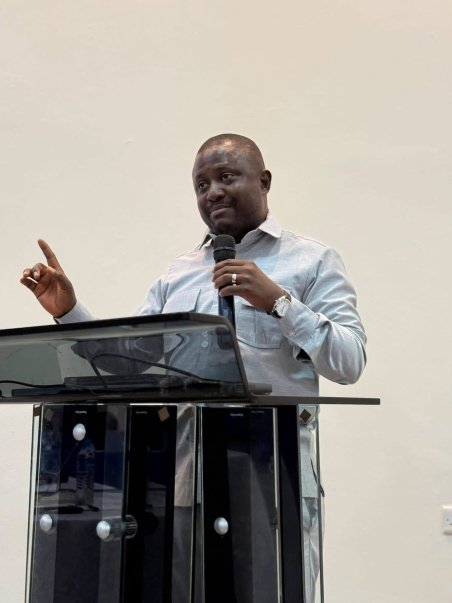
In his keynote address, Attorney General and Minister of Justice, Alpha Sesay Esq., described intellectual property as a critical driver of economic development, innovation, entrepreneurship and investment.

He stressed that Sierra Leone must move beyond being primarily a consumer of innovation to becoming a producer of innovative ideas and technologies capable of competing in the global knowledge economy.

The Attorney General highlighted the country’s longstanding partnership with ARIPO and pointed to recent legislative achievements, including the enactment of the Trade Marks Registration Act, 2024, and Cabinet’s approval of the ratification of the Protocol on Intellectual Property. He said those milestones demonstrate Government’s determination to establish a modern, accessible and internationally aligned intellectual property regime.

He further emphasized that legislative reforms alone are insufficient, noting that they must be supported by improved administrative capacity, digital transformation and greater public awareness to enable innovators, entrepreneurs, creators and businesses to effectively protect, commercialize and benefit from their intellectual assets.

Reaffirming Government’s commitment to strengthening cooperation with ARIPO and advancing intellectual property reforms as part of Sierra Leone’s broader economic transformation agenda, Alpha Sesay Esq. officially declared the ARIPO Online Services Sensitization Workshop open.

The workshop concluded with participants reaffirming their commitment to closer collaboration in advancing digital intellectual property services. It enhanced the knowledge and capacity of key stakeholders, laying a stronger foundation for more efficient intellectual property administration while promoting innovation as a driver of Sierra Leone’s national development.

President Bio to Engage Citizens at Third National Town Hall in Makeni

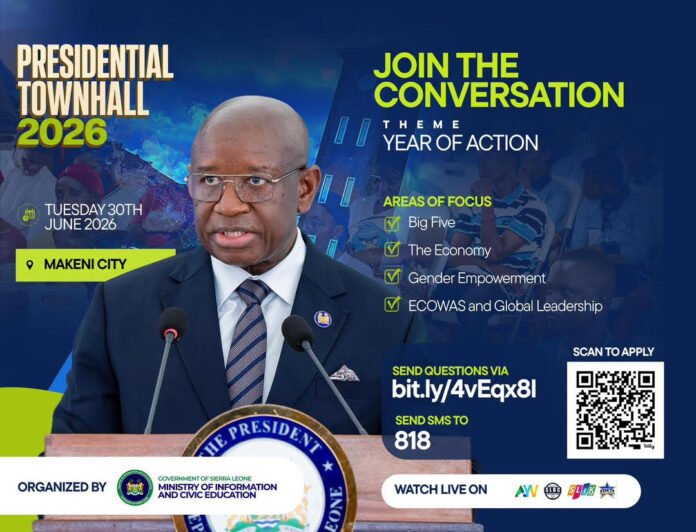
Promotional poster for Presidential Townhall 2026 in Makeni City featuring a speaker at a podium and event details.

By Ibrahim Sesay

President Dr. Julius Maada Bio is expected to engage directly with citizens during the Third Annual National Presidential Town Hall, scheduled for Tuesday, 30 June 2026, at the University of Makeni Auditorium in Makeni.

Organized by the Ministry of Information and Civic Education (MoICE), the event forms part of the Government’s ongoing commitment to promoting accountability, transparency and inclusive citizen participation in governance.

Held under the civic education campaign, “Salone Big Pass Wi All,” the Presidential Town Hall has become an important national platform that brings the Head of State face-to-face with citizens to discuss issues of national importance and provide updates on Government policies and development initiatives.

The previous editions, held in Freetown and Kenema, attracted widespread public participation, allowing Sierra Leoneans to engage President Bio and senior Government officials through direct questions on governance, service delivery and national development priorities.

According to MoICE, the Makeni Town Hall will provide another opportunity for citizens from across the country, including members of the diaspora, to raise concerns, seek clarifications and engage the President on matters affecting their communities and the nation as a whole.

Discussions are expected to focus on key national priorities, including the Government’s Big Five Game Changers, economic transformation, gender empowerment and Sierra Leone’s role within the Economic Community of West African States (ECOWAS) and the broader international community.

To encourage maximum public participation, the Town Hall will be conducted in Krio and other local languages, ensuring that citizens from diverse backgrounds can actively contribute to the discussions. Residents from across the Northern Province and other parts of the country have been invited to attend the event.

The programme will also be broadcast live on television, radio and digital platforms, enabling Sierra Leoneans both at home and abroad to follow the discussions and participate virtually.

As the third edition of the Presidential Town Hall series, the Makeni engagement is expected to further strengthen the relationship between Government and citizens by fostering open dialogue, encouraging public accountability and promoting inclusive governance.

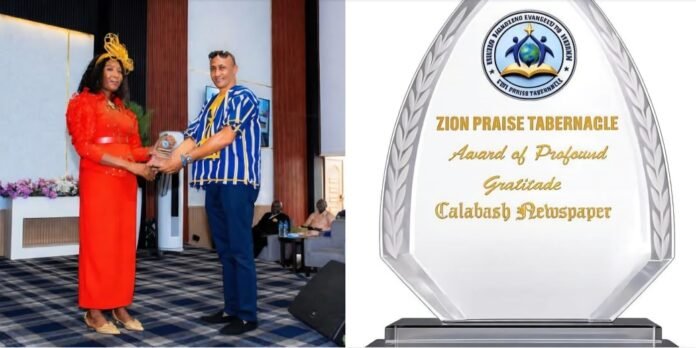
The Calabash Newspaper Honoured with Prestigious Award at Zion Praise 14th Anniversary Celebration

Two people on a stage exchange a trophy during an award ceremony; woman in red dress and man in blue striped shirt pose for the photo.

By Amin Kef (Ranger)

An atmosphere of thanksgiving, worship and celebration filled Zion Praise Tabernacle Church at Hill Station, Bottom Mango, Freetown, on Sunday, 21 June 2026, as End Time Harvesters Evangelistic Ministries commemorated its 14th Anniversary with a spiritually uplifting service that brought together hundreds of worshippers, church leaders and distinguished guests.

The landmark celebration highlighted fourteen years of ministry, evangelism and community transformation under the leadership of General Overseer, Pastor James Bangura and Pastor Mrs. James Bangura.

Delivering the keynote sermon, renowned preacher and Jurisdictional Bishop, Dr. Julius Laggah, challenged believers to remain steadfast in their faith regardless of the obstacles confronting them. Bishop Laggah, who serves as Senior Pastor of Harvest Intercontinental Cathedral (Destiny City) in Freetown and oversees ministries in Sierra Leone, Ghana and Nigeria, drew inspiration from Zechariah 4:7 and 1 Samuel 17:36-37.

With passion and conviction, he reminded congregants that every mountain standing before them can be overcome through faith in God, encouraging them to remain courageous, prayerful and committed to their spiritual calling.

“God is able to turn every challenge into victory,” Bishop Laggah emphasized, urging Christians to trust in divine guidance and never lose hope in difficult times.

The powerful sermon resonated deeply with worshippers, many of whom described the message as timely and inspiring.

Reflecting on the church’s journey over the past fourteen years, General Overseer Pastor James Bangura expressed profound gratitude to God, church members and supporters who have remained committed to the ministry through periods of growth and challenge.

He recounted the humble beginnings of Zion Praise Tabernacle and acknowledged the sacrifices, dedication and unwavering faith of members whose contributions have helped the church become a thriving place of worship and spiritual development.

“We have come a long way through God’s grace,” Pastor Bangura said. “There were challenges along the journey, but God remained faithful. The commitment and support of our members have been instrumental in bringing the ministry to where it is today.”

The General Overseer also extended heartfelt appreciation to all guests, friends and well-wishers who participated in the anniversary celebration.

“Your presence, prayers, support and love made this anniversary truly special and successful. We are grateful for your continued support and look forward to greater things ahead. May God richly bless and reward every one of you,” he stated.

A major highlight of the celebration was the presentation of Awards of Profound Gratitude to institutions, businesses and individuals whose support has contributed to the church’s development and success over the years.

Among the institutions honoured was The Calabash Newspaper, widely recognized for its contribution to journalism and public information dissemination in Sierra Leone. The award was received by the newspaper’s Managing Editor, Amin Kef (Ranger).

Receiving the honour on behalf of the newspaper, Amin Kef expressed sincere appreciation to Pastor James Bangura and the Zion Praise Team for recognizing the work of The Calabash Newspaper.

“On behalf of The Calabash Newspaper editorial team, we would like to express our sincere gratitude to Pastor Daddy James Bangura and the entire Zion Praise Team for this recognition and wonderful award. We are deeply grateful for this honour. Once again, thank you, sir,” he said.

The anniversary celebration concluded with special prayers for the continued growth of the ministry, thanksgiving sessions, the ceremonial cutting of the anniversary cake and a vote of thanks.

With worshippers leaving inspired by a renewed message of faith, perseverance and gratitude the occasion reinforced Zion Praise Tabernacle’s unwavering commitment to preaching the Gospel, nurturing spiritual growth and transforming lives through Christ. Entering another chapter of ministry, the church remains dedicated to expanding its outreach, strengthening its impact within communities and continuing its mission of hope, service and unwavering devotion to God.

UNICEF Backs Innovative Education Financing as Sierra Leone Pursues Sustainable Reforms

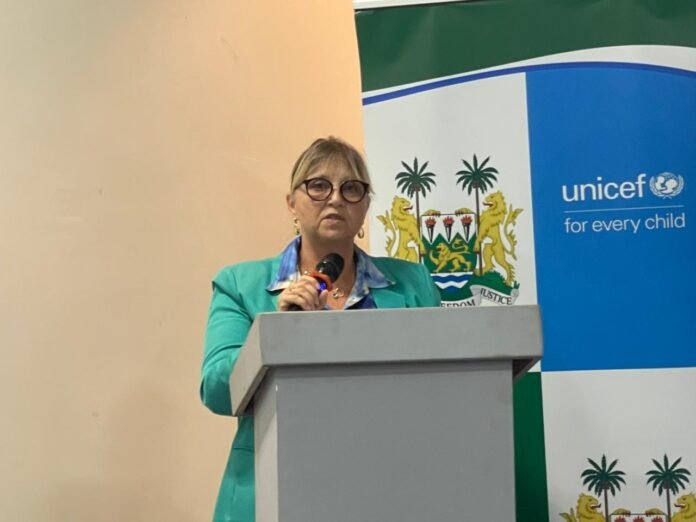
Woman in a teal blazer speaks at a podium with a UNICEF backdrop behind her.

By Alvin Lansana Kargbo

UNICEF, in partnership with the Government of Sierra Leone and the Global Partnership for Education (GPE), on Thursday 25th June, 2026, opened a two day Strategic Workshop on Blended and Innovative Financing for Education at the New Brookfields Hotel in Freetown, bringing together senior Government officials, Parliamentarians, development partners, Civil Society Organisations and education stakeholders to explore sustainable financing solutions for the country’s education sector.

The workshop, which concludes today, Friday 26th June, forms part of efforts to strengthen education financing reforms by identifying innovative funding mechanisms, improving domestic resource mobilization and ensuring equitable access to quality education for every child.

Opening the workshop, the Minister of Basic and Senior Secondary Education, Conrad Sackey, called for a fundamental shift in the way education is financed in Sierra Leone, arguing that traditional funding models can no longer adequately support the country’s growing educational needs.

He said Sierra Leone is confronting increasing fiscal pressures at a time when global development assistance is declining while demand for quality education continues to rise. According to the Minister, relying primarily on external support is no longer sustainable and requires Government, development partners, the private sector and Civil Society to embrace shared responsibility for financing education.

Conrad Sackey said education financing should no longer be viewed as the sole responsibility of development partners but as a national obligation requiring stronger domestic revenue mobilization, improved public budgeting, greater private sector participation and sustained collaboration with international partners.

He described blended financing as a practical approach rooted in the African tradition of collective responsibility, noting that resources are more likely to be protected and managed efficiently when all stakeholders contribute towards a common goal.

The Minister urged Sierra Leone to diversify its education financing through innovative mechanisms such as targeted levies, public private partnerships, diaspora bonds, results based financing and more efficient utilization of domestic resources instead of waiting for large external grants.

Acknowledging public concerns about policy workshops that fail to produce tangible results, Conrad Sackey stressed that the meeting should deliver practical commitments supported by measurable actions, implementation timelines and dedicated financial allocations. He called on participants to ensure that every recommendation identifies responsible institutions and realistic implementation plans.

The Minister reaffirmed the Government’s commitment to providing every child with access to safe schools, qualified teachers and quality education, emphasizing that the vision can only be realized through sound financial planning and effective partnerships.

Speaking also at the workshop, the Acting Minister of Finance, Jenneh Jabati, reaffirmed the Government’s commitment to strengthening fiscal reforms and expanding sustainable financing for education despite prevailing economic challenges.

Delivering a statement on behalf of the Minister of Finance, Sheku Ahmed Fantamadi Bangura, she said education remains central to Sierra Leone’s national development agenda and continues to receive priority in public spending.

She noted that successive national budgets have consistently allocated about 20 percent or more of the discretionary domestic budget to education in line with the Uhuru Declaration and that Government remains committed to increasing education expenditure to between three and five percent of Gross Domestic Product by 2030.

Jenneh Jabati acknowledged that Sierra Leone continues to face serious fiscal constraints, including domestic revenue mobilization below the Sub Saharan African average and significant debt servicing obligations that limit available resources for education and other development priorities.

She said Government is implementing comprehensive tax reforms and public financial management measures aimed at increasing domestic revenue, improving expenditure efficiency and safeguarding investments in education and other social sectors.

Among the reforms, she highlighted expansion of the Minimum Alternate Tax, increased corporate income tax rates, strengthened digital tax administration, enhanced governance within the National Revenue Authority, improved customs operations and ongoing public financial management reforms designed to improve fiscal discipline and accountability.

The Acting Minister said Government is also pursuing innovative education financing mechanisms, including performance based financing, blended finance, concessional financing and carefully regulated public private partnerships to complement domestic revenue mobilization.

She reaffirmed Government’s continued support for the Free Quality School Education Programme, foundational learning, girls’ education, disability inclusion, school feeding and improved teacher welfare.

UNICEF Deputy Representative, Liv Elin Indreiten, described investment in children as one of Sierra Leone’s most important national priorities and reaffirmed UNICEF’s commitment to supporting sustainable, equitable and resilient education financing.

She commended the Government’s leadership in implementing the Free Quality School Education Programme and the Education Sector Plan 2022 to 2026, noting that the country’s commitment to education spending places it above many international benchmarks.

However, she cautioned that Sierra Leone continues to face significant financing gaps, delays in fund disbursement and limited fiscal space, all of which constrain investment in school infrastructure, foundational learning, education services for children in remote communities and climate resilient education systems.

Liv Elin Indreiten observed that debt servicing is projected to consume nearly one third of the national budget in 2026, more than twice the size of the education budget, significantly restricting Government’s ability to increase investments in education.

She said the workshop provides an important opportunity to identify practical solutions capable of making education financing more adequate, efficient, equitable and resilient.

According to her, participants will examine innovative financing options including blended finance, diaspora engagement, domestic resource mobilization and public private partnerships while recognizing that those mechanisms can only succeed alongside transparent and equitable public financing systems.

Liv Elin Indreiten stressed that discussions should produce realistic financing strategies capable of strengthening foundational learning, expanding opportunities for disadvantaged children and building education systems that can withstand future shocks, including those associated with climate change.

She reaffirmed UNICEF’s commitment to working alongside the Government and development partners to strengthen sustainable education financing, emphasizing that every investment in education protects children’s rights, strengthens resilience and contributes to Sierra Leone’s long term national development.

The workshop is expected to conclude with a set of practical recommendations aimed at strengthening Sierra Leone’s education financing framework through enhanced domestic resource mobilization, stronger public financial management and innovative financing partnerships.

Participants are also expected to develop actionable commitments to support the implementation of sustainable financing solutions that will improve learning outcomes, expand equitable access to quality education and reinforce the resilience of the country’s education system for future generations.

OFP & NCPD Present CBR Policy Brief to Ministry of Social Welfare

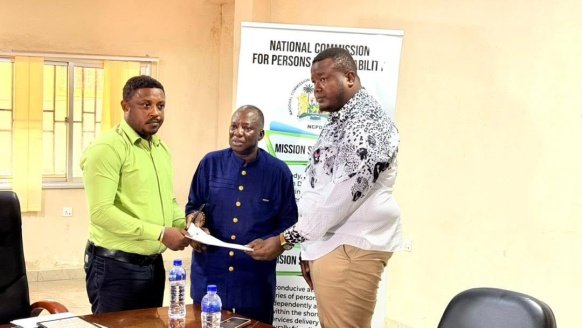
Three men in a room participate in a formal document handover: a man in a lime‑green shirt passes a paper to a tall man in a white patterned shirt, while a man in blue watches; a banner stands in the background.

By Foday Moriba Conteh

One Family People (OFP), in partnership with Liliane Fonds and the National Commission for Persons with Disabilities (NCPD), has presented a Community-Based Rehabilitation (CBR) Policy Brief to the Ministry of Social Welfare as part of efforts to strengthen disability inclusion in Sierra Leone.

The strategic dialogue, held on Tuesday, 23 June 2026, at the Ministry of Social Welfare Conference Hall in New England, Freetown, brought together Government officials, disability advocates, Civil Society Organizations and development partners to discuss the importance of Community-Based Rehabilitation as a strategy for improving the lives of persons with disabilities.

Speaking at the event, Director of Operations and Programs at One Family People, Samuel P.O.V. Macauley, emphasized that disability inclusion requires collective action from Government, Civil Society, development partners, communities and organizations representing persons with disabilities.

He described Community-Based Rehabilitation as a community-driven development approach that promotes equal access to healthcare, education, livelihoods, social participation and empowerment for persons with disabilities. According to him, disability in Sierra Leone has been worsened by poverty, the civil war, disease outbreaks, accidents and natural disasters, making the adoption of CBR essential to ensuring inclusive national development.

Samuel P.O.V. Macauley stressed that Government alone cannot address the challenges faced by persons with disabilities. He called for stronger partnerships among Ministries, local councils, organizations of persons with disabilities, families and development partners to ensure that rehabilitation and support services reach communities across the country.

Drawing examples from countries such as Nepal, Bangladesh, Uganda, Kenya, Rwanda, Cameroon and India, he noted that Community-Based Rehabilitation has proven successful where disability services are delivered directly within communities rather than remaining limited to policy discussions.

He also highlighted the close relationship between disability and poverty, noting that many persons with disabilities continue to face discrimination in employment, business and financial services. He explained that the CBR model promotes vocational training, entrepreneurship, savings groups, financial inclusion and other livelihood opportunities that enable persons with disabilities to become economically independent and contribute to national development.

Samuel P.O.V. Macauley said disability inclusion extends beyond healthcare and should also focus on education, employment, social participation and community development. He urged greater investment in inclusive education, pointing out that despite Sierra Leone’s Radical Inclusion Policy, many children with disabilities still struggle to access quality education because of inaccessible infrastructure, stigma and inadequate learning support.

He further called for expanded rehabilitation services, improved access to assistive devices such as wheelchairs, crutches and prosthetic limbs, and increased investment in local production and maintenance of mobility aids. He also advocated stronger maternal and child healthcare services to prevent avoidable disabilities and urged greater public awareness on disability prevention.

According to Samuel P.O.V. Macauley, strengthening Organizations of Persons with Disabilities (OPDs) is essential for ensuring sustainable disability inclusion, while persons with disabilities must also be fully integrated into disaster preparedness and humanitarian response programmes.

He noted that Community-Based Rehabilitation directly contributes to several Sustainable Development Goals, including poverty reduction, quality education, improved health, gender equality, decent work, reduced inequalities and stronger institutions. He concluded that the approach represents a practical pathway toward building an inclusive Sierra Leone where no one is left behind.

Chair and Chief Commissioner of the National Commission for Persons with Disabilities, Brima A. Sheriff, described the proposed Community-Based Rehabilitation policy as a significant milestone in advancing disability rights and community empowerment.

Reflecting on his first year in office,  Brima Sheriff said the Commission has focused on implementing his “PRIDE Vision,” aimed at strengthening disability inclusion through policy reforms, institutional development, community participation and restoring dignity for persons with disabilities.

He commended One Family People and its partners for championing the formalization of the Community-Based Rehabilitation model, noting that although various rehabilitation initiatives already exist, they have largely operated independently without a coordinated national framework.

Brima Sheriff explained that the proposed policy seeks to institutionalize Community-Based Rehabilitation by bringing together Government institutions, organizations of persons with disabilities, Civil Society Organizations, local communities and development partners under a unified national strategy.

He reaffirmed the Commission’s commitment to advancing the policy, noting that alongside the ongoing review of the Persons with Disabilities Act, the proposed policy would strengthen coordination, improve access to rehabilitation services and promote community ownership of disability programmes.

During the event, Brima Sheriff formally presented the Community-Based Rehabilitation Policy Brief to the Ministry of Social Welfare for onward submission to Cabinet.

He said the document outlines the challenges facing persons with disabilities, reviews existing legal and institutional frameworks and proposes practical measures to strengthen rehabilitation services, referral systems and livelihood opportunities while placing persons with disabilities at the centre of decision-making.

Brima Sheriff disclosed that future priorities include establishing Community-Based Rehabilitation committees at district and community levels, creating a national referral and case management system, expanding rehabilitation and livelihood programmes, promoting inclusive entrepreneurship and increasing nationwide public awareness on disability rights.

Representing the Minister of Social Welfare, Acting Director of Social and Religious Affairs, John Conteh, welcomed the presentation of the policy brief and reaffirmed the Ministry’s commitment to promoting disability-inclusive development.

He commended One Family People for its continued collaboration with the Ministry in strengthening community-based interventions and improving livelihood opportunities for persons with disabilities.

John Conteh described Community-Based Rehabilitation as one of the most effective approaches to bringing services closer to communities by strengthening families, expanding access to education and healthcare, promoting social inclusion and supporting economic empowerment.

He said disability is a cross-cutting development issue requiring coordinated interventions across health, education, livelihoods and social services.

Highlighting Government initiatives, John Conteh said the Ministry has been working with the National Commission for Persons with Disabilities to expand livelihood programmes, conduct nationwide disability assessments and verification exercises, improve rehabilitation services and strengthen vocational skills development.

He also referenced the implementation of vocational skills programmes under the Adaptation Fund project supported by the United Nations Development Programme (UNDP) and the Government of India. Four vocational training centres have already been rehabilitated, with plans to expand similar interventions to other districts, including Moyamba.

John Conteh identified the lack of reliable disability data as one of the region’s greatest challenges. He revealed that Sierra Leone is leading the development of a Disability Accountability Framework for ECOWAS, which aims to improve disability data collection across member states to support evidence-based planning and resource allocation.

He praised the leadership of the National Commission for Persons with Disabilities for advancing policy reforms and assured stakeholders that the Ministry would continue working with One Family People, development partners and other institutions to promote disability inclusion and Community-Based Rehabilitation nationwide.

The strategic dialogue concluded with the official presentation of the Community-Based Rehabilitation Policy Brief to the Ministry of Social Welfare and the donation of five laptop computers by One Family People to the National Commission for Persons with Disabilities to support its operations.

EU Strengthens Sierra Leone’s Naval Capacity With RHIBs and Forensic Equipment

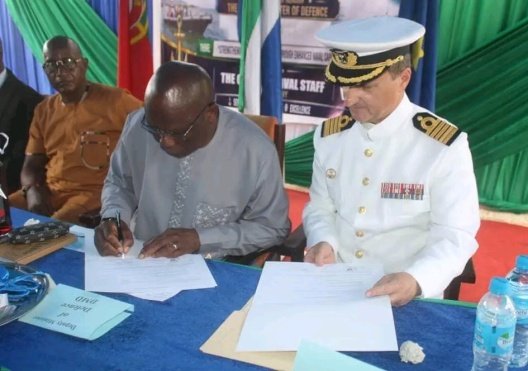
Two men sign documents at a table during a formal ceremony, one in a gray traditional outfit and the other in a white naval uniform, with onlookers in the background.

By Amin Kef (Ranger)

The European Union (EU), through its Support to the West African Integrated Maritime Security (SWAIMS) Project, has donated two brand-new Rigid Hull Inflatable Boats (RHIBs) and forensic kits to the Naval Service of the Republic of Sierra Leone Armed Forces (RSLAF), further strengthening the country’s capacity to secure its maritime domain and protect its coastal resources.

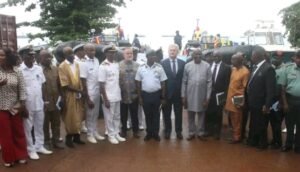
The boats were officially handed over to the Deputy Minister of Defence, Colonel Muana Brima Massaquoi (Rtd), during a ceremony held on Tuesday, 23 June 2026, at the Headquarters of the Sierra Leone Navy in Freetown.

The donation marks another significant milestone in Sierra Leone’s efforts to modernize its security sector and enhance maritime surveillance under the leadership of President Julius Maada Bio. It also reflects the confidence and trust that international partners continue to place in the Government’s commitment to strengthening national security, promoting good governance and fostering regional stability.

With Sierra Leone’s coastline serving as a critical economic and security asset, the newly acquired RHIBs are expected to substantially improve the operational effectiveness of the Sierra Leone Navy. The vessels will support maritime patrols, anti-piracy operations, the fight against illegal fishing and efforts to curb illicit trafficking and other transnational crimes along the country’s territorial waters.

The donation comes at a time when maritime security remains central to Sierra Leone’s development agenda. By investing in the protection of the nation’s waters, the Government is safeguarding marine resources, protecting the livelihoods of thousands of citizens who depend on the fishing industry and ensuring a safer environment for maritime commerce and international shipping.

The European Union’s support is widely seen as a recognition of the progress made by the Bio administration in strengthening state institutions and deepening cooperation with international partners. It underscores Sierra Leone’s growing reputation as a reliable partner in promoting peace, security and democratic governance within the West African sub-region.

Beyond enhancing operational capabilities, the donation represents a strategic investment in national security and economic resilience. Stronger maritime surveillance and enforcement will help deter criminal activities that threaten coastal communities, undermine economic growth and compromise regional stability.

The arrival of the two RHIBs therefore stands not only as an upgrade in naval equipment but also as a symbol of the fruitful partnership between Sierra Leone and the European Union. It demonstrates a shared commitment to securing the region’s waters, combating transnational maritime threats, and advancing sustainable development.

The European Union’s latest support underscores the growing international confidence in Sierra Leone’s security sector reforms and reinforces the Government’s efforts to strengthen the operational capacity of the Republic of Sierra Leone Armed Forces. The partnership reflects a shared commitment to promoting peace, stability and national development while advancing President Bio’s vision of a secure, stable and prosperous Sierra Leone.

Facts Versus Fabrication: Reassessing the Indus Basin Water Debate

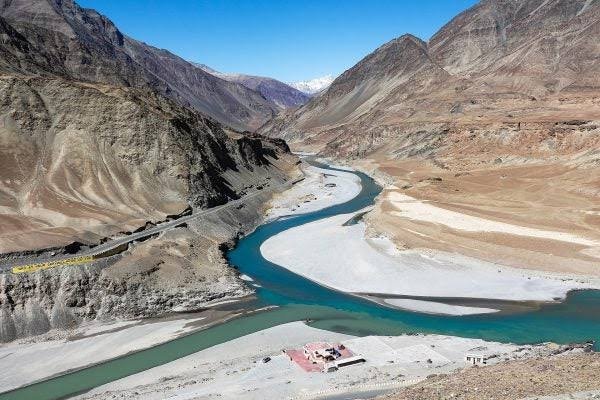
Winding turquoise river through a desert canyon with tan mountains and white sediment on the banks, under a clear blue sky.

By Mr. Atul Jain, Former Chairman, Central Water Commission

Pakistan’s recent claims projecting an impending water crisis in the Indus Basin and attributing river flow variations to upstream actions fail to withstand scrutiny when examined against Pakistan’s own hydrological data, reservoir records, and operational realities. A closer assessment of the evidence reveals a markedly different picture—one defined not by systemic scarcity, but by abundant inflows, significant downstream escapages, and longstanding structural limitations in water management.

The most striking feature of the 2025 hydrological cycle was the substantial surplus in water availability during the Kharif season (April to September). As per Pakistan’s Indus River System Authority (IRSA) data, actual inflows reached approximately 122.36 MAF which was almost 18 percent higher than the anticipated inflows of nearly 104 million acre-feet (MAF) for Kharif 2025. Heavy rainfall across the basin further reduced irrigation demand and eased pressure on provincial allocations. Such conditions are fundamentally inconsistent with assertions of acute or engineered water shortages.

An even stronger contradiction to the scarcity narrative lies in the extraordinary quantity of water that ultimately flowed downstream of Kotri into the Arabian Sea. During Kharif 2025, escapages below Kotri amounted to nearly 30.848 MAF—around 71 percent higher than the recent five-year average of 18.034 MAF. Significant downstream escapages to sea (about 3.6 MAF) continued even during the lower-flow Rabi 2025 season (October to March). If the basin were genuinely facing severe scarcity supposedly due to upstream interference, such large volumes of water would not have remained unutilized and allowed to pass into the sea. The data instead points toward limitations in storage infrastructure, flood management, and distribution efficiency within the lower basin itself.

Reservoir behaviour during the same period further undermines claims of sustained hydrological distress. As expected,the Kharif season began with relatively low storage levels, a normal phenomenon unless the Reservoirs are designed for carry-over storages. Subsequently,the combination of higher inflows and flood events rapidly replenished major reservoirs. By September 2025, storage levels had risen to nearly 99 percent of capacity, creating a significantly strongerwater availabilityposition for Rabi 2025–26.

The outlook for Kharif 2026 also remains stable. Projected rim-station inflows of approximately 103.3 MAF for Kharif 2026, coupled with carryover storage estimated at around 2.3 MAF—higher than both the previous year and long-term averages—indicate that the basin enters the new cycle from a position of relative hydrological comfort rather than crisis.

At the same time, recent attempts by Pakistan to portray fluctuations in the Chenab River as evidence of upstream manipulation ignore both hydrological realities and established operational practices of run-of-the-river hydropower projects. River flows at downstream locations such as Marala are inherently influenced by seasonal snowmelt patterns in the Himalayas. Variations in winter snowfall, delayed melting, or cooler spring temperatures naturally affect early-season discharge levels. Such fluctuations are a routine feature of Himalayan river systems and cannot, by themselves, be interpreted as evidence of deliberate interference.

Operational dynamics at hydropower projects such as the Baglihar Hydroelectric Project have also been repeatedly mischaracterized. Reservoir management in run-of-the-river systems necessarily involves variable releases linked to sediment flushing, maintenance requirements, hydropower optimisation, technical safety considerations, and flood management protocols. Sediment management is particularly critical in Himalayan rivers carrying heavy silt loads. Temporary operational adjustments during flushing or maintenance cycles are therefore intrinsic to project functioning.

Importantly, the Baglihar project has already undergone extensive international scrutiny. Pakistan itself invoked the dispute resolution provisions of the Indus Waters Treaty, leading to the appointment of a Neutral Expert under Article IX and Appendix F. The Neutral Expert’s 2007 determination upheld the essential design and operational parameters of the project, rejecting most objections related to pondage and freeboard. The project was confirmed to be consistent with treaty provisions governing run-of-the-river hydropower development.

Equally significant is the absence of any demonstration of tangible downstream harm arising from the alleged flow variations. Allegations have relied largely on selective snapshots, isolated observations, and media narratives rather than rigorous hydrological analysis establishing causation, economic damage, or quantifiable agricultural impact. No concrete evidence has been produced linking operational variations at upstream projects to sustained downstream distress.

Moreover, allegations of politically motivated manipulation overlook an important practical reality: any deliberate meddling in hydropower operations would impose not only direct economic costs on the upstream operator itself through reduced power generation efficiency, it may also cause long term harm to the plant. A single flushing cycle during the monsoon season at the Baglihar Dam may result in an estimated loss of around 150 million units of electricity generation and corresponding revenue. Such flushing operations are undertaken by operator purely on technical and maintenance grounds. It is difficult to reconcile claims of intentional disruption with operational choices that simultaneously reduce energy production and impose financial losses.

Taken together, the evidence presents a clear conclusion. The Indus Basin has recently experienced higher-than-expected inflows, substantial downstream escapages, rapid reservoir recovery, and stable forward projections. Variations in river discharge remain well within the scope of natural hydrological processes and standard reservoir operations.

The larger challenge facing the basin lies not in speculative claims of upstream deprivation, but in unresolved structural issues—limited storage capacity, sedimentation pressures, inefficient utilization, and broader water governance constraints. Externalizing these internal management deficiencies through narratives of manufactured scarcity does little to address the real long-term challenges confronting the basin

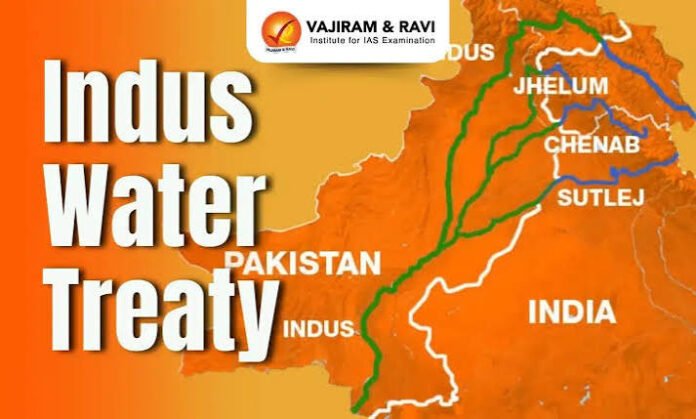
INDUS WATERS TREATY IN ABEYANCE Pakistan’s Rhetoric Defies Reality

Poster about the Indus Water Treaty showing a map of India and Pakistan with green river routes and large white text reading 'Indus Water Treaty' and a logo at the top.

The decision to place the Indus Waters Treaty (IWT) in abeyance marks the end of India’s restraint in the face of multiple grave provocations by Pakistan.  Signed in 1960 and celebrated internationally as a rare example of sustained cooperation between two adversarial neighbours, the Treaty survived wars, political upheavals, military crises, and prolonged diplomatic hostility only on account of India’s benign and good-neighbourly approach. Agreements of such consequence depend on reciprocity, trust, good faith, and a genuine commitment to cooperation. Over the past six decades, these foundational principles were steadily eroded by Pakistan’s persistent obstructionism, politicisation of technical matters, and repeated weaponisation of Treaty mechanisms to frustrate legitimate development in the Union Territory of Jammu and Kashmir. To cap it all, Pakistan relentlessly pursued a diabolical policy of exporting terror, completely demolishing the very foundation of goodwill, friendship and good faith on which the Treaty stood.

While India consistently bore the burden of making the treaty work, Pakistan cultivated a false narrative of victimhood, portraying every legitimate Indian proposal as a threat to its survival. India repeatedly adhered to the demands of the Treaty in full letter and spirit, often extending accommodations beyond its formal obligations. Pakistan, by contrast, frequently approached the Treaty not as an instrument of cooperation and mutual benefit but as a political lever to impede India’s lawful rights on the Western rivers.

Pakistan’s pattern of obstruction emerged almost immediately after the Treaty came into force. The first information supplied by India under the Treaty for a new hydroelectric Plant was transmitted in March 1962, scarcely a year after ratification. The project was minuscule: a 200 KW run-of-river small plant, utilizing only 25 cusecs of water, with no consumptive use and no retention even for a second. It was intended to provide electricity to a remote tribal population located hundreds of kilometres upstream of the international border. Yet Pakistan objected. A second project of similar size, for which information was supplied in December 1963, was again challenged on flimsy grounds. These objections dragged on until September 1971, when the Indian Commissioner for Indus Waters urged closure of the matter without prejudice to either side’s position. It had taken eight years to negotiate the Treaty itself, and nearly as long to deal with objections over a modest 200 KW project. Such episodes exposed an entrenched pattern: procedural resistance divorced from substantive merit.

Pakistan’s self-serving and dishonest invocation of the Treaty became even more apparent during periods of conflict. In November 1965, after large-scale conflict had broken out, Pakistan alleged that it had not received supplies in the Central Bari Doab channels. India responded that Pakistan had failed to submit the necessary requests as required under the Treaty. Moreover, regulation from the Ferozepur Headworks had been rendered physically impossible due to shelling and firing from the Pakistani side, during which irrigation personnel were killed or seriously injured. No regulation was possible even for Indian canals under those conditions. Despite continued unprovoked firing after the ceasefire, India stated that Pakistan’s estimated shares had been released into the Sutlej and passed onward.

A revealing episode occurred in June 1973, when Pakistan, by virtue of its illegal occupation of parts of Jammu and Kashmir and acting as the upper riparian on a local stream – blocked water supplies to the Poonch power channel for several days. The disruption affected both power generation and irrigation in the region. This was a direct and serious violation of the Treaty. India lodged a protest and sought immediate restoration of flows. Pakistan’s eventual response in March 1975 trivialised the matter, claiming the disruption resulted from a “natural change of course” of the stream. India showed restraint and chose not to precipitate the matter, preferring to preserve the broader framework of cooperation. That restraint, however, was rarely reciprocated.

Disputes surrounding India’s major hydroelectric projects repeat the same story. The Salal Hydroelectric Project became contentious because Pakistan raised specious objections in July 1970 though the project design was fully in conformity with the Treaty. In an extraordinary gesture of accommodation, India agreed to major design modifications not required by the Treaty, including reducing Pondage to zero and plugging low-level outlets. These concessions ultimately had severe consequences. The dam lost its sediment flushing capability, and within a few years much of its designed storage capacity (approximately 284 MCM) was heavily silted, significantly diminishing long-term efficiency. Even during the initial filling of the Salal reservoir, Pakistan had demanded that India provide equivalent water from the Eastern Rivers to compensate for water impounded in Salal’s dead storage, an extraordinary demand wholly outside Treaty provisions. India nevertheless accommodated this demand as well.

Another striking example of India’s magnanimity was the suspension of the Tulbul Navigation Project in Kashmir valley. India halted work in 1987, in the face of Pakistani objections,  hoping for an amicable resolution.  The project remains in limbo even today. In Pakistani commentary the project was transformed into a symbol of alleged Indian designs to store water on Jhelum River and regulate releases into Pakistan. Privately, Pakistani officials acknowledged that the project could also benefit Pakistan through improved lean-season flows. Publicly, however, the issue was prolonged for decades, with Pakistan continuing to delay meaningful settlement. What might have been a mutually beneficial cooperative undertaking was converted into another theatre of manufactured distrust.

The same pattern was repeated in the Baglihar Hydroelectric Project. Information on the project was first supplied by India in 1992. Prolonged discussions followed, at the level of the Permanent Indus Commission, government channels, and secretary-level talks. India repeatedly engaged in bilateral dialogue and even offered design adjustments to address Pakistani concerns. Yet sections of Pakistan’s media simultaneously propagated alarmist claims that Baglihar would turn Pakistan into a desert. Ultimately, Pakistan escalated the matter to a Neutral Expert appointed under the Treaty framework. The verdict substantially upheld India’s position, affirming that the project conformed to Treaty provisions, subject only to limited technical modifications. The fake narrative of existential harm to Pakistan collapsed under impartial scrutiny.

The Kishanganga Project also followed a similar trajectory. Information was supplied in 1994. During the planning stages in 1989, India sought data from Pakistan in order to account for downstream agricultural and hydroelectric uses. Pakistan claimed that all waters were already fully committed to Neelum-Jhelum link hydel project. It also cited an exaggerated figure of 133,209 hectares of irrigated area, a figure that  it was unable to substantiate either in Commission or before the Court of Arbitration. Even when India was allowed a special tour of inspection of the Neelum-Jhelum Project site, after much delay in 2008, Pakistan’s claim about the project having being under construction since 1988 was shown to be a white lie. Furthermore, India pursued extensive bilateral engagement before agreeing to third-party arbitration. The Kishanganga Court of Arbitration ultimately upheld India’s right to divert waters from the Kishanganga/Neelum to the Jhelum river for power generation. Yet even after this adjudication, Pakistan continued to raise objections on the project design and sustain uncertainty. Once more, the reality diverged sharply from political rhetoric.

Thus, since the very execution of the Treaty, virtually every Indian hydropower project on the Western rivers irrespective of its size or design was objected to by Pakistan. Pakistan’s objections have sought to restrict design of Indian hydroelectric projects to the technological standards of the 1960s, despite the fact that the Treaty itself allows consideration of sound engineering practices.

Even today, Pakistan continues to persist with its obstructionist challenge to Kishanganga and Ratle projects. It has made matters worse by pursuing parallel proceedings before two different dispute resolution mechanism (Neutral Expert and a Court of Arbitration) – something that was in clear breach of the Treaty.

Pakistan’s actions have destroyed the spirit of cooperation envisioned in the Preamble to the Treaty. The result has been the increasing realisation in India, especially in the Union Territory of Jammu and Kashmir that the weaponisation of the Treaty by Pakistan represents a major impediment towards development of water resources in the region. For years, questions have been raised about the Treaty’s sustainability given Pakistan’s recalcitrance and the evolving needs and changing ground realities of the region.

Beyond procedural disagreements lies a broader context of hostility that cannot be ignored. Persistent cross-border terrorism, including attacks targeting civilians, infrastructure, and development projects in Jammu and Kashmir, has deeply poisoned the atmosphere necessary for cooperative treaty implementation. Even projects concerning the use of water of Indus system of Rivers such as Tulbul Navigation project etc. have not been spared in terror attacks. India has been at the receiving end of Pakistan’s policy of exporting and sponsoring terror for decades, and Pakistan shows no sign of being prepared to change its ways. Agreements of such strategic significance require a minimum threshold of trust. It is impossible to expect enduring cooperation in one domain while sponsoring destabilisation in another.

Another vital facet of this matter is Pakistan’s mismanagement of water. While Pakistan complains about the alleged threat to its water security by India’s actions, the reality is quite the opposite. Indeed, Pakistan’s own internal acknowledgements have exposed the hollowness of its accusations against India. For instance, in 2010, Pakistan’s then Foreign Minister Mr. Shah Mahmood Qureshi publicly challenged the claim that India was responsible for Pakistan’s water shortages. He stated that Pakistan received approximately 104 million acre-feet (MAF) of water annually but utilized only around 70 MAF, leaving roughly 34 MAF lost through mismanagement. In a strikingly candid admission, he asked:

“Where is the 34 million acre feet of water going? Is India stealing that water from you? No, it is not. Please do not fool yourselves… We are mismanaging that water.”

He further criticised the tendency within Pakistan to “exaggerate” disputes and “pass the buck,” urging attention to domestic inefficiencies such as poor irrigation systems, leakages, and waste.

This admission goes to the heart of the matter. Pakistan’s water apprehensions are an outcome not of any Indian projects but of Pakistan’s own structural and institutional failings: inadequate storage capacity, chronic canal seepage, inefficient cropping patterns, low irrigation efficiencies, weak maintenance and inter-provincial disputes. These internal challenges cannot be remedied through misconceived recourse to anti-India rhetoric.

Here are some facts from Pakistan’s own national water policy document of 2018. Pakistan’s water management system exhibits critical inefficiencies that lead to substantial waste of available resources. Out of about 140 MAF of water received by Pakistan from Indus system of rivers, only 104.0 million acre-feet (MAF) of water can be diverted annually through the canal system, and of that only 58.3 MAF actually reaches the farm gate. This means that nearly 46.7 MAF is lost during conveyance.[1] In essence, about half of the canal water drawn from the Indus River system fails to reach the agricultural fields it is intended to irrigate. The stark and alarming reality also is that on an average 35 MAF of water simply drains into the Arabian sea from Pakistan, without being utilized. The total quantum of water lost is much more than double of India’s share under the Treaty, and is lost purely on account of Pakistan’s inefficiencies and failure.

For more than six decades, sections of Pakistan’s political and media establishment repeatedly projected the narrative that India’s upstream hydroelectric projects were designed to “steal water,” regulate the Jhelum and Chenab, trigger droughts or floods, destroy Punjab’s agriculture, and ultimately “turn Pakistan into a desert.” This rhetoric resurfaced with nearly every Indian project—from Salal and Tulbul to Baglihar, Kishanganga, and Ratle transforming routine technical disagreements into supposed existential threats. Yet after projects such as Salal, Baglihar, and Kishanganga became operational, none of the catastrophic outcomes, so confidently predicted, ever materialised. Pakistan did not dry up, its rivers did not disappear and its agriculture did not collapse because of these projects.

Instead, the recurring alarm over Indian dams increasingly revealed itself for what it was: not hydrological reality, but a political strategy. It served to internationalise bilateral disputes, generate diplomatic pressure on India, and delay legitimate development projects fully permissible under the Treaty framework. Treaty mechanisms intended for cooperation were repeatedly and cynically exploited as instruments of obstruction. Moreover, by choosing subterfuge over sincerity and using terrorism as an instrument of State policy, Pakistan has destroyed and thrown overboard the very goodwill and friendship upon which the Treaty was founded.

India’s decision to place the Indus Waters Treaty in abeyance can only be understood in this backdrop, as reflecting the culmination of Pakistan’s sustained non-cooperation, serial bad faith, systematic misuse of the Treaty and launch of cross-border terror attacks.

A lesson stands out clearly from this saga: international agreements and treaties endure not by merely being signed, but by being respected by all parties. The longevity of such arrangements depends not on legal principles and texts, but on mutual respect, reciprocal responsibility, and genuine commitment to fundamental tenets of peaceful coexistence. Pakistan’s rejection of these cardinal norms has brought the present situation to pass. It has only itself to blame.


[1]     Pakistan National Water Policy 2018

Rebuttal to “Sifting IWT Truth from Lies, Myths”(An Indian Perspective – Response to Brig (retd) Dr Raashid Wali Janjua’s letter published in Dawn, April 9, 2026)

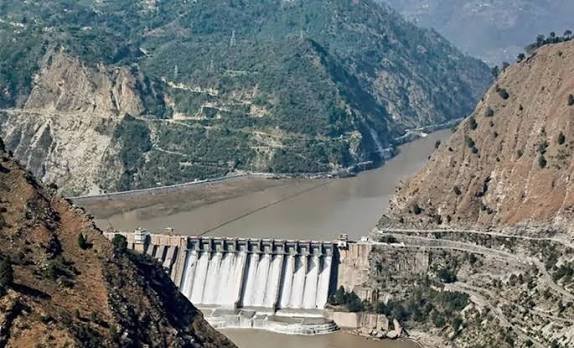
A concrete dam in a rocky canyon with a river flowing past and mountains in the background

Brig (retd) Dr Raashid Wali Janjua’s letter suffers from the very same selective amnesia he accuses India of. An unbiased examination of the facts reveals that several of his contentions are historically incomplete and legally imprecise.

The author invokes the closure of the Central Bari Doab and Depalpur canals in 1948 as evidence of India’s predatory intent. He omits the essential context: these canals drew water from headworks that lay entirely within Indian Territory after Partition, and the supplies were interrupted during an extraordinarily complex process of partition of India. The matter was swiftly resolved through the Inter-Dominion Agreement of May 4, 1948, in which Pakistan itself acknowledged India’s sovereign rights over the headworks and agreed to pay seigniorage charges for continued water use. Far from being an act of malice, this is evidence of India’s intent to resolve every issue amicably.

The author asserts that IWT has served Pakistan’s water interests well, yet simultaneously and paradoxically accuses India of “continual attempts at filching” Pakistan’s water. The fact is that the Indus Waters Treaty of 1960, signed after nearly a decade of negotiations, is one of the most generous trans boundary water treaties in the world from the lower riparian’s perspective. India not only relinquished its rights to approximately 80 per cent of the total Indus system waters but also paid an amount of approximately £62 million (approximately ₹227.5 billion in present value) as compensation for replacement works in Pakistan-occupied Kashmir to secure use of waters which were already hers. No comparable concession by an upper riparian exists in modern water treaty history.

Janjua correctly notes that India is permitted cumulative storage of only 3.6 MAF on the Western Rivers, and that run-of-river hydroelectric projects must not alter the downstream flow regime. This is precisely India’s position as well. The dispute fundamentally revolves around Pakistan’s interpretation of “alteration of the downstream flow regime”. Pakistan has been deploying this as an objection against every hydroelectric project India has sought to construct on the Western Rivers, regardless of project size or design. The pattern is revealing. Uri II, a project with zero pondage, was objected to. Lower Kalnai attracted objections despite the difference between India’s designed pondage and Pakistan’s computed figure being a matter of decimal fractions. In both cases, the factual basis for objection was negligible to the point of being technical pretext rather than substantive concern.

Pakistan has further raised objections to the Kishanganga and Ratle hydroelectric projects, both legitimate run-of-river projects fully consistent with the Treaty’s provisions, by asking the World Bank to appoint a Court of Arbitration, thereby bypassing the Neutral Expert mechanism provided under the Treaty. India’s objection to the Court proceedings is not an attempt to escape accountability; it is a principled position that Treaty-mandated dispute resolution mechanisms must be fully exhausted before resorting to arbitration, as expressly required under Article IX of the IWT itself. Pakistan’s unilateral invocation of the Court of Arbitration, bypassing the sequential dispute resolution ladder, is itself a breach of Treaty obligations.

India issued a notice in January 2023 seeking modification of the IWT under Article XII(3), citing Pakistan’s persistent obstruction of Treaty mechanisms and unilateral resort to external arbitration as conduct incompatible with the spirit of the Treaty. This is not a unilateral abrogation but a legally available remedy. The Treaty requires renegotiation to reflect six decades of changed circumstances, including technical advancements, India’s own developmental needs on the Western Rivers, and Pakistan’s bad-faith use of dispute resolution provisions. India is exercising a Treaty right, not violating one.

The Egypt-Ethiopia and Syria-Iraq comparisons actually undercut Janjua’s argument rather than supporting it. In those cases, there are no legally binding bilateral treaties at all, which is precisely why those lower riparians are vulnerable. Pakistan, by contrast, had a detailed, legally binding Treaty with India, which was grossly used as a political tool and not for development.

Responsible commentary on a Treaty of this complexity must rise above the narrative of predators and prey. The Indus Waters Treaty had endured for over six decades because of the generous attitude of India. India’s concerns reflect a legitimate recognition of changed circumstances, and that the Treaty cannot indefinitely be wielded as a political instrument to obstruct India’s lawful utilisation of its own river waters. Such inflammatory rhetoric by Pakistan clearly bring out its intent and justifies India’s stance.

The writer is a former Indian Commissioner for Indus Waters