
Home Blog Page 18

Mohamed Mubashir Massaquoi Hailed as the Quiet Force Powering OBBA’s National Executive

By Amin Kef-Ranger

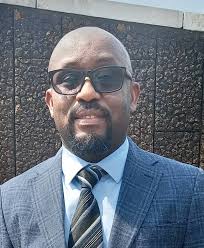
Former Old Bo Boys Association (OBBA) National Treasurer, 6775 Abdulai Sesay, has paid glowing tribute to the current Director General of the National Civil Registration Authority (NCRA), 5792 Mohamed Mubashir Massaquoi, describing him as the “operating system” of the OBBA National Executive whose quiet but highly effective leadership has for years kept the Association functioning smoothly and purposefully.

Speaking from the perspective of long institutional experience within the prestigious alumni body of the renowned Old Bo Boys Association (OBBA) and its historic alma mater Bo School, Abdulai Sesay portrayed Mohamed Mubashir Massaquoi as a man whose service to OBBA has consistently gone beyond title and formality, reflecting a rare blend of discipline, humility and strategic commitment that mirrors the enduring values of the school itself.

“The current Director General of the National Civil Registration Authority, a distinguished former Senior Prefect and Secretary General of the Old Bo Boys Association, 5792 Mohamed Mubashir Massaquoi can best be described as the operating system of the OBBA National Executive; the quiet force that keeps everything running smoothly, efficiently and without disruption,” Abdulai Sesay stated, capturing what many within OBBA circles have long regarded as Mohamed Mubashir Massaquoi’s defining strength.

He noted that over the years, Mohamed Mubashir Massaquoi’s influence within the National Executive has remained both profound and remarkably consistent. From his days as Assistant Secretary under one administration to his later role as Secretary General serving another President, he is said to have distinguished himself as an exceptionally dependable hand whose mastery of process, record keeping, coordination and institutional memory helped stabilize the Executive during critical transitions.

According to Abdulai Sesay, one of Mohamed Mubashir Massaquoi’s most admirable qualities has been his willingness to work effectively behind the scenes without seeking public acclaim. While many leaders often receive the spotlight, he said, it is Mohamed Mubashir Massaquoi’s steady administrative backbone that has ensured continuity in meetings, policy follow-ups, member engagement and strategic implementation.

A former Senior Prefect of Bo School, Mohamed Mubashir Massaquoi is widely respected for carrying into alumni service the same discipline, order and culture of excellence for which the school is nationally celebrated. Those values, deeply rooted in the Bo School tradition of leadership and service, have continued to define his stewardship within OBBA and, by extension, his wider public service career.

Abdulai Sesay further highlighted how Mohamed Mubashir Massaquoi repeatedly ensured seamless Secretariat services, sometimes even making personal and institutional arrangements to secure meeting venues at no cost to the association. He was also credited with mobilizing support, sponsorships and donations from organizations and partners that might otherwise have remained beyond the Association’s reach, thereby strengthening the National Executive’s capacity to deliver on its mandate.

Beyond logistics and administration, Abdulai Sesay emphasized that Mohamed Mubashir Massaquoi has consistently served as a dependable “first responder” whenever challenges emerged within the Executive. Whether gaps arose in coordination, planning or urgent interventions, he said Mohamed Mubashir Massaquoi stepped in with practical solutions, often preserving the momentum of the Association’s activities.

Now serving as Director General of the National Civil Registration Authority, Mohamed Mubashir Massaquoi’s continued rise in national leadership is viewed by many Old Bo Boys as a reflection of the values nurtured at Bo School and sharpened through years of dedicated alumni service.

For Abdulai Sesay, the conclusion is unmistakable: OBBA remains fortunate to count among its finest sons a hardworking, selfless and deeply committed gentleman whose quiet efficiency continues to strengthen the very fabric of its National Executive and uphold the proud legacy of Bo School.

Ram King Jacob Smith Named in Alleged US Visa Scam, Fails to Honour US$15,250 Refund Undertaking

By Foday Moriba Conteh

A serious dispute involving an alleged fake United States visa arrangement and an unfulfilled US$15,250 refund undertaking has surfaced in Freetown, with Mariama Stanley accusing Ram King Jacob Smith of failing to honour a written repayment commitment signed in February 2025.

According to findings by this medium, Ram King Jacob Smith allegedly collected US$15,250 (Fifteen Thousand Two Hundred and Fifty United States Dollars) from Mariama Stanley and others under the representation of facilitating the processing of United States of America visas. However, Mariama Stanley alleges that the visa later presented to her was fake and that the promised travel process never materialized.

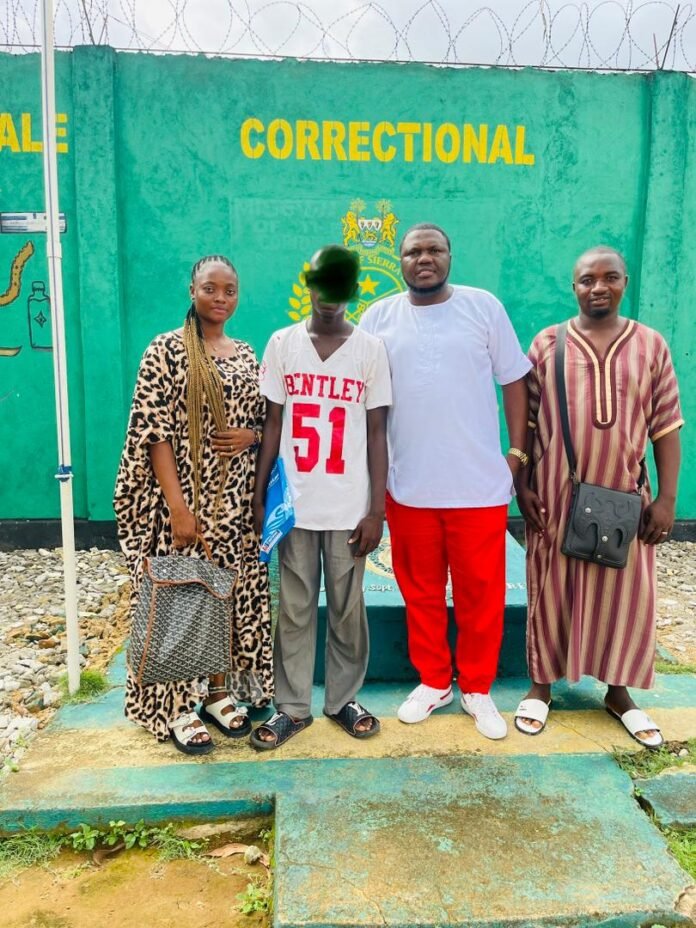
Following repeated attempts to secure a refund, the matter was reportedly taken to the Criminal Investigation Department (CID) of the Sierra Leone Police, where Ram King Jacob Smith was said to have been arrested and detained for five days.

The legal firm of Emmanuel Teddy Koroma, Teddy Koroma & Associate, acting at the time as counsel for Ram King Jacob Smith, reportedly intervened through a staff member identified as Patrick Williams to facilitate his release. Mariama Stanley alleges she was assured that the refund process would be handled, on the understanding that the matter be withdrawn from the CID, which she subsequently did.

The following day, both parties reportedly visited the offices of Teddy Koroma & Associate, where an undertaking was prepared by Patrick Williams and read to the complainant before being signed by both Mariama Stanley and Ram King Jacob Smith. The signing was said to have taken place in the presence of Georgietta Bangura, then Legal Secretary and Sheku Mansaray, then a Clerk at the firm.

The undertaking, a copy of which was reviewed by this medium, states that Ram King Jacob Smith agreed to refund the full US$15,250, beginning with monthly payments of US$4,000 from the end of March 2025 until the amount was fully settled. The document further provided that failure to comply would leave room for appropriate legal action.

However, more than one year later, Mariama Stanley alleges that not a single payment has been made, while the whereabouts of Ram King Jacob Smith are said to be currently unknown.

Speaking to this medium, Mariama Stanley said she has repeatedly visited Teddy Koroma & Associate, the legal firm that represented Ram King Jacob Smith and in whose presence the undertaking was executed, but no progress has been made toward recovery of the funds.

When contacted for comment, Emmanuel Teddy Koroma confirmed knowledge of the matter and acknowledged that his firm had previously acted as legal representative for Ram King Jacob Smith. He, however, stated that the firm had since ceased representing him due to his failure to comply with the signed undertaking, adding that their efforts to reach him have also been unsuccessful.

Legal experts say such written undertakings can carry substantial evidentiary weight in civil proceedings, particularly where the debtor expressly acknowledges receipt of funds and agrees to a repayment schedule.

This medium also reached out directly to Ram King Jacob Smith through a message and several follow-up calls seeking his response to the allegations, but he neither replied to the message nor answered the calls. As of Press time, all efforts to obtain his side of the matter had proved unsuccessful.

With public concern mounting over the alleged informal visa-processing arrangements, attention is now turning to whether Mariama Stanley will return the matter to law enforcement or pursue civil action to enforce the undertaking.

MBSSE Exposes Exam Shadow System

Minister of Basic and Senior Secondary Education (MBSSE), Conrad Sackey

Every exam season in Sierra Leone comes with a quiet but familiar routine: pupils leaving home for “camping,” parents stretching finances to pay for it and teachers promising it could make the difference between passing and failing. For many families, it has felt less like a choice and more like a necessity.

Known as “camping,” the practice has long been framed as a last-mile academic rescue: intensive, off-site study sessions designed to prepare pupils for high-stakes exams. But beneath that narrative, education authorities say, a more troubling reality has taken root one that threatens fairness, distorts learning and erodes trust in Sierra Leone’s education system.
Now, that reality is being confronted.

In a rare show of unity, education stakeholders in Freetown have issued a joint public notice banning the practice outright, signaling a decisive shift from tolerance to enforcement.

Among those backing the directive are the Ministry of Basic and Senior Secondary Education (MBSSE), the Sierra Leone Teachers Union (SLTU), the Conference of Principals of Secondary Schools (CPSS), the National Council of Head Teachers (NaCoHT), the National Union of Private Schools (NUPS) and the Association of Independent Schools (AIS).

The decision did not emerge in isolation. It is rooted in years of mounting concern within the education sector. At the center of the issue is the growing perception that “camping” is no longer just about revision but has evolved into a parallel, profit-driven system operating alongside formal schooling.

For parents like Mariama Kamara in the east end of Freetown, the pressure has been difficult to escape. “They told me if my son doesn’t go for camping, he will not pass,” she said. “The money is not easy, but you feel forced because you don’t want your child to fail.”

Pupils, too, have felt the strain. One senior secondary pupil described spending long nights in crowded study rooms, often far from home. “You are tired, but you cannot complain. Everyone believes this is the only way to succeed,” he said.

Investigations and sector observations have pointed to patterns where teaching during regular school hours is sometimes deliberately diluted, pushing pupils toward paid extra lessons. Parents face financial pressure to enroll their children in camps, regardless of affordability, while pupils are led to believe that success in examinations depends less on classroom learning and more on access to these informal systems. In some instances, authorities have raised concerns that such environments create opportunities for exam malpractice syndicates, further undermining the credibility of national assessments.

Long before the latest directive, Sierra Leone’s education policies had begun to draw a line. The Education Sector Plan (2022–2026) identifies exam malpractice, weak accountability and inequitable learning conditions as major threats to the system, calling for stronger oversight and a renewed focus on delivering quality education within the classroom. Earlier reforms also emphasized restoring public confidence in national examinations, warning that unchecked practices could widen inequality between pupils and weaken the value of academic certificates.

For some teachers, the system has also created moral tension. A secondary school teacher, speaking anonymously, admitted that the line between helping pupils and feeding a system of dependency has become blurred. “If others are doing it and getting results, there is pressure on you to do the same. But deep down, you know it is not right,” the teacher said.

Against this backdrop, “camping” increasingly came to be seen not as a solution, but as part of the problem. Pupils who cannot afford it are placed at a disadvantage, creating a system where success may depend more on financial means than merit. Schools and teachers may become incentivized to prioritize paid sessions over regular teaching, while extended hours and off-site arrangements expose pupils to stress, burnout and potential safety risks. When exam preparation moves into informal spaces, regulation becomes difficult, increasing the risk of malpractice and weakening oversight.

It is against this backdrop that the joint directive was issued. The notice prohibits schools from organizing or facilitating camping, advises parents not to allow their children to participate and bans extra classes conducted outside school premises. Authorities warn that violations will attract strict sanctions, including withdrawal of examination centre status, disciplinary action against school heads, possible closure of institutions and referral for further action.

For education officials, the move is not simply about stopping a practice, it is about resetting the system. By bringing all learning back into regulated school environments, the Ministry and its partners aim to reinforce the role of schools as the primary centres of education, ensure that teaching quality is delivered during official hours, protect pupils from exploitation and undue pressure and restore integrity and public trust in examinations.

Ending a deeply entrenched practice will not be easy. But for parents like Mariama, the directive offers a sense of relief. “If they stop it for everyone, then at least it will be fair,” she said.

For many across the country; hope, fairness, integrity and a system that works for all pupils may ultimately be what defines the success of this crackdown.

NCRA, NIB Partner to Revolutionize Sierra Leone’s Business Registration System

By Amin Kef- Ranger

The National Civil Registration Authority (NCRA) and the National Investment Board (NIB) have taken a major step toward transforming Sierra Leone’s business registration landscape following a landmark strategic meeting aimed at integrating the National Identification Number (NIN) into the country’s investment facilitation framework.

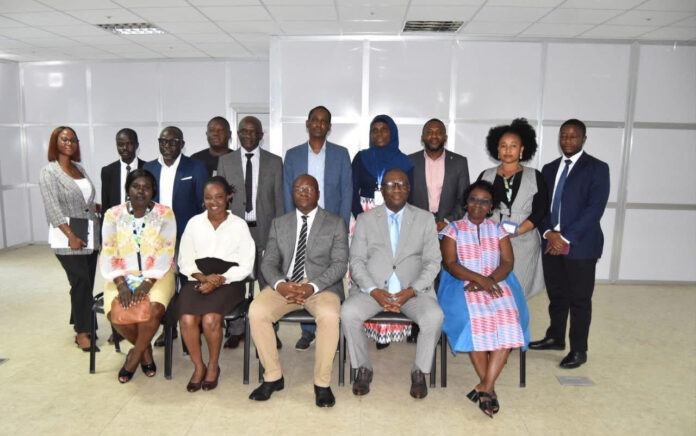
The high-level engagement, held on Thursday, 9 April 2026, at the Office of the Director General of the NCRA, on 28B King Harman Road in Freetown, focused on strengthening collaboration between the two institutions to streamline business registration, improve transparency and enhance investor confidence.

Convened following a formal request from the NIB under the Office of the Vice President, the meeting centred on how the NCRA’s robust national identity infrastructure can be embedded into the operationalization of the NIB’s One Stop Shop (OSS), a Business Solution Centre established as part of Government’s wider reform agenda to improve the country’s ease of doing business.

The proposed integration of the National Identification Number into the OSS framework is expected to mark a significant shift in how businesses are registered in Sierra Leone. By tying the process directly to verified national identity data, the system will reduce bureaucratic bottlenecks that have historically slowed business formation, caused inconsistencies and created loopholes for irregularities.

With the new arrangement, investors and entrepreneurs are expected to benefit from a faster, more reliable and identity-driven registration process, designed to enhance efficiency while ensuring greater accountability at every stage.

At the close of the meeting, the heads of both institutions reached a firm agreement on mutual cooperation, underscoring their shared commitment to modernizing the country’s business environment.

In a swift move that demonstrated the NCRA’s readiness to support the initiative, Director General Mohamed Mubashir Massaquoi immediately assigned a dedicated staff member to the NIB’s One Stop Shop. The official will be responsible for ensuring that identity verification services are fully integrated into the business registration workflow from the outset.

Speaking after the meeting, NIB Executive Director Dr. Edward Hinga Sandy commended the NCRA for its prompt response and strong commitment to the initiative. He described the Authority as “the heartbeat of the One Stop Shop process,” noting that no credible business facilitation framework can function effectively without a trusted and verifiable identity management system at its core.

The partnership between the NCRA and the NIB is widely seen as a crucial pillar in Sierra Leone’s push toward a modern, digitally anchored and investor-friendly registration ecosystem. By removing unnecessary administrative barriers and strengthening institutional coordination, the collaboration is expected to position the country as a more attractive destination for both local and foreign investment.

Both institutions have reaffirmed their commitment to sustaining the collaboration as the One Stop Shop moves steadily toward full operationalization, a development expected to significantly boost business confidence and support national economic growth.

Sierra Leone Moves Closer to Nuclear Energy With IAEA Backing

By Amin Kef (Ranger)

In a major boost to Sierra Leone’s long-term energy transformation agenda, the Director General of the International Atomic Energy Agency (IAEA), Rafael Mariano Grossi, has reaffirmed the Agency’s commitment to supporting Sierra Leone’s ambitions to explore nuclear energy as a sustainable solution to its electricity challenges.

The assurance was given during a high-level meeting with President Dr. Julius Maada Bio, President of the Republic of Sierra Leone, on Thursday 9 April 2026 in Vienna, Austria, where both leaders discussed strategic pathways for strengthening cooperation in the energy sector and expanding the country’s long-term power generation capacity.

Speaking during the meeting, Rafael Mariano Grossi observed that nuclear energy is increasingly becoming a key subject of policy discussion across Africa as Governments search for reliable, clean and sustainable sources of electricity to meet rising domestic and industrial demand. He noted that while South Africa remains the continent’s only country with a commercial nuclear power plant, several African nations are now actively evaluating nuclear options as part of broader efforts to secure stable energy futures.

He further disclosed that the IAEA has in recent years deepened collaboration with major international financial institutions, many of which have shown growing willingness to support credible nuclear energy initiatives, especially in developing countries seeking to close power deficits and strengthen economic resilience. This broader global shift, he suggested, presents a strategic opportunity for countries like Sierra Leone to begin building the policy, regulatory and technical frameworks required for peaceful nuclear energy development.

“I am aware of the hard work you are doing in your country to promote stability and expand energy access for your people,” Rafael Mariano Grossi stated, in remarks that underscored confidence in Sierra Leone’s development direction.

Responding, President Bio expressed appreciation for the IAEA’s continued support to Sierra Leone, particularly in key areas such as healthcare, agriculture, food security and scientific applications. He acknowledged the persistent challenges facing the country’s energy sector and welcomed the prospect of deeper collaboration with the global nuclear body as Sierra Leone explores innovative solutions to its longstanding electricity shortfalls.

The President also emphasized the regional significance of the engagement, noting that in his current capacity as Chair of the ECOWAS Authority of Heads of State and Government, advancing strategic dialogue around nuclear energy and wider energy security issues has become increasingly important for West Africa’s future.

Also speaking during the engagement, Dr. Kandeh Yumkella, Chairman of the Presidential Initiative on Climate Change, Renewable Energy and Food Security, highlighted ongoing IAEA-backed interventions already underway in Sierra Leone. He stressed the need to scale up those initiatives while simultaneously building national expertise and institutional readiness for broader nuclear science applications in energy, medicine, agriculture and environmental protection.

As Sierra Leone continues efforts to tackle its long-standing energy deficit, diversify its energy mix and accelerate industrial growth, the opening of formal discussions around nuclear energy marks a potentially significant step in the country’s development journey. Analysts believe that while the path to nuclear power requires extensive safeguards, regulation, human capacity and financing, the IAEA’s commitment offers an important foundation for future progress toward reliable, affordable and sustainable electricity.

OPEC Fund to Support Construction of Cancer Centre, Strengthen Agric and Energy Resilience

By Alvin Lansana Kargbo

The President of the OPEC Fund for International Development, Dr. Abdulhamid Alkhalifa, has pledged support for the construction of a Cancer Centre in Sierra Leone, while reaffirming the institution’s broader commitment to strengthening the country’s agriculture, energy and economic resilience.

Dr. Abdulhamid Alkhalifa made the commitment during a high-level meeting with His Excellency President Julius Maada Bio at the OPEC Fund Headquarters on Friday, April 10, 2026, in Vienna, Austria, where both leaders reviewed the progress of ongoing cooperation and explored new strategic investment opportunities.

Welcoming President Bio and his delegation, Dr. Abdulhamid Alkhalifa expressed satisfaction over the growing partnership between Sierra Leone and the OPEC Fund. He noted that the meeting provided an important opportunity to assess the gains made since the successful 2024 Vienna Roundtable, which laid the foundation for several transformative development initiatives.

A key highlight of the discussions was the proposed Cancer Centre for Sierra Leone. Dr. Abdulhamid Alkhalifa disclosed that the OPEC Fund, in partnership with the International Atomic Energy Agency (IAEA), is already supporting efforts to expand radiotherapy access in countries with limited or no treatment facilities. He cited the Democratic Republic of Congo as one of the countries already benefiting from the collaboration, underscoring the Fund’s readiness to extend similar support to Sierra Leone.

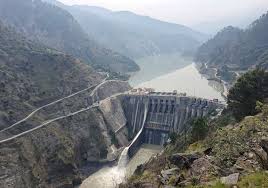
Senior OPEC Fund officials also provided updates on major pipeline projects that have advanced since the 2024 Roundtable. Among them is the Livestock and Livelihoods Development Project (LLDP), which has secured US$30 million in approved financing. Another flagship initiative, the Kambia Special Agro-Processing Zone (SAPZ), has received US$50 million in approval, while the US$50 million Bumbuna Hydro Project is currently awaiting Board approval. In addition, the Fund is reviewing the pre-feasibility study for the proposed Kambia-Kychom road project, a move expected to further improve trade connectivity and agricultural market access.

In a further boost to Sierra Leone’s regional economic ambitions, Dr. Abdulhamid Alkhalifa assured President Bio of the Fund’s willingness to support the West African Integration and Investment Summit scheduled for October this year. He also pledged support to help Sierra Leone cushion the economic shocks arising from the ongoing conflict in the Gulf region, particularly its effects on global oil and fertilizer supply chains.

Responding, President Bio commended the OPEC Fund’s leadership and thanked Dr. Abdulhamid Alkhalifa for the enduring partnership, especially the co-hosting of the 2024 Vienna Roundtable, which generated an impressive US$850 million in pledges, including a US$260 million new Country Partnership Strategy for Sierra Leone.

Addressing the broader economic challenges, President Bio highlighted the severe global consequences of the Gulf conflict, noting that disruptions to key energy supply routes have pushed oil prices to record highs, intensified inflationary pressures across transport, electricity and industrial production, and significantly increased fertilizer costs for agriculture.

He warned that for developing countries such as Sierra Leone, which has made notable strides toward macroeconomic stability and economic growth, those external shocks threaten to undermine hard-earned gains, widen fiscal deficits and worsen the cost-of-living burden on citizens.

Since the 2024 Vienna Roundtable, approximately 43 percent of the total US$850 million in pledges, equivalent to US$370 million, has already been translated into concrete investments, with projects either under implementation or in advanced stages of preparation.

The OPEC Fund President’s pledge to support the Cancer Centre is particularly significant, as it directly reinforces President Bio’s longstanding vision to establish a modern oncology treatment facility in Sierra Leone. The project, which has faced delays due to financing constraints, now appears to have received a major boost, raising renewed hope for improved cancer diagnosis and treatment services in the country.

The development marks another major milestone in Sierra Leone’s international development partnerships and signals growing confidence in the country’s healthcare, infrastructure and economic transformation agenda under President Bio’s leadership.

Opposition MPs Demand Direct Talks With President Bio Amid Continued Parliament Boycott

By Foday Moriba Conteh

In a renewed effort to break the ongoing political impasse in Sierra Leone’s Parliament, the Rt. Hon. Speaker, Segepoh Solomon Thomas, on Friday, April 10, 2026, reconvened a second high-level meeting with Members of the Opposition in a bid to persuade them to end their continued boycott and return to their constitutional legislative duties.

The engagement, described by the Speaker as a follow-up to earlier discussions, formed part of sustained efforts to restore normal parliamentary business amid growing concerns over the absence of opposition lawmakers from sittings. Addressing the meeting, Speaker Segepoh Solomon Thomas said he had earlier pledged to communicate the concerns raised by the opposition to His Excellency President Julius Maada Bio following their previous engagement. However, he explained that the President had been occupied with several national and international commitments.

Despite that, the Speaker stressed that his decision to reconvene the meeting underscored the urgency of the matter and his unwavering commitment to ensuring that all elected representatives return to Parliament in the national interest.

He passionately appealed to Members of Parliament from the All People’s Congress (APC) not to abandon their legislative responsibilities on account of disagreements with the Executive, noting that Parliament remains the central institution for democratic debate, accountability and lawmaking.

The Speaker emphasized that there are pressing national issues requiring urgent parliamentary attention, especially a number of critical bills awaiting enactment. He noted that the presence and participation of the Opposition are indispensable in the legislative process, particularly in the passage of laws that have far-reaching implications for governance and national development.

According to him, the absence of opposition lawmakers weakens the democratic process and deprives citizens of robust debate and alternative perspectives that are essential to good governance. He reminded the lawmakers that the Opposition plays a vital and irreplaceable role in every thriving democracy and urged them to resume their constitutional duties without further delay.

In a conciliatory tone, the Speaker assured the opposition that Parliament itself provides adequate democratic space for them to express dissatisfaction, frustration or grievances. He specifically encouraged them to use the Well of Parliament as the appropriate constitutional platform to ventilate their concerns rather than staying away from sittings.

He also expressed gratitude to the opposition MPs for honoring his invitation for the second time and for reaffirming their recognition of him as Speaker of the Sixth Parliament of the Second Republic of Sierra Leone.

Segepoh Solomon Thomas further reassured the opposition caucus that he would continue to engage President Bio in search of a lasting political solution. He disclosed plans to explore the possibility of a direct meeting between the President and the Opposition leadership, stressing that sustained dialogue remains the most credible path toward national consensus and democratic stability.

“Dialogue is indispensable in any democratic space. Please find a way to come back to Parliament,” the Speaker pleaded, while thanking the lawmakers for their willingness to continue engaging.

Responding on behalf of the opposition, the Leader of the Opposition commended Speaker Segepoh Solomon Thomas for what he described as sincere and statesmanlike efforts to mediate the standoff between the Executive and opposition lawmakers. He said the Speaker’s calm leadership style and inclusive approach continue to inspire confidence, describing him as one of the admirable national leaders Sierra Leone can rely on in difficult political moments.

The Opposition Leader, however, lamented that since the first meeting with the Speaker, no further effort had been made by other state actors to engage them toward resolving the matter.

He reiterated that the Opposition remains a cornerstone of 21st-century democratic governance and called on President Julius Maada Bio to personally engage opposition leaders in the spirit of peace, trust-building and national cohesion.

Touching on the wider electoral concerns fueling the standoff, the Opposition Leader raised issues surrounding public confidence in future elections, particularly the role of Electoral Commission leadership. While acknowledging that the President’s appointment of Electoral Commissioner Edmond Sylvester Alpha was constitutional, he argued that constitutional decisions must also reflect public confidence and good faith.

He suggested that, in the broader interest of peace and long-term political stability, consideration should be given to ensuring that the 2028 electoral process inspires trust across the political divide.

He concluded by emphasizing that the opposition’s current position is not intended to derail governance but rather to seek credible dialogue and guarantees that will strengthen democratic legitimacy in Sierra Leone.

Austria’s President Commends Bio’s GEWE Act, Deepens Bilateral Cooperation

President Dr. Julius Maada Bio meets Austria’s President, Alexander Van der Bellen in Vienna, Austria.

By Amin Kef Sesay

Austria’s Federal President, Alexander Van der Bellen, has lauded Sierra Leone’s President, Julius Maada Bio, for his leadership in promoting women’s empowerment through Sierra Leone’s landmark Gender Equality and Women’s Empowerment (GEWE) Act during a bilateral meeting held on Thursday, 9 April 2026, in Vienna, Austria.

During the high-level engagement, President Van der Bellen commended President Bio’s administration for taking bold legislative and policy steps aimed at protecting women and children, while also strengthening social protection systems across Sierra Leone. He expressed keen interest in how other African nations could be encouraged to adopt progressive legislation similar to Sierra Leone’s GEWE Act, which has been widely regarded as a major milestone in advancing gender inclusion and equal opportunities.

The bilateral talks also placed significant emphasis on Sierra Leone’s progress in human capital development, with both leaders discussing broader global and developmental priorities on the margins of the International Vienna Energy and Climate Forum. The two Presidents reportedly agreed that skills development for local populations remains critical if African countries are to fully harness the opportunities presented by the global energy transition and the drive toward green industrialization.

President Van der Bellen further underscored the importance of sustaining and expanding the gains already made under Sierra Leone’s flagship Free Quality Education initiative, describing continued investment in education as central to long-term national transformation and social progress.

Welcoming President Bio to Vienna, the Austrian leader noted that it was a pleasure to exchange views on urgent global concerns, including the climate emergency, human rights and the escalation of armed conflicts in different parts of the world. He also stressed the need to deepen diplomatic and developmental ties between Sierra Leone and Austria.

President Van der Bellen disclosed that Austria is currently finalizing a new strategy for cooperation with African countries, emphasizing that stronger engagement with African partners across multiple sectors would yield mutual benefits. He highlighted Africa’s vast promise, pointing particularly to the continent’s youthful, dynamic and entrepreneurial population as a key driver of future growth and innovation.

Responding, President Bio expressed appreciation for the warm reception and reaffirmed Sierra Leone’s commitment to strengthening bilateral cooperation with Austria. He said he looks forward to sustained collaboration as both countries continue to deepen relations and work together on shared priorities, including education, climate action, human rights and economic transformation.

The meeting further signals Sierra Leone’s growing diplomatic visibility on the global stage, especially in areas of gender reform, human capital investment and climate-linked development partnerships.

Why Chericoco Is Increasingly Seen as APC’s Best 2028 Bet

Hon. Chernor Ramadan Maju Bah

By Francess Wright

As the All People’s Congress (APC) intensifies internal conversations over its future leadership and electoral strategy ahead of the 2028 General Elections, one name continues to dominate discussions within party structures, among grassroots supporters and across Sierra Leone’s wider political landscape: Hon. Chernor Ramadan Maju Bah, popularly known as Chericoco.

Widely regarded as one of the APC’s most experienced, disciplined and nationally respected figures, Chericoco is increasingly being projected by supporters and political observers alike as the party’s best presidential material to lead the APC into the 2028 elections and potentially emerge as Sierra Leone’s next President.

A seasoned lawyer, accomplished Parliamentarian, former Deputy Speaker of Parliament and former Leader of the Opposition, Hon. Chernor Ramadan Maju Bah’s political career has been defined by consistency, resilience and an unwavering commitment to democratic governance. His rise through Sierra Leone’s political ranks has not been driven by political theatrics, but by a steady record of legislative leadership, constitutional discipline and institutional loyalty.

Born in Freetown on 29 April 1972, Chericoco first rose to national prominence after winning the Brookfields parliamentary seat in 2007. His repeated electoral victories in one of Freetown’s most politically active constituencies reflected not only strong grassroots support but also public confidence in his ability to represent national interests with competence and integrity.

Over the years, his parliamentary influence deepened significantly through his stewardship of critical committees, including the Legislative Committee and the Mines and Minerals Resources Committee, where he played key oversight roles in national lawmaking and governance debates surrounding Sierra Leone’s extractive sector.

His calm temperament, mastery of parliamentary procedure and ability to build consensus across political lines later earned him unanimous support as Deputy Speaker of Parliament in 2012. In that role, he distinguished himself as a disciplined statesman who prioritized order, fairness and institutional respect, reinforcing Parliament’s role as a pillar of democracy.

That reputation for balanced leadership and national appeal informed the APC’s strategic decision to select him as its vice presidential running mate in the 2018 elections, a move that significantly elevated his national profile and expanded his support base across the East, South, North, North-West and Western Area.

Today, as the APC weighs its path to political renewal and a return to State House, many within the party believe Chericoco embodies the exact qualities required for victory in 2028: experience, unity, credibility, strategic depth and cross-regional appeal.

Supporters describe him as a leader whose strength lies in substance rather than spectacle. They point to his calm but firm approach to politics, his loyalty to party structures during difficult periods and his consistent engagement with grassroots supporters as evidence that he remains one of the APC’s most formidable assets.

Political analysts note that in an era where Sierra Leoneans increasingly demand issue-based leadership, institutional maturity and national cohesion, Chericoco’s profile stands out as uniquely suited to reconnect the APC with broader voter blocs beyond traditional party strongholds.

His supporters further argue that he represents a bridge between the APC’s historic legacy and the demands of a modern democratic electorate, combining seasoned institutional memory with the humility and accessibility often required to inspire public trust.

Unlike politicians whose visibility rises only during election cycles, Chericoco has remained consistently active in national dialogue, community engagement, constitutional advocacy, youth empowerment and peacebuilding initiatives. His political relevance has therefore been sustained not by campaign rhetoric but by continuity of service.

Within APC circles, growing voices are urging delegates and stakeholders to prioritize stability, tested leadership and national electability as the party prepares for future flagbearer decisions. For many of those voices, Hon. Chernor Ramadan Maju Bah represents the safest and strongest strategic choice.

His supporters insist that the 2028 election will require more than popularity alone; it will demand a candidate with governance experience, legal insight, national credibility and the temperament to unify a politically diverse nation. In their view, Chericoco fits that description more convincingly than any other emerging contender.

As internal momentum builds, his name continues to resonate as the APC’s most credible presidential prospect; one whose leadership journey, institutional pedigree and broad national appeal may well position him as the man to lead the party back to power in 2028.

With Sierra Leone’s political atmosphere gradually shifting toward the next electoral cycle, Hon. Chernor Ramadan Maju Bah remains not only a central figure in APC calculations but increasingly the symbol of the party’s hopes for unity, renewal and national victory.