
Home Blog Page 31

CHREPS Officially Unveiled in Freetown, Targets Human Rights and Professional Capacity Building

Executive Director and Proprietor of College for Human Rights Education and Professional Studies (CHREPS), Victor Lansana Koroma

By Foday Moriba Conteh

The College for Human Rights Education and Professional Studies (CHREPS) has been officially unveiled in Freetown, marking the establishment of Sierra Leone’s first private academic institution dedicated primarily to human rights education and professional training.

Speaking at a press conference held on Wednesday, 7 January 2025, at the college’s campus on Blackhall Road by PWD Junction  in the east end part of Freetown, the Executive Director and Proprietor of College for Human Rights Education and Professional Studies (CHREPS), Victor Lansana Koroma, said the institution was founded to build the capacity of future leaders, professionals, activists and advocates in critical areas of national and global development.

Victor Lansana Koroma explained that CHREPS was established in 2025 and is fully registered in the Republic of Sierra Leone. He described the college as a response to existing gaps in higher and professional education, particularly in specialized fields such as human rights advocacy, governance, occupational health and safety, cyber security and law, climate change, peacebuilding and conflict mediation.

According to him, CHREPS is the first institution in Sierra Leone solely dedicated to training human rights professionals, activists and advocates, while also offering market-oriented professional programmes designed to make graduates “ready for work.” He said the college aims to create, manage and disseminate knowledge that enhances students’ skills and self-reliance.

Victor Lansana Koroma noted that the institution operates through partnerships and collaborations with like-minded public and private institutions within and outside Sierra Leone. He added that CHREPS’ faculty comprises experienced scholars and practitioners drawn from reputable universities and professional institutions in Sierra Leone, the West African sub-region and beyond.

He disclosed that the college has received provisional accreditation from the National Council for Technical, Vocational and Other Academic Awards (NCTVA), granting it approval to commence academic activities for an initial one-year period while it continues to strengthen its infrastructure, systems and learning facilities. He further confirmed that the institution is registered with the Office of the Administrator and Registrar General, the National Revenue Authority and other relevant state bodies.

CHREPS will offer programmes at Certificate and National Diploma levels. Areas of study include human rights advocacy, rule of law and ethics, policy and legal research, occupational health and safety management, cyber security and law, climate change management and sustainability, disaster management, global health security, monitoring and evaluation, information technology and human resource management, journalism among others.

Victor Lansana Koroma said the institution has deliberately structured its programmes to accommodate working professionals, with classes scheduled mainly in the evenings and on selected days, Mondays, Wednesdays, Fridays and Saturdays. He added that the college will also provide opportunities for students to complete outstanding WASSCE subjects alongside their professional studies at no additional cost.

Addressing concerns about affordability, the CHREPS Proprietor announced that the college has introduced highly subsidized tuition fees, including a 50 percent discount for its pioneer intake, in order to make education accessible amid prevailing economic challenges.

He further revealed ongoing efforts to affiliate CHREPS with institutions outside Sierra Leone, including Wisconsin University in Ghana, to provide both in-person and online learning opportunities. Discussions are also underway with local universities for academic collaboration and curriculum review.

Victor Lansana Koroma called on the media, civil society organisations, professionals, and development partners to support the institution, noting that CHREPS is committed to promoting human rights, good governance, democracy and sustainable human capital development.

The college operates under the motto, “Building an Empowered Society,” with a mission to promote justice, rule of law and advocacy skills through student-centred academic excellence by 2035.

He concluded by stating that application forms are currently available for sale at Le 250 for certificate programmes and Le 300 for diploma programmes. Interested individuals are encouraged to visit the college at No. 1 Blackhall Road, by Ferry Junction, PWD Roundabout, Freetown, or contact the institution via +232 76 758 511 or +232 77 758 511 for further information.

Orange Sierra Leone Bids Farewell to Outgoing CEO Sekou Amadou Bah

By Foday Moriba Conteh

Orange Sierra Leone has officially bid farewell to its outgoing Chief Executive Officer, Sekou Amadou Bah, marking the end of his nearly four-year tenure on 31 December 2025. His departure was formally celebrated during a well-attended farewell ceremony held on Wednesday, 7 January 2026, at the company’s headquarters on Hill Station in Freetown. The event brought together staff, senior Management and key stakeholders to reflect on his leadership and acknowledge his contributions to the company’s growth, transformation and people-centred culture.

Speakers at the ceremony described Sekou Amadou Bah’s tenure as steady, inclusive and impactful, noting that he assumed leadership during a challenging period, characterized by economic pressures, complex regulatory demands and critical network challenges. Despite those difficulties, speakers said he consistently demonstrated calmness, clarity and composure, inspiring confidence across the organisation.

Elizabeth Clarissa A. Walker, Head of OSL Connect and Head of the Welfare Team, speaking on behalf of all employees, said Sekou Amadou Bah’s leadership strengthened Orange Sierra Leone’s operational foundation through substantial investments that positioned the company for long-term growth. She highlighted his integrity, accessibility and trust-based leadership, describing his open-door policy and daily interactions with staff as key factors that fostered a sense of belonging and motivation among employees.

Elizabeth Clarissa A. Walker also praised Sekou Amadou Bah’s commitment to staff welfare, citing initiatives such as Ramadan vouchers and support for field staff during difficult economic times. She further commended his decision to appoint two Directors from within the existing workforce, including a Marketing Director in a role historically occupied by expatriates, saying that affirmed the value of local talent and institutional knowledge.

Representing the OSL Men’s Association, Vice President, Joseph Saffa Tengbeh, described Sekou Amadou Bah as a principled and courageous leader who embodied the true essence of leadership. He said Sekou Amadou Bah strengthened systems, deliberately built capacity, nurtured talent and promoted a culture of accountability and opportunity. According to Joseph Saffa Tengbeh, Sekou Amadou Bah’s legacy will endure through the standards he raised, the people he inspired and the stronger organisation he leaves behind.

Joseph Saffa Tengbeh also welcomed the newly appointed CEO, Madam Aïcha Touré, expressing confidence in her leadership and assuring her of the Men’s Association’s full support as Orange Sierra Leone enters a new phase.

Similarly, Priscilla Okechukwu, President of Orange Sierra Leone Women, highlighted Sekou Amadou Bah’s commitment to inclusivity and women’s empowerment. She said his leadership went beyond corporate performance, ensuring women were actively included in decision-making processes and supported in their career growth. Under his tenure, she noted, many women advanced into leadership roles, reflecting a culture where empowerment was practiced rather than merely promoted.

Priscilla Okechukwu also commended Sekou Amadou Bah’s role in driving digital transformation and infrastructure development, positioning Orange Sierra Leone as an industry leader. She described him as an accessible leader who valued people as the company’s greatest asset and treated the Orange Women’s Programme as a core pillar of corporate strategy. She concluded by describing him as an outstanding “He-for-She” whose legacy would endure within the company.

The newly appointed Chief Executive Officer of Orange Sierra Leone, Aïcha Touré, praised the leadership and achievements of her predecessor, Sekou Amadu Bah, describing his nearly four-year tenure as transformative, resilient and impactful.

Aïcha Touré said Sekou Amadu Bah led the company with vision, resilience and a strong commitment to Orange Sierra Leone’s mission, guiding the organisation through challenges while unlocking new opportunities. Under his leadership, she noted, Orange Sierra Leone recorded significant progress, including the setting of new customer experience standards across the Orange Group, strengthening of IT systems and expansion of data network coverage to more than 90 percent of the population.

She further highlighted that Sekou Amadu Bah accelerated business growth and profitability, strengthened compliance systems and promoted social cohesion and the development of diverse talent within the organisation. Thanking him for his service, Aïcha Touré said he leaves behind a legacy of excellence and a solid foundation for future growth.

Speaking on her assumption of office, Aïcha Touré said she is taking on the role with humility and would be guided by three core values: empathy, integrity and excellence. She explained that empathy would help her connect with employees, customers and communities; integrity would guide trust-based leadership and excellence would ensure Orange Sierra Leone continues to deliver the best network, customer experience and sector impact.

She outlined four strategic priorities for her tenure: putting people first, driving sustainable business growth, strengthening network excellence and accelerating innovation and digital transformation. Aïcha Touré reaffirmed the company’s commitment to continued investment in mobile, fibre, voice and Orange Money services, as well as improving network quality, reliability and nationwide coverage. She also emphasized Orange Sierra Leone’s role in advancing digital and financial inclusion to ensure no one is left behind.

Aïcha Touré expressed gratitude to colleagues across the Orange Group, her former teams in Mali, her mentors and her family for their support. She also thanked the leadership of Sonatel, Orange Middle East and Africa and the Board of Orange Sierra Leone for the confidence placed in her. Describing Sierra Leone as warm and hospitable, she said she already felt at home and looked forward to working closely with staff and stakeholders to write the company’s next growth chapter.

In his farewell remarks, outgoing CEO Sekou Amadu Bah described the occasion as one of mixed emotions, reflecting gratitude, pride and humility. He thanked the more than 432 employees nationwide, crediting them for the achievements recorded during his tenure. Sekou Amadu Bah highlighted progress in strengthening telecommunications infrastructure, expanding connectivity and improving reliable communication services across the country.

He acknowledged that the company faced significant challenges during the period but said those were overcome through courage, creativity and collaboration. Beyond corporate success, Sekou Amadu Bah emphasized the importance of relationships, describing Orange Sierra Leone as a family built on trust, solidarity and teamwork.

As he handed over leadership, Sekou Amadu Bah expressed confidence in Aïcha Touré and encouraged staff to give her the same support they gave him. He also thanked his family, the Board of Directors, shareholders and the executive team for their support.

The ceremony concluded with a standing ovation, farewell messages from departments and regional teams, the presentation of gifts, marking both the end of Bah’s tenure and the beginning of a new leadership chapter for Orange Sierra Leone.

Girls’ in STEM Initiative Raises Funds, Strengthens Partnerships for Rural Girls’ STEM Education

By Ibrahim John Sesay

The Girls’ in STEM Initiative Sierra Leone has successfully hosted its first-ever Impact Dinner and Fundraising Event, marking a major milestone in its mission to promote Science, Technology, Engineering, and Mathematics (STEM) education among girls in the Western Area Rural District.

Held on Sunday, 28 December 2025, at Kay’s Complex in Newton (Fourmile), the event was themed: “Vision to Impact: Advancing STEM for Community Development.” It brought together development partners, educators, community leaders, students, civil society actors and advocates for gender equality in education to celebrate progress, strengthen partnerships and mobilize resources for the Initiative’s expanding programs.

The Impact Dinner served as both a celebration of achievements and a strategic platform to rally financial and material support for ongoing and future STEM-focused interventions targeting girls from underserved rural communities.

Addressing the gathering, Executive Director, Christina M. Bangura, described the occasion as “a celebration of partnership, progress and purpose,” emphasizing the critical role of girls’ participation in STEM for national development.

“When girls are given the opportunity, mentorship and tools to succeed in STEM, they do not only transform their own lives but also contribute meaningfully to the growth of the nation,” she said.

Christina M. Bangura disclosed that since its inception in 2021, the organization has empowered over 7,000 young people through diverse skills-development programs. These include engineering, ICT and digital literacy, catering, gari processing, cake making, tailoring, hairdressing, decoration and other vocational and technical skills aimed at enhancing self-reliance and employability.

She reaffirmed the Initiative’s vision of creating inclusive pathways that allow girls, particularly those in rural and marginalized communities, to access quality STEM education, mentorship and innovation opportunities.

Also speaking at the event, Evangelist Musa Khalil Koroma, Executive Director of the Global Youth Network for Empowerment and Development (GYNED), commended the Girls’ in STEM Initiative for its impactful work in empowering young people. He pledged GYNED’s continued support and called on other stakeholders to collaborate in expanding the Initiative’s reach across the district.

Former Member of Parliament and former Chief Whip, Hon. Dr. Claude D. M. Kamanda, GOOR, highlighted the origins and sustained impact of the Initiative, describing it as a reliable partner in community development.

“Today, we are here to celebrate the impact of the Girls’ in STEM Initiative Sierra Leone. This organization has transformed many lives in this district, and I have attended most of its programs,” he noted, while reaffirming his commitment to continued support.

The keynote address was delivered by Madam Valnora Edwin, Chairperson of the African Leaders Network and Vice President of the 50/50 Group. She praised the visionary leadership of Christina M. Bangura and provided a comprehensive overview of STEM, Science, Technology, Engineering, and Mathematics, underscoring its relevance to community and national development.

Madam Valnora Edwin also addressed Gender-Based Violence (GBV), encouraging young women to speak out against abuse, while urging students and young entrepreneurs to harness their skills and venture into entrepreneurship. She emphasized that technology and innovation provide women with the tools to excel professionally and achieve independence.

Leadership expert Prof. Paul Alieu Kamara delivered an inspiring address centered on leadership values and integrity. Framing his remarks around traditional, philosophical and psychological dimensions of leadership, he challenged participants to critically assess motivations for leadership and to uphold honesty and self-awareness.

“The biggest problem in leadership is the dishonesty of people in leadership positions,” Prof. Paul Alieu Kamara observed, stressing that politics and leadership must be rooted in service to the people. He concluded by highlighting the importance of adaptability and announced expectations for a future leadership hub in Sierra Leone to train young leaders.

The fundraising segment of the event aimed to generate resources to expand STEM clubs, provide learning materials, sponsor scholarships and support innovation laboratories for girls across multiple districts. Awards were also presented to development partners, individuals and students who have made outstanding contributions to the Initiative’s mission.

With the success of its inaugural Impact Dinner, the Girls’ in STEM Initiative Sierra Leone reaffirmed its commitment to advancing gender-responsive education and shaping a more inclusive future for girls in science and technology across the country.

Freetown Mayor Unveils Green Design Challenge to Reimagine City Centre

Mayor of Freetown, Yvonne Aki-Sawyerr

The Mayor of Freetown, Yvonne Aki-Sawyerr, on Tuesday January 6, 2026 officially launched the Freetown Urban Green Design Competition, a citywide initiative aimed at introducing innovative, climate-resilient greenery into the capital’s Central Business District (CBD).

The competition is part of broader urban regeneration efforts being implemented under the Freetown–Zurich City-to-City Cooperation, a partnership focused on modernizing the city’s core while improving environmental sustainability and urban livability. Key components of the cooperation include the installation of modern street lighting, the organisation of street parking, the creation of urban green spaces and targeted beautification of public areas.

Unveiling the initiative, Mayor Aki-Sawyerr said the competition seeks to harness local creativity to reimagine Freetown’s city centre as a greener, more people-friendly space that responds to climate change and rapid urbanization. She noted that greening the CBD is not only about aesthetics, but also about improving public health, safety and economic activity.

The competition invites residents to redesign the CBD corridor stretching from Walpole Street to Wilberforce Street and from Siaka Stevens Street to Wallace Johnson Street. Participants are encouraged to envision streets lined with lush green trees and enhanced public-facing spaces, including the frontages of commercial banks and other prominent landmarks. The goal is to transform traditionally grey, congested streets into vibrant, welcoming environments that support walking, social interaction and business activity.

Open to students, young professionals and local creatives, the initiative is designed to promote community ownership and empower residents to actively shape the future of their city. Organisers say the competition also provides an opportunity to spotlight homegrown ideas that are practical, affordable and scalable within Freetown’s urban context.

Design submissions will be evaluated against clear criteria, including climate resilience, biodiversity enhancement, contribution to public life and safety, cost-conscious implementation, and overall creativity and innovation. To incentivize participation, the top three winning entries will each receive a cash prize of Le 10,000.

City officials expressed optimism that the competition will generate actionable ideas capable of informing long-term urban planning and reinforcing Freetown’s commitment to sustainable, inclusive development.

Reclaiming the Public Square: How 2025 Reshaped Citizen-Government Relations in Sierra Leone

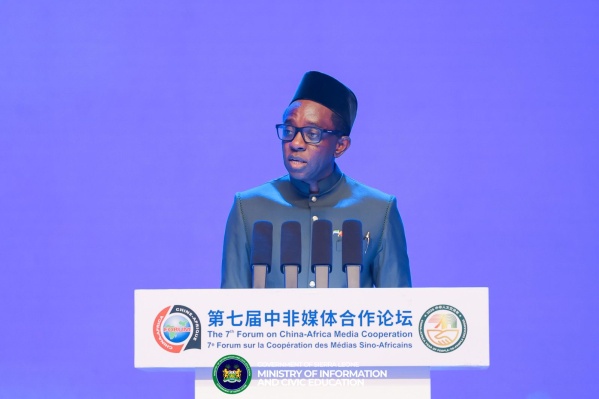
Chernor Bah, Minister of Information and Civic Education

By Amin Kef (Ranger)

In the life of every democracy, there are defining periods when the relationship between citizens and the state is tested, recalibrated and sometimes renewed. For Sierra Leone, 2025 stands out as such a moment; a year widely regarded as the turning point when the nation deliberately reclaimed its public square and re-established sustained dialogue between Government and the governed.

According to Chernor Bah, Minister of Information and Civic Education, the year was not characterized by political slogans or episodic communication, but by a deliberate commitment to open governance, structured engagement and public accountability. Across town halls, weekly press conferences, civic festivals, policy reforms and community conversations, both at home and abroad, the Government of Sierra Leone made a conscious decision to govern in public and with the people.

For many years, public communication in governance has often been reduced to broadcasting: Government speaks and citizens listen. In 2025, that approach was fundamentally redefined.

Minister Chernor Bah disclosed that over the course of the year, he personally participated in more than 40 major media engagements, supported by 36 weekly press conferences and three special national briefings. Those platforms brought together 92 Government officials, as well as representatives from civil society and the private sector, generating over 56 hours of live public engagement.

More than 500 questions were answered directly and in real time; without scripts and without filters. That, the Minister explained, was central to restoring public trust. Beyond traditional media, civic communication generated more than three million social media interactions, reflecting not just reach, but genuine citizen response, critique and participation.

“Effective communication is not about speaking louder,” Chernor Bah noted. “It is about listening better and responding honestly.”

One of the most impactful initiatives of 2025 was the Civic Day Series, which became the clearest expression of the new philosophy of participatory governance. Over nine months, Government officials travelled across seven districts, engaging citizens in more than 25 hours of structured dialogue on over 20 national issues, including education, employment, agriculture, healthcare and governance.

More than 3,000 citizens took part, raising over 200 direct questions. In Kambia District, a local leader captured the significance of the initiative when he remarked that it was the first time in his lifetime that Government officials had come to his community to explain their work directly.

That sentiment, observers say, underscored the importance of decentralizing governance communication and ensuring that national policies are understood at community level.

For the first time in Sierra Leone’s history, that civic engagement model was extended beyond national borders. A U.S. Civic Day Series brought together more than 300 members of the Sierra Leonean diaspora, reinforcing the principle that governance responsibilities transcend geography and that citizenship remains active beyond the country’s shores.

If the Civic Day Series took Government to the people, the Salone Civic Festival brought the entire nation together in a shared democratic space.

The second edition of the festival was deliberately designed as a modern public square; open, inclusive and interactive. More than 80 Government and private-sector institutions participated, openly showcasing their work, responding to public questions and receiving feedback.

Attendance ranged between 5,000 and 8,000 citizens, complemented by extensive national media coverage and over 700,000 digital interactions across leading platforms.

President Julius Maada Bio described the festival as an opportunity to deepen democratic peace by bringing Government closer to the people, improving access to information and allowing citizens a meaningful voice in governance. For many participants, the festival symbolized a shift away from closed-door governance towards openness and transparency.

For the first time, the festival also welcomed more than ten international speakers from global institutions such as Columbia University, UNESCO and UNFPA, placing Sierra Leone’s civic renewal within a broader international democratic discourse.

Recognizing that democracy is shaped not only by institutions but also by narratives, the Ministry of Information and Civic Education invested significantly in young digital content creators during 2025.

Thirty emerging storytellers were trained through a three-month programme that combined skills development, access to equipment and civic education. The objective, officials explained, was not propaganda, but partnership; empowering citizens to tell their own stories truthfully, creatively and responsibly.

That initiative acknowledged the growing influence of digital media in shaping public opinion and sought to ensure that civic discourse remains informed, balanced and grounded in national realities.

The year also recorded several historic firsts that expanded the scope of national dialogue.

The first Presidential Town Hall in Kenema brought together 1,500 citizens in direct engagement with national leadership. More than 50 questions were posed, with 20 Ministers and over 30 senior officials present not as observers but as active participants.

On Independence Day, the Independent Symposium provided a non-partisan platform for reflection on Sierra Leone’s history and its relevance to contemporary governance. With 2,000 attendees and four eminent speakers, the symposium reinforced the idea that independence is not merely a historical milestone, but an ongoing civic obligation.

Officials were keen to emphasize that public engagement without tangible outcomes risks becoming mere performance. In 2025, dialogue was reinforced by policy action.

Three major national policies were approved: the Records and Archives Policy, the Media and Information Policy and the National Film Policy. Together, those frameworks aim to strengthen transparency, protect information access, preserve institutional memory and promote cultural expression.

The Government also revived The Sierra Leone Daily Mail, restoring a historic public institution as a modern platform for national conversation. In parallel, groundwork was laid for a comprehensive Data Protection Policy and legislation, scheduled for completion in 2026; an increasingly vital safeguard in a digital era.

Building on the foundations laid in 2025, the Government plans to expand the Civic Day Series to additional districts, including Kailahun, Karene, Kono, Pujehun, Falaba, Koinadugu and Bonthe, ensuring inclusive national participation.

Parliament is also expected to consider a Data Protection Law and a Records and Archives Law, further entrenching transparency and accountability. Meanwhile, preparations are underway to scale up the Salone Civic Festival in 2026, targeting 10,000 participants, 100 showcase institutions, 20 international guests and multiple town halls.

As Sierra Leone enters a new chapter, one lesson from 2025 remains clear: public engagement must be continuous, inclusive and institutionalized.

“In 2025,” Minister Chernor Bah reflected, “Sierra Leone did more than improve communication; we began to build a new democratic culture.” One where citizens are informed and respected, where Government shows its work openly and where the public square belongs to everyone.

For many observers, that cultural shift may prove to be one of the most enduring legacies of the year.

Over 4,000 Marriages Officially Registered Nationwide in 2025 — OARG

By Amin Kef (Ranger)

The Office of the Administrator and Registrar General (OARG) has announced the successful recording, processing and preservation of official data on registrable instruments for the year 2025, reaffirming its central role in safeguarding legal certainty and public records across the country.

In a public notice issued from its headquarters on Walpole Street, Freetown, the Office disclosed that all registrable instruments processed between 1 January and 31 December 2025 were duly captured in accordance with the Registration of Instruments Act (Cap 256 of the Laws of Sierra Leone) and other applicable laws and regulations .

The compiled data show that conveyance and related instruments formed the largest share of registrations nationwide. A total of 7,086 conveyances were recorded across OARG offices, with Freetown accounting for the overwhelming majority. The records also include hundreds of mortgages, leases, powers of attorney, statutory declarations, releases of mortgage, deeds of gift, mining licences, memorial judgments, wills and divorce-related instruments, reflecting sustained legal and commercial activity throughout the year.

Regional offices in Bo, Kenema, Makeni and Port Loko also registered significant volumes of legal instruments, underscoring the expanding reach of statutory services beyond the capital and the increasing demand for formal documentation in provincial centres.

The Marriage Registry recorded strong nationwide activity in 2025. According to the data, 1,782 Christian marriages and 2,502 Muslim marriages were officially registered. In addition, hundreds of marriage certificates, certified true copies and official searches were processed. Freetown remained the primary centre for marriage registration services, while regional offices continued to support community-level documentation and verification.

On intellectual property, the Office processed 662 trademark registrations during the year, alongside renewals, reclassifications, assignments, mergers, amendments, oppositions, withdrawals and patent-related filings. All intellectual property matters were handled through the Freetown office, reinforcing its status as the national hub for IP administration and protection.

The Estates and Gratuity division also recorded notable activity. Nationwide figures indicate that 356 estates were administered in 2025, with Freetown again accounting for the majority. The Office further processed gratuity reports, interviews and recommendations, while a number of cases were classified as non-impediment, ensuring orderly and lawful administration of deceased persons’ estates.

In the notice, the Administrator and Registrar General, Martina Bindzu Egbenka (Ms.), assured the public that all records have been properly documented, verified and preserved to ensure accuracy, transparency and reliability for administrative, legal and public reference purposes. She encouraged citizens and institutions seeking to verify records, request certified copies, correct entries or obtain additional information relating to the 2025 records to visit OARG offices during official working hours and comply with prescribed procedures.

Signed on 7 January 2026, the comprehensive compilation highlights OARG’s continued commitment to efficient public service delivery, protection of rights and strengthening of Sierra Leone’s legal and governance framework through credible and accessible registration systems.

SLAJ Ex-Officio Appointed Chair of FAJ Climate Change Working Group

Former President of Sierra Leone Association of Journalists (SLAJ), Ahmed Sahid Nasralla

By Alvin Lansana Kargbo

The Immediate Past President of the Sierra Leone Association of Journalists (SLAJ), Ahmed Sahid Nasralla, has been appointed Chairman of the Climate Change Working Group of the Federation of African Journalists (FAJ), in a move that has been widely welcomed by journalists across the continent.

The appointment was announced in December 2025 during a high-level FAJ mee;ting held on the sidelines of a three-day continental workshop in Nairobi, Kenya, focused on strengthening journalists’ capacity to advance climate justice and just transition reporting in Africa.

Announcing the decision, FAJ President Omar Farouk Osman described Ahmed Sahid Nasralla as “the right leader at a defining moment for African journalism and climate advocacy,” noting that his experience and leadership qualities make him well suited for the role.

“As Ex-Officio of SLAJ, Ahmed Sahid Nasralla now has the time to concentrate on this all-important assignment to help position FAJ as a critical player in the continental climate change agenda,” Omar Farouk Osman said. “He has the leadership experience, strong personality and integrity needed to engage development partners and funding organisations to help capacitate African journalists to prioritize climate change reporting.”

Ahmed Sahid Nasralla is also a Reserve Member of the FAJ Executive Steering Committee, where he has served for over a year and a half. According to the FAJ leadership, his tenure has been marked by consistent, results-driven contributions that have strengthened the Federation’s strategic direction.

“He is a result-oriented leader whose interventions have added real value to FAJ’s work,” the FAJ President added.

As Chairman, Ahmed Sahid Nasralla will lead a diverse Climate Change Working Group drawn from across Africa, reflecting FAJ’s commitment to inclusivity and regional balance. The members include Violet Nakamba Mengo of Zambia as Vice Chairperson, Promise G. Twinamukye of Uganda as Secretary and George Maponsa of Zimbabwe, Diaraye Guirassy of Guinea and Mathias Mouende Ngamo of Cameroon as members.

The Working Group is expected to play a central role in coordinating FAJ’s climate justice agenda, strengthening journalistic responses to climate change and supporting African journalists to report climate issues through a labour, development and public-interest lens.

Accepting the appointment, Ahmed Sahid Nasralla thanked the FAJ leadership and colleagues for the confidence reposed in him and pledged to work closely with his team to deliver tangible results.

“We must go beyond conferences and workshops and begin to build sustainable systems that strengthen journalists’ long-term engagement in the fight for climate justice across Africa,” he said.

His remarks echoed the key outcomes of the Nairobi workshop, which emphasized the need for coordinated continental strategies, information integrity and solutions-oriented journalism in addressing climate change challenges.

The FAJ workshop, held from 18–20 December 2025, brought together journalist leaders and union representatives from across Africa to examine how climate change is reshaping jobs, livelihoods, food security and public health. Participants underscored the critical role of journalism in translating complex climate policies into clear, accessible information that empowers workers and communities.

The meeting culminated in the adoption of the Nairobi Declaration, reaffirming FAJ’s commitment to climate justice, just transition and the protection of information integrity in the face of rising misinformation and disinformation.

Ahmed Sahid Nasralla’s appointment is widely viewed as a strategic step to ensure strong leadership, continuity and effective follow-through on those commitments. As Africa confronts the accelerating impacts of climate change, FAJ’s Climate Change Working Group, under his leadership, is expected to position journalists not only as observers of the crisis, but as active actors in shaping accountability, public understanding and climate justice across the continent.

Unprecedented Growth: RCBank Records Le192.8 Billion Profit, Share Capital Hits Le275.4 Billion

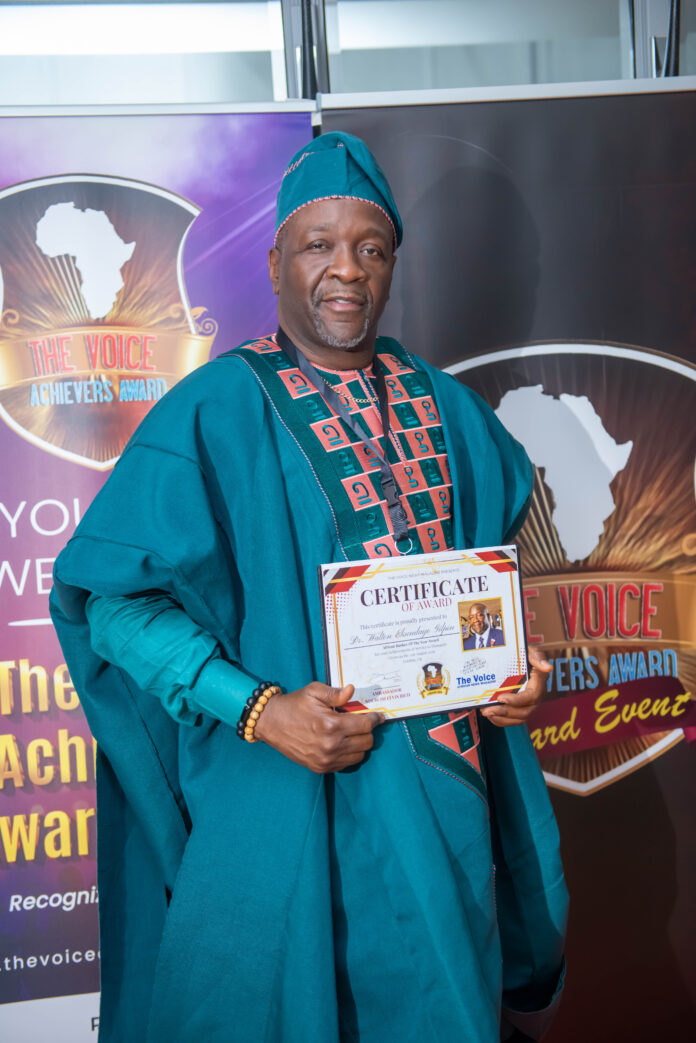
Managing Director of RC Bank, Dr Walton Ekundayo Gilpin

The 2024 financial statements of Rokel Commercial Bank, published by the Bank of Sierra Leone, point to a year of exceptional performance for the institution, achieved despite heightened competition and continued pressures within the financial markets.

A standout feature of the report is the bank’s dramatic strengthening of its capital base. Share capital rose sharply from Le91.4 billion (old Leones) to Le274.4 billion (old Leones), marking a 200 percent increase. That expansion was underpinned by robust profitability, with profit before tax reaching Le192.8 billion and profit after tax closing at Le143.9 billion (old Leones).

Key balance sheet indicators also reflected solid growth during the year. Loans and advances expanded by 33 percent, demonstrating increased credit support to customers and the wider economy. Customer deposits grew by 13 percent, increasing by Le3.3 billion from Le2.9 billion in 2023, a development widely seen as evidence of sustained customer trust. Shareholders’ equity recorded a corresponding 33 percent rise to Le951.5 billion, while total loans and advances stood at Le702.2 billion by year-end.

As preparations intensify for the bank’s Fifty-Second Annual General Meeting scheduled for Tuesday, 20 January, the results reinforce a pattern of steady progress that has defined Rokel Commercial Bank’s recent performance. Observers within the sector attribute this momentum to disciplined management and strategic leadership. Notably, when the Bank of Sierra Leone introduced a minimum capital requirement of Le274.455 billion for all commercial banks to be attained by the end of 2027, Rokel Commercial Bank became the first to satisfy the requirement in 2024.

Looking beyond national borders, the bank has also begun laying the groundwork for sub-regional expansion. In November 2025, a senior management delegation led by Managing Director, Dr Walton Ekundayo Gilpin, undertook an official visit to the Republic of Liberia to assess the feasibility of establishing a banking presence there.

The delegation reviewed market conditions, held consultations with senior Liberian authorities, including officials of the central bank and the Ministry of Finance and explored possible partnerships. The initiative forms part of the bank’s long-term strategy to extend its operations beyond Sierra Leone and to contribute to positioning the country as a competitive financial player within the ECOWAS sub-region. Industry analysts note that successful expansion into Liberia would not only enhance Rokel Commercial Bank’s asset base and earnings potential, but would also strengthen Sierra Leone’s standing within the regional financial system. Taken together, the 2024 results and the bank’s regional ambitions underline Rokel Commercial Bank’s growing resilience and its determination to evolve into a leading West African banking institution.

One Nation Reggae Festival Channels Proceeds into Creative Village, Contributes to NRA

By Ibrahim Sesay

The Ministry of Tourism and Cultural Affairs has provided a comprehensive update on the cultural and economic outcomes of the One Nation Reggae Festival, describing the event as a landmark initiative that has strengthened Sierra Leone’s creative sector, enhanced international cultural ties and generated tangible economic benefits for the country.

The update was delivered during a press conference held on Wednesday, January 7, 2026, at the Ministry’s headquarters on Kingharman Road in Freetown. Addressing journalists, development partners and stakeholders from the creative industry, Minister of Tourism and Cultural Affairs, Nabeela Farida Tunis, disclosed that proceeds from the festival have been earmarked for the establishment of a Creative Village, humanitarian relief efforts abroad and statutory contributions to national revenue.

According to the Minister, the One Nation Reggae Festival has proven that culture can be a powerful driver of economic growth, international cooperation and national branding when properly structured and supported. She noted that the festival has not only entertained audiences but has also created opportunities for local artists, technicians and creative entrepreneurs.

Conceptualized as a platform to fuse Sierra Leonean and Caribbean cultures, the One Nation Reggae Festival celebrates Sierra Leone’s historical role in global emancipation while promoting the country as a hub for cultural diplomacy and world-class entertainment. The six-day festival featured live music performances, cultural exchanges, workshops and community engagement activities, attracting international reggae artists and cultural enthusiasts, while significantly increasing Sierra Leone’s visibility on the global cultural stage.

Welcoming participants at the press conference, Permanent Secretary at the Ministry, Judith Jones, described the festival as a milestone in Sierra Leone’s cultural calendar. She said the event reflects Government’s deliberate effort to harness culture as a tool for national development, youth empowerment, and tourism growth.

Providing historical context, Festival Coordinator and Research Officer at the Monuments and Relics Commission (MRC), Francis Momoh, traced the origins and conceptual framework of the festival. He explained that the initiative was designed to go beyond annual celebrations and instead establish a sustainable cultural platform that would preserve heritage, promote cultural exchange and create long-term benefits for future generations.

Director of Culture, Creativity and Innovation, Foday Jalloh, recapped the six days of cultural fusion, highlighting the festival’s positive impact on local communities and its role in strengthening cultural and historical ties between Sierra Leone and the Caribbean. He noted that the professionalism, creativity and discipline demonstrated by artists and organizers have set a new benchmark for cultural festivals in the country.

Producer of the festival, Bhai Dhawa Sesay, said the objective was to deliver one of the best reggae festivals in Sierra Leone and the wider sub-region. He explained that a rigorous artist selection process was adopted, with a strong emphasis on live band performances rather than playback, a move that enhanced performance quality and audience experience.

Despite minor logistical challenges, Bhai Dhawa Sesay disclosed that the festival recorded a 99 percent success rate, demonstrating Sierra Leone’s readiness to host events of international standard. He further revealed plans to position Sierra Leone as the reggae capital of West Africa and Africa at large, leveraging the country’s historical links to the Caribbean and its rich musical heritage.

Bhai Dhawa Sesay also highlighted the creation of a unique “Troup Beat,” a distinctive sound developed by blending reggae rhythms with traditional Sierra Leonean instruments. According to him, the innovation represents an effort to create a recognizable national sound that can compete on the global music stage while preserving local identity.

Founder of Inkee Media, Ishmael Bull, underscored the importance of branding and visual identity in the festival’s success. He noted that the festival’s logo, which prominently features the Jamaican flag, has gained international recognition and significantly enhanced the festival’s global appeal and marketability.

In her keynote address, Minister Tunis expressed gratitude to development partners, private sector actors, creative professionals and community stakeholders who contributed to the success of the festival. She commended President Julius Maada Bio for providing the enabling environment to realize the festival’s vision, noting that the initiative aligns with his agenda of promoting creativity, innovation and sustainable cultural and economic transformation.

The Minister disclosed that proceeds from the festival included Le 230,130 contributed to the National Revenue Authority, Le 767,100 allocated towards the establishment of a Creative Village to nurture and incubate local talent, and USD 10,000 donated to support Hurricane Melissa relief efforts in Jamaica. She emphasized that those contributions are not merely financial figures but strategic investments in Sierra Leone’s creative economy, national development and international solidarity.

She further noted that Government’s financial contribution to the festival was partial, underscoring a deliberate policy direction to encourage private-sector leadership in tourism and creative industry development, with Government playing a facilitative and regulatory role.

The press conference concluded with an interactive question-and-answer session, during which journalists raised issues ranging from sustainability and funding to international partnerships and future editions of the festival. Ministry officials responded to the questions, reaffirming their commitment to transparency, accountability and the long-term sustainability of the One Nation Reggae Festival.

The Ministry of Tourism and Cultural Affairs described the One Nation Reggae Festival as a major step in positioning Sierra Leone as a centre for international cultural activities, creative excellence and cultural tourism, with the potential to generate jobs, attract investment and project a positive national image to the world.

Minister of Tourism and Cultural Affairs, Nabeela Farida Tunis
Permanent Secretary at the Ministry, Judith Jones
Bhai Dhawa Sesay

MRCG Report Raises Questions Over Safety, Access and Freedom in Sierra Leone’s Media Space

MRCG's 15th Press Freedom Report

By Amin Kef (Ranger)

The Media Reform Coordinating Group (MRCG) has released its 15th Press Freedom Report, providing a detailed assessment of the state of freedom of expression, press freedom, access to information, internet freedom and digital rights in Sierra Leone between June and November 2025.

The report, which forms part of MRCG’s long-running monitoring and advocacy work, documents eight key cases and issues affecting media practitioners, citizens and institutions during the review period. It also follows up on unresolved matters highlighted in the first to the fourteenth editions of the Press Freedom Report, offering continuity, context and accountability within the country’s democratic and governance framework.

According to MRCG, the publication aims to serve as both a record and an early warning system, highlighting emerging threats to fundamental freedoms while recognizing areas of progress and reform. The organisation notes that press freedom and digital rights remain central to democratic consolidation, particularly in a society increasingly shaped by digital communication and online civic engagement.

One of the core pillars of the report is freedom of expression and the press, with MRCG documenting incidents involving journalists, media houses and content creators. These include cases of alleged intimidation, restrictions on reporting and disputes between journalists and public authorities.

The report underscores that while Sierra Leone has made notable strides in improving its media landscape, especially since the repeal of criminal libel laws, practical challenges persist. Journalists continue to face pressure when covering sensitive topics such as governance, corruption, elections and public accountability. MRCG stresses that those challenges, if left unaddressed, could undermine public confidence in the media and restrict citizens’ access to balanced and independent information.

Another major focus of the 15th edition is the Right to Access Information, a constitutional and statutory guarantee that enables citizens and journalists to obtain information from public institutions.

MRCG’s findings indicate that although the legal framework for access to information exists, implementation remains inconsistent. Some public bodies reportedly continue to delay or deny information requests, often citing bureaucratic hurdles or confidentiality concerns without sufficient justification.

The report argues that effective access to information is essential for investigative journalism, civic participation and transparency in public administration. It calls for stronger institutional compliance, capacity building for information officers and greater public awareness of citizens’ rights under the law.

Reflecting the evolving nature of media and communication, the report places significant emphasis on internet freedom and digital rights. MRCG documents concerns related to online expression, data privacy, surveillance and the regulation of digital spaces.

With more Sierra Leoneans relying on social media and digital platforms for news, advocacy and political engagement, the organisation warns against measures that could lead to over-regulation or arbitrary restrictions on online content. The report highlights the need for a balanced approach that addresses legitimate concerns such as misinformation and cybercrime, while safeguarding freedom of expression and privacy.

MRCG also notes that digital rights are increasingly intertwined with traditional press freedom, as journalists and media houses depend heavily on digital tools to gather, produce and disseminate news.

A distinctive feature of the 15th Press Freedom Report is its follow-up on cases from earlier editions. MRCG reviews the status of unresolved matters, assessing whether recommendations were implemented and whether victims of violations received redress.

That longitudinal approach, the organisation says, is intended to promote accountability and prevent the normalization of rights violations. The report observes that while some cases have seen progress through dialogue or institutional intervention, others remain unresolved, highlighting gaps in enforcement and oversight.

In its broader analysis, MRCG situates press freedom and digital rights within the wider context of democratic governance and national development. The report argues that a free, independent and safe media environment is critical for credible elections, effective service delivery and informed public debate.

The organisation cautions that shrinking civic space, whether offline or online, could weaken democratic gains and erode trust between citizens and the state. It therefore urges policymakers, security institutions, regulators and media stakeholders to work collaboratively to uphold constitutional freedoms.

The report concludes with a set of recommendations aimed at strengthening press freedom and digital rights in Sierra Leone. Those include:

● Enhanced protection mechanisms for journalists and media practitioners.

● Improved compliance with access to information laws by public institutions.

● Transparent and rights-respecting regulation of the digital space.

● Continuous dialogue between the media, government and civil society.

● Capacity building for journalists on digital safety and ethical reporting.

MRCG emphasizes that safeguarding freedom of expression is a shared responsibility, requiring commitment from state institutions, the media, civil society organisations and citizens alike.

The full 15th Press Freedom Report is available to the public and can be accessed through MRCG’s official platforms. The organisation encourages journalists, policymakers, development partners and members of the public to read the report and engage with its findings as part of ongoing efforts to strengthen democracy and human rights in Sierra Leone.

As the country continues to navigate political, technological and social change, MRCG says sustained vigilance and advocacy will be essential to ensuring that press freedom and digital rights remain protected, respected and responsive to the needs of a modern democratic society.

Download and read full report here:
https://mrcgonline.org/report-on-press-fvreedom-information-internet-and-digital-rights-in-sierra-leone-november-2025/