
Home Blog Page 30

OFP Concludes 2026 PIE Inception Workshop, Signs NLe8,874,000 Contract Agreement with Eight Partner Organizations

One Family People (OFP) Concludes 2026 PIE Inception Workshop, Signs NLe8,874,000 Contract Agreement

By Foday Moriba Conteh

One Family People (OFP), with funding from the Liliane Foundation, on Tuesday, 10th February 2026, concluded its 2026 inception workshop for the Programme for Inclusion and Empowerment (PIE) project and signed contracts with eight partner organizations from five districts. The partners received a total of NLe8,874,000 equivalent to over eight billion old Leones to support nationwide implementation of the project. The event, held at the Saphyre Court Hall in Freetown, aligns with OFP’s 2025–2027 Multi-Annual Plan aimed at strengthening disability inclusion across education, healthcare, livelihoods and advocacy.

Samuel POV Macauley, OFP’s Operations and Programmes Director, said the annual inception workshop is an opportunity to review plans, strengthen collaboration and map strategies for effective implementation. He described the PIE project as a “community-based initiative with a strong foundation for development,” noting that it represents a shift from a charity-focused model to a rights-based approach.

“Previously, interventions largely provided direct aid, such as shoes and medical support but lacked system strengthening and community ownership. This new model combines support for the most vulnerable with capacity building for institutions and stronger advocacy,” Samuel POV Macauley explained.

Under the PIE project, OFP collaborates with the National Rehabilitation Programme, the Sierra Leone Autistic Society and five district-level implementing organizations: Polio Persons Development Association, Welfare Society for the Disabled, Disability Awareness Action Group (Western Rural) and Dorothy Springer Trust (Western Urban), among others. Samuel POV Macauley disclosed that in 2025, the network received funding of NLe5.57 million. The 2026 increase to NLe8.874 million reflects OFP’s commitment to expanding the project’s scope and overcoming challenges experienced during the pilot year.

He also emphasized the importance of collaboration with Government institutions, particularly the National Commission for Persons with Disabilities (NCPD), pledging OFP’s support in developing a national Community-Based Inclusion strategy and a technical committee to drive implementation of the Disability Act. “Stronger partnerships with Government and other stakeholders will enhance advocacy and evidence-based interventions,” he added.

Ishmael Kebbie, Deputy Director and Program Manager at the National Rehabilitation Programme, lauded PIE for promoting sustainable support for persons with disabilities. He stressed the need for continuity in development programs, warning that abrupt withdrawal of services can worsen vulnerabilities.

“When organizations discontinue initiatives abruptly, the burden returns to Government institutions, which already face competing priorities. Sustainability must be central to every project,” Ishmael Kebbie said. He praised PIE for adopting a long-term, rights-based approach aligned with national health priorities. Despite limited resources in 2025, the project enabled many persons with disabilities to access corrective surgeries and rehabilitation services, transforming lives and restoring dignity. Over 70 percent of beneficiaries who underwent reconstructive procedures are now more independent, with some engaging in productive livelihoods, contributing directly to national development and poverty reduction.

Laura Boothby, Therapy and Rehabilitation Program Manager at World Hope International, highlighted the importance of collaboration and sustainability in disability inclusion. As an occupational therapist working with the Enable the Children Programme, she described PIE as the beginning of a long-term movement to improve rehabilitation and inclusion. She encouraged organizations to join the Technical Working Group for Children with Disabilities under the NCPD, a platform promoting coordinated action among community-based groups, NGOs and international partners. Laura Boothby also invited stakeholders to World Hope International’s annual Beach Jogging event on February 14, which will bring together over 2,000 children, including many with disabilities, to promote inclusion and social interaction.

Brima Abdulai Sheriff, Chairman and Chief Commissioner of the NCPD, unveiled a renewed vision for inclusive development in Sierra Leone. He emphasized that the new Commission brings fresh leadership, energy and openness to collaboration. “We are ready to work with everyone to ensure the dignity, inclusion and empowerment of persons with disabilities,” he stated.

The Chairman highlighted the urgent need for accurate data on disability in Sierra Leone, noting that current estimates of 400,000 persons are grossly understated. He pledged that the Commission will work with partners like OFP to ensure reliable data collection and called for disability inclusion to be mainstreamed in national policies.

Empowerment, he said, must be tailored to individual realities, from children in school to adults using wheelchairs. He also underscored the challenges faced by women and girls with disabilities and called for stronger collaboration among Government Ministries, universities and development partners.

Joseph A. Kamara, President of the Sierra Leone Union on Disability Issues (SLUDI), called for increased investment in organizations of persons with disabilities to ensure sustainability. He commended OFP for financial and technical support but emphasized that such assistance should strengthen local organizations rather than replace them. “Organizations of persons with disabilities must exist beyond projects and funding cycles. We were not created because of money; we were created to address the real needs of our people,” he said. Joseph Kamara also encouraged stakeholders to support smaller and emerging disability groups and stressed that collective action is key to lasting impact.

Dr. Kabba F. Bangura, Leader of Cluster II and Executive Director of the Disability Awareness Action Group, pledged partner organizations’ full commitment to PIE objectives. He praised OFP’s financial and technical support and acknowledged the rigorous monitoring mechanisms, noting that although challenging, they enhanced accountability and performance.

The Leader of Cluster II emphasized community ownership, active participation of persons with disabilities and ensuring services reach local communities. “We are committed to working very hard to achieve the objectives of PIE and to ensure persons with disabilities become productive members of society,” he said.

Dr. Abdulai Dumbuya, CEO of Dorothy Springer Trust and Inclusive Education Advisor to PIE, urged implementing partners to fully utilize technical advisory support. He explained that the advisory team provides expertise in inclusive education, health, livelihoods, social inclusion, empowerment, monitoring, evaluation, accountability and learning.

He cautioned that early engagement with advisors prevents mistakes and improves the quality of program delivery, citing an example where consultation prevented duplication of school clubs. He emphasized proper documentation of advisory processes to ensure accountability and encouraged partners to maintain open communication.

John Conteh, Acting Director of Social and Religious Affairs at the Ministry of Social Welfare, reaffirmed the Government’s commitment to promoting the rights and wellbeing of persons with disabilities. He commended OFP for initiating PIE, describing it as a programme aligned with national inclusion, equity and social justice agendas.

The Acting Director of Social and Religious Affairs highlighted that PIE complements legal and international frameworks, including the Persons with Disabilities Act 2011 and the UN Convention on the Rights of Persons with Disabilities. He encouraged partners to prioritize community ownership, gender responsiveness and the active involvement of persons with disabilities throughout planning, implementation, monitoring and evaluation. He also described the signing of partnership agreements as a milestone demonstrating commitment to transparency, coordination and results-oriented programming.

The inception workshop concluded with the formal signing of contracts with partner organizations, marking the official commencement of the 2026 PIE project implementation phase. Stakeholders, including Government officials, partners and technical advisors, renewed their commitment to advancing disability inclusion and empowerment nationwide.

Mines Minister Signs Strategic Mining Agreement With International Resources Holding in Dubai

Mines Minister Signs Strategic Mining Agreement With International Resources Holding in Dubai

By Amin Kef (Ranger)

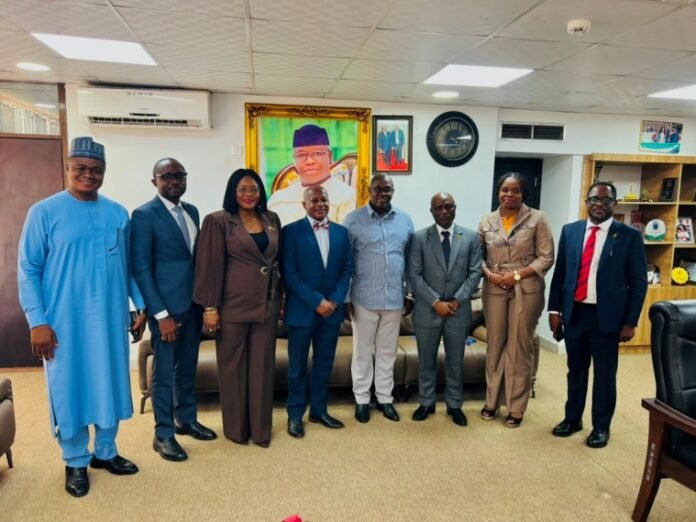
Sierra Leone has taken a significant step toward strengthening investment, transparency and responsible development in its mining sector, following the signing of a Memorandum of Understanding (MoU) between the Government of Sierra Leone and International Resources Holding RSC Ltd (IRH). The agreement was signed on February 4, 2026, in Dubai, United Arab Emirates, by the Minister of Mines and Mineral Resources, Julius D. Mattai, on the margins of the World Governments Summit.

Sierra Leone participated in a high-level summit alongside global leaders, policymakers and private-sector stakeholders under the theme: “Shaping Future Governments.” The MoU marks a strategic partnership aimed at exploring and fast-tracking responsible, investment-ready opportunities within Sierra Leone’s mineral sector, while reinforcing the country’s commitment to sustainable resource governance.

The agreement was signed during the World Governments Summit held from February 3 to 5, 2026, through the Ministry of Mines and Mineral Resources. Minister Julius Daniel Mattai was accompanied by Dr. John D. Cooper, Director of Policy and Research at the Ministry and Dr. Kelvin Anderson, Deputy Director-General of the National Minerals Agency. IRH was represented by its Group Chief Operating Officer, Ravi Sharma, while the engagement process was coordinated by Solomon Kasirye, IRH Manager for Business Development.

Government officials say the MoU underscores Sierra Leone’s determination to manage its mineral wealth in a transparent, sustainable and value-driven manner. The partnership is expected to create pathways for foreign direct investment, technology transfer and local capacity building, while aligning mining activities with international best practices in environmental protection, corporate responsibility and community engagement.

The framework allows the two parties to explore cooperation in mineral exploration, development and downstream value addition. It places strong emphasis on stakeholder engagement, including host communities and national institutions, to ensure that mining projects advance in a socially responsible and environmentally sound manner.

Speaking after the signing, Julius Daniel Mattai reaffirmed the Government’s resolve to ensure that Sierra Leone’s vast mineral resources translate into inclusive economic growth, job creation and long-term national development. He noted that the agreement aligns with the development priorities of President Julius Maada Bio’s Big Five Game Changers Agenda, particularly in driving economic transformation through responsible natural resource governance.

According to the Minister, positioning Sierra Leone as a credible and reliable destination for mining investment requires partnerships that prioritize sustainability, transparency and national benefit. He described the MoU as a foundation for long-term cooperation that balances investor confidence with the interests of local communities and environmental protection.

IRH is an Abu Dhabi-headquartered “mine-to-market” natural resources company operating across the full mining value chain, from upstream development through midstream processing to downstream distribution. The company focuses on safety, responsible mining and in-country value creation, with a strategic emphasis on energy-transition minerals such as gold, copper, cobalt, nickel, lithium, manganese, graphite and rare earth elements. Officials say this focus aligns with Sierra Leone’s ambition to move beyond export-only models toward investments that strengthen national capability and promote value addition.

The MoU establishes a non-binding and non-exclusive framework and does not grant mineral rights. Instead, it provides a structured pathway for responsible sharing of geoscientific data, evaluation of priority mineral opportunities and advancement of project pipelines. Where opportunities mature, the parties may negotiate suitable commercial frameworks, including joint ventures, subject to Sierra Leonean law and Government policy.

The agreement also reflects a modern approach to data governance and environmental, social and governance (ESG) delivery. IRH is expected to operate within Sierra Leone’s legal framework and internationally recognized ESG standards, provide periodic progress updates and share technical outputs that strengthen national geological databases and decision-making processes.

Implementation will focus on data-sharing protocols, opportunity prioritization and clear milestones, with a formal progress review expected within six months. The Mines Minister reiterated Sierra Leone’s commitment to transparent licensing, robust environmental and social safeguards and strong local content participation, welcoming IRH’s partnership as a step toward translating geology into sustainable, bankable projects that deliver shared national value.

AISL Renews Call for Criminalization of FGM at National Commemoration

Solomon Sogbandi, Section Director of Amnesty International Sierra Leone

By Alvin Lansana Kargbo

Amnesty International Sierra Leone commemorated the International Day of Zero Tolerance for Female Genital Mutilation (FGM) with a Press Conference on Friday, 6 February 2026 at the Sierra Leone Scout Hall, New England Ville in Freetown.

Held under the theme: “Zero Tolerance for FGM: Upholding the Dignity, Freedom and Rights of Women and Girls,” the event brought together Civil Society Organisations, the Human Rights Commission of Sierra Leone, advocacy groups, pupils, journalists and community representatives.

The commemoration highlighted the continued prevalence of FGM in Sierra Leone and renewed calls for urgent legislative action to criminalize the practice, particularly for girls under the age of 18. Amnesty International Sierra Leone, in their Press Statement, stated that the day served as a reminder of the urgent need to eradicate harmful practices that violate the bodily integrity, health and dignity of women and girls.

According to the organization, Female Genital Mutilation remains widespread despite sustained advocacy, with demographic data indicating that more than 80 percent of women aged 15 to 49 have undergone the practice. The organisation further warned that FGM perpetuates cycles of gender-based violence, inequality and long-term health complications, undermining national efforts to promote women’s empowerment and protect children’s rights.

Speaking at the event, Solomon Sogbandi, Section Director of Amnesty International Sierra Leone, said FGM causes serious physical, psychological and emotional harm and that children cannot consent to such irreversible practices. He noted that although traditional ‘Bondo Bush’ historically provided socialization and cultural education, the continuation of FGM within those structures has resulted in injuries and deaths.

He said Amnesty International has long engaged communities and religious leaders across the country, many of whom oppose FGM for minors and expressed concern that legal reforms have failed to explicitly protect girls under 18.

He referenced a recent ECOWAS Court ruling describing FGM as torture and urged the Government of Sierra Leone to act on the decision by enacting legislation criminalizing the practice for minors. He also stressed that ending FGM is critical to keeping girls in school and improving their educational outcomes.

A representative of the Human Rights Commission of Sierra Leone reaffirmed that FGM violates multiple fundamental rights, including the rights to dignity, health, education and freedom from cruel, inhuman or degrading treatment. She stated that the Commission has documented cases involving forced initiation and exclusion of girls from school and expressed disappointment that the Child Rights Act 2025 was enacted without explicitly prohibiting FGM for children.

She called for urgent legislative amendments, stronger protection mechanisms for girls at risk and sustained public education, noting that culture should not be used to justify harm.

Speaking at the event also, Brima Conteh, Chief Executive Officer of the Advocacy Movement Network, described FGM as a severe form of gender-based violence that causes lifelong physical and psychological harm and provides no health benefits. He cited Sierra Leone’s high prevalence rate and criticized the removal of anti-FGM provisions from child protection laws.

He called for sustained political commitment, adequate investment and nationwide action to eliminate FGM, urging Government, civil society, development partners and the media to play active roles in ending the practice.

Representing the Children’s Forum Network, the Presidential Spokesperson, Blessing K. J. Kutubu said the continued tolerance of FGM reflects a failure to fully protect children’s rights. She argued that traditions that harm children should not be preserved and called for accountability from political leaders. Blessing Kutubu urged parents and communities to prioritize the safety and education of girls and encouraged children and young people to be part of efforts to end FGM, stressing that meaningful change requires immediate action rather than repeated commitments.

Amnesty International Sierra Leone concluded the commemoration by reaffirming its commitment to advocacy, community engagement and collaboration with stakeholders to end Female Genital Mutilation. The organisation called on the Government to criminalize FGM for all persons under 18 and to ensure that girls can grow up safe, protected and able to complete their education without harmful interruptions.

Orange Concludes 2026 Annual Media Engagement, Pledges Stronger Collaboration

Orange Concludes 2026 Annual Media Engagement

By Foday Moriba Conteh

Orange Sierra Leone on 6th February 2026 hosted its Annual Media Engagement at the Orange Digital Center on Hill Station in Freetown, bringing together over 100 journalists, editors, regulators and key stakeholders to review the company’s 2025 performance and outline priorities for the year ahead. Held under the theme: “Connecting with the Media, Sharing Our Story,” the engagement reaffirmed Orange Sierra Leone’s commitment to transparency, collaboration and open dialogue with the media, while highlighting achievements in network expansion, digital inclusion and social impact.

President of the Sierra Leone Association of Journalists (SLAJ), Alhaji Manika Kamara, described Orange Sierra Leone as one of the most consistent corporate partners of the media in the country. He emphasized that the relationship between SLAJ and Orange is rooted in mutual respect and shared democratic values.

“This has not been a relationship of convenience but one built on trust, shared values and recognition of the media’s role in democracy and development,” he said.

Alhaji Manika Kamara highlighted Orange’s continued support to SLAJ, including assistance for annual general meetings, governance processes, welfare initiatives and capacity building across the country. He noted that Orange remains one of the few corporate institutions that consistently invests in journalists’ wellbeing.

He also particularly commended the company for providing scholarships for journalists pursuing undergraduate, Master’s, and Doctoral studies, describing the initiative as long-term investments in professionalism and media excellence.

“These are not short-term gestures. They are strategic interventions that strengthen knowledge, ethics and opportunity within the media sector,” he stated, expressing hope that the company’s new leadership would sustain such initiatives.

Alhaji Manika Kamara also praised Orange for supporting national journalism awards, which he described as platforms for promoting ethical and professional reporting.

While expressing appreciation, the SLAJ President reminded journalists of their responsibilities in a challenging information environment, urging them to uphold accuracy, balance and verification.

“Partnerships come with expectations. Ethical journalism and fact-checking must remain at the core of our work,” he cautioned.

He further emphasized journalist safety, innovation and the empowerment of young and female reporters as key priorities for SLAJ, reaffirming the Association’s commitment to constructive engagement with corporate partners.

Executive Secretary of the Independent Media Commission (IMC), Khalil Kallon, commended Orange Sierra Leone for fostering collaboration between regulators, service providers, Government and the media.

“The theme of this engagement is timely. Trust, accessibility and cooperation are essential in today’s fast-changing digital environment,” he said.

Khalil Kallon noted that telecommunications companies play a critical role in national development beyond connectivity, shaping how citizens access information, do business and engage in public discourse.

He praised Orange’s longstanding support to media training and information sharing but appealed for stronger assistance to community radio stations, especially in rural areas.

“These stations remain the primary source of information for thousands of citizens yet they struggle with power supply, equipment shortages and limited training,” he said.

He urged corporate institutions to view media support not merely as corporate social responsibility but as an investment in a healthy information ecosystem. He also reminded journalists to report responsibly, stressing that ethical reporting builds public trust and constructive engagement.

Chief Executive Officer of Orange Sierra Leone, Madam Aicha Toure, underscored the critical role of the media in shaping national dialogue, accountability and democracy.

“Your work matters and we respect the responsibility you carry every day,” she told journalists.

She acknowledged the achievements of her predecessor and outlined three key priorities guiding her leadership: network experience and reliability, digital inclusion and trust with responsibility.

Madam Aicha Toure emphasized continued investment in infrastructure to improve coverage, service quality and resilience.

“For customers, reliability is not a slogan. It is about calls connecting, data working and consistent service,” she said.

She highlighted Orange’s investments in fibre expansion, data centres and international connectivity, noting that digital infrastructure must translate into real opportunities in education, entrepreneurship, financial inclusion and public services.

The CEO reaffirmed Orange’s commitment to ethics, transparency, cybersecurity and data protection, describing trust as central to customer relationships. She also pledged to expand social impact initiatives in education, digital skills, environmental sustainability and community development.

“As a new CEO, listening to customers and the media is one of my key priorities. Your questions help us make better decisions,” she added.

In his keynote address, Minister of Information and Civic Education, Chernor Bah, highlighted the media’s role in promoting unity, accountability and responsible storytelling, urging journalists to balance challenges with national progress.

He commended Orange Sierra Leone for expanding digital connectivity, noting its impact even in remote communities.

“I have visited some of the farthest villages and found strong network connectivity. People can now communicate, send money and do business. That is real progress,” he said.

The Minister disclosed that Sierra Leone now enjoys nearly 100 percent 3G coverage and over 90 percent 4G coverage, describing the achievements as evidence of digital transformation.

He cautioned against sensationalism, stressing the importance of fact-checking and professionalism, particularly as the country approaches the 2027 elections.

“The media can build trust and cohesion but it can also undermine confidence if stories are exaggerated,” he warned.

Minister Chernor Bah noted that while radio remains the most trusted source of news, newspapers continue to shape the national agenda, even as stories circulate widely on social media. He called for constructive engagement with bloggers and digital content creators, acknowledging their growing influence.

He described the relationship between Government, the private sector and the media as symbiotic, stressing that development depends on cooperation and shared commitment to truth.

The engagement concluded with presentations on Orange Sierra Leone’s corporate performance and social impact, followed by interactive discussions with journalists and stakeholders.

Chief Executive Officer of Orange Sierra Leone, Madam Aicha Toure

Desert Flower Foundation Engages No. 2 Community in Renewed Campaign Against FGM 

By Ibrahim Sesay 

The Desert Flower Foundation Sierra Leone has, on Friday February 6, engaged residents of No. 2 Community during a symposium held at St. Mary’s Interim Care Centre to commemorate the International Day of Zero Tolerance for Female Genital Mutilation (FGM), calling for collective action to end the practice.

Held under the theme: “Her Voice Matters in the Global Movement to End Female Genital Mutilation,” the event brought together community leaders, women’s rights advocates, youth activists and beneficiaries to connect, learn and share ideas on advancing the fight against FGM in Sierra Leone.

Speaking at the programme, the President of Desert Flower Foundation Sierra Leone and Africa, Rev. Fr. Peter Alpha Leo Konteh, described FGM as a serious violation of the rights and dignity of women and girls, stressing that the practice has no cultural or religious justification.

“FGM is not culture. It is not religion. It is violence against women and girls,” Rev. Fr. Peter Alpha Leo Konteh said, noting that many girls across Africa, including Sierra Leone, continue to suffer lifelong physical, psychological and emotional harm as a result of the practice.

He reaffirmed the Foundation’s commitment to ending FGM through education, community engagement, survivor support and advocacy, while partnering with traditional leaders, faith communities, Government institutions and international allies.

Rev. Fr. Peter Alpha Leo Konteh further warned that the global target to eliminate FGM by 2030 would not be achieved without “sustained commitment, adequate investment and courageous leadership at all levels.”

Also speaking at the event, Samuel Byrne of Inspiration Life Line clarified that the campaign against FGM is not an attack on the Bondo Society as a whole, but specifically against the cutting of the female genital.

He explained that while the Bondo Society once served as a training institution for young girls, its original purpose no longer applies in present-day society. Samuel Byrne recounted a case of a two-year-old girl allegedly initiated into the society in Makeni, describing it as evidence that the practice has deviated from its original intent.

Samuel Byrne further alleged that in some parts of the country, certain politicians have been complicit in perpetuating FGM by financially supporting initiation ceremonies for political gains. He urged parents and communities to take responsibility for protecting young girls from practices that cause physical and psychological harm.

A survivor of FGM and founder of Nyama’s Diary Initiative, Nyamakoro Marah, shared a personal account of her experience, pointing out both the medical and emotional consequences of the practice.

Nyamakoro Marah explained that beyond sexual function, the clitoris plays an important role during childbirth and its removal can lead to serious complications, particularly for women with narrow birth passages.

“Till this day, I relive some of the horrors I was subjected to during initiation,” she said, while she questioned whether parental protection should mean exposing girls to harm in the name of tradition.

She recalled how she and her sister were deceitfully led into the Bondo bush and forcefully initiated despite her opposition, an experience that she said left her “emotionally withdrawn and depressed” for a long period.

Nyamakoro Marah also raised concerns about reported cases of girls bleeding to death following FGM and questioned whether culture could be preserved without subjecting young girls to torture.

“I believe culture can be taught without torture and guidance can be given without force,” she said. She called on parents to reflect on the kind of future they want for their children.

One of the beneficiaries at the programme, Marion Challey, expressed appreciation to the Desert Flower Foundation for creating a safe space for survivors and vulnerable girls, adding that she intends to share the knowledge acquired at the symposium to other girls who were not present.

The symposium featured an interactive question-and-answer session and ended with the symbolic distribution of dignity kits to beneficiaries, underscoring the Foundation’s commitment to promoting dignity, protection and the well-being of girls.

President Bio Secures Major Economic Wins at World Governments Summit 2026

President Julius Maada Bio shaking hands with Sheikh Mohamed bin Zayed Al Nahyan at the World Governments Summit in Dubai

Sierra Leone has reinforced its growing presence on the global diplomatic stage following a high-level engagement between President Julius Maada Bio and Sheikh Mohamed bin Zayed Al Nahyan, held on Monday 2 February 2026 in Abu Dhabi. The meeting took place on the margins of the World Governments Summit 2026 and focused on advancing strong bilateral relations between the United Arab Emirates and the Republic of Sierra Leone.

At the centre of the engagement was the signing of a Comprehensive Economic Partnership Agreement (CEPA), witnessed by both leaders. The agreement is regarded as a major milestone in UAE–Sierra Leone relations, opening new pathways for trade, investment and private-sector collaboration. It is expected to significantly enhance economic cooperation while positioning Sierra Leone as an increasingly attractive destination for international investors.

According to a joint statement issued after the meeting, both presidents welcomed the constructive high-level engagement between their countries and highlighted the World Governments Summit as a vital global platform for dialogue on governance, development and international cooperation. They emphasized the importance of expanding economic ties across priority sectors, including artificial intelligence, energy, agriculture, infrastructure, logistics and healthcare. Discussions also explored prospects for strengthened defence and military cooperation as part of a broader strategic partnership.

President Bio welcomed the UAE’s launch of the USD 1 billion “AI for Development” initiative, announced at the G20 Leaders’ Summit in Johannesburg in November 2025, describing it as a timely intervention capable of supporting Africa’s development priorities through innovation and digital transformation. Both leaders affirmed the initiative’s potential to accelerate inclusive growth and technological advancement across the continent.

Beyond economic diplomacy, Sierra Leone’s leadership in health governance was also highlighted during President Bio’s engagements in Dubai. In discussions with Gavi, the Vaccine Alliance, the Sierra Leonean leader was commended for his role in mobilizing political will during Gavi’s replenishment process, which secured a historic US$10 billion. Sierra Leone’s progress in achieving over 90 percent routine immunization coverage, expanding vaccine access and responding effectively to recent health crises was cited as evidence of governance driven by strong political commitment.

Looking ahead, President Bio announced a “300 Days of Activism” initiative focused on maternal, newborn and child survival, reaffirming health as a presidential priority and a cornerstone of national development.

The two leaders also exchanged views on key regional and global issues, reaffirming their shared commitment to the principles of international law and the peaceful resolution of conflicts. The UAE praised Sierra Leone’s constructive role within regional and international forums, including the Economic Community of West African States and underscored the importance of multilateral cooperation in addressing common challenges.

On Sudan, both presidents condemned atrocities against civilians by the warring parties and stressed that the primary responsibility for ending the conflict rests with those parties. They called for an immediate and unconditional humanitarian truce, unhindered humanitarian access throughout the country and the establishment of a permanent ceasefire. The leaders further emphasized the need for accountability for violations of international humanitarian law and the formation of a civilian-led Government independent of the warring factions.

Climate action, water security and the global energy transition also featured prominently in the discussions. Sierra Leone aligned itself with the 2026 African Union theme on sustainable water availability and sanitation, expressing appreciation for the UAE’s continued engagement with Africa on sustainable development initiatives. Both sides welcomed the 2026 United Nations Water Conference, co-hosted by the UAE and Senegal, as an opportunity to accelerate progress toward Sustainable Development Goal 6.

The meeting concluded with both Governments pledging to maintain close coordination and deepen cooperation, expressing confidence that the evolving partnership will elevate UAE–Sierra Leone relations to new levels of strategic and economic collaboration.

Public Affairs Minister Woos Oracle Support for E-Governance and Public Sector Reform in Dubai

Sierra Leone’s Minister of Public Administration and Political Affairs, Amara Kallon, has held high-level discussions with global technology firm Oracle on the margins of the World Governments Summit in Dubai, as part of efforts to modernize and strengthen public service delivery in the country.

The meeting, which took place on Wednesday, February 4, 2026, brought the Minister together with Simon de Montfort Walker, Executive Vice President of Oracle Industry Applications. Discussions centred on leveraging digital innovation and e-governance solutions to reform Sierra Leone’s public sector architecture and improve efficiency, accountability and professionalism.

Minister Amara Kallon told his interlocutors that Sierra Leone’s current national development drive is anchored on the Government’s “Big 5” priorities, with public service reform recognized as a critical pillar. He recalled the findings of the Truth and Reconciliation Commission, which identified the failure of effective service delivery as one of the root causes of the country’s civil war. Against such a backdrop, he noted that President Julius Maada Bio has prioritized the transformation of the public sector to better meet citizens’ needs.

According to the Minister, his Ministry has developed a comprehensive Public Service Transformative Roadmap Strategy aimed at aligning Ministries, Departments and Agencies with national priorities. The strategy focuses on key areas including human resource management and manpower planning, coordination and performance management, monitoring and evaluation, pay and incentives, e-governance, gender and social inclusion and enhanced communication and citizen engagement.

“There is a very strong political will in Sierra Leone to strengthen our public sector architecture,” Minister Amara Kallon said. “We want to use digital systems to develop our public service and to improve attendance as a basis for appraisal. Government is also working to transform our universities digitally, allowing for increased enrolment and broader access to higher education within safe spaces. There are significant opportunities for investment and we are willing to work with credible partners.”

Oracle Industry Applications works with Governments around the world to deliver secure, AI-powered digital services designed to safeguard national data sovereignty while accelerating innovation across the public sector. Responding to the Minister’s presentation, Simon de Montfort Walker thanked him for the engagement and expressed Oracle’s interest in supporting Sierra Leone’s efforts to deploy modern digital solutions that enhance service delivery and improve outcomes for citizens.

The engagement signals Sierra Leone’s growing push to harness global expertise and technology partnerships in pursuit of an efficient, responsive and citizen-centred public service.

SLPP Raises Alarm Over Hate Speech, Calls for Accountability After APC Meeting

Jimmy Batilo Songa, National Chairman of the Sierra Leone People’s Party

By Ibrahim Sesay

The Sierra Leone People’s Party (SLPP) has strongly condemned what it described as hate speech and inflammatory rhetoric directed at His Excellency President Julius Maada Bio, while expressing full support for an ongoing criminal investigation by the Sierra Leone Police into incidents that occurred at a recent opposition gathering.

In a Press Statement issued on Thursday February 5, 2026, the ruling party said the remarks were made during an All People’s Congress (APC) meeting held on January 31, 2026, at the Attouga Mini Stadium, where senior opposition figures and supporters allegedly made statements intended to vilify, humiliate and incite hatred against the President of the Republic and Leader of the SLPP .

The SLPP described the rhetoric as deeply regrettable and warned that such conduct undermines democratic values, fuels political polarization and risks inciting violence. While reaffirming its commitment to freedom of expression, the party stressed that this right is not absolute and does not extend to speech that attacks, insults, degrades or encourages violence against constitutional authorities.

“The conduct of APC representatives on January 31 transcended acceptable democratic boundaries,” the statement said, noting that political criticism must remain constructive and lawful rather than inflammatory and divisive .

The SLPP further rejected a Press Release issued by the APC National Secretariat on February 4, 2026, which sought to justify the statements made at the meeting. According to the ruling party, the opposition failed to lawfully challenge the outcome of the June 24, 2023 presidential election within the constitutionally mandated seven-day period, rendering its claims legally baseless.

“These allegations cannot withstand scrutiny before the Supreme Court,” the statement asserted, adding that continued attempts to promote unsubstantiated narratives or propose unauthorized political actions amounted to deliberate efforts to sow instability.

Despite the political tensions, the SLPP highlighted President Julius Maada Bio’s leadership in initiating dialogue with the opposition, which has led to the ongoing implementation of recommendations from the Tripartite Committee involving the Government, the APC and international partners.

The party also acknowledged the important role of the opposition in a democratic society but emphasized that political engagement must be guided by the rule of law, responsible conduct and a commitment to national cohesion.

In that regard, the SLPP said it fully supports the Sierra Leone Police in continuing their criminal investigation into the conduct and expressions displayed at the January 31 APC meeting, describing the probe as necessary to ensure accountability and prevent political violence.

The party further called on all stakeholders, including moral guarantors, to collectively condemn hate speech, incitement to violence and obscenity in public discourse. It also commended the Political Parties Regulation Commission (PPRC) for its swift action regarding alleged contraventions of the Political Parties Act 2022 by the APC.

The statement concluded with a reaffirmation of the SLPP’s commitment to peaceful, lawful and democratic governance in the interest of national unity and prosperity.

The press statement was signed by Jimmy Batilo Songa, National Chairman of the Sierra Leone People’s Party.

Anti-Corruption Commission Drags Former SLEWRC DG, Procurement Officers to Court

By Amin Kef (Ranger)

The Anti-Corruption Commission (ACC) has filed indictments against Emmanuel Mannah, former Director General of the Sierra Leone Electricity and Water Regulatory Commission (SLEWRC), along with Isatu Mariama Bah and Richard Anthony Success Lahai Goba, over alleged corruption offences linked to procurement activities under donor-funded projects.

According to a Press Release issued by the Commission on 6 February 2026, the indictments follow investigations into two World Bank–sponsored projects implemented in 2024 by the Project Implementation Unit (PIU) of the Electricity Distribution and Supply Authority (EDSA). The projects include the review of the Sierra Leone Electricity and Water Regulatory Commission Act of 2011 and a nationwide sensitization campaign on the use of electricity.

The ACC disclosed that Emmanuel Mannah is charged with six counts under the Anti-Corruption Act No. 12 of 2008, as amended in 2019. The charges include one count of using his position for advantage, one count of failure to disclose interest in a company, three counts of failure to give information to the Anti-Corruption Commission when required and one count of conspiracy to commit a corruption offence.

Isatu Mariama Bah, a Procurement Officer at SLEWRC and Richard Anthony Success Lahai Goba, a Procurement Officer attached to the PIU at EDSA, are jointly charged with four counts. These include two counts of failure to comply with applicable procurement procedures and guidelines and two counts of conspiracy to commit a corruption offence, contrary to the same legislation.

Investigations conducted by the ACC revealed that the two projects were awarded in violation of the applicable procurement laws and regulations. The Commission stated that the contracts exceeded the financial threshold allowed under the Request for Quotation (RFQ) procurement method as provided for in the Public Procurement Regulations of 2016.

The contract for the review of the SLEWRC Act was valued at Le1,182,288.08, while the nationwide sensitization campaign contract was valued at Le1,300,000. Both amounts, according to the ACC, were significantly above the RFQ ceiling, rendering the procurement process non-compliant with established procedures.

Further findings by the Commission indicated that Emmanuel Mannah, while serving as Director General of SLEWRC, allegedly used his position and insider knowledge of available project funding to influence the procurement process. The ACC alleged that he strategically positioned FAME Consultancy Services, a company in which he reportedly held an interest, to benefit from the contracts.

The Commission emphasized that the alleged actions undermined procurement integrity and transparency, particularly within donor-funded projects, where strict adherence to procurement rules is required to safeguard public and development partner resources.

The ACC noted that the indictments form part of its broader mandate to prevent, investigate and prosecute corruption-related offences in both public and private sector institutions. It reiterated its commitment to holding public officials accountable and ensuring that public procurement processes are conducted in accordance with the law.

The matter is expected to proceed through the judicial process, where the accused persons will have the opportunity to respond to the charges in court.

The Commission encouraged members of the public to continue supporting the fight against corruption by reporting suspected cases, reaffirming its slogan that fighting corruption remains a national concern.

Kabala High Court Records 10 Convictions, Withdraws Key Cases in Week-Long Special Criminal Session

Justice Abu Bakarr Sannoh

By Amin Kef (Ranger)

The High Court sitting in Kabala has concluded a Special Criminal Session presided over by Justice Abu Bakarr Sannoh, marking a significant judicial exercise aimed at addressing a growing backlog of criminal matters and curbing rising crime trends in the northern districts. The special session was held between Monday 26 January and Saturday 31 January 2026 in Kabala, Koinadugu District.

The session handled a total of 41 matters, comprising 37 fresh cases and four old cases carried over from previous sittings. At the close of proceedings, the court recorded 10 convictions, seven files withdrawn for judgment, four murder cases referred to the next criminal session and two manslaughter cases similarly deferred. The majority of cases heard during the session involved offences of burglary and larceny, house breaking and larceny, shop breaking and office breaking and larceny, reflecting what the court described as an alarming rise in property-related crimes in both Koinadugu and neighbouring Falaba Districts.

The State was represented throughout the session by Augustine Y.S. Mansaray Esq. and A.R. Fofanah Esq., while all defendants were represented by A.T. Jalloh Esq. from the Legal Aid Board, ensuring legal representation for accused persons who could not afford private counsel.

Among the notable convictions was that of Morlai Turay, a 28-year-old man arrested on 29 September 2025 and charged under Criminal Summons No. 142/2025 with burglary and larceny contrary to sections 25 and 13 of the Larceny Act 1916, as well as malicious damage contrary to section 51 of the Malicious Damage Act 1861. Morlai Turay pleaded guilty to the charges and was sentenced to 10 years’ imprisonment on the burglary count and five years on the malicious damage count, to be served concurrently. His co-accused, Mohamed Kamara, arrested on the same date and charged with receiving stolen goods contrary to section 33 of the Larceny Act 1916, also pleaded guilty. Evidence before the court revealed that he was induced by Morlai Turay to purchase a Samsung A05 mobile phone under the false claim that it belonged to Morlai Turay’s wife. Mohamed Kamara was convicted and sentenced to six months’ imprisonment, effective from the date of his arrest.

In another case, Ibrahim Bundu was arrested on 23 July 2024 at Thunder Hill Market in Kabala and charged with shop breaking and larceny contrary to section 26(1) of the Larceny Act 1916, involving items stolen from a charging shop along Teacher Street. He pleaded guilty and was sentenced to five years’ imprisonment, effective from the date of his arrest.

Tibu Jalloh also pleaded guilty to a charge of store breaking and larceny involving items belonging to Pavi-Fort Construction Company in Kabala. In mitigation, defence counsel referred the court to the case of Aron Salia v. The State. State counsel, however, urged the court to take judicial notice of the widespread increase in larceny cases across Koinadugu and Falaba Districts. Tibu Jalloh was subsequently convicted and sentenced accordingly.

Several other defendants, including Mohamed Kamara, Abu Bakarr and Osman Jalloh, were convicted for offences ranging from receiving stolen goods to burglary, house breaking and malicious damage, with sentences ranging between two and five years’ imprisonment, most of which took effect from the dates of arrest.

The court also heard the case of Mustapha George, also known as “Clean Salone,” a 24-year-old arrested on 2 September 2025 at Thunder Hill Market and charged with store breaking and larceny. In sentencing him to two years’ imprisonment, Justice Abu Bakarr Sannoh considered mitigation submissions that the defendant did not benefit from the stolen items, which were perishable goods recovered and returned to the complainant.

Another conviction involved Mohamed Larmin Denkeh, aged 25, arrested at Jadia Town on 16 August 2025 and charged with house breaking, larceny and malicious damage. He pleaded guilty and was sentenced to three years’ imprisonment.

In a separate matter, Mohamed Alie Shaw, a 33-year-old okada rider and Sidikie Kamara, a 29-year-old power saw operator, pleaded guilty to conspiracy to commit a crime and killing an animal with intent to steal, contrary to Section 4 of the Larceny Act 1916. The offences occurred on 26 December 2024 at Njaia Ranch in Dogolia Town, Falaba District. Taking into account the time already spent in detention, the court sentenced both men to one year imprisonment on each count, to run concurrently from the date of arrest.

The session also saw several discharges. Bailor Shaw, a former police officer charged with robbery with aggravation, was discharged after the complainant declined to pursue the matter. Kadiatu Sankoh, who had been standing trial for murder across three special criminal sessions, was discharged due to the prosecution’s difficulty in securing witnesses from a remote village and in consideration of her physical and health condition. Justice Abu Bakarr Sannoh emphasized that such a discharge was not a bar to future prosecution.

Similarly, Osman Keita Jalloh, along with Mohamed Samura, Brima Jawara, and Lansana Jabbie, who were charged with house breaking, conspiracy and office breaking and larceny, were all discharged. The judge warned that their discharge did not absolve them permanently and that they remained under observation.

At the close of the session, Justice Abu Bakarr Sannoh withdrew all drug-related cases charged under section 8(a) of the National Drug Control Act No. 10 of 2008 for judgment to be delivered at a later date. Two additional cases involving aggravated sexual assault and sexual penetration of minors were also withdrawn for judgment. In his concluding remarks, the judge echoed submissions by state counsel regarding the sharp increase in theft-related offences in Koinadugu and Falaba Districts, noting that other serious matters, including murder, manslaughter and sexual offences, would be addressed in the next special criminal session of the High Court of Sierra Leone sitting in Kabala.