
Home Blog Page 29

ECOWAS Court, Sierra Leone Open Talks to Strengthen Enforcement of Regional Judgments

By Alvin Lansana Kargbo

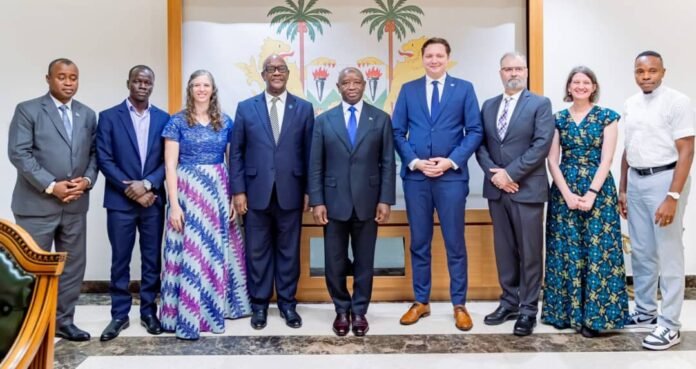
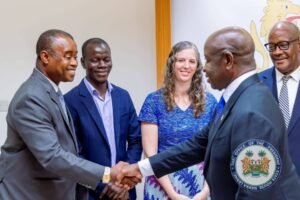
The Community Court of Justice of the Economic Community of West African States (ECOWAS) and the Government of Sierra Leone on Tuesday 10th February 2026 opened a bilateral meeting on the status of enforcement of judgments of the ECOWAS Community Court of Justice at the Mamba Point Hotel, Lagoonda, Aberdeen, in Freetown, as part of activities marking the 50th anniversary of ECOWAS.

The meeting is aimed at strengthening the enforcement of judgments of the ECOWAS Court and reinforcing the rule of law within the regional legal framework. Its objectives include enhancing Member State compliance with binding Court judgments, harmonizing enforcement procedures across national jurisdictions, building the technical and institutional capacity of national authorities responsible for implementation, identifying and addressing legal, administrative, political and institutional challenges that hinder effective enforcement.

It also seeks to establish a collaborative framework between the Court, competent national authorities and relevant stakeholders, promote the sharing of best practices, develop policy recommendations and propose practical mechanisms to improve enforcement outcomes and consistency across Member States.

In the welcome address, the Chief Registrar of the ECOWAS Court of Justice, Dr. Yaouza Ouro-Sama, said the meeting reflects a shared recognition that justice does not end with the delivery of a judgment but is only realized when judgments are effectively enforced and their outcomes made tangible for beneficiaries and the Community. He described the ECOWAS Court as a central pillar of the Community’s legal and institutional architecture and a key instrument for protecting human rights and strengthening the rule of law across the region.

Dr. Yaouza Ouro-Sama said the authority and credibility of any court depend not only on the quality of its decisions but on the degree of compliance with those decisions. He stressed that enforcement of judgments is a legal obligation arising from the ECOWAS Revised Treaty and a political and moral commitment undertaken by Member States. He noted that non enforcement and delayed enforcement remain significant challenges that undermine citizens’ confidence in Community justice, weaken the coherence of the ECOWAS legal order and affect the effectiveness of regional integration.

He highlighted Article 24 of the Supplementary Act relating to the Community Court of Justice, which establishes the binding and final nature of the Court’s judgments and obliges Member States to enforce them in accordance with their national procedures without additional validation. He said compliance with this provision affirms the supremacy and effectiveness of Community law and failure to enforce judgments undermines the rule of law at the regional level. Dr. Yaouza Ouro-Sama added that the meeting aims to diagnose challenges and identify concrete and legally sound solutions, including clearer procedures, improved reporting mechanisms and stronger institutional synergies, while fostering cooperation and mutual respect among Member States.

In his address, the President of the Community Court of Justice, Honourable Justice Ricardo C. M. Gonçalves, said the bilateral engagement provides a platform for dialogue between the Court and national authorities, including the Attorney General, the Ministry of Justice, the Judiciary and other institutions, to assess the status of enforcement of Court judgments and strengthen collaboration. He said the meeting also aims to identify challenges hindering effective implementation and propose practical solutions to enhance compliance.

Justice Ricardo C. M. Gonçalves disclosed that since the establishment of the Court, 18 judgments have been delivered in cases involving Sierra Leone, with only one enforced, six dismissed, and 11 remaining unenforced. He said the existence of a significant number of unenforced judgments underscores the urgent need for sustained engagement and cooperation to fulfil the Court’s legal mandates. Justice Ricardo C. M. Gonçalves described enforcement as the cornerstone of justice, the rule of law and regional integration, noting that compliance demonstrates political will and institutional capacity and reinforces the credibility of the Court as a guardian of justice and human rights.

The President of the Community Court of Justice explained that the enforcement process involves communication of judgments to national authorities, coordination with national courts and administrative agencies, and the allocation of resources for implementation, particularly in cases involving compensation or restitution. He identified limited institutional coordination, absence of clear implementation timelines, administrative bottlenecks and political sensitivities as factors contributing to delays in enforcement. According to him the meeting seeks to develop a framework for regular communication between the Court and national authorities, clarify responsibilities, establish timelines for enforcement and consider the role of Civil Society Organisations in monitoring compliance and promoting public awareness of Court decisions.

Delivering the keynote address, the Attorney General and Minister of Justice of Sierra Leone, Alpha Sesay, described the meeting as a critical act of commitment to regional integration, justice and the rule of law. He said the ECOWAS Court has become a vital forum for the peaceful resolution of disputes and for ensuring that Community law is effective, particularly following the expansion of its jurisdiction to include human rights protection.

The Attorney General said judgments of the ECOWAS Court are final and binding on Member States and their enforcement is a legal obligation flowing from the ECOWAS Treaty and Supplementary Protocols. He noted that Court decisions involving Sierra Leone have contributed to redress for individual applicants and the development of regional human rights standards guiding national institutions across West Africa. Alpha Sesay acknowledged that enforcement remains uneven across the region due to domestic legal and procedural constraints, budgetary limitations, insufficient coordination among national institutions and limited awareness of Community law obligations.

He said Sierra Leone recognizes the importance of complying with international and regional obligations and is strengthening internal coordination among the Office of the Attorney General, the Ministry of Finance, sector Ministries and other stakeholders to ensure judgments are processed, budgeted for and implemented in a timely and transparent manner. The Minister emphasized that enforcement is not solely a legal act but an administrative, financial and political process requiring deliberate institutional alignment. He proposed the establishment of national enforcement frameworks and focal points, enhanced engagement between the Court and Member States, fiscal planning for monetary awards, sustained political commitment and stronger monitoring and technical support by ECOWAS institutions.

The opening day concluded with the formal commencement of technical deliberations, setting the tone for in depth engagements among the ECOWAS Court delegation, Sierra Leonean authorities and other stakeholders on practical steps to improve enforcement of regional court judgments.

The bilateral meeting continues over the coming days with structured sessions, stakeholder consultations and the development of an action framework and timelines aimed at strengthening compliance, institutional coordination and accountability in the implementation of judgments of the ECOWAS Community Court of Justice within Sierra Leone and across the ECOWAS region.

the Attorney General and Minister of Justice of Sierra Leone, Alpha Sesay

SLPP Constitution Sparks Debate Over Internal Democracy and Leadership Succession

By Samuel Wise Bangura

By Samuel Wise Bangura

A growing internal debate within the Sierra Leone People’s Party (SLPP) has focused attention on the party’s 2022 Constitution, with critics arguing that key provisions restrict participation in leadership contests and concentrate power within a narrow elite.

At the centre of the controversy is Article 6(2)(b) of the SLPP Constitution, which states that the party’s Leader and Presidential Candidate must be a “Distinguished Grand Chief Patron Member” and must be elected by a National Delegates’ Conference. The clause effectively limits eligibility for the party’s highest office to a small category of senior members who hold that status.

Political analysts and party insiders say the provision creates a two-tier membership structure, reserving the possibility of becoming party leader and presidential flagbearer for a select group, while excluding a wider pool of experienced and ambitious members. As currently framed, the constitution renders many long-serving party figures ineligible to contest the leadership, regardless of their grassroots support or political record.

The origins of the clause are widely traced to internal tensions that followed the party’s 2018 flagbearer contest, which was intensely competitive and divisive. That process ultimately produced Julius Maada Bio as flagbearer and later President, but left visible fractures within the party. In response, the 2022 Constitution merged the positions of Party Leader and Presidential Candidate, a move that ensured continuity of leadership and avoided another open contest ahead of the 2023 elections.

Supporters of the arrangement argue that it promoted unity and stability at a critical political moment. However, critics contend that the same mechanism now poses challenges for succession planning beyond the tenure of the current leader, as it leaves future leadership choices in the hands of a limited group.

Following the 2023 elections, expectations grew that the party would revisit the restrictive provisions. President Bio, in his capacity as party leader, appointed a Constitutional Review Committee chaired by David Moinina Sengeh. The committee was reportedly tasked with reviewing aspects of the constitution, including eligibility criteria for party leadership.

That process, however, has yet to produce a publicly available outcome. Conflicting accounts have emerged within party circles, with some suggesting that the committee’s work was rejected by the National Executive Council (NEC), while others maintain that no final report was formally submitted before the committee’s tenure expired. The absence of clarity has left many members uncertain about whether and how reforms will be pursued.

Attention has therefore turned to Article 8(4) of the constitution, which empowers the NEC to propose amendments for endorsement by the National Delegates’ Conference. While this provision provides a procedural route for change, critics argue that it places significant discretion in the hands of the party’s top leadership, raising concerns about transparency and inclusiveness.

The debate has broader implications for party mobilisation and cohesion. Some observers warn that prolonged uncertainty could discourage emerging leaders and dampen enthusiasm among grassroots supporters who feel excluded from meaningful participation in leadership selection. Others caution that failure to address the issue could fuel internal tensions ahead of future electoral cycles.

Within the SLPP, opinions remain divided. Senior figures emphasise the need for orderly transitions and protection against destabilising internal contests, while reform-minded members argue that genuine internal democracy strengthens, rather than weakens, party unity and public credibility.

As the party looks toward the 2028 political horizon, the unresolved questions surrounding constitutional reform and leadership eligibility continue to loom large. Whether the NEC and the National Delegates’ Conference will move to broaden participation or maintain the existing framework is likely to shape not only the party’s internal dynamics, but also perceptions of its commitment to democratic principles it promotes nationally.

M.R. Distilleries Backs Old Wharf Community with Materials, Funds for Road Construction

M.R. Distilleries has reaffirmed its commitment to community development by donating building materials and providing financial support to the Old Wharf Community in support of an ongoing road construction project aimed at improving accessibility and safety in the area.

The donation forms part of the company’s Corporate Social Responsibility (CSR) programme, which focuses on supporting host communities and contributing to sustainable development initiatives across the country.

Presenting the donation on behalf of M.R. Distilleries, the company’s Public Relations Officer, Mohamed Kamara, said the intervention was motivated by the need to give back to the community in which the company operates. He described the gesture as a reflection of the company’s philosophy that business growth should go hand in hand with social responsibility.

Mohamed Kamara noted that M.R. Distilleries has a history of supporting community-driven projects, stressing that the Old Wharf intervention is part of a broader commitment to improving the living conditions of communities within and beyond its operational environment.

“This support is not a one-off gesture,” he said. “M.R. Distilleries has consistently stood by communities through meaningful development initiatives and Management remains committed to supporting projects that have a direct impact on the lives of ordinary people.”

He urged residents of the Old Wharf Community to ensure that the donated materials and funds are used judiciously to guarantee the successful and timely completion of the road project. He further called on community members to fully cooperate with those implementing the project, noting that collective effort and ownership are key to sustainable development.

The Honourable Member of Parliament for Constituency 114, Dr. Unpha Sorie G. Koroma, commended M.R. Distilleries for what he described as a timely and impactful intervention. He said the company’s support demonstrates the important role corporate institutions can play in complementing Government efforts at the grassroots level.

Dr. Unpha Sorie G. Koroma called on other companies and institutions operating within and outside the Old Wharf Community to emulate the example set by M.R. Distilleries, stressing that development is a shared responsibility.

According to the lawmaker, the road project, once completed, will significantly enhance community development by improving access, mobility and safety for residents.

“This road will play a pivotal role in enhancing development and ensuring safety, especially during emergencies such as fire outbreaks and medical situations,” Dr. Unpha Sorie G. Koroma stated.

He further encouraged residents of Constituency 114 to embrace and protect development projects, noting that Government resources alone are often insufficient to meet the needs of all communities simultaneously. He emphasized that partnerships with responsible corporate entities like M.R. Distilleries are essential for accelerating development at the community level.

Speaking on behalf of residents, the Chief of the Old Wharf Community expressed deep appreciation to M.R. Distilleries for its continued support. He also thanked the Member of Parliament for consistently standing with the people and acknowledged other stakeholders who have contributed to the welfare of the community.

The Chief described the road project as timely and critical, noting that its completion would boost economic activities, ease the movement of people and goods, and open up the community for further development.

The donation ceremony attracted community leaders and stakeholders, who collectively praised the Management of M.R. Distilleries for its strong commitment to corporate social responsibility and community development.

Chief Justice Speaks for ECOWAS Peers, Bags Prestigious Legal Award in Egypt

Sierra Leone’s Chief Justice and Chairman of the ECOWAS Judicial Council, Komba Kamanda

By Amin Kef (Ranger)

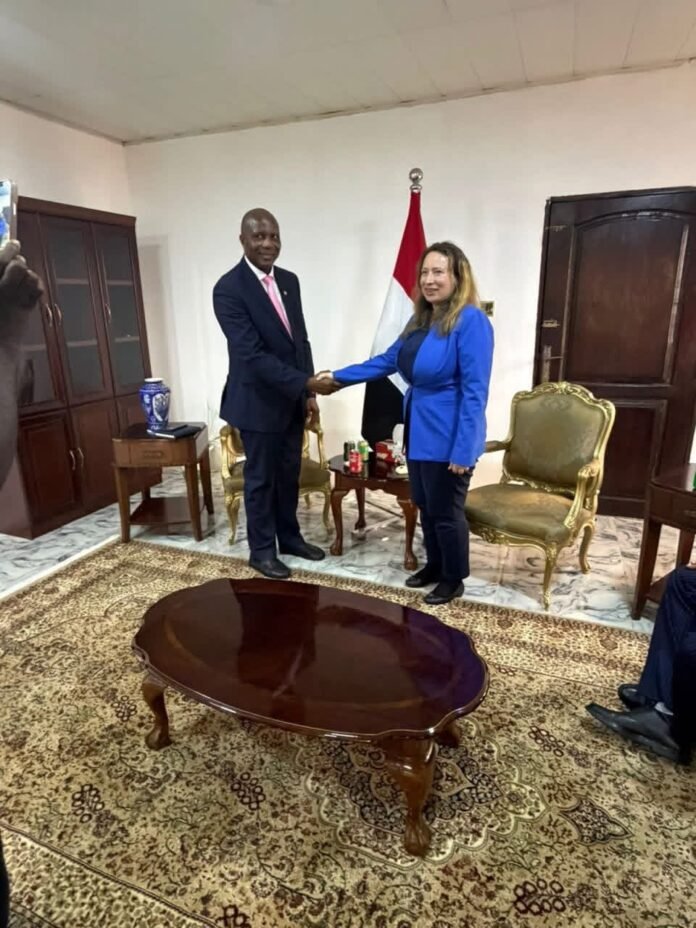
Sierra Leone’s Chief Justice and Chairman of the ECOWAS Judicial Council, Komba Kamanda, has further strengthened the country’s international judicial standing after a high-profile appearance at the Ninth Cairo High-Level Meeting of the Presidents of African Constitutional Courts, Supreme Courts and Constitutional Councils.

The meeting, held on February 8, 2026, at the St. Regis Hotel, brought together heads of apex courts from across Africa for the ongoing International Conference on Constitutional Justice. The conference is convened under the patronage of Egyptian President Abdel Fattah El‑Sisi and serves as a key continental platform for dialogue on constitutional governance and judicial cooperation.

At the conference, Chief Justice Komba Kamanda emerged as the only Chief Justice selected to speak on behalf of his counterparts from the ECOWAS sub-region, representing fifteen member states, including Ghana and Nigeria. His selection was widely seen as a recognition of Sierra Leone’s growing influence within Africa’s judicial community and the reform momentum within its justice sector.

In a widely applauded address on the theme: “Challenges Facing Constitutional Justice in Africa,” Chief Justice Komba Kamanda underscored the central role of supreme and constitutional courts as guardians of the rule of law and protectors of fundamental human rights. He emphasized that constitutional courts must remain firm in upholding the supremacy of the constitution, stressing that no individual or institution stands above it.

“The Supreme Constitutional Courts must continue to maintain the inescapable fact that no man or institution is greater than the constitution,” he said, adding that constitutional fidelity must guide judicial reasoning and decision-making at all times.

He further highlighted judicial independence as a cornerstone of democracy and good governance, noting that an independent judiciary is indispensable for sustaining public confidence, protecting rights and ensuring accountability within the state. According to him, constitutions should be treated as living instruments, continually interpreted in ways that preserve their relevance and vitality in changing social and political contexts.

Chief Justice Komba Kamanda’s international recognition comes against the backdrop of significant judicial reforms undertaken in Sierra Leone within a year of his tenure. Those reforms have contributed to the country’s improved performance in global rule-of-law assessments, including the World Justice Rule of Law Index, where Sierra Leone has been cited for progress in judicial independence, transparency and effectiveness.

While in Egypt, the Chief Justice was also honoured with one of the country’s prestigious legal awards in recognition of his commitment to promoting the rule of law and advancing the administration of justice. The Bar Association Award was received on his behalf by Supreme Court Judge, Honourable Justice Fatmatta Bintu Alhadi. Chief Justice Komba Kamanda was accompanied on the trip by Supreme Court Judge, Honourable Justice Alusine Sesay.

Speaking at the opening session, the President of Egypt’s Supreme Constitutional Court, Counselor Boulis Fahmy, commended African constitutional courts for their pivotal role in promoting social peace, democratic governance and stability across the continent. He also praised President El-Sisi’s continued patronage of the Cairo conference, describing it as a source of momentum and institutional weight.

The Speaker of the Egyptian Parliament, Honourable Justice Hisham Badawy, described the Cairo conference as a fundamental pillar of justice in Africa and a constructive forum for sharing judicial expertise. Egypt’s Minister of Justice, Honourable Adnan Fangari, noted that the meeting holds special priority for strengthening African judicial partnerships at a time of growing global challenges.

The opening ceremony was attended by several leading figures in constitutional justice, including the Presidents of the Constitutional Courts of Cape Verde, Spain, Türkiye and Palestine, alongside other senior judicial leaders from across the world.

Chief Justice Komba Kamanda’s participation and recognition in Cairo further reinforce Sierra Leone’s re-emergence as a respected voice in continental and global judicial discourse.

SLAJ President Manika Kamara Hails Orange Sierra Leone as a Trusted Partner of the Media

SLAJ President Manika Kamara Hails Orange Sierra Leone as a Trusted Partner at Orange Sierra Leone Annual Media Engagement

By Amin Kef (Ranger)

The President of the Sierra Leone Association of Journalists (SLAJ), Alhaji Manika Kamara, has described Orange Sierra Leone as one of the most consistent and reliable corporate partners of the media, praising its long-standing support for journalism, professionalism and democratic development in the country.

He made these remarks at the Orange Sierra Leone Annual Media Engagement, held on Friday Feb. 6, 2026 at the Orange Digital Center, Hill Station, Freetown, under the theme: “Connecting with the Media, Sharing Our Story.” The event brought together over 100 journalists, editors, regulators and stakeholders to review the company’s 2025 performance and outline its priorities for the year ahead.

Addressing participants, Alhaji Manika Kamara said the relationship between SLAJ and Orange Sierra Leone has never been one of convenience but rather a partnership grounded in trust, shared values and a mutual understanding of the media’s central role in democracy and national development.

“This engagement is timely and significant,” Alhaji Manika Kamara said. “In an era shaped by information, connectivity and public trust, partnerships that inform, inspire and connect are essential to building a healthy society.”

The SLAJ President highlighted Orange’s sustained contributions to the growth and welfare of journalists, noting that the company has remained a dependable supporter of SLAJ’s Annual General Meetings, an intervention he said has strengthened internal governance, transparency and accountability within the Association.

He further commended Orange for being among the few corporate institutions that provided seed funding for the SLAJ Journalism Welfare Fund, describing the initiative as a clear recognition that journalists are not just bylines but human beings deserving dignity and care.

Alhaji Manika Kamara also acknowledged Orange’s advertising support to media houses, which he said has helped sustain newsrooms at a time when traditional media business models are under severe pressure. Of particular importance, he noted, Orange’s investment in human capital through scholarships for journalists pursuing postgraduate studies, as well as educational support for journalists’ children.

“These are not short-term gestures,” Alhaji Manika Kamara stressed. “They are strategic interventions that strengthen knowledge, professionalism and ethical standards across the media sector. We hope the new leadership at Orange will continue this vital investment in people.”

He also praised the company’s annual sponsorship of the SLAJ Media Awards, describing the initiative as a national platform that celebrates excellence, courage and ethical reporting, while raising standards across the profession.

Reflecting on institutional values, Alhaji Manika Kamara expressed appreciation for Orange’s gesture during the recent SLAJ leadership transition, when the company presented a large portrait sketch to the immediate past President and Ex-Officio member, Ahmed Sahid Nasralla. He said the act symbolized respect for leadership, continuity and institutional memory.

“As President of SLAJ, I stand on the shoulders of those who served before me,” Alhaji Manika Kamara said. “My commitment is to deepen partnerships that strengthen journalism, protect journalists and serve the public interest.”

Looking ahead, he identified digital safety, media innovation, capacity building and the empowerment of young and female journalists as priority areas for collaboration with Orange Sierra Leone in an increasingly complex information environment.

The engagement also featured contributions from the Executive Secretary of the Independent Media Commission, Khalil Kallon, who commended Orange for fostering dialogue among regulators, service providers, Government and the media, while calling for increased support to community radio stations in rural areas.

In her address, Orange Sierra Leone’s Chief Executive Officer, Madam Aicha Toure, reaffirmed the company’s respect for the media’s role in accountability and democracy, outlining her leadership priorities as network reliability, digital inclusion and trust with responsibility.

The Annual Media Engagement concluded with presentations on Orange’s corporate performance and social impact, followed by interactive discussions, reinforcing the central message articulated by Alhaji Manika Kamara: that strong, value-driven partnerships between the media and responsible corporate institutions remain vital to Sierra Leone’s democratic and development journey.

Royal Fitness Emerges as Leading Force in Sierra Leone’s Evolving Fitness Culture

Royal Fitness has continued to redefine modern fitness culture in Freetown, steadily positioning itself as one of Sierra Leone’s leading health and wellness centres through a blend of premium facilities, professional coaching and a growing community-driven approach to healthy living.

Strategically located along the Peninsular Highway in Juba, the fitness centre has become a preferred destination for professionals, athletes, lifestyle enthusiasts and beginners seeking a structured, world-class workout experience. Its strong public reputation is reflected in a 4.5-star Google rating from dozens of reviews, with members frequently praising the gym’s cleanliness, modern layout, quality equipment and customer service.

Industry observers note that Royal Fitness distinguishes itself through a holistic model that goes beyond traditional gym routines. The facility offers strength and weight training, functional workouts, cardio programmes, group exercise sessions and recovery-focused routines such as stretching and flexibility training. This inclusive approach allows members of different fitness levels to pursue personalized goals within a single, well-organized environment.

The gym has also built strong visibility through its digital platforms, particularly Instagram, where it has attracted more than 17,000 followers. Branded around the theme “Where strength meets rhythm,” Royal Fitness integrates music-driven workouts and high-energy sessions, often featuring international DJs, to create an engaging and motivating atmosphere that resonates with younger, urban audiences.

Beyond ambience and branding, Management places emphasis on professionalism and consistency. Certified instructors and fitness coaches work closely with members to design structured programmes aimed at improving strength, endurance, flexibility and overall wellbeing. Many clients credit the centre with helping them adopt disciplined lifestyles and sustainable fitness habits.

Operating daily with extended hours until 11:00 p.m., Royal Fitness caters to busy urban schedules, making it particularly attractive to working professionals. Visitor trends show that most members spend between one and three hours per session, reflecting a commitment to comprehensive training rather than quick workouts.

In line with rising health consciousness nationwide, the gym has announced an ambitious 2026 wellness drive focused on tackling lifestyle-related diseases through structured physical training, professional supervision and nutrition-focused guidance. Management says the initiative is designed to position the facility as a complete wellness hub, promoting long-term health outcomes rather than short-term aesthetic goals.

A spokesperson described the programme as rooted in sustainability, noting that effective wellness is achieved when physical training, mental discipline and proper nutrition work together. As part of this approach, Royal Fitness has expanded into nutrition and diet counselling to complement exercise routines and improve results.

The centre is equipped with internationally recognized fitness brands, including Technogym and Panatta of Italy and Arsenal Strength from the United States, underscoring its commitment to global standards in performance and safety.

As Sierra Leone’s urban centres increasingly embrace preventive health and active living, Royal Fitness is emerging as a symbol of the country’s evolving wellness culture—demonstrating that premium, professionally guided fitness experiences can be delivered locally.

For membership and registration enquiries, Royal Fitness can be contacted on (+232) 90 001000.

MARWOPNET, UN Women Mark 25 Years of UNSCR 1325 with Grassroots Dialogues Across Sierra Leone

MARWOPNET, UN Women Mark 25 Years of UNSCR 1325 with Grassroots Dialogues Across Sierra Leone

The Mano River Women Peace Network (MARWOPNET), in partnership with UN Women and with support from the Embassy of Ireland, has joined communities in Kailahun, Kambia and Karene districts to commemorate the 25th anniversary of United Nations Security Council Resolution 1325 on Women, Peace and Security (UNSCR 1325).

Adopted in October 2000, UNSCR 1325 recognizes the disproportionate impact of armed conflict on women and children, while affirming the critical role women play in conflict prevention, peacebuilding and post-conflict recovery. The 25-year milestone, marked in October 2025, provided an opportunity for reflection on progress made, persistent gaps and emerging priorities shaping the Women, Peace and Security (WPS) agenda globally and in Sierra Leone.

Through structured community dialogues, MARWOPNET and its partners facilitated discussions on lessons learned and innovations across the four pillars of UNSCR 1325—Prevention, Participation, Protection and Relief and Recovery. Participants examined trends in women’s roles in peace and governance, levels of institutional awareness and the effectiveness of national policies and action plans developed over the past two decades.

The engagements also served as a platform for strategic reflection on Sierra Leone’s implementation of the resolution, highlighting notable gains in policy and legal reforms aimed at protecting women and girls, while acknowledging challenges in financing, coordination, sustainability and monitoring. Participants identified priority actions for the next decade, focusing on strengthening implementation and deepening community ownership of the WPS agenda.

Among the key recommendations emerging from the discussions were calls for sustained community engagement, including outreach in schools and intensified public sensitization on UNSCR 1325 and related laws through mass communication and community dialogue forums. Participants urged duty bearers to fully enforce existing laws protecting women and girls, ensuring that policies extend beyond urban centres to reach rural and hard-to-access communities.

Concerns were also raised about the need for improved safety and protection for survivors of Sexual and Gender-Based Violence (SGBV), with strong emphasis on reporting all forms of violence to appropriate authorities without interference. Stakeholders called for the development and funding of women-friendly policies aligned with the four pillars of UNSCR 1325, including adequate resourcing and popularization of the third National Action Plan on the resolution.

Additional recommendations focused on the inclusion of persons with disabilities in WPS initiatives, strengthened collaboration among Civil Society Organisations and the engagement of traditional leaders in promoting women’s empowerment and participation in governance. Participants also underscored the importance of involving women at all levels of decision-making and enhancing collaboration between MARWOPNET Sierra Leone and local councils to improve implementation at the grassroots.

Cross-border and protection concerns were highlighted, including calls for urgent attention to the presence of Guinean military personnel in Yenga and surrounding areas, the situation of displaced women in Koindu and the need for all parties to conflicts to combat impunity for sexual violence while ensuring effective protection of civilians.

The Ministry of Gender and Children’s Affairs reiterated the need for collective action in the fight against SGBV, stressing that effective implementation of UNSCR 1325 requires coordinated efforts by Government, security institutions, Civil Society and communities.

In concluding the commemoration, participants described UNSCR 1325 as a form of affirmative action that legitimizes and strengthens women’s contributions to peace and security. They emphasized the need for broader sensitization on the resolution, stronger involvement of local authorities in its popularization and sustained commitment by the state to translate policy gains into tangible change on the ground.

The event brought together women, youth, traditional leaders, security sector institutions including the Office of National Security, Sierra Leone Police and Republic of Sierra Leone Armed Forces, religious leaders, Ministries, Departments and Agencies, as well as media practitioners. While acknowledging progress in policy and law-making, stakeholders agreed that gaps remain in implementation, knowledge-building and accountability, underscoring the need for renewed momentum in advancing the Women, Peace and Security agenda in Sierra Leone.

Chernor Ramadan Maju Bah Emerges as APC’s Unifying Trailblazer Ahead of Flagbearer Race

Hon. Chernor Ramadan Maju Bah

By Ibrahim Sesay

Hon. Chernor Ramadan Maju Bah, popularly known as Chericoco, is increasingly emerging as the most compelling choice to lead the All People’s Congress (APC) into a new era of credibility, unity and national renewal. A seasoned lawyer, accomplished Parliamentarian and former Leader of the Opposition in Sierra Leone’s Parliament, Chernor Ramadan Maju Bah’s political journey reflects consistency, resilience and a people-centred approach that resonates across party lines.

Widely described by supporters as a “trailblazer” and “man of the people,” Hon. Chernor Ramadan Maju Bah has built a reputation grounded not in spectacle but in substance. His leadership credentials were forged through years of principled opposition, legislative engagement and advocacy for democratic accountability. Political analysts and grassroots supporters alike point to his battle-tested experience as evidence of readiness to guide the APC at a time when the party is seeking renewal and national appeal.

Observers note that what distinguishes Chericoco is a subtle but powerful leadership presence; calm, focused and anchored in values. He is known for “walking the walk and talking the talk,” embodying the craft of governance with discipline and empathy. To many within the APC, he represents a credible bridge between the party’s proud traditions and the demands of modern democratic leadership.

In his engagements with party members and the wider public, Hon. Chernor Ramadan Maju Bah has consistently framed leadership as service. “I’m your captain. I’m your general. I’m ready to be your commander-in-chief,” he has said, emphasizing unity, vision and faith in collective progress. His message, One Nation, One Destiny, has become a rallying call that underscores cohesion over division and purpose over personality.

Unlike politicians who surface only during election seasons, Hon. Chernor Ramadan Maju Bah’s political life has been marked by continuity. His involvement with communities predates campaign calendars and extends beyond them. From youth empowerment and education advocacy to constitutionalism and good governance, his record reflects steady engagement driven by conviction rather than convenience.

Colleagues and supporters describe his leadership as consistent and grounded. They argue that real leadership happens away from cameras, when trust is earned through presence and integrity. Chernor Ramadan Maju Bah’s approach reflects a deep respect for democracy, where credibility is built daily through action and accountability not negotiated during campaigns

At a recent APC gathering at Attouga Mini Stadium, attendees recounted interactions with a leader who spoke not for himself but for Sierra Leone; speaking development, unity and national cohesion. Though born in Freetown, his political footprint spans the East, South, North, North-West and Western Area, reinforcing his image as a national figure with cross-regional appeal.

One quality frequently cited is his humility. He has publicly prayed for fellow flagbearer aspirants, an  uncommon gesture that many interpret as maturity and commitment to party unity. He is widely respected for loyalty to the APC, having remained steadfast through challenging periods when others disengaged. His adherence to party and national constitutionalism has further strengthened confidence in his leadership.

Sierra Leoneans also recall his near ascent to the nation’s second-highest office and the controversy surrounding the Electoral Commission’s announcement. Despite widespread disappointment, Hon.Chernor Ramadan Maju Bah maintained calm and commitment to democratic processes, an episode supporters cite as evidence of statesmanship under pressure.

Advocates argue that if APC delegates entrust him with the flagbearer position, the party can regain national confidence and broaden its appeal. They frame his candidacy as an opportunity to transcend ethnic and regional politics in favor of a unifying national vision.

Supporters describe Hon. Chernor Ramadan Maju Bah as a leader who does not buy popularity but earns respect through character, service and consistency. His leadership philosophy, vision over noise, unity over division, service over self, aligns with public calls for sincerity in politics.

With lower-level elections unfolding, voices within the APC are urging delegates to weigh the long-term interests of both the party and the nation. For many, Hon. Chernor Ramadan Maju Bah embodies leadership for all seasons; lived, not performed. At a time defined by the demand for credibility and cohesion, his candidacy stands as a serious proposition for the future of the APC and Sierra Leone.

Budapest–Bamako–Freetown Rally Ends in Triumphant Finish, Showcasing Sierra Leone to the World

By Amin Kef (Ranger)

The world’s largest amateur rally, the Budapest–Bamako–Freetown Rally, on Monday, February 9, 2026, reached its triumphant finish line in Freetown, marking another historic moment for Sierra Leone as a destination for major international events.

Rally participants arrived in the country on Sunday, February 8, crossing the Gbalamuya border in Kambia District before proceeding to an overnight stop at the picturesque Bureh Beach. Their arrival was met with vibrant cultural performances, warm hospitality and coordinated support from Government Ministries, border authorities and security agencies, setting the tone for the grand finale in the capital.

The official finish line ceremony took place at Gigibonta Car Park along Lumley Beach Road, drawing senior Government officials, members of the diplomatic and consular corps, rally participants and members of the public. Speaking at the ceremony, Jihad N. Eter, Honorary Consul of Hungary to Sierra Leone, described the occasion as a celebration of endurance, friendship and shared humanity.

“It is with profound honour and sincere gratitude that I stand before you today at the triumphant finish of the Budapest–Bamako–Freetown Rally 2026,” Jihad Eter said, addressing His Excellency President Dr. Julius Maada Bio, Vice President Mohamed Juldeh Jalloh, cabinet ministers, diplomats and distinguished guests. He noted that the rally’s return to Freetown once again reflected the growing confidence the international community places in Sierra Leone’s stability and peace.

Jihad Eter highlighted the symbolic importance of the rally concluding in Sierra Leone during 2026, officially designated as the “Year of Culture and Creativity.” He said the theme underscores the country’s recognition of culture as a driver of unity, innovation and inclusive development. According to him, the rally itself represents a bridge between continents and cultures, making Sierra Leone a fitting destination for its conclusion.

Commending the leadership of President Bio, the Honorary Consul praised achievements made under the current administration, particularly in tourism development, foreign exchange growth and the implementation of the Free and Quality Education programme. He said those initiatives have empowered thousands of Sierra Leonean children and strengthened the nation’s human capital.

Jihad Eter also highlighted the deepening bilateral relations between Sierra Leone and Hungary, citing the Hungarian Stipendium scholarship programme as a key example. He disclosed that in 2025, thirty-three Sierra Leonean students benefited from the scholarship, while up to fifty students are expected to be awarded scholarships in 2026 across various fields of study. He described the programme as a strategic investment in Sierra Leone’s future leadership and sustainable development.

The Honorary Consul expressed appreciation to the Ministry of Tourism and Cultural Affairs and its leadership for their role in positioning Sierra Leone as an attractive destination for global events. He further commended the Inspector General of Police, the Chief of Defence Staff, the Office of National Security, the Sierra Leone Road Safety Authority and personnel of the Sierra Leone Police and Road Safety Corps for ensuring a peaceful, secure and well-coordinated rally.

Participants from Hungary, the United Kingdom, the United States, Eastern Europe, Northern Europe and Sierra Leone were also acknowledged for their presence, reflecting the rally’s truly global character. Jihad Eter congratulated the rally crews for their resilience and discipline in completing the demanding transcontinental journey, noting that this was the first group of participants to arrive for the 2026 edition. He announced that a second wave of participants is expected to arrive in March 2026.

Ahead of the final drive into Freetown, rally vehicles and motorbikes were escorted in a coordinated motorcade by the Sierra Leone Police and security teams from Bureh Beach to the finish line. The convoy’s movement generated excitement across communities, with residents lining routes to witness the arrival of the international adventurers.

At Bureh Beach, participants relaxed and celebrated after weeks on the road, enjoying the ocean breeze, cultural interactions, and the renowned warmth of Sierra Leonean hospitality. The beach stop further showcased the country’s tourism potential, combining natural beauty with cultural vibrancy.

In closing, Jihad Eter encouraged rally participants to explore Sierra Leone’s beaches, islands, landscapes and culture, and to share their positive experiences with the world. He reaffirmed his office’s commitment to strengthening relations between Sierra Leone and Hungary, while supporting initiatives that promote tourism, people-to-people connections and international cooperation.

The successful conclusion of the Budapest–Bamako–Freetown Rally once again places Sierra Leone firmly on the global tourism and cultural map, reinforcing its image as a peaceful, welcoming, and internationally connected nation.

VP Juldeh Jalloh Pays Glowing Tribute to Late Rev. Smart Kelson Senessie at Funeral Service

VP Juldeh Jalloh Pays Glowing Tribute to Late Rev. Smart Kelson Senessie at Funeral Service

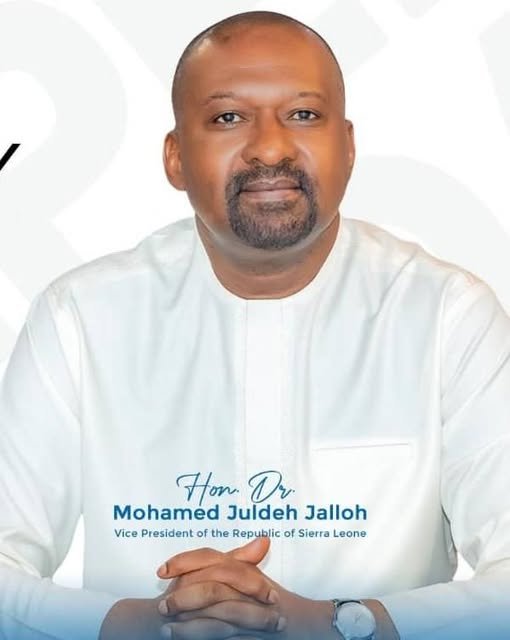
Vice President Dr. Mohamed Juldeh Jalloh has described true leadership as the ability to know when to serve and when to make space for others, as he paid tribute to the late Chairman Rev. Smart Kelson Senessie during funeral rites marking his laying out.

Addressing mourners, the Vice President said the occasion marked a significant loss not only to the family of the deceased but also to the Sierra Leone People’s Party (SLPP) and the Government. He described the day as “a very sad moment in the contemporary history of our party,” noting that Rev. Smart Kelson Senessie had devoted his life to service, discipline and principled leadership.

Speaking on behalf of the party’s leadership and membership at home and abroad, Dr. Mohamed Juldeh Jalloh extended condolences to the bereaved family and acknowledged the broader impact of the loss. He said Rev. Smart Kelson Senessie’s contribution transcended personal relationships, adding that his legacy would remain deeply embedded in the party’s history and national life.

The Vice President described the late Chairman as a man of character, purpose and integrity, as well as a devoted family man whose conduct reflected consistency and moral strength. According to him, those qualities defined Smart Rev. Kelson Senessie’s approach to leadership and service.

Dr. Mohamed Juldeh Jalloh recalled key moments that illustrated Smart Rev. Kelson Senessie Senessie’s discipline and respect for timing, including his decision, following the party’s electoral victory in 2018, to honour an existing church commitment before assuming national responsibilities. He said the choice demonstrated wisdom, humility and a strong sense of responsibility.

He also highlighted Rev. Smart Kelson Senessie’s voluntary decision to step aside from party leadership to allow others to lead, describing it as a rare and powerful example of selfless leadership. “True leadership,” the Vice President said, “is knowing when to serve and when to make space for others,” a principle he urged party members and public officials to reflect upon.

Dr. Mohamed Juldeh Jalloh noted that the large turnout at the funeral was a testament to the respect and admiration the late Chairman commanded across society. He said the gathering reflected a life lived with purpose and urged mourners, particularly party members and young leaders, to draw lessons from Rev. Smart Kelson Senessie’s example.

The Vice President concluded by encouraging continued reflection on values of humility, discipline and service, describing them as essential to leadership within the party and the nation. He said Rev. Smart Kelson Senessie’s life and legacy offered enduring guidance at a time when Sierra Leoneans are seeking credible and principled leadership.