
Home Blog Page 284

Liberty Online TV and Irish Embassy Forge Alliance to Combat Gender-Based Violence

By Foday Moriba Conteh

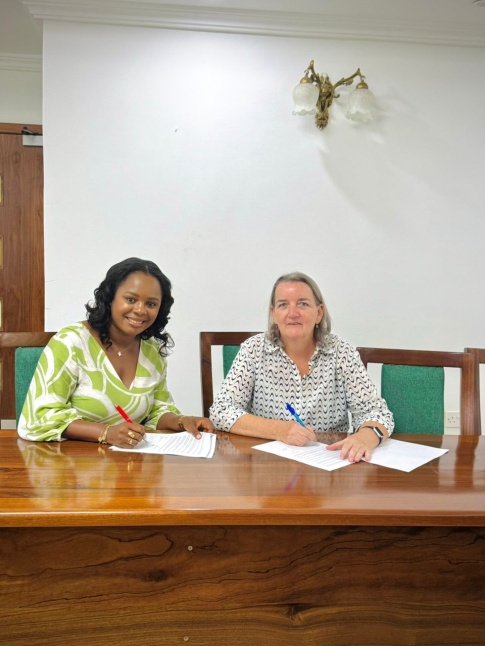
In order to address Gender-Based Violence (GBV) in Sierra Leone, Liberty Online Television and the Irish Embassy signed a Memorandum of Understanding (MOU) on November 6, 2024. This partnership seeks to produce impactful content on GBV and other harmful practices to coincide with the 16 Days of Activism, a global campaign to end violence against women and girls.

Gender-based violence remains a critical issue in Sierra Leone, where forced marriage, rape, domestic abuse and sexual harassment are prevalent. Early marriage, adolescent pregnancy and female genital mutilation (FGM) are also widespread, leaving lasting social and economic impacts on women and girls across the nation.

The Irish Embassy in Sierra Leone has long supported gender equality initiatives, working to empower women and foster policies that protect women and girls. Since launching the Irish Working Group on Gender-Based Violence in Sierra Leone (IWGGBV-SL) in 2016, the embassy has been instrumental in mobilizing efforts to combat GBV and other practices harmful to women and girls.

Liberty Online Television has consistently provided a platform for raising awareness on social issues and has empowered victims to share their stories, advocating for societal change. Through this partnership with the Irish Embassy, Liberty Online Television aims to spotlight systemic challenges facing women and girls, engaging duty bearers and the public in meaningful conversations around these critical issues.

The MOU is set to enhance advocacy efforts during this year’s 16 Days of Activism, which takes place from November 25 to December 10. The 2024 campaign theme: “Stopping Family and Domestic Violence: Play Your Part,” emphasizes the collective responsibility to end violence against women and girls.

At the signing ceremony were Carol Hannon, Head of Development at the Irish Embassy in Sierra Leone, and Kadijah Bangura, Managing Partner at Liberty Online Television, both expressing commitment to this important cause and the hope for constructive change in Sierra Leone.

Africell, Kew Gardens Present Public Lecture at FBC on Climate Resilience & Urban Biodiversity

By Alvin Lansana Kargbo

The Africell Impact Academy Foundation, in collaboration with the Royal Botanic Gardens, Kew, held an insightful workshop titled “Navigating the Future: Ensuring the Resilience of Trees in Evolving Climates” on Tuesday, November 12, at the Tunde Cole Building, Fourah Bay College (FBC), University of Sierra Leone. The event gathered students, faculty from the Biological Sciences Department, and experts from Kew Gardens to discuss the long-term impacts of climate change on trees, urban greenery, and botanical landscapes.

The workshop was attended by a diverse audience, including the Head of Department (HOD), lecturers, and students eager to explore innovative approaches for managing climate risks in Sierra Leone’s natural and urban environments. The initiative aimed to provide participants with knowledge and practical insights to address the challenges facing environmental science and conservation.

Africell’s Public Relations Manager, Abdul Karim Sesay, welcomed attendees, emphasizing the urgent relevance of the topic. “Climate change is not a distant issue; it impacts every tree, garden, and natural resource we rely on. Africell Impact Academy believes in the power of knowledge to drive change,” he stated. Sesay highlighted Africell’s commitment to conservation and education, noting that the partnership with Kew Gardens was aligned with their mission to equip young minds with the skills needed to protect Sierra Leone’s natural legacy.

Dr. Williams, Head of the Biological Sciences Department at FBC, underscored the department’s dedication to scientific research and the valuable, longstanding partnership with Kew Gardens, which has contributed to identifying new plant species in Sierra Leone. “Our collaboration with Kew Gardens has strengthened our research capacity and expanded opportunities for our students and faculty,” Dr. Williams said, encouraging students to leverage such learning opportunities to make meaningful contributions to environmental science.

Despite other obligations with the university’s Vice-Chancellor, Dr. Williams attended the event, further demonstrating his commitment to advancing environmental studies at FBC. He also expressed the department’s ongoing efforts to enhance technical and research capabilities, citing the need for improved connectivity and resources for scientific research.

The workshop featured two distinguished speakers from Kew Gardens: Kelvin Martin, Head of Trees Collections and Arboriculture, and Thomas Fry, a researcher in climate change and tree resilience. Their presentations offered in-depth insights into the challenges confronting arboreal landscapes and the need to adapt conservation strategies to protect biodiversity. Kelvin Martin led a session on the effects of climate change on tree populations and urban green spaces, followed by a question-and-answer segment where Martin and Fry addressed queries on climate adaptation, species conservation, and future research collaborations.

The event was hailed as a success, sparking active student engagement and deepening interest in environmental science. The workshop concluded with a commitment from Africell, FBC, and Kew Gardens to continue their joint efforts in conserving Sierra Leone’s natural heritage for generations to come.

NP (SL) Sets the Benchmark for Excellence in Sierra Leone’s Petroleum Industry

By Amin Kef (Ranger)

NP (SL) Limited, Sierra Leone’s leading petroleum importer and marketer, has firmly established itself as a paragon of quality in the country’s petroleum industry. With a relentless commitment to customer satisfaction and operational efficiency, NP (SL) continues to lead the competitive market, delivering exceptional service and reliability.

Central to NP (SL)’s success is its customer-centric philosophy, deeply ingrained in the company’s culture. From top management to support staff, NP operates as a cohesive team, known as “Team NP,” unified in their commitment to professionalism, reliability and excellence. This collaborative approach has been instrumental in building NP (SL)’s strong reputation as a customer-first company.

NP (SL) has also built and maintained strategic relationships with oil-producing nations, enabling timely procurement and delivery of petroleum products. This ensures Sierra Leone enjoys a stable fuel supply, helping to prevent shortages that could lead to economic or political challenges. By stabilizing fuel prices, NP (SL) plays a pivotal role in protecting the public from abrupt price hikes that might otherwise increase transportation costs and impact the cost of essential goods.

Proudly Sierra Leonean-owned, NP (SL) is a true success story of local entrepreneurship. From its founding, NP has grown into one of Sierra Leone’s most respected indigenous companies, setting a high standard in the sector.

Expanding its influence beyond Sierra Leone, NP (SL) now operates in Liberia, Guinea, Ivory Coast and The Gambia. This regional expansion has created jobs and contributed to economic growth across West Africa, positioning NP (SL) as a regional economic powerhouse.

Beyond its petroleum business, NP (SL) has diversified its offerings. The company now produces and sells NP Gas cookers, known for their affordability, durability nd safety. Available at NP Filling Stations and authorized dealers, these cookers provide an efficient and safer alternative to traditional cooking fuels, extending the company’s product range and enhancing its reach to consumers.

NP (SL) is also a staunch advocate for Sierra Leone’s Local Content Policy, employing a workforce that is predominantly Sierra Leonean. This commitment nurtures local talent and strengthens the national economy, making NP (SL) a role model for effective Local Content Policy implementation.

Innovation has been a cornerstone of NP (SL)’s strategy, with the company consistently introducing forward-thinking solutions to improve access to its products and services. Among these innovations is the deployment of mobile fuel tanks with a capacity of 10,000 liters. These tanks, equipped with advanced technology for safe fuel dispensing, are particularly beneficial for businesses operating in remote locations or with large fleets, providing a secure and efficient way to manage fuel needs.

In a move supporting national security, NP (SL) has deployed mobile fuel tanks to the Sierra Leone Police Force, ensuring that law enforcement vehicles remain fueled and ready for rapid response to emergencies. This initiative highlights NP (SL)’s dedication to supporting public services and enhancing operational efficiency.

One of NP (SL)’s most notable innovations is the NP Energy Pass, a smart card enabling cashless fuel transactions. With security features like SMS notifications and a One-Time Password (OTP) recovery system, the NP Energy Pass offers customers a secure, convenient means of managing fuel purchases. Rechargeable at any NP station or the company’s headquarters, this smart card builds on the success of NP’s previous offerings and exemplifies NP (SL)’s commitment to providing budget-friendly, user-friendly solutions.

With a focus on customer satisfaction, cutting-edge technology and local empowerment, NP (SL) continues to grow as an indigenous success story and a major contributor to Sierra Leone’s economic development.


In December…   New Hope for Cleft Lip and Palate Patients: Choithram Hospital Announces Free Surgery Camp

By Amin Kef (Ranger)

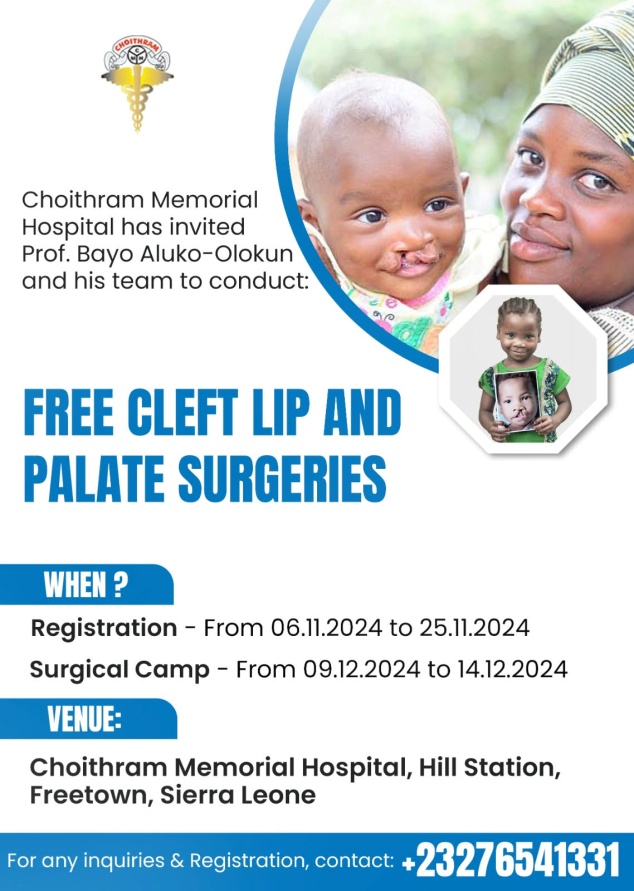
Choithram Memorial Hospital in Freetown has announced a Free Surgery Camp scheduled from December 9 to December 14, 2024, offering free cleft lip and palate surgeries for patients in need. This initiative underscores the hospital’s commitment to providing essential healthcare to Sierra Leoneans who may lack access to specialized treatments due to financial constraints.

The surgical team will be led by the esteemed Professor (Dr.) Bayo Aluko-Olokun, a distinguished Oral and Maxillofacial Surgeon from Abuja, Nigeria, recognized for his groundbreaking Olokun-Olaitan technique in cleft lip and palate repair. Dr. Aluko-Olokun will collaborate with Choithram Memorial Hospital’s own Plastic Surgeon, Dr. Eric Wongo, along with a skilled team of medical professionals from Sierra Leone and Nigeria, making this an extraordinary opportunity for patients to receive world-class care at no cost.

This surgery camp is open to new patients seeking initial surgeries, as well as those needing follow-up procedures after previous treatments. Through this initiative, Choithram Memorial Hospital aims to make life-changing healthcare accessible to all, emphasizing the hospital’s ongoing mission to break down financial barriers and improve health outcomes across the country.

Dr. Gowrinath M. George, the Medical Superintendent of Choithram Memorial Hospital, expressed his heartfelt appreciation for Dr. Aluko-Olokun and his team’s involvement in this important project. He encouraged Sierra Leoneans requiring these surgeries to register for the camp, making the most of the free services available.

In addition to the surgery camp, Choithram Memorial Hospital recently enhanced its healthcare offerings with the installation of a state-of-the-art MRI machine, operational since January 2024. Harish Agnani, Chief Administrator of the Choithram Group, emphasized the hospital’s dedication to providing advanced medical services to the people of Sierra Leone, highlighting this upgrade as part of their mission to deliver comprehensive, cutting-edge care.

Registration for the Free Surgery Camp opened on November 6, 2024. Patients and their families can secure a spot by calling +232 76 541 331 or visiting Choithram Memorial Hospital at Hill Station, Freetown.

This initiative is a testament to Choithram Memorial Hospital’s unwavering dedication to improving the lives of Sierra Leoneans through accessible healthcare, empowering those with limited financial resources to receive the specialized treatments they need.

Powered by SEforALL, Health Ministry & UK Govt..   25 Clinics Gain 24/7 Solar Energy; Phase 3 to Expand to 11 More Hospitals

By Amin Kef (Ranger)

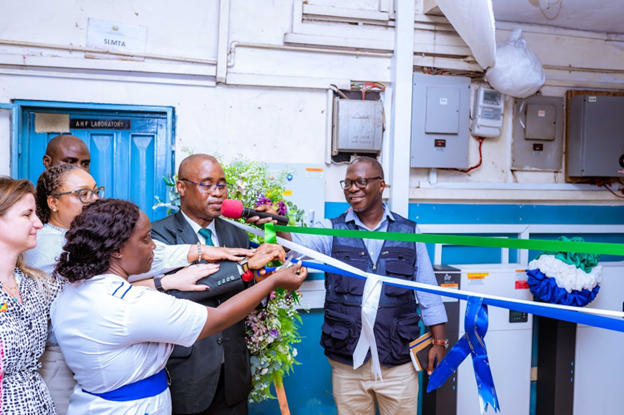
In a major advancement for healthcare access in Sierra Leone, 25 community health clinics now have round-the-clock, life-saving electricity, thanks to newly installed solar photovoltaic (PV) systems. The installations were commissioned on Thursday November 14, 2024

by Dr. Charles Senesie, Deputy Minister of Health 1, at the Jenner Wright Clinic, marking the completion of Phase 2 of the Sierra Leone Healthcare Electrification Project. The initiative, a collaboration between Sustainable Energy for All (SEforALL), the Sierra Leone Ministry of Health and the UK Government, now enters its third phase, aiming to bring solar power to 11 additional hospitals across the country.

At the ribbon-cutting ceremony, Dr. Charles Senesie hailed the impact of solar energy on healthcare delivery, saying, “The transformation of these 25 health facilities using the power of the sun will forever change how healthcare is delivered. This initiative also reflects our commitment to go green nationally and electrify health facilities with clean energy, a crucial step towards building a sustainable healthcare system. We are grateful to the UK Government for their generous support and to Sustainable Energy for All (SEforALL) for their instrumental role in implementing this project.”

Many of the newly powered clinics previously relied on diesel generators or had limited or unreliable access to electricity, with 18 of the 25 having no power source at all. With the installation of solar systems, health workers now have consistent, uninterrupted electricity, enabling enhanced primary care delivery, especially in underserved areas. Dr. Dr. Charles Senesie emphasized how the project’s clean energy approach aligns with national sustainability goals and significantly alleviates energy costs and environmental impact by reducing diesel reliance. Phase 1, which electrified six key hospitals, demonstrated this impact, with a 60% to 99% reduction in generator fuel use.

Among the transformed facilities, Torwama Community Health Centre’s Medical Superintendent shared the immense benefits of the new system. “The solar installation is truly transformative. Mothers and babies can now receive critical care 24/7, supported by dependable, sustainable energy,” he said.

The event at Jenner Wright Clinic also served to announce Phase 3, which will electrify 11 more hospitals, including major facilities like Connaught, Lakka, Port Loko, Makeni and Kenema Government Hospitals. At Connaught Hospital, Deputy Chief Medical Officer, Dr. Mustapha Kabba expressed his optimism for the future of healthcare with clean energy. Reflecting on his own experience as a doctor there, he remarked, “From my own time as a leading doctor at Connaught Hospital, I know what it is like to treat patients without a reliable power supply. I now look forward to coming back here in a few months and switching off the generator as we transition to solar energy.”

The Sierra Leone Healthcare Electrification Project, launched in October 2022, is addressing critical needs identified in assessments, which revealed that 38% of health facilities in Sierra Leone lack reliable power. Upon the completion of all three phases, the project will have installed 4.3 MWp of solar power across 43 health facilities. This initiative is supported on the ground by EM-ONE Energy Solutions, Tetra Tech and CEMMATS Group Ltd., under SEforALL’s leadership and with UK Government funding.

Ngozi Beckley-Lines, SEforALL’s Country Manager for Sierra Leone, highlighted the far-reaching impact of the project: “This project is absolutely transforming lives, not only for patients but also for nurses, doctors and all healthcare workers, by creating a safer and more reliable environment for quality care round-the-clock.”

Follow the journey to sustainable healthcare in Sierra Leone through #PoweringHealthcare and #PoweringLivesSL on social media.


Climate Change Must Be Combated only Through Concerted Efforts

#image_title

By Foday Moriba Conteh

The 29th UN climate change conference of parties and world leaders is now in progress in Glasgow starting from the 11th  to 22nd November 2024 in Baku, Azerbaijan.

This medium was reliably informed that the conference concluded with an agreement on plans for finance to mitigate the effects of climate change and help developing nations transition to more sustainable energy sources. Rules and a UN registry were agreed to facilitate and record international trading of carbon credits.

Climate change poses a fundamental threat to wildlife and man’s livelihood and survival. Humans and wildlife daily face new challenges to survive as a result of changes in the climate. The fight for the protection and well-being of the environment requires a holistic approach if we are to mitigate climate change challenges. The Government should not only be concerned with climate change challenges rather a well-developed programme should be in place to accurately respond to those challenges.

Around the world, natural disaster triggered by man’s activities continues to make climate change the greatest risk facing humans. Deforestation, air and land pollution continue to undermine food security and health challenges. These challenges are devastating and actions must be taken urgently to make communities safe and humane.

In Sierra Leone, deforestation is prominently becoming a high-risk climate change challenge. One of the many things we can commit to doing is to protect the forests. Forests are very important as they play a critical role in removing carbon from the air, provide and protecting water catchments for clean water. The forest is also home to amazing animals that maintain a balanced ecosystem. The losses and damages incurred from climate change have left many Sierra Leoneans unable to adapt to these changes.  It is sad to note that the rate at which the remaining 5 per cent of forest cover is disappearing will lead to unforeseen disasters if timely actions are not taken. Meanwhile protecting and preserving habitats will strengthen our climate change approach to tackle changes in the climate.

Is Sierra Leone doing enough to navigate through climate change challenges and or ensure the environment is well protected? To a large extent No! Since State institutions are calling for environmental protection yet we see healthy forests disappearing out of greed and improper land-use planning. At the UN General Assembly on Climate Change in 2019, President Bio reiterated his administration’s reforestation plan among others as an effort to mitigate climate change challenges. The Government’s climate change mitigation plans are in shambles due to numerous factors. Our country still lacks an environmental policy that could land defaulters in jail. Stop the sentiments and actions. It is high time we give environment and climate change issues the premium they deserve. Since we are not one of the biggest emitters of carbon yet the clearing of forests coupled with the rise in sea levels will precipitate climate challenges.

Land grabbers and encroachers continue to clear pristine forests across the country. We see the western area peninsular forest on the verge of disappearing completely under the watchful eyes of state-environmental institutions. Furthermore, the lifting of the ban on timber export has also seen a rise in the destruction of forests.

It is true that Sierra Leone is vulnerable to climate change impacts and that if urgent actions are not taken we will experience drastic changes in agriculture/food production, access to clean water, a rise in disasters and human health issues. Meanwhile, people and communities vulnerable to climate change should be the topmost priority of the Government and world leaders in climate-change-decision making. Poor countries with limited resources to mitigate the impacts of climate change depend on donors to map out the necessary actions to be taken. This is unacceptable. There should be policies in place to address climate change impacts and the willingness to acknowledge and or take full responsibility for those changes.

If we are to prevent the life-threatening effects of climate change in Sierra Leone, we need to reduce the activities that trigger these changes in the environment. Our government must ensure to play a critical role in tackling climate challenges.

Salone Messenger CEO Sallu Kamuskay Certified by BBC Media Action for Fact-Checking Expertise

By Abu Bakarr Jalloh

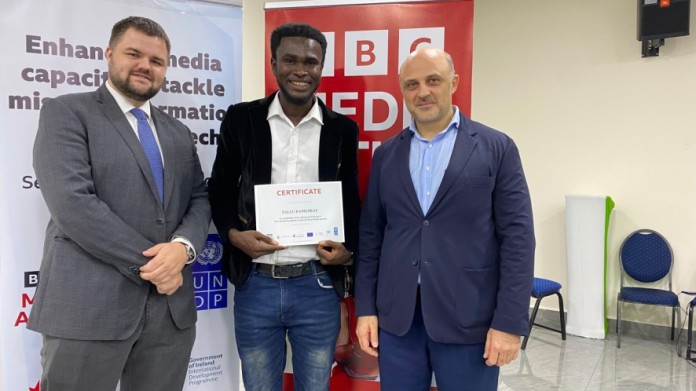
Sallu Kamuskay, a prominent writer, public relations strategist and CEO of Salone Messenger, has been awarded a certificate by BBC Media Action, in partnership with the United Nations Development Program (UNDP), after successfully completing a rigorous two-month fellowship program. This program, designed for journalists, bloggers and social media influencers, focused on tackling misinformation, disinformation and hate speech.

The fellowship, which included both in-person and online sessions, saw Sallu Kamuskay emerge as one of four standout fellows among 60 participants. The training was led by renowned investigative journalist Lazar Covs from BBC Media Action Serbia and former BBC journalist Marie Helly, equipping participants with advanced skills in content verification and responsible communication.

The certification ceremony took place at the New Brookfields Hotel in Freetown on November 8, 2024. During the event, Sallu Kamuskay expressed his gratitude, stating that he felt “humbled and honored” to receive the certification from BBC Media Action in Sierra Leone. He emphasized the critical role of media professionals in today’s information landscape: “We live in a world where information is power and anything we say or put out on the internet has the potential to change the course of history.”

Salone Messenger, under Kamuskay’s leadership, has become a trusted platform in Sierra Leone, recognized for sharing impactful stories about local change-makers. Sallu Kamuskay, who began his storytelling career during the 2014 Ebola epidemic, has since authored numerous articles on social issues and inspiring figures. Reflecting on his role as a content creator, he highlighted his commitment to accuracy: “It is our responsibility to ensure our stories are true before we click publish or post.”

Speaking at the event, Adbein Smith, Project Manager for BBC Media Action, described the training as essential for participants, likening it to a guiding principle akin to religious texts. “We certify them because we believe they are gatekeepers,” he said. “With the skills they have gained, they will be able to create quality content and communicate professionally.”

Ahmed Sahid Nasralla, President of the Sierra Leone Association of Journalists (SLAJ), also addressed the fellowship graduates, offering his congratulations on behalf of SLAJ, UNDP and other partners. Ahmed Sahid Nasralla emphasized the importance of the training, calling it “a milestone that represents not just your dedication to your professions.” He highlighted the growing challenges facing journalists, including the prevalence of misinformation, fake news and hate speech, which he noted can “deprive, confuse and cause unrest” within the community.

He also voiced his confidence that through the fellowship, participants are now better equipped to uphold professional ethics and combat the pressing issues of misinformation and hate speech in their work, thereby strengthening the integrity of Sierra Leone’s media landscape.

President Bio Urges Global Action to Combat Hunger at World Without Hunger Conference in Ethiopia

By Foday Moriba Conteh

At the World Without Hunger Conference in Addis Ababa, Ethiopia, on Thursday, 7 November 2024 President Julius Maada Bio delivered an impassioned keynote address calling on global leaders, development partners and stakeholders to unite in the fight against escalating food insecurity.

Citing alarming data from the World Food Program, President Bio highlighted that 21% of Africa’s population faces moderate to severe hunger, while over 18% of Sierra Leone’s citizens grapple with severe food insecurity. His address painted a stark picture of the crisis, emphasizing the need for swift, coordinated action.

The conference, hosted by the Ethiopian Government in collaboration with UNIDO and the African Union Commission, provided a platform for President Bio to outline Sierra Leone’s initiatives to build resilient food systems. “The pursuit of a world without hunger is not just a Government responsibility but a mission that requires commitment, collaboration and support from all sectors of society,” he affirmed, underscoring the collective responsibility in tackling global hunger.

In his address, President Bio introduced Sierra Leone’s FEED SALONE program, a flagship initiative designed to boost agricultural productivity and achieve national food security. “Our program taps into Sierra Leone’s agricultural potential, youthful workforce and favorable climate, leveraging modern technology to increase productivity,” he explained. FEED SALONE’s strategies include fostering public-private partnerships, mobilizing investment to create agro-industrial clusters and promoting local food production to reduce dependence on imports. Recent progress toward rice self-sufficiency exemplifies these efforts, with investments in agricultural advancements exceeding USD 1 billion.

President Bio further emphasized the vital role of women in Sierra Leone’s agricultural sector, where they constitute over 70% of the workforce. The FEED SALONE initiative, he noted, prioritizes the economic empowerment of women while integrating value-adding processes to strengthen local production chains. “Gender equality is a cornerstone of our food security efforts,” he stated.

A critical component of Sierra Leone’s agricultural strategy is the integration of research and technology. President Bio highlighted investments in the Sierra Leone Agricultural Research Institute (SLARI), which is focused on developing climate-resilient, high-yield crops tailored to Sierra Leone’s diverse ecological conditions. Additionally, the establishment of a biometric national farmers’ registry aims to streamline resource allocation and inform evidence-based policy-making.

During his address, President Bio also announced the establishment of the Alliance of Champions for Food Systems Transformation, an initiative launching at COP28 in partnership with countries like Brazil, Norway and Rwanda. This coalition will prioritize food systems on the global political agenda, working to ensure universal access to affordable, nutritious and sustainable diets.

As Africa’s population is projected to reach 2.4 billion by 2050, President Bio emphasized the need for sustainable solutions to meet this demographic challenge. He praised Ethiopia’s wheat self-sufficiency efforts as a model of success, underscoring the impact of technological innovation, sound policies and robust leadership.

Concluding his address, President Bio called upon stakeholders across Governments, international organizations, the private sector and civil society to intensify their efforts in reimagining food systems. He stressed that achieving Sustainable Development Goal 2 (Zero Hunger) is not merely aspirational but essential for Africa’s future. “We must leverage our political capital to build a world where no child goes to bed hungry,” he urged.

Ending on a note of optimism, President Bio highlighted Africa’s abundant arable land and youthful population as key assets that could drive transformative change. “Unlocking Africa’s agricultural potential is in the world’s interest,” he affirmed, rallying leaders and stakeholders to support Africa’s journey toward food security and sustainable development.

Dr. Kishore Shankerdas to Lead Efforts in Transforming Sierra Leone’s Electricity Sector

By Amin Kef (Ranger)

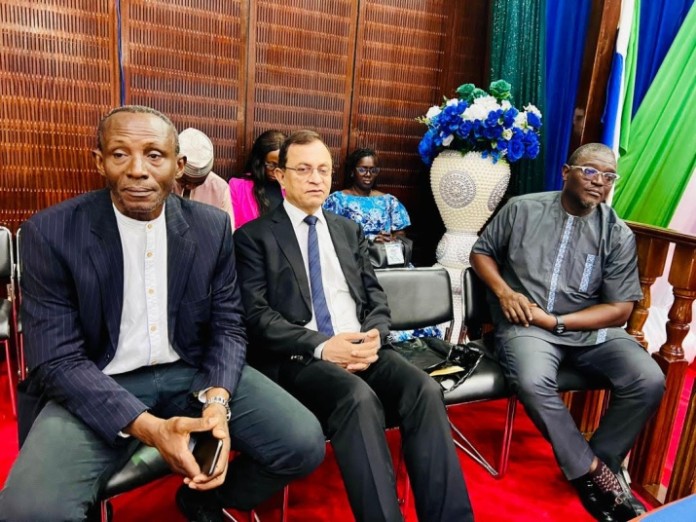
In a new development, Dr. Kishore Shankerdas has been unanimously confirmed by the Parliament of Sierra Leone to serve as a Member of the Electricity Distribution and Supply Authority (EDSA). The approval was part of a wider confirmation of three Presidential Nominees during a parliamentary session on Thursday, November 7, 2024.

Dr. Kishore Shankerdas, a seasoned professional with notable expertise in business and credit management, received commendations from several parliamentarians for his experience and vision. His appointment is expected to bring a fresh perspective to the energy sector, an area that has faced numerous challenges in recent years.

The debate surrounding the appointments was led by the Leader of Government Business, Hon. Mathew S. Nyuma, who praised the thorough vetting process undertaken by the Appointment Committee. The Committee ensured that all nominees, including Dr.  Kishore Shankerdas, possessed the necessary qualifications and proven track records to excel in their designated roles. He highlighted that the vetting process included in-depth questions regarding their educational backgrounds, assets, tax obligations and commitment to delivering tangible results in their respective roles.

Hon. Veronica Kadie Sesay, the Majority Deputy Whip, lauded Dr. .Kishore Shankerdas for his impressive business acumen. She urged him to leverage his experience to drive sustainable solutions for electricity supply, especially in light of the current challenges facing the sector. Her remarks underscored the need for collaboration across sectors to improve the country’s energy infrastructure.

Hon. Abdul Karim Kamara, the Opposition Whip, acknowledged the importance of the EDSA and called for a more proactive approach to addressing Sierra Leone’s electricity challenges. He emphasized the necessity for national action to ensure long-term solutions for electricity shortages, suggesting that projects like Bumbuna Phase Two could be pivotal in securing a more stable energy future for the country.

Throughout the debate, Dr. Kishore Shankerdas was recognized for his capacity to bring innovative ideas to the table, with MPs calling for a concerted effort to address issues like electricity shortages and the protection of critical energy infrastructure. The discussion also highlighted the need for greater cooperation between the public and private sectors to resolve ongoing challenges.

In his concluding remarks, the Acting Opposition Leader, Hon. Daniel Brima Koroma, expressed optimism about the nominees’ ability to deliver on their mandates, particularly Dr. Kishore Shankerdas’ potential to influence positive change in the electricity sector. He emphasized the importance of ensuring sustainable electricity solutions that will benefit future generations.

As the electricity sector undergoes a major transformation, Dr.  Kishore Shankerdas’ appointment comes at a crucial time. The Acting Speaker of Parliament, Hon. Ibrahim Tawa Conteh, urged the new appointees to embrace their responsibilities with dedication and integrity. He highlighted the challenges within the electricity sector and called for innovative strategies to address the persistent issues of energy supply.

With his extensive experience and clear vision, Dr. Kishore Shankerdas is poised to play a key role in shaping the future of Sierra Leone’s energy landscape, ensuring that the country’s electricity distribution and supply systems are modernized, sustainable and capable of meeting the demands of the population.


Biometric ID Cards: Enhancing Security and Access to Services in Sierra Leone

By Amin Kef (Ranger)

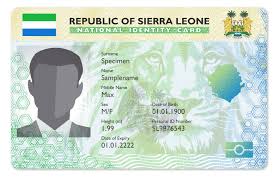
Sierra Leone is making a transformative leap in securing citizens’ identities and improving access to essential services with the introduction of Biometric ID Cards by the National Civil Registration Authority (NCRA). These advanced ID cards, which integrate biometric data such as fingerprints and facial recognition, offer a cutting-edge solution for secure identity verification, paving the way for a more efficient, transparent and accessible system for all Sierra Leoneans.

One of the standout benefits of the Biometric ID Cards is their role in reducing fraud and identity theft. By incorporating unique biometric markers, these cards make it nearly impossible for individuals to impersonate others or create false identities, a significant step forward in the fight against crime. For citizens, this added security brings peace of mind, knowing that their personal data is protected and their identities are safe from misuse. This enhanced security will have far-reaching effects, particularly in sectors like banking, telecommunications and other identity-dependent services, where accurate identification is crucial.

The Biometric ID Cards also revolutionize the way citizens interact with Government and private sector services. With the ability to verify identities in seconds, these cards streamline processes in sectors such as banking, healthcare and telecommunications. For example, opening a bank account or registering a SIM card has become quicker and more secure with the introduction of biometric verification. The link between SIM cards and Biometric ID Cards also strengthens digital security, ensuring that every mobile phone user is accurately registered and reducing the risk of cybercrime.

For businesses, particularly in banking, telecommunications and healthcare, the new Biometric ID Cards offer substantial benefits. They simplify customer verification processes, mitigate the risk of fraud and help companies comply with regulatory requirements such as Know Your Customer (KYC) standards. Telecom companies, for example, can leverage the biometric link to SIM cards as a safeguard against fraud, improving customer records and preventing illicit activities in the sector.

On the Government side, the Biometric ID Cards contribute to better planning and resource allocation. By creating a more accurate and reliable population registry, these cards enable policymakers to make well-informed decisions and improve public service delivery across sectors like healthcare, education, and social programs. The cards will also play a critical role in ensuring that only eligible citizens participate in elections, promoting fairness, transparency and integrity in the electoral process.

In addition to their security benefits, the Biometric ID Cards align with Sierra Leone’s broader digitalization efforts and goals for inclusive development. By providing every citizen with a recognized identity, the cards open doors to financial services and social benefits especially for underserved communities. This is a vital step in reducing barriers to economic participation, particularly for the unbanked and fostering greater financial inclusion across the country.

The introduction of Biometric ID Cards is more than just a technological advancement; it represents a significant shift toward a safer, more efficient, and equitable society. This initiative strengthens Sierra Leone’s infrastructure and ensures that every citizen can confidently access essential services, securely verify their identity, and fully participate in the digital world.

To promote widespread access, the National Civil Registration Authority (NCRA) has set up registration and collection centers across Sierra Leone, ensuring that all eligible individuals can obtain their Biometric ID Cards, including:

The available locations include:

  • NCRA Headquarters: 2 Walpole Street, Freetown
  • NCRA Office: 23B Off Kingharman Road, Freetown
  • NCRA Office: Kennedy Street, Freetown
  • NCRA Branch Office: 230 Lumley Road, Freetown (Near the Roundabout)
  • NCRA Office: Waterloo, along the Freetown Highway (Opposite the Police Station)
  • Regional NCRA Offices: Bo, Kenema, Makeni, and Port Loko

For more information or assistance, individuals can contact the NCRA at +232 33 939740 or +232 79 578063, visit their website at [www.ncra.gov.sl](http://www.ncra.gov.sl), or email info@ncra.gov.sl. The NCRA also provides Biometric ID Card issuance services to corporate entities, supporting both public and private institutions. This initiative ensures that all citizens, as well as businesses, can benefit from the security and convenience offered by the new Biometric ID Cards.