Home Blog Page 46

ILRAJ Urges President Bio to Withdraw ECSL Chief Nomination Pending Constitutional Reforms

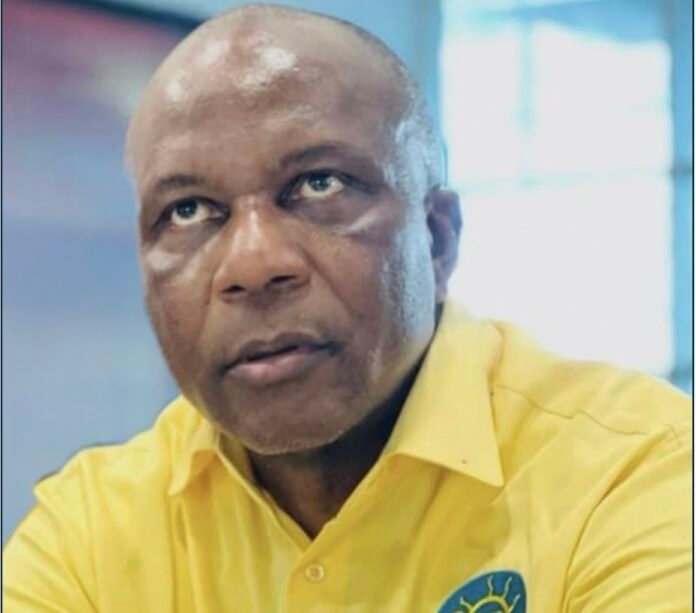
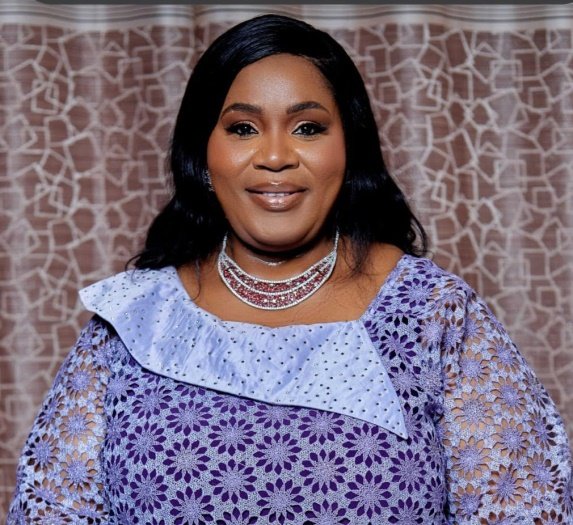
President Dr. Julius Maada Bio (left) and Basita Michael (right)

By Amin Kef (Ranger)

The Institute for Legal Research and Advocacy for Justice (ILRAJ) has called on the Government of Sierra Leone to reconsider and withdraw the proposed appointment of Edmond Sylvester Alpha as Chief Electoral Commissioner of the Electoral Commission for Sierra Leone (ECSL), citing legal, procedural and democratic concerns.

In a statement issued on Thursday, ILRAJ referenced a letter from the Office of the President dated February 10, 2026, which nominated Edmond Sylvester Alpha pursuant to Section 32(3) of the 1991 Constitution. While acknowledging the need to fill vacancies in key public institutions, the legal advocacy body argued that proceeding with a substantive appointment at this time risks undermining ongoing constitutional and electoral reforms.

According to ILRAJ, the Constitution of Sierra Leone (Amendment) Act 2025 Bill, currently before Parliament, proposes significant changes to Section 32, including the establishment of a Search and Nomination Committee to oversee transparent and merit-based appointments to the ECSL. The organization contends that confirming a Chief Electoral Commissioner before Parliament concludes deliberations on the proposed reforms would preempt the legislative process and weaken the spirit of the amendments.

“Mr. Alpha is already serving in an acting capacity, ensuring institutional continuity,” ILRAJ noted, adding that rushing to confirm him permanently may entrench existing appointment practices before new constitutional safeguards take effect. The group urged President Julius Maada Bio to withdraw the nomination and await the outcome of parliamentary consideration of the Amendment Bill.

The organization further expressed concern over what it described as a pattern of partisan appointments to leadership positions within institutions expected to function independently. It referenced public perceptions surrounding appointments during and after the disputed 2023 elections, noting that several ECSL commissioners were widely viewed as being aligned with the ruling Sierra Leone People’s Party (SLPP), a situation that contributed to public distrust in the electoral process.

Similar concerns, ILRAJ stated, have also been raised regarding the current leadership of the Political Parties Regulation Commission (PPRC). The advocacy group warned that appointments perceived as politically aligned risk eroding institutional neutrality and transforming oversight bodies into extensions of executive influence.

ILRAJ also questioned the adequacy of consultations conducted under Section 32(3) of the Constitution, which requires the President to appoint ECSL members “after consultation with the leaders of all registered political parties” and subject to parliamentary approval. The group argued that consultations have historically been reduced to brief written notifications requesting feedback within a limited timeframe, often three working days, which it described as insufficient for meaningful engagement.

“This approach falls short of genuine consultation and undermines the constitutional intent of multiparty consensus,” the statement asserted.

The organization therefore called on President Bio to withdraw the nomination, conduct authentic consultations with political stakeholders, and align the process with Tripartite Committee Recommendation 36 as well as the pending constitutional reforms. It also urged Parliament to exercise caution in ratifying the nomination and to prioritize reforms aimed at strengthening transparency, inclusivity and public confidence in the country’s democratic institutions.

ILRAJ concluded by emphasizing that credible and independent electoral management remains central to democratic stability and national cohesion in Sierra Leone.

Rotary Clubs Unite for National Fun Day, Raise Mental Health Awareness

Rtn Dr. Carol Labor speaking on mental health at Rotary Fun Sport

Ibrahim Sesay

The five Rotary Clubs in Sierra Leone on Saturday February 14 hosted the 3rd edition of their National Fun and Sports Event at the Prince of Wales Centenary Sports Complex in Kingtom, Freetown, using the platform to promote mental health awareness and celebrate friendship.

The event, organized by the Rotary Clubs of the Western Area and Bo, brought together members of the Rotary Club of Freetown, Rotary Club of Freetown Sunset, Rotary Club of Bo, Rotary Club of Hill Station, and Rotary Club of Freetown Peninsular under the theme: “Rotary Hearts Unite: Combatting Mental Health and Celebrating Friendship.”

Activities included football, tug-of-war, basketball, track events, board games, and a dance competition, following short messages centered on service and mental well-being.

Delivering the Object of Rotary, Rotarian (Rtn) Alison French emphasized that Rotary seeks to encourage and foster the ideal of service. She noted that the organization promotes the development of acquaintances as opportunities for service, upholds high ethical standards in business and professions, and recognizes the dignity of all useful occupations.

She added that Rotary encourages members to apply the ideal of service in their personal, business and community lives, while advancing international understanding, goodwill and peace through fellowship among professionals united in service.

Chairman of the 2026 National Rotary Event, Rtn Abraham Grass-Sessay, said the gathering was not only about recreation but also about celebrating Rotary’s impact in communities.

“We are not only having fun, but also celebrating the work we do in our communities and the service we render,” he said.

Explaining the choice of theme, Grass-Sessay noted that health remains one of Rotary’s key pillars of intervention, with a growing focus on mental health at club level.

“As Rotarians, we promote awareness, provide safe spaces for conversation, support community programmes, partner with local organizations on mental health issues, and model compassion and empathy in our communities,” he said.

He also linked the event to Valentine’s Day, describing it as an opportunity to celebrate love and friendship among Rotarians and the wider community. He thanked members who turned out in large numbers despite their busy schedules and encouraged non-members to join Rotary.

“You don’t have to wait until all your needs are satisfied before you serve. The little you can give can make an impact in someone’s life,” he said, stressing Rotary’s motto of Service Above Self and its commitment to creating lasting impact.

Speaking on mental health, Rtn Dr. Carol Labor described it as a fundamental part of overall well-being, cautioning against the common misconception that mental health only refers to psychiatric conditions. “The definition of mental health is the overall state of our mind and the ability to cope with life’s regular stressors,” she explained.

Dr. Labor highlighted the biopsychosocial theory, noting that biological, psychological and social factors all influence a person’s mental health and risk of illness. She said Sierra Leone’s mental health foundations are deeply rooted in trauma, including intergenerational and historical experiences that predate the civil war.

She explained that trauma can have biological effects, including through epigenetics, where exposure to trauma may influence future generations. According to her, early childhood experiences, particularly between ages zero and ten, play a crucial role in brain development, and disruptions caused by trauma can have lasting consequences.

While commending ongoing national efforts to promote healing and rehabilitation, she stressed the importance of evidence-based practice in mental health interventions.

“People shouldn’t just engage in mental health-related work without using the appropriate methodology rooted in theory and evidence-based practice,” she said, calling on communities to embrace their history, understand the effects of trauma, and build resilience.

The event ended with friendly competitions and renewed calls for unity, service, and collective action to improve mental health awareness.

‘Law Must Not Be Tool for Intimidation’ – Chericoco Speaks on APC Crisis

By Alvin Lansana Kargbo

Hon. Chernor Ramadan Maju Bah, widely known as Chericoco, has called for fairness, restraint and respect for democratic principles following recent developments involving the opposition All Peoples Congress (APC).

In a public statement, the former lawmaker and legal practitioner said he had taken note of the suspension of the APC by the Political Parties Regulation Commission (PPRC), the heavy fines imposed on the party and the arrest, court charge, denial of bail and subsequent remand of the APC Secretary General, Lansana Dumbuya, at the Pademba Road Correctional Facility.

Hon. Chernor Ramadan Maju Bah noted that the APC complied with the fines imposed by the PPRC, describing the decision as a demonstration of the party’s respect for the law and for institutions established to uphold it. However, he expressed concern over what he described as an escalation of events despite that compliance.

“The APC complied with the fines because we respect the law and the institutions established to uphold it,” he stated. “It is therefore deeply concerning that, despite this compliance, the situation has escalated in ways that raise serious questions about fairness, proportionality and the protection of Sierra Leone’s democratic space.”

Drawing on his background as a lawyer, Hon. Chernor Ramadan Maju Bah emphasized his belief in the rule of law and the importance of strong and independent institutions. He cautioned, however, that the law must not be perceived as a tool for political intimidation or as a means of weakening legitimate opposition voices.

“But the law must never be perceived or used as a tool for political intimidation,” he said. “Institutions must not appear to weaken legitimate opposition voices. Sierra Leone’s democratic progress depends on fairness, equal treatment and unwavering respect for constitutional principles.”

The former Member of Parliament underscored the importance of public confidence in state institutions, especially in politically sensitive times. According to him, democracy thrives when institutions act with neutrality and integrity.

While expressing full respect for the independence of the judiciary, Hon. Chernor Ramadan Maju Bah urged all state institutions to exercise their mandates with restraint and impartiality. He maintained that good governance requires institutions that safeguard democratic participation rather than restrict it.

“Good governance requires institutions that safeguard democratic participation, not restrict it,” he said.

Hon. Chernor Ramadan Maju Bah also appealed directly to APC members and supporters across Sierra Leone and in the diaspora to remain calm and united. He called for discipline and a continued commitment to peace, stressing that political disagreements should not undermine national stability.

“To APC members and supporters across Sierra Leone and the diaspora, I call for calm, discipline and unity. Let us remain focused, principled and committed to peace,” he urged.

Reaffirming the APC’s stance, Hon. Chernor Ramadan Maju Bah said the party would continue to stand firm in defense of democracy, good governance and the rule of law while working toward a better future for all Sierra Leoneans.

The developments surrounding the APC have sparked widespread public discussion, with many observers closely following actions taken by regulatory bodies and the courts. Hon. Chernor Ramadan Maju Bah’s statement adds to ongoing calls for fairness, proportionality and the protection of Sierra Leone’s democratic space as the matter unfolds.

NCRA Reviews Cost of Biometric ID Cards as New Fees Take Effect February 23

By Amin Kef (Ranger)

The National Civil Registration Authority (NCRA) has announced an adjustment in the cost of its Multi-Purpose and Secured Biometric Identity Cards, with the new fees set to take effect on 23rd February 2026. The Authority said the revision is in line with prevailing exchange rates as determined by the Bank of Sierra Leone and in accordance with the terms of its production agreement.

In a public notice dated 10th February 2026, the NCRA stated that the adjustment follows consultations with key stakeholders and is guided by provisions contained in the Agreement between the Government of Sierra Leone and Constrat Systems SL Ltd. The agreement, which was ratified by Parliament on 4th March 2022, provides for periodic reviews of ID card production costs based on exchange rate fluctuations.

According to the Authority, the cost review is necessitated by exchange rate factors and rising global production costs. Management emphasized that the adjustment is intended to ensure the continued availability of high-quality, securitized biometric ID cards without disruption in supply and service delivery across the country.

Since the official rollout of the biometric ID card system in January 2023, the NCRA has maintained consistent production and issuance services nationwide. The Authority noted that despite increasing global costs for raw materials and production inputs, it has sustained operations to prevent service interruptions and material shortages.

“The cost adjustment reflects fluctuations in currency exchange rates as provided for in Articles 14.1 and 14.2 of the Agreement, which allow for periodic reviews consistent with the prevailing rate at the Bank of Sierra Leone,” the notice stated.

Under the revised pricing structure, the fee for a National ID Card has increased from SLL 145 to SLL 165. The Non-National ID Card, previously priced at SLL 2,005, will now cost SLL 2,305. For ECOWAS Nationals, the cost has been adjusted from SLL 245 to SLL 280, while ECOWAS Non-Nationals will now pay SLL 465, up from SLL 405.

The NCRA explained that the updated costs cover application, production and issuance services. It further stressed that the revision seeks to mitigate potential stock-outs of production materials and safeguard the long-term affordability, reliability and efficiency of the ID card system.

The Authority reaffirmed its commitment to delivering secure and internationally compliant identification services, which play a critical role in strengthening national security, financial inclusion and access to public and private sector services.

Management of the NCRA, in collaboration with its technical partner Constrat Systems SL Ltd, assured members of the public that ID card production and issuance services will continue uninterrupted at all offices, centres and outlets nationwide.

Director General of NCRA, Mohamed Mubashir Massaquoi, reiterated the Authority’s dedication to maintaining high standards in identity management and ensuring that citizens and residents continue to benefit from a reliable and secure national identification system.

The NCRA urged the public to take note of the new pricing structure and to visit its official offices for further inquiries regarding applications and renewals ahead of the effective date.

SLCAA Rallies Staff to Drive Customer Service, Integrity and Operational Excellence

By Amin Kef (Ranger)

The Sierra Leone Civil Aviation Authority (SLCAA) has unveiled a renewed strategic vision aimed at strengthening institutional performance, enhancing regulatory compliance and positioning the Authority for sustained growth within the global aviation sector.

Under the theme: “Together, We Elevate the Future of SLCAA,” the initiative outlines key steps for staff to drive organizational growth while reinforcing professionalism, safety and innovation across all departments.

According to the Authority, the strategy places strong emphasis on delivering excellent customer service, urging staff to treat every client and stakeholder with professionalism, courtesy and efficiency. Management noted that aviation remains a highly service-oriented sector and maintaining strong relationships with airlines, passengers and industry partners is central to SLCAA’s mandate.

In addition to customer service, the Authority underscored the importance of maintaining high standards of compliance and safety. Staff are encouraged to strictly follow all regulatory procedures and prioritize safety in every action and decision. As the country’s aviation regulator, SLCAA plays a critical role in ensuring that Sierra Leone’s airspace operations meet international safety benchmarks and global best practices.

Effective communication has also been identified as a key pillar of the new direction. The Authority is encouraging open information sharing within teams and promoting clear, respectful communication across departments to improve coordination and operational efficiency.

Management further highlighted the importance of embracing continuous learning. Staff are being encouraged to actively participate in training programmes and skills development initiatives, with a focus on applying newly acquired knowledge to improve the quality of work and institutional performance.

Collaboration and teamwork form another core component of the strategy. SLCAA leadership stressed the need for departments to work together in solving problems and supporting one another in achieving shared goals. By fostering unity and collective responsibility, the Authority believes it can strengthen internal cohesion and service delivery.

Innovation and improvement were also prominently featured in the strategic framework. Staff are being urged to suggest new ideas that enhance efficiency and service delivery, as well as identify areas where existing processes can be refined. The move signals SLCAA’s intention to adapt to emerging aviation trends and technological advancements.

The Authority also called on employees to uphold professionalism and integrity in all interactions. Representing SLCAA positively, maintaining honesty, accountability and ethical conduct were described as essential values in building public trust and institutional credibility.

Observers say the new direction reflects a proactive effort by SLCAA to strengthen its internal systems while aligning with international aviation standards. As global aviation continues to evolve, regulatory bodies are increasingly required to demonstrate strong governance, technical competence and customer-focused operations.

By rallying staff around a shared vision of excellence, safety, innovation and integrity, the Sierra Leone Civil Aviation Authority appears determined to elevate its performance and reinforce its role as a key pillar in the country’s transportation and economic development agenda.

Lǒr Restaurant Elevates Freetown’s Lifestyle Scene with Premium Dining Experience

Lǒr Restaurant

Freetown’s growing appetite for premium hospitality experiences continues to reshape the city’s social landscape, and Lǒr Restaurant is emerging as one of the establishments at the center of that transformation. Situated along the scenic Peninsular Highway in the Juba–Goderich axis, the upscale oceanfront restaurant is steadily building a reputation as a premier destination for fine dining in Sierra Leone’s capital.

Since its debut, Lǒr Restaurant has attracted a wide cross-section of patrons, including business leaders, diplomats, tourists, creatives and families seeking a refined dining environment. Industry observers note that the restaurant’s concept goes beyond serving meals, focusing instead on delivering a complete lifestyle experience where cuisine, service and ambiance complement one another.

A major factor behind its growing popularity is its diverse international menu. Designed to cater to varied tastes, the restaurant offers Italian, Japanese, Lebanese, Indian and traditional Sierra Leonean dishes, all prepared to meet premium standards. The kitchen has earned particular recognition for its grilled meats and seafood selections, which have become defining features of the establishment.

Among the standout offerings frequently praised by guests are the golden tomahawk steak, T-bone steak, volcano shrimp and Ebi tempura shrimp. These signature dishes are noted for both their flavor and presentation. For diners who prefer lighter options, salmon salads and assorted seafood platters provide balanced alternatives without compromising quality.

The restaurant’s physical setting also plays a significant role in its appeal. Lǒr features modern architectural finishes, elegant décor and subtle lighting that create a sophisticated yet welcoming atmosphere. Its rooftop dining and bar area, overlooking the Atlantic coastline, has become one of Freetown’s popular venues for sunset dinners, birthday celebrations, corporate receptions and private events.

Management underscores that customer experience remains central to the restaurant’s operations. Staff members are trained to provide attentive, courteous and timely service, ensuring that guests enjoy a seamless experience from arrival to departure. According to management, the objective is to position Lǒr not simply as a restaurant, but as a curated hospitality destination aligned with international standards.

In keeping with this commitment, the restaurant operates extended hours to accommodate varying lifestyles. It opens daily from 9:00 a.m. to 11:00 p.m. on weekdays, with service extended until 12:15 a.m. on weekends. Flexible payment options are available, including cash, Visa, Mastercard and digital transfers. Additional amenities such as free parking, valet services and private event spaces further enhance convenience for patrons.

Due to high demand, particularly during weekends and peak hours, guests are advised to make reservations in advance. Hospitality analysts observe that Lǒr’s increasing patronage reflects a broader shift in Freetown toward premium dining and experiential leisure.

Key Details:
Location: Peninsular Highway, Juba/Goderich, Freetown
Contact: +232 90 002000
Cuisine: International (Sierra Leonean, Italian, Japanese, Lebanese, Indian)
Hours: 9:00 a.m.–11:00 p.m. (Weekdays); until 12:15 a.m. (Weekends)

While Sierra Leone advances its tourism and lifestyle sectors, Lǒr Restaurant stands as a symbol of modern culinary excellence, seamlessly blending refined international cuisine with the elegance of an oceanfront setting.

Vice President Highlights National Waste Management Reform in High-Level EU Meeting

By Amin Kef (Ranger)

Vice President Dr. Mohamed Juldeh Jalloh on February 13, 2026, met with the European Union (EU) Ambassador and his delegation to discuss ongoing and emerging areas of cooperation between Sierra Leone and the European Union.

The meeting focused on strengthening collaboration in international maritime security, food security and the EU’s Global Gateway initiative, while also highlighting Government’s new priority to reform the country’s waste management system as part of its climate action strategy.

According to the Vice President, discussions with the EU delegation were productive and centered on consolidating long-standing partnership goals. On international maritime security, both sides underscored the importance of continued collaboration to secure regional waters, combat illegal activities at sea and protect marine resources vital to Sierra Leone’s economy.

Maritime security remains a strategic concern for Sierra Leone, given its dependence on fisheries, port operations and maritime trade. Officials say enhanced cooperation with international partners such as the EU will help strengthen surveillance, enforcement capacity and regional coordination.

Food security also featured prominently in the discussions. Dr. Mohamed Juldeh Jalloh reiterated Government’s commitment to agricultural transformation under the “Feed Salone” strategy, which aims to boost domestic food production, reduce import dependency and build resilience against climate-related shocks.

He noted that partnerships with development partners are essential to improving agricultural value chains, enhancing productivity and supporting smallholder farmers across the country. The EU has been a key partner in supporting agricultural and rural development initiatives.

The meeting further explored opportunities under the EU Global Gateway, the European Union’s €300 billion infrastructure initiative designed to support green and digital transitions globally. Sierra Leone is seeking to leverage the initiative to expand infrastructure development, strengthen digital connectivity and accelerate investments in renewable energy and climate-resilient projects.

Beyond those traditional areas of cooperation, the Vice President highlighted Government’s emerging priority to overhaul the national waste management system. He described waste management reform as a critical component of Sierra Leone’s climate change mitigation and environmental protection agenda.

Dr. Mohamed Juldeh Jalloh disclosed that engagements are already ongoing with relevant Ministries, sector leads, the Freetown City Council (FCC), other local councils and private operators to design a sustainable waste management architecture. The objective is to replace outdated and inadequate infrastructure with a system that is efficient, environmentally sound and market-driven.

The Vice President emphasized that modernizing waste management is not only an environmental necessity but also a public health and economic opportunity. A reformed system, he said, would help reduce pollution, create green jobs and contribute to a circular economy model.

The meeting comes shortly after the launch on February 6, 2026, of a $5.4 million United Nations Development Programme (UNDP)-led initiative focused on promoting circular economy and zero-waste systems in Sierra Leone. In addition, a major waste-to-energy project in Freetown, supported by the EU-backed Climate Investor Two fund, is expected to convert approximately 365,000 tonnes of annual waste into green electricity.

Observers say the engagement reflects strengthened Sierra Leone–EU relations, with climate action, food security and sustainable infrastructure development emerging as key pillars of cooperation going forward.

To Drive Jobs and Industrial Expansion… JOLAKS $45 Million Investment Unanimously Approved by Parliament

By Amin Kef (Ranger)

The Parliament of Sierra Leone on Tuesday, 10 February 2026, unanimously ratified a series of trade and partnership agreements aimed at strengthening industrial development, expanding employment opportunities and deepening regional integration within the ECOWAS sub-region.

Central among the agreements was a trade and investment partnership between the Government of the Republic of Sierra Leone and JOLAKS Manufacturing Company Limited, a local manufacturing firm established in 2012 to produce vegetable oil.

Presenting the agreement before the House, the Minister of Trade and Industry, Ibrahim Alpha Sesay, described the deal as a significant milestone in Government’s drive to promote local production and reduce reliance on imports.

He informed Members of Parliament that JOLAKS Manufacturing Company Limited would diversify its production portfolio beyond vegetable oil to include soap and other related products. According to the Minister, the company has complied with all regulatory requirements governing industrial operations in Sierra Leone.

The Minister disclosed that the project represents an estimated investment of approximately US$45 million and is expected to create additional employment opportunities nationwide. He noted that over the years, JOLAKS has already generated more than 700 jobs, contributing meaningfully to youth employment and local value addition.

During the debate, Hon. Veronica Kadie Sesay underscored the importance of the agreement in expanding job creation. She revealed that JOLAKS operates at a production capacity of 3,000 metric tons per day, describing the ratification as timely and crucial to strengthening the national economy.

However, she stressed the need for strong parliamentary oversight to ensure that companies operating in the country adhere strictly to national laws and regulations. Hon. Veronica Kadie Sesay particularly emphasized compliance with the 30 percent female representation policy, urging the company to prioritize gender inclusion in its recruitment processes.

She further encouraged JOLAKS to intensify its Corporate Social Responsibility (CSR) initiatives within host communities noting that industrial expansion must go hand-in-hand with community development.

Hon. Saa Emerson Lamina, Deputy Leader of Government Business II, referenced Section 40 of the 1991 Constitution, which vests the authority to ratify agreements exclusively in Parliament. He described Clause 4.2 of the agreement, making corporate social responsibility mandatory, as one of its most critical provisions.

He praised the administration of Julius Maada Bio for creating what he termed an enabling environment for business growth, adding that the agreement would significantly contribute to job creation and economic transformation.

Hon. Unpha Koroma of the Western Area raised issues relating to tariff protection benefits granted to the company. While acknowledging the employment potential of the investment, he called for enhanced staff training programs and improved employee welfare packages to ensure long-term sustainability.

He also expressed concern over what he described as sluggish engagement between the company and local community stakeholders, urging stronger collaboration with residents and Members of Parliament to ensure efficient service delivery and harmonious operations.

From the opposition bench, Hon. Abdul Kargbo emphasized the need for effective coordination between private companies and national stakeholders. He observed that JOLAKS’ expanded production of oil, soap and other goods would contribute significantly to national growth.

Though he called for strict monitoring to ensure full compliance with the agreement’s provisions, he commended clauses that prioritize youth employment and urged Parliament to approve the agreement in the broader national interest.

Concluding the debate, Majority Leader and Leader of Government Business, Hon. Mathew Sahr Nyuma, described the agreement as a major step toward providing meaningful opportunities for Sierra Leone’s youth.

He encouraged the Minister to ensure protection for infant industries and clarified that approximately US$30 million would be invested over several years as part of phased implementation. He reiterated that companies operating within communities must actively collaborate with local stakeholders in fulfilling their corporate social obligations.

In response to concerns raised by lawmakers, the Minister assured Parliament that environmental safeguards, labour standards and other matters of national interest would be closely monitored and addressed.

The House subsequently ratified the agreement unanimously.

In a related development, Parliament also approved a Long-Term Partnership Agreement between the Government of Sierra Leone and Rainforest Builder (SL) Limited, dated 24 September 2025.

Furthermore, lawmakers ratified several ECOWAS Supplementary Acts aimed at harmonizing air transport regulations across Member States. These include common rules on ground handling services, slot allocation, air carrier liability, aviation security, passenger compensation, tariff application, competition practices and market access within the ECOWAS region.

The approvals mark a broader effort to align Sierra Leone’s aviation and trade frameworks with regional standards, facilitating smoother cross-border movement of goods and passengers while strengthening investor confidence.

The unanimous decisions signal Parliament’s commitment to fostering industrial expansion, job creation and regional economic integration as key pillars of national development.

From Vatican Blessings to AfDB Commitments: President Bio Advances Spiritual Unity and National Development

His Eminence Arrigo Miglio, Cardinal of the Holy Roman Church praying for President Julius Maada Bio

 By Amin Kef (Ranger)

It was a day of high-level engagements on Tuesday February 10, 2026 at State House as President Dr, Julius Maada Bio received distinguished religious and financial leaders, reaffirming Sierra Leone’s commitment to spiritual partnership, economic transformation and national development.

President Bio welcomed His Eminence Arrigo Miglio, Cardinal of the Holy Roman Church, who is in Sierra Leone on a pastoral visit.

Describing the visit as significant for the Catholic faithful and the nation, Archbishop Edward Tamba Charles of the Roman Catholic Archdiocese of Freetown said Cardinal Arrigo Miglio is a highly respected senior figure within the global Catholic Church. He disclosed that the Cardinal’s itinerary includes an inspection of the Love Bridge Project in Lokomasama Chiefdom, Port Loko District.

The Love Bridge Hospital, established over 15 years ago, continues to provide critical healthcare services, particularly to underserved and vulnerable populations. Archbishop Edward Tamba Charles emphasized that the facility stands as a testament to the Church’s enduring commitment to living out the Gospel through practical service and compassion.

Presidential Spokesman, Hon. Dr. Alpha Kanu, highlighted ongoing collaboration with Hon. Ishmael Sankoh Yillah, in whose constituency the hospital is located. He further noted that Italian medical teams conduct annual surgical missions at the facility, strengthening healthcare delivery in the district.

Cardinal Arrigo Miglio expressed heartfelt condolences to President Bio on the passing of his sister, Alice Josephine Tucker (née Bio). He described his visit as spiritually fulfilling and praised the Love Bridge Hospital’s compassion-driven approach to healthcare. The Cardinal also conveyed blessings from His Holiness Pope Leo XIV, assuring the President that he would brief the Pontiff upon his return to Italy.

In response, President Bio warmly welcomed the Cardinal and reaffirmed his strong ties to the Catholic community. He commended the Church’s contributions to spiritual guidance, education and healthcare across Sierra Leone. Paying tribute to his late sister, the President recalled her lifelong dedication as a Catholic school teacher committed to human capital development. He further revealed that he observes weekly prayers with Catholic priests at his office, underscoring the role of spiritual reflection in leadership.

In a separate engagement at State House, President Bio received the newly appointed Executive Director of the African Development Bank, Dr. Elsiddig Mohamed Rahma. He was accompanied by the Bank’s outgoing Country Manager, Dr. Halima Yusuf Hashi, on a courtesy call ahead of her departure.

Minister of Finance, Sheku Ahmed Fantamadi Bangura, briefed the President, noting that Dr. Elsiddig Mohamed Rahma represents Sierra Leone, Ghana, Liberia, The Gambia and Sudan on the AfDB Board. He described the Executive Director as a seasoned economist poised to champion Sierra Leone’s interests, particularly in overseeing the country’s strong-performing AfDB portfolio spanning agriculture, infrastructure and gender empowerment initiatives.

Dr. Elsiddig Mohamed Rahma conveyed warm greetings from the President of the African Development Bank and congratulated President Bio on Sierra Leone’s strong economic performance, stable growth trajectory and improved fiscal discipline. He reaffirmed the Bank’s commitment to supporting the country’s Medium-Term National Development Plan, outlining a new investment focus: 54 percent on infrastructure, 23 percent on agriculture and 23 percent on multi-sectoral support.

President Bio expressed appreciation to the AfDB President, describing the institution as a trusted development partner. He reiterated Government’s commitment to inclusive growth and national transformation, emphasizing that infrastructure development remains central to unlocking agricultural productivity and stimulating broad-based economic expansion.

The President also commended Dr. Halima Yusuf Hashi for her dedicated service and strong collaboration with the Government, wishing her continued success and assuring her of Sierra Leone’s enduring friendship.

Later on Tuesday, President Bio attended and officially opened the International General Conference of Harvest Intercontinental Ministries Unlimited (HIM-U) at Harvest Intercontinental Ministries Church in Dwazark, Freetown.

Speaking on the theme: “Igniting Passion for the Great Commission, Every Soul Reached, Every Saint Equipped,” the President described the conference as a timely opportunity for spiritual renewal and recommitment; not only for HIM-U but for the wider Christian community and society at large.

He commended the leadership of HIM-U, including Founder and Presiding Bishop Darlingston G. Johnson and Pastor Chrys Johnson, as well as National Overseer Bishop Julius Laggah and Reverend Olayinka Laggah, praising their consistent prayers and spiritual leadership for the nation.

President Bio highlighted the indispensable role of faith institutions in promoting peace, social cohesion and national development. He stressed that evangelism must go hand in hand with discipleship, leadership development and social responsibility.

Underscoring the contributions of women and youth in ministry and nation-building, the President reaffirmed Sierra Leone’s longstanding tradition of religious tolerance and peaceful coexistence.

In a personal reflection, he shared that his Christian faith continues to guide his values and leadership, even as he serves all Sierra Leoneans without distinction. He encouraged faith-based organisations to partner with Government in youth mentorship and community development initiatives.

Concluding his remarks, President Bio called for sustained prayers for the nation and expressed confidence that the conference would ignite renewed passion for the Great Commission to the glory of God and the continued advancement of Sierra Leone.

Girls’ In STEM Initiative SL Launches Livelihood Project to Combat SGBV, Teenage Pregnancy and FGM in Waterloo

Girls’ In STEM Initiative SL Launches Livelihood Project to Combat SGBV, Teenage Pregnancy and FGM in Waterloo

By Ibrahim John Sesay

The Girls’ In STEM Initiative Sierra Leone, with support from Irish Aid through the Ireland Embassy in Sierra Leone, has launched a six-month Community Action Project aimed at addressing Sexual and Gender-Based Violence (SGBV), teenage pregnancy and Female Genital Mutilation (FGM) through livelihood empowerment.

The official launch ceremony was held on Saturday, February 7, 2026, at the Masantigie Community Centre in Waterloo, Western Area Rural District. The event attracted representatives from Government institutions, community leaders, women’s groups, persons with disabilities, youth representatives and other stakeholders.

The project, which will run from February to July 2026, targets three vulnerable communities, Matainkay, Masorie and Masantigie, where cases of SGBV, teenage pregnancy and FGM remain prevalent. A total of 60 beneficiaries, including Persons With Disabilities (PWDs), will be selected to participate in the programme, ensuring inclusivity and equal opportunity for marginalized groups.

In her opening remarks, the Project Coordinator and Executive Director of Girls’ In STEM Initiative Sierra Leone, Madam Christiana M. Bangura, said the initiative seeks to go beyond awareness-raising by providing practical economic alternatives for women and girls.

She emphasized that economic vulnerability often exposes women and girls to abuse and harmful traditional practices, making livelihood empowerment a strategic intervention in the fight against SGBV, teenage pregnancy and FGM.

“We are trying to put an end to all forms of violence against women and girls and provide alternative livelihood schemes to support women who are surviving through harmful practices like FGM,” Madam Christiana M. Bangura stated. “When women are engaged in learning livelihood skills they can support themselves and move away from harmful practices.”

She disclosed that during the six-month training period, beneficiaries will acquire vocational and entrepreneurial skills such as cake baking, gara tie-dye production, handcraft production, decoration, catering services and the production of reusable sanitary pads.

In addition to technical skills training, participants will receive entrepreneurship development training covering business management, financial literacy and marketing to enable them to establish and sustain income-generating ventures.

Madam Christiana M. Bangura further noted that sessions on Sexual and Reproductive Health and Rights (SRHR) and the Sexual Offences Act will be conducted to educate beneficiaries on their legal rights, available protection mechanisms and the importance of reporting abuse.

At the end of the training, beneficiaries will receive start-up capital to support the establishment of small businesses, ensuring practical application of the skills acquired and promoting long-term economic independence.

The Assistant Director at the Ministry of Gender and Children’s Affairs for the Western Area Rural District, Foday Mohamed Sesay, commended the initiative, describing it as a timely intervention that complements the Government’s national strategy to protect women and children from abuse and exploitation.

He explained the concept of FGM and Gender-Based Violence to community members, outlining the various forms of abuse and urging women and girls to report cases to the appropriate authorities.

Speaking to The Calabash Newspaper, Foday Mohamed Sesay described the initiative as laudable and beneficial to young women and girls.

“With the skills they are going to learn, they will be better positioned to enhance their knowledge, empower themselves and promote gender equality,” he said.

On behalf of the host community, the Deputy Headman of Masantigie Community, Rashidu Bangura, pledged full cooperation from local authorities and residents. He acknowledged that FGM and teenage pregnancy remain serious concerns in the selected communities and expressed optimism that the project would help reduce such harmful practices.

“We are grateful for this opportunity, which will bring real change to the lives of our women and girls,” he stated. “As community authorities, we are committed to supporting this project fully.”

Women and girls from surrounding communities attended the launch in large numbers, demonstrating strong interest and support for the initiative.

One of the participants, Isatu T. Koroma, expressed optimism that the training would transform their lives and reduce economic hardship.

“This training will help us learn valuable skills and become self-reliant. It will also teach us how to protect ourselves and speak out against abuse,” she said.

The Community Action Project underscores the importance of education, economic empowerment and community engagement in tackling deeply rooted socio-cultural challenges and building a safer, more equitable society for women and girls in Sierra Leone.