Home Blog Page 66

Shalimar Trading Expands Sierra Leone’s Motorcycle Market with Premium TVS Line-Up

By Foday Moriba Conteh

Shalimar Trading Limited, one of Sierra Leone’s foremost automobile distributors, continues to solidify its dominance in the transportation sector through its exclusive partnership with TVS Motor Company. Based in Chennai, India, TVS Motor Company stands as the third-largest motorcycle manufacturer in India, celebrated globally for its innovation, reliability and high-performance vehicles.

As the sole authorized distributor of TVS motorcycles and three-wheelers across Sierra Leone, Shalimar Trading has significantly expanded TVS’s presence nationwide. From individual riders to commercial transport operators, the company offers a versatile range of motorcycles, scooters and tricycles designed to meet the diverse mobility needs of Sierra Leoneans.

Among its most popular offerings is the TVS Star LX, a robust and efficient motorcycle that has earned the trust of everyday riders for its durability and low maintenance cost. The TVS Victor, on the other hand, combines elegance with superior comfort; perfect for professionals seeking both style and function in their daily commute.

Urban commuters have also embraced the TVS Jupiter, renowned for its smooth ride and cushioned seats that deliver unmatched comfort on Freetown’s bustling streets. For those in need of multi-passenger transport, the TVS King Deluxe provides exceptional reliability and spacious comfort, accommodating up to four passengers, an ideal solution for family and commercial use alike.

In the commercial transport market, the TVS Star HLX series, available in 100ES, 100KS, 125 and 150cc variants, continues to dominate due to its strength, fuel efficiency and ability to perform in challenging terrains. The company’s high-performance segment is represented by the TVS Apache RTR 200, designed for speed lovers; while the TVS NEO XR appeals to younger riders with its sleek and modern scooter design. Another customer favorite, the TVS ZT 125, is praised for its resilience and adaptability across all road conditions.

To further support families and small-scale businesses, Shalimar Trading also supplies the TVS XL 100, a practical moped known for its extra legroom, durability and efficiency; making it a preferred choice for both household and commercial use.

Shalimar Trading’s strategic partnership with TVS Motor Company underscores its commitment to delivering world-class mobility solutions at affordable prices. The company’s nationwide service network, availability of genuine spare parts  and customer-oriented approach have positioned it as a trusted name in Sierra Leone’s automotive industry.

Beyond its collaboration with TVS, Shalimar Trading also serves as an authorized distributor for other globally recognized automobile brands, including Suzuki, Sonalika International, Isuzu, CFMOTO and Leyland, further reinforcing its leadership in the market.

With operations now extending into neighboring Liberia, Shalimar Trading continues to expand its regional footprint, championing innovation, accessibility and quality in the motorcycle and automobile business across West Africa.

Address: 39A Freetown Road, Freetown
Phone: +232 76 308184

Follow Shalimar Trading on Facebook and Instagram for the latest updates, offers, and product launches.

CAF and QNET renew partnership for 2025/26 season of the CAF Interclub Competitions

Confédération Africaine de Football (CAF) and QNET

The Confédération Africaine de Football (CAF) and QNET, a global lifestyle and wellness company, have renewed their partnership for the 2025/2026 CAF Interclub Football Season for the TotalEnergies CAF Champions League, TotalEnergies CAF Confederation Cup, and the TotalEnergies CAF Super Cup.

The agreement was signed in Casablanca, Morocco, on Monday, 03 November by CAF General Secretary, Véron Mosengo-Omba, and Cherif Bassirou Abdoulayede, Regional General Manager, QNET Sub-Saharan Africa.

As part of the renewed agreement, CAF and QNET will expand fan engagement and community-driven programmes that link the excitement of elite football with grassroots development, strengthening the foundations of the sport and ensuring its sustainable growth across Africa.

QNET has been an Official Sponsor of CAF’s Club competitions, including the TotalEnergies CAF Champions League, TotalEnergies CAF Confederation Cup and the TotalEnergies CAF Super Cup, since 2018.Confédération Africaine de Football (CAF) and QNET

CAF President Dr Patrice Motsepe said “The 2025/26 edition of the CAF Interclub has seen record numbers of Clubs participating in the Preliminary stages of the Competitions. This is mainly thanks to the invesment by CAF in TotalEnergies CAF Interclub Competitions including the USD 13 million to the Clubs to assist logistics and other operational matters. We are delighted to welcome QNET as a partner in driving this development.”

Trevor Kuna, Chief responsible for Sponsorships, QNET added: “This partnership is a celebration of African talent and ambition. Through football, we are inspiring communities, nurturing potential, and shaping a future full of opportunity and promise across the continent.”

As CAF and QNET continue their journey together, they invite fans, communities, and businesses across Africa and beyond to join in celebrating the spirit of African football, a legacy built on unity, opportunity, and excellence for generations to come.Confédération Africaine de Football (CAF) and QNET


Human Rights Watch, Amnesty International Decry Obstetric Violence in Sierra Leone’s Health System

Skye Wheeler, Senior Researcher in the Women’s Rights Division at Human Rights Watch

 By Alvin Lansana Kargbo

Human Rights Watch has released a 75-page investigative report exposing widespread obstetric violence, neglect and informal payments in Sierra Leone’s public hospitals. The report, titled “No Money, No Care: Obstetric Violence in Sierra Leone,” details systemic mistreatment of women during childbirth and warns that preventable maternal and newborn deaths persist due to corruption, poor accountability and a lack of essential medical resources.

At a press conference held on Monday, 3rd November, 2025 at the Council of Churches in Sierra Leone (CCSL) Hall, Brookfields in Freetown, Human Rights Watch presented its findings and recommendations aimed at strengthening maternal health rights and improving reproductive healthcare delivery across the country. Amnesty International Sierra Leone echoed the call for reform and shared updates on its ongoing programmatic and research work on maternal health rights.

Presenting the report, Skye Wheeler, Senior Researcher in the Women’s Rights Division at Human Rights Watch, said obstetric violence, including verbal abuse, denial of treatment and abandonment of women unable to pay informal fees, constitutes both a public health emergency and a human rights crisis.

She explained that the research, based on more than 150 interviews conducted between 2024 and 2025, revealed widespread mistreatment and systemic failures in Sierra Leone’s public health system. “Women and newborns are dying and suffering preventable injuries because healthcare providers neglect or abandon patients who cannot make informal payments,” Skye Wheeler said.

According to the report, Sierra Leone’s Free Health Care Initiative (FHCI), intended to provide free services for pregnant women, lactating mothers and children under five, has largely failed to meet its objectives. Many women described the initiative as a “ghost” or “mirage,” as nearly all 50 postpartum women interviewed reported paying for some part of their care.

“Women who could not pay were often ignored in hospital corridors, left waiting for hours or denied attention while relatives tried to find money,” Skye Wheeler said, adding that such practices deepen gender inequality and erode trust in the health system.

She urged the Government to take urgent steps to ensure a steady supply of essential medicines and life-saving materials, such as sutures, IV fluids and gloves, and to address the heavy reliance on unpaid volunteer workers, who make up nearly half of the health workforce and often depend on informal payments from patients.

Skye Wheeler also highlighted how gender and economic pressures aggravate the crisis. “Many women depend on male relatives for permission and money to access healthcare. This delays treatment and puts their lives at risk,” she stated.

While acknowledging ongoing Government efforts, such as the Anti-Corruption Commission’s monitoring of maternal health facilities and the near passage of the Safe Motherhood Bill, Skye Wheeler insisted that stronger measures are needed. These include improved health sector funding, training on respectful care and robust systems to ensure accountability and continuous availability of medical supplies.

She also called on international donors to renew commitments to Sierra Leone’s health system and urged the Government to expand its tax base, currently about 11 percent of GDP to support universal health coverage.

Solomon Sogbandi, Country Director of Amnesty International Sierra Leone, welcomed the Human Rights Watch report and noted that while the FHCI has saved many lives since its 2010 introduction, it remains fragile and underfunded.

He recalled that Amnesty International’s 2008 research on maternal health barriers helped prompt the creation of the FHCI but said progress has been uneven. “Maternal mortality has fallen to around 414 per 100,000 live births from over 800 fifteen years ago, but the system remains plagued by corruption, stockouts and illicit payments,” he said.

Solomon Sogbandi pointed out that the FHCI remains a policy rather than a law, leaving it without guaranteed funding or enforceability. He cited weak supervision, poor accountability and persistent corruption as key factors undermining maternal healthcare.

He described disturbing cases where patients were denied treatment or forced to buy essential drugs from informal “mobile pharmacies.” Chronic blood shortages and missing hospital commodities, he said, have pushed families into financial hardship and, in some cases, led to deaths.

“The policy must be strengthened, enshrined in law, properly financed, and free from corruption,” Solomon Sogbandi asserted. “If we fail to care for pregnant women, we undermine every other human capital investment, including education and economic growth.”

He also recounted a tragic case in which a woman died years after a pair of surgical scissors was mistakenly left in her abdomen following an operation in Kenema. “No one has been held accountable,” he said. “This shows the urgent need for stronger medical oversight and legal redress for negligence.”

Solomon Sogbandi questioned how much of Sierra Leone’s 10–11 percent health budget actually benefits reproductive health, warning that donor fatigue and limited domestic financing threaten the sustainability of free healthcare.

He reiterated Amnesty International’s commitment to maternal health advocacy and pledged to collaborate with Government and Civil Society to ensure that policies protect the lives and dignity of women and newborns.

Both Human Rights Watch and Amnesty International called on the Government to prioritize maternal health rights as a national emergency, tackle systemic corruption, ensure consistent supply of essential medicines and formalize the Free Health Care Initiative in law.

The organizations also urged journalists, Civil Society groups and development partners to amplify the findings and support reforms aimed at ending obstetric violence, ensuring that no woman or girl dies giving life because she cannot afford care.

Sanda Magbolontor Chiefdom Rejoices as President Bio Installs PC Brima Sanda Jim Abu Kinthor V

By Emmanuel Bangura

In a colourful and historic ceremony held on October 31, 2025, at Kambia Town, Kambia District, Northern Sierra Leone, His Excellency President Dr. Julius Maada Bio officially recognized and conferred paramount chieftaincy titles on seventeen newly elected Paramount Chiefs, among them a retired police officer, PC Brima Sanda Jim Abu Saidu Kinthor V.

The event, attended by senior Government officials, traditional leaders and thousands of jubilant residents, was marked by rich cultural performances showcasing the country’s deep-rooted traditions and communal pride.

President Bio, while officially presenting the staff of office, commended the newly crowned Paramount Chief Kinthor for his long and distinguished record of public service, particularly his contribution to law enforcement and peacebuilding during his years in the Sierra Leone Police Force. The President described his new appointment as “a well-deserved recognition of service, discipline and leadership,” urging him to continue to serve with humility and fairness.

In his acceptance speech, Paramount Chief Brima Sanda Jim Abu Saidu Kinthor V expressed deep gratitude to President Bio and the people of Sanda Magbolontor Chiefdom for the confidence reposed in him. He pledged to promote peace, unity and development in his chiefdom, vowing to “serve with the same dedication and discipline that guided my years in the police service.”

A proud son of the soil, PC Kinthor’s election was widely seen as a unifying moment for Sanda Magbolontor Chiefdom. His ascendancy also fulfills the unrealized dream of his late father, Pa Saidu Kinthor, a respected community figure who had once aspired to lead the chiefdom but did not live to achieve that ambition. Many community members described the new chief’s success as a continuation of his father’s legacy of service and integrity.

Abu Kargbo, a prominent resident of Sanda Magbolontor Chiefdom, expressed profound appreciation to President Bio for officially recognizing the newly elected chief. “We have suffered for years without a Paramount Chief,” he said. “Today, we celebrate a leader who understands our struggles and is committed to restoring peace, love and respect in the chiefdom.”

He added that the recognition of PC Kinthor marks a new era of progress and reconciliation for the people of Sanda Magbolontor, calling on all sons and daughters of the chiefdom to remain peaceful, law-abiding and development-oriented regardless of political or regional affiliations.

The conferment of paramount chieftaincy titles on the seventeen newly elected chiefs underscores President Bio’s commitment to strengthening traditional governance structures as vital pillars of peace, unity and local development across Sierra Leone.

PERSPECTIVE Everyone Here Is a Relative: A Call for National Unity and Compassion in Sierra Leone

In a heartfelt reflection that resonates deeply across Sierra Leone, Alpha Amadu Jalloh has penned an inspiring piece titled: “Everyone Here Is a Relative,” calling on citizens to rediscover the bonds of love, kinship and humanity that once defined the nation’s spirit. His essay reminds Sierra Leoneans that beneath political colours, ethnic differences and religious affiliations lies one unifying truth: the blood that runs through every Sierra Leonean is the same.

Alpha Amadu Jalloh paints a vivid picture of a nation that was once deeply connected, where a Mende man could raise a Temne child, a Krio family could host a Loko guest and generosity knew no tribe or colour. He laments that somewhere along the way, political divisions and selfishness eroded those values, replacing compassion with competition and unity with partisanship. “When you peel off the green, the red, the blue, you will find only blood; the same red blood that flows in every Sierra Leonean,” he writes.

He recalls scenes of shared humanity that have defined Sierra Leone’s resilience: mothers sharing their last meal with neighbours, youths rebuilding homes after disasters and strangers embracing each other in moments of grief. “This is who we are at our core,” he notes. “This is what it means to be Sierra Leoneans.”

Yet, Alpha Amadu Jalloh warns that the nation’s social fabric is being torn apart by political intolerance and greed. He urges Sierra Leoneans to look beyond party lines and see each other as family, bound by a common destiny. “When a Sierra Leonean child dies from hunger, it is not the child of one tribe or party; it is our child. When a young man loses his way to drugs or violence, he is our son. When a woman dies giving birth in a rural clinic, she is the mother of us all.”

Echoing the wisdom of the past, he recalls the generosity of older generations who never asked about one’s tribe or political loyalty before offering help. “Our grandparents lived that way. They knew no party colours, only humanity. They shared salt and soup, joy and sorrow,” he writes longingly, urging the new generation to return to that spirit of kinship.

Quoting from his broader work, Monopoly of Happiness: Unveiling Sierra Leone’s Social Imbalance, Alpha Amadu Jalloh highlights that the country’s greatest poverty is not material but emotional: “Our greatest poverty is not the lack of wealth beneath our soil but the lack of love within our hearts for one another.”

To the nation’s leaders, he delivers a powerful appeal: “Lead as if the people are your family, not your followers. Govern as if the nation is your home, not your inheritance. The office you occupy is not a throne; it is a chair in the family house.”

He extends his message to the Sierra Leonean diaspora, urging them to stay connected and engaged: “Your voice, your remittances, your sacrifices and your longing for home are the unseen arteries that keep Sierra Leone’s heart beating.”

The essay closes with a stirring call for reconciliation and unity. “Let the SLPP shake hands with the APC. Let the PMDC break bread with the NGC. Let Christians fast with Muslims and Muslims celebrate Christmas with their neighbours,” Alpha Amadu Jalloh urges. “Let the mountains of Koinadugu and the shores of Shenge speak one language again, the language of peace, dignity and love.”

In “Everyone Here Is a Relative,” Alpha Amadu Jalloh offers more than a reflection; he delivers a timeless reminder that Sierra Leone’s strength lies not in its wealth or politics, but in its people. His words echo a nation’s longing to return to its roots; where compassion triumphs over division and unity becomes the heartbeat of progress.

“Sierra Leone was never built by strangers; it was built by a family that forgot how related it was.” – Alpha Amadu Jalloh.

Zion Praise Tabernacle Leads Spiritual Charge Against Kush Epidemic

Pastor James Bangura

By Amin Kef (Ranger)

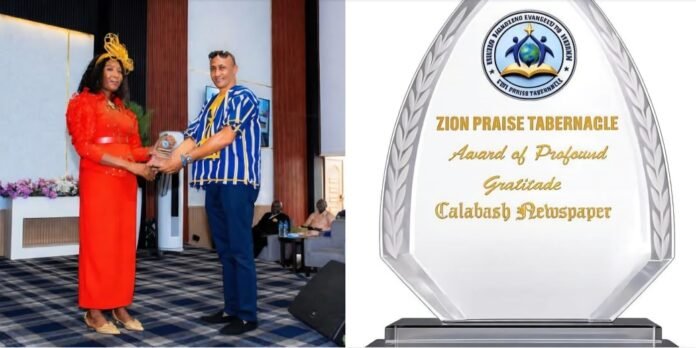
In a stirring Sunday service held on November 2, 2025, at Zion Praise Tabernacle Church in Hill Station, the General Overseer, Pastor James Bangura, issued an impassioned call for the church and the nation to take an active stand against the destructive drug known as “Kush.” His sermon, marked by deep emotion and urgency, has since resonated widely as part of Sierra Leone’s growing faith-based movement against drug abuse.

Pastor James Bangura revealed that he had received divine instruction to warn the church that it had “failed God” by remaining silent in the face of moral and social decay brought about by substance abuse. Drawing on the biblical passage of Esther 4:13–14, he likened the church’s role to that of Queen Esther, emphasizing the moral duty to act courageously during times of crisis.

“The Lord told me the church has failed Him and everyone is at risk one way or another,” Pastor James Bangura declared. “Who knows whether you have not come to your position for such a time as this?”

During the service, he presented a short but powerful video showing the grim reality of young men and women devastated by drug addiction, many of them homeless and scavenging for food. The emotional highlight came when he introduced a former choir boy, once a symbol of promise, now visibly broken by addiction. The congregation, overcome with emotion, responded with tears and prayers.

“The church must not sit and watch this drug destroy our society,” Pastor James Bangura urged. “We have a duty to act, pray and help our young people find their way back.”

He announced a five-day fasting and prayer program, beginning on Monday, November 3, dedicated to seeking divine intervention to break the stronghold of addiction. He also appealed to members to extend practical support through counseling, healthcare and financial aid to assist in rehabilitating drug users.

According to Pastor James Bangura, God directed the church to take two crucial actions: first, to pray earnestly for God to destroy the appetite for drugs among users and second, to restore and rehabilitate addicts through acts of compassion, such as providing food, counseling and medical assistance.

The Zion Praise Tabernacle’s initiative aligns with a broader nationwide movement by religious institutions to confront the escalating Kush epidemic. Across Sierra Leone, churches and Christian organizations are expanding their roles in prevention, rehabilitation and advocacy.

Caritas Freetown, the Catholic Church’s development arm, is currently constructing a rehabilitation center for underage girls struggling with addiction. The center will offer detoxification services, psychological counseling and skills training in agriculture and vocational trades to reintegrate affected individuals into society.

Additionally, numerous churches are leading awareness campaigns in schools and communities to educate citizens about the dangers of substance abuse. They also provide professional counseling, mentorship and spiritual guidance to those affected, while promoting compassion and inclusion for recovering addicts.

The Inter-Religious Council of Sierra Leone (IRCSL) has been a vocal advocate for collaborative action, urging Government agencies such as the National Drug Law Enforcement Agency (NDLEA) and the Sierra Leone Police to intensify enforcement and support community-based rehabilitation programs.

Despite these growing efforts, the challenge remains immense. The Kush epidemic, declared a national emergency, continues to devastate communities, driven by poverty, unemployment and limited access to rehabilitation resources.

Nevertheless, faith-based institutions like Zion Praise Tabernacle are demonstrating that through prayer, compassion and collective resolve, Sierra Leone can confront and ultimately overcome the scourge of drug addiction that threatens its future.

MMMR, NMA Dismiss Misinformation Over Kumoroh Mining Accident, Pledge Continued Vigilance

By Amin Kef (Ranger)

The Government of Sierra Leone, through the Ministry of Mines and Mineral Resources (MMMR) and the National Minerals Agency (NMA), has on 31 October 2025 issued an official statement addressing reports of an alleged mining incident at Kumoroh, Nimikoro Chiefdom, Kono District.

The Ministry confirmed that it is aware of circulating reports and widespread public concern over the alleged loss of lives during an illegal mining activity in the area. However, the statement clarified that, so far, there has been no official confirmation from authorities regarding any fatalities linked to the reported incident.

According to the release, those involved in the alleged incident were illegal miners operating in defiance of established laws and safety protocols. The Ministry and the NMA emphasized that they have continuously worked with key agencies, including the Environment Protection Agency (EPA), Republic of Sierra Leone Armed Forces (RSLAF), Office of National Security (ONS), District Security Committee (DISEC) and the Sierra Leone Police (SLP), to combat illegal mining across the country.

Authorities said that despite repeated warnings, illegal miners have persistently refused to cooperate and have resisted all attempts to halt their operations. The MMMR noted that such unlawful practices continue to endanger lives, undermine community safety and cause severe environmental degradation.

The statement also corrected what it described as “misinformation” regarding deaths or injuries from the incident, stressing that no official confirmation exists at this point. Investigations are ongoing, and the Ministry pledged to update the public once verified information becomes available.

“The Ministry of Mines and Mineral Resources and the National Minerals Agency remain committed to working with all relevant stakeholders on the ongoing investigations,” the statement read. It added that the Government will continue to intensify its nationwide campaign against illegal mining to safeguard lives and protect the environment.

The Ministry further appealed to all citizens to refrain from engaging in illegal mining, warning that such actions “undermine community safety, security and cause extensive environmental damage.”

The Government assured the public of its continued vigilance and collaboration with law enforcement and partner agencies to eradicate illegal mining activities across Sierra Leone.

Feed Salone Turns Two: President Bio Celebrates Milestone, Unveils Major Livelihood Development Programme

President Dr. Julius Maada Bio addressing farmers and development partners during the anniversary of the Feed Salone initiative - Kambia District

By Amin Kef (Ranger)

In a vibrant celebration marking the second anniversary of the Feed Salone initiative, President Dr. Julius Maada Bio on Friday, 31st October 2025, joined farmers, traditional leaders and development partners at the Kambia Mini Stadium to commemorate Sierra Leone’s ongoing agricultural transformation. The event coincided with the global observance of World Food Day under the theme: “Hand in Hand for Better Food and a Better Future.”

The occasion served as both a reflection on progress and a renewed call to action in achieving national food security. President Bio launched the Two-Year Feed Salone Progress Report, applauding farmers, paramount chiefs and international partners for their dedication and partnership in advancing the country’s agricultural vision.

“Agriculture is the heartbeat of our nation,” President Bio declared. “Through Feed Salone, we are transforming farming from subsistence to prosperity, making it a source of dignity, innovation and wealth creation for our people.”

Drawing from personal experience, the President reflected on his deep connection to farming, recalling how agriculture sustained his family and community during his early years. He reaffirmed his administration’s commitment to turning agriculture into a vehicle for inclusive growth and national pride.

“Two years ago, we launched Feed Salone with a simple but powerful message: Grow What We Eat and Eat What We Grow. Today, we can see the impact, rice production is rising, food imports are declining and local produce is becoming more accessible and affordable,” he stated.

In a major announcement, President Bio unveiled the $105 million Livestock and Livelihood Development Project, jointly supported by the Islamic Development Bank (IsDB), the International Fund for Agricultural Development (IFAD) and the OPEC Fund. The project aims to enhance poultry and cattle production, improve animal feed systems and expand income opportunities for rural households across Kambia, Port Loko and Bombali Districts.

Complementing this initiative, the President also launched Rural Farmers Radio 98.9 FM, a new communication platform designed to empower farmers with real-time agricultural information, market updates and community dialogue.

“Here in Kambia, blessed with fertile soil and resilient people, we are laying the foundation for a food-secure Sierra Leone,” President Bio said. “No one should stand aside while others feed the nation. Every Sierra Leonean has a role to play in Feed Salone.”

Representing the Islamic Development Bank, Country Operations Manager, Omar Davis commended Sierra Leone’s remarkable progress and the Government’s strong leadership in the agricultural sector.

“Our partnership with Sierra Leone now exceeds $500 million in cumulative approvals, with $255 million currently active,” Omar Davis revealed. “The approvals recorded in the past five years alone surpass what was achieved in nearly six decades before 2020. This is a testament to confidence in Sierra Leone’s reforms and leadership.”

The ceremony concluded with the official presentation of the Feed Salone Two-Year Progress Report and special recognition of exemplary farmers and local leaders whose contributions continue to drive the country’s agricultural revolution.

President Bio’s visit to Kambia underscored his administration’s unwavering focus on Feed Salone as one of the Big Five Game Changers, positioning agriculture at the heart of Sierra Leone’s quest for sustainable growth, food sovereignty and prosperity for all.

NP (SL) Raises Corporate Standards with Innovation, Integrity and Indigenous Leadership

NP filling station in Freetown

By Amin Kef (Ranger)

NP (SL) Limited, Sierra Leone’s leading and most trusted indigenous petroleum marketing company continues to set new standards in operational excellence, sustainability and customer satisfaction. Through its Integrated Management System (IMS) framework, the company is redefining how corporate responsibility and efficiency drive business success in the downstream petroleum sector.

Company executives have reaffirmed that NP’s IMS is anchored on six strategic pillars designed to enhance regulatory compliance, operational efficiency, environmental protection and customer-focused service delivery. These pillars reflect NP’s unrelenting pursuit of integrity, innovation and improvement across all operational fronts.

Working in close collaboration with the Sierra Leone Standards Bureau (SLSB) and the Petroleum Regulatory Agency (PRA), NP maintains rigorous quality control and testing procedures to ensure its petroleum products meet both local and international standards. The company’s emphasis on quality assurance has earned it widespread consumer trust and established its reputation as the most dependable energy provider in the country.

Significant infrastructure investments, particularly the recent modernization of the Kissy Terminal, have further strengthened NP’s logistics and storage capacity. These developments have streamlined nationwide fuel distribution, improved delivery timelines, and reinforced the company’s ability to meet growing energy demands efficiently.

At the heart of NP’s operations is an unwavering commitment to customer satisfaction. The company’s service teams operate around the clock to ensure prompt attention to inquiries, transparent communication and continuous service improvements. This responsiveness has cultivated enduring loyalty among its diverse clientele, from private motorists to major industrial consumers.

NP (SL) also upholds the highest standards of environmental safety and occupational health. Its environmental management protocols ensure minimal pollution, safe workplace conditions and strong engagement with host communities. These commitments underscore NP’s broader goal of contributing to a greener, safer and more sustainable Sierra Leone.

The company’s achievements are further reinforced by its triple ISO certification, ISO 9001 for Quality Management, ISO 14001 for Environmental Management and ISO 45001 for Occupational Health and Safety, making it one of the few West African petroleum firms to attain such global recognition.

Beyond business excellence, NP (SL) embodies a story of indigenous resilience and national pride. Built by visionary Sierra Leoneans, from humble beginnings, the company stands today as a symbol of unity, determination and homegrown success. Its independence from Government interference has allowed it to operate with integrity, flexibility and accountability, values that continue to inspire local entrepreneurship.

A defining feature of NP’s growth story is the selfless commitment of its shareholders, who have prioritized collective progress over personal gain. Their shared vision of transparency and teamwork has positioned NP as a model of ethical governance and sustainable enterprise.

Innovation has been a key driver of NP’s evolution. The introduction of the NP Energy Pass Card and the NP Smart Card revolutionized fuel payment in Sierra Leone, promoting convenience, accountability and digital efficiency. These innovations align perfectly with the Government’s cashless economy policy, while significantly reducing cash-handling risks and enhancing customer safety.

At every NP service station, customers are greeted with professionalism and strong safety standards. From trained personnel to well-marked safety signage and fire equipment, NP ensures every transaction happens in a secure and customer-friendly environment.

NP’s adherence to Sierra Leone’s Local Content Policy is another cornerstone of its identity. The company proudly employs Sierra Leoneans at all operational levels, investing heavily in skills development and career growth. This deliberate choice fosters economic empowerment and reinforces the nation’s capacity for self-sufficiency.

Among its product range, NP Gas stands out as a clean, affordable and environmentally friendly cooking alternative. Available in various cylinder sizes, it provides a practical substitute for charcoal and firewood, helping to reduce deforestation and air pollution further demonstrating NP’s commitment to sustainable energy solutions.

NP’s Corporate Social Responsibility (CSR) footprint spans nationwide, encompassing community development initiatives, infrastructure support and job creation. Through its expansion into underserved areas, the company has improved fuel accessibility and affordability, directly supporting mobility and economic activity.

Looking to the future, NP (SL) remains focused on digital transformation, smart logistic and enhanced customer engagement. Guided by its enduring slogan, “NP – Your Partner for Life,” the company continues to fuel Sierra Leone’s progress; powering industries, empowering communities and proving that indigenous excellence can indeed drive national transformation.

Zhou Wenjie Alleged Fraud Case Raises Alarms Over Property Rights and Investor Protection

Zhou Wenjie

By Foday Moriba Conteh

A judicial decision concerning Pioneer Power Engineering Co. Ltd. has triggered growing unease among investors, legal analysts and diplomatic observers, as questions mount over corporate governance, property rights and judicial fairness in Sierra Leone. Reports indicate that the Chinese Embassy in Freetown is closely observing the situation amid rising diplomatic and business tensions.

The controversy surrounds an industrial property located at No. 12 Off Motor Road, Kyubu Village, Newton, Waterloo, Freetown, legally owned by Friendship International Co., Ltd., but also housing Pioneer Power Engineering Co., Ltd., which is now engulfed in a management and ownership dispute. The conflict intensified after the company’s former Manager, Zhou Wenjie, was dismissed in May 2024 over allegations of fraud, forgery and financial misconduct.

According to internal company documents, Zhou Wenjie was accused of forging shareholders’ signatures and opening unauthorized bank accounts under the company’s name. Following his dismissal, he launched several legal challenges contesting his removal and attempting to regain managerial control.

The dispute took a dramatic turn in May 2025 when police officers reportedly detained the legitimate landowner and several employees during a controversial enforcement operation; despite no formal criminal charges being announced. Matters worsened when the High Court delivered a ruling on July 9, 2025, affecting the landowner and four other businesses operating on the premises. The verdict effectively halted factory operations, leaving numerous workers unpaid and forcing some occupants, including the landowners, out of their properties.

By August 2025, court documents revealed that Zhou Wenjie had been granted temporary control of Pioneer Power Engineering Co., Ltd., including access to company assets and financial accounts. Reports suggest that he subsequently assumed possession of properties and funds belonging to third parties operating within the same industrial complex.

The development has fueled public debate over the consistency and credibility of Sierra Leone’s judicial process. “When business disputes are handled in a way that undermines confidence in legal predictability, it discourages investment and raises fears of institutional bias,” noted a regional economic analyst.

Diplomatic observers have described the situation as “delicate,” given the involvement of Chinese nationals and the potential ripple effects on bilateral investment relations. The Chinese Embassy in Freetown has reportedly expressed concern and is monitoring proceedings to ensure fairness and the protection of its citizens’ rights.

As of this publication, Sierra Leone’s judicial and regulatory authorities have not issued an official statement on the matter. However, multiple reports indicate that documents and property ownership records linked to the dispute are currently under review by relevant oversight institutions.

Meanwhile, displaced employees, affected families and nearby business operators continue to grapple with financial uncertainty and social disruption. What initially began as an internal corporate dispute has now evolved into a wider national and diplomatic concern, raising urgent calls for greater judicial transparency, investor protection and corporate accountability within Sierra Leone’s growing business environment.