
Home Blog Page 73

Dutch Drug Suspect ‘Jos’ to Be Extradited

Jos

By Amin Kef (Ranger)

During the Ministry of Information and Civic Education’s weekly Press Conference held on Tuesday, October 21, 2025, the Minister of Information and Civic Education, Chernor Bah, provided a comprehensive update on ongoing drug-related investigations involving Sierra Leoneans and the Government’s stance on recent international allegations.

Addressing the media, the Minister confirmed that Guinean authorities have completed their investigation into the case involving a Sierra Leone Embassy utility vehicle found with suspected illicit substances. He stated that the individuals apprehended in the vehicle have been charged to court in Guinea. However, investigations found no evidence implicating the then Sierra Leone Ambassador to Guinea.

“The Guinean authorities have cleared the former Ambassador of any criminal involvement. His recall by President Julius Maada Bio was a matter of discretion, not disciplinary action,” Chernor Bah clarified.

On the issue of the alleged Dutch drug trafficker, known as Jos, the Minister assured the public that the Government of Sierra Leone, through the Office of the Attorney General and Minister of Justice, is working closely with international partners, including the Dutch authorities, to ensure that the extradition process is handled lawfully and efficiently.

“The extradition will be conducted strictly in accordance with Sierra Leone’s legal framework,” he emphasized. “The rule of law must be respected in all international judicial processes.”

Responding to recent media reports alleging that a Turkish drug lord was in possession of a Sierra Leonean diplomatic passport, Chernor Bah confirmed that an investigation is underway to establish the veracity of the claims. He reaffirmed the Government’s zero-tolerance stance on the misuse of national documents and reiterated that no known criminal has ever been issued a Sierra Leonean passport by the state.

“Anyone can choose to be a criminal on their own volition,” Chernor Bah said. “But it is important for the public to understand that the Government of Sierra Leone does not and will not knowingly issue diplomatic or ordinary passports to individuals of criminal background.”

The Minister urged the media and the public to exercise restraint and await official findings as the Government continues its investigations, reaffirming the administration’s commitment to transparency, accountability and the rule of law in all national and international matters.

NatCA Director General Leads Africa’s Digital Transformation Dialogue at MWC25 Kigali

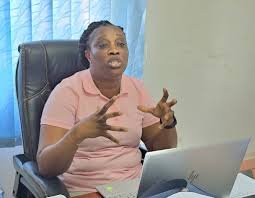
Director General of the National Communications Authority (NatCA), Amara Brewah

The Director General of the National Communications Authority (NatCA), Amara Brewah, has positioned Sierra Leone at the center of Africa’s digital transformation conversation with a groundbreaking keynote address at the MWC25 held at the Kigali Convention Center in Kigali, Rwanda. Speaking on the theme: “Empowering Africa Through Inclusive Spectrum Policies,” the Director General captivated Ministers, regulators and global industry leaders with a vision that placed connectivity and inclusion at the heart of Africa’s future growth.

Amara  Brewah emphasized that Africa’s next phase of development will be driven not by natural resources such as oil or diamonds but by digital connectivity. He described the electromagnetic spectrum, though unseen, as the invisible lifeblood powering communication, innovation and opportunity across the continent.

“Spectrum may be invisible,” he stated, “but its impact is everywhere. It powers our phones, our radios, our emergency services, our schools, our hospitals and our economies.”

He urged African Governments and regulators to view spectrum not as a mere source of revenue but as a developmental resource critical to national progress and social equity.

NatCA Director General presented a comprehensive framework for spectrum reform, calling on policymakers to adopt transparent, inclusive and innovation-driven policies. His reform pillars included:

  • Transparent licensing systems to attract investment;
  • Fair and flexible pricing to expand rural coverage;
  • Coverage-based incentives instead of revenue-focused models; and
  • Innovation-friendly policies that empower small and community-based operators.

“Every connected village means hope restored,” he declared, stressing that digital inclusion is both a moral and economic necessity for Africa’s growth.

Highlighting how digital access transforms communities, NatCA DG shared real-life examples from Sierra Leone. He spoke of a farmer in Kambia who now checks market prices through mobile internet, a nurse in a rural clinic consulting doctors in Freetown and students attending virtual lessons from remote areas.

“Connectivity turns isolation into inclusion. It turns potential into prosperity. It turns inequality into empowerment,” he told delegates.

He emphasized that rural connectivity must receive the same policy attention and investment as urban areas, calling for infrastructure sharing, predictable regulatory processes and simplified approval systems.

Under Amara Brewah’s leadership, NatCA Sierra Leone has gained recognition as one of West Africa’s most progressive communications regulators. The Authority has modernized its spectrum management framework, reviewed fees to attract investment and strengthened partnerships with global and regional bodies including WATRA, ATU and ITU.

Sierra Leone’s implementation of Non-Geostationary Satellite Orbit (NGSO) frameworks has extended coverage to remote communities, significantly reducing the digital divide.

“Our goal is simple,” DG Amara Brewah affirmed: “To make Sierra Leone a country where no community is left offline and where connectivity is treated not as a privilege but as a right.”

The NatCA Director General personalized his message with the story of Aminata, a young girl from a rural community who studies by torchlight but now accesses online education through improved connectivity.

“It’s not about megahertz; it’s about hope. Hope made visible through connectivity,” he said, underscoring the human impact of inclusive spectrum policies.

In closing, NatCA DG, Amara Brewah, challenged African leaders and regulators to take three key actions to accelerate digital inclusion:

  1. Publish or update national connectivity roadmaps;
  2. Reform spectrum pricing and licensing to expand rural access; and
  3. Promote innovation through community networks and satellite technologies.

“Spectrum is not just a technical asset. It is a human resource that carries the voices of our people, the ideas of our youth and the dreams of our future,” he said.

NatCA DG’s address was widely regarded as one of the most visionary presentations at MWC25 Kigali. His message, anchored in inclusion, innovation and equity, reinforced Sierra Leone’s growing reputation as a leader in digital transformation.

“Because when Africa is connected,” he concluded to resounding applause, “Africa is unstoppable.”

Kids Advocacy Network Launches “Light-Her Path” Scholarship to Empower Girls

Edmond Alim B. Fornah

By Alvin Lansana Kargbo

The Kids Advocacy Network – Sierra Leone has officially launched the application process for the Light-Her Path Scholarship Project, a major education empowerment initiative aimed at providing financial support, mentorship and learning resources for in-school and out-of-school girls. The launch event was held on Friday, October 24, 2025, at the Africell American Corner on Bathurst Street in Freetown.

The Light-Her Path Scholarship Project seeks to ensure that no girl is left behind due to socio-economic challenges. It promotes education as a transformative force capable of breaking cycles of poverty, gender inequality and exclusion, while equipping young women with the tools to become leaders, innovators and agents of socio-economic change.

Executive Director of Kids Advocacy Network, Edmond Alim B. Fornah, described the initiative as a long-term effort to empower girls beyond traditional scholarship models. He said the project will provide direct tuition support and structured mentorship opportunities with accomplished women leaders, including those from the “50 Most Influential Women” platform, to strengthen leadership, confidence and self-esteem among beneficiaries.

He explained that the scholarship is need-based, targeting girls and young women aged 16 to 25 who demonstrate a commitment to education and personal development, passion for community service and require financial assistance to pursue formal or technical education. The program will support both academic and vocational training pathways such as tailoring, soap-making and cake-making to open diverse routes to empowerment.

He added that a multi-stakeholder selection committee made up of academics, women’s rights advocates and private-sector executives will oversee the beneficiary selection process. The committee, chaired by a university lecturer and gender activist, Madam Fatu Taqi, includes representatives from women’s forums, higher education institutions, Parliament, financial bodies and the sports sector.

Announcing initial funding support, the Executive Director revealed that Hon. Sidi Mohamed Tunis, former Speaker of ECOWAS Parliament, had donated $20,000 to kick-start the initiative, with additional contributions expected, as the first Lady of the Republic of Sierra Leone, Dr. Fatima Maada Bio, has also committed to the project. He encouraged eligible applicants to submit their materials through the official online application form.

Special guest Delicia Boyle-Kikulwe, a contestant in the upcoming Housemates Salone Season 4, highlighted the power of education in transforming lives, stating that it goes beyond grades and certificates. She urged young women to view education as a lifelong skill that fosters confidence, critical thinking and independence. As a mother of three and a university student, Delicia Boyle-Kikulwe encouraged applicants to overcome self-doubt and take bold steps toward self-empowerment. She also expressed her commitment to supporting Sierra Leone’s development and called on citizens both at home and abroad to invest in the country’s future through education.

Madam Fatu Taqi, Chairperson of the Selection Committee, outlined the selection process, noting that a 13-member committee will rigorously review applications to ensure that scholarships go to the most deserving candidates. She said the initiative aims to “light the path” for girls by providing visibility, opening doors and creating access to opportunities. The number of beneficiaries and scholarship amounts will be announced after the application period closes.

Madam Fatu Taqi commended the donors and organizers for mobilizing resources to make the project a reality. She called on men and community members to encourage eligible girls to apply and to share the information widely, emphasizing that the scholarship’s ultimate goal is to create lasting impact in the lives of young women across Sierra Leone.

Eligibility criteria include:

For In-School Girls:

  • Must be enrolled in tertiary education.
  • From a low-income or vulnerable household.
  • Must demonstrate academic potential and leadership qualities.
  • Faces financial or social barriers to education.

For Out-of-School Girls:

  • Aged 16 to 25 years.
  • Must have dropped out or never attended formal schooling.
  • Expresses interest in returning to school.
  • Comes from a disadvantaged background.

Applications are open from October 24, 2025 to November 14, 2025, and can be submitted via the link: https://forms.gle/FfWWM2qonz4D7Vms8

The Light-Her Path Scholarship Project marks another milestone in the Kids Advocacy Network’s ongoing commitment to promoting gender equity and expanding educational access for young women across Sierra Leone.

President Bio Reaffirms Africa’s Voice in Global Peace & Security at UN 80th Anniversary

President Dr. Julius Maada Bio

By Amin Kef (Ranger)

President Dr. Julius Maada Bio has renewed his call for Africa’s inclusion as a permanent member of the United Nations Security Council and urged stronger collaboration between the United Nations (UN), the African Union (AU) and ECOWAS to advance the continent’s peace and security agenda.

He made that call during the flag-raising and wreath-laying ceremony commemorating the 80th anniversary of the United Nations, held on Friday, 24th October 2025, at President Julius Maada Bio Parade Grounds, Wilberforce in Freetown. The event was jointly organized by the Government of Sierra Leone and the United Nations Country Team.

“When the United Nations and ECOWAS work hand in hand, the cause of peace in West Africa advances and Sierra Leone stands ready to lead, to listen and to build bridges of understanding across our region,” President Bio stated.

Reflecting on Sierra Leone’s post-war transformation, he acknowledged the UN’s crucial role during the civil conflict, recalling how the United Nations Mission in Sierra Leone (UNAMSIL) disarmed 75,000 combatants and restored peace. “Today, Sierra Leone is no longer a recipient of peace; we are a giver of peace. Our men and women in uniform now serve proudly in UN peacekeeping missions, carrying the lessons of our own journey to nations in need,” he emphasized.

Highlighting his administration’s Big Five Game-Changer priorities, President Bio reiterated that these policies aim to improve citizens’ lives. He cited the Feed Salone Programme, which empowers farmers to achieve food self-sufficiency and the Free Quality School Education initiative, designed to ensure that no child is left behind due to poverty or geography.

He further underscored his Government’s partnership with UN agencies in strengthening healthcare, immunization and maternal services. “Our investments in health ensure that no mother dies while giving life and no child suffers from preventable diseases,” he said.

On renewable energy, the President reaffirmed his administration’s commitment to expanding access nationwide. “Across the nation, we are lighting up homes, schools and clinics because energy is life and light is dignity,” he added.

As Chair of the ECOWAS Authority and Coordinator of the African Union Committee of Ten on UN Security Council Reform (C-10), President Bio reaffirmed Sierra Leone’s leadership in promoting peace, constitutional governance and Africa’s reform agenda at the global stage.

“When we raise the UN flag beside our national flag today, we affirm both sovereignty and solidarity. Our flags flying together remind us that Sierra Leone’s destiny is bound with the world’s destiny,” he declared.

He concluded by paying tribute to UN peacekeepers and humanitarian workers who lost their lives in the service of peace, including Sierra Leoneans who served under the UN flag.

UN Resident Coordinator in Sierra Leone, Ms. Seraphine Wakana, in her remarks, said the 80th anniversary of the UN also marked 64 years of partnership between Sierra Leone and the global body; a collaboration that has strengthened peace, education, healthcare, gender equality, youth empowerment and livelihoods.

“This partnership has transformed lives and continues to reaffirm our shared commitment to sustainable development and human dignity,” Ms. Wakana stated.

Korea Donates 36,000 Bags of Rice to Boost Sierra Leone’s School Feeding Programme

The World Food Programme (WFP), in collaboration with the Government of Sierra Leone through the Ministry of Basic and Senior Secondary Education (MBSSE), has officially received a major food donation from the Republic of Korea to bolster the National School Feeding Programme.

The formal handover ceremony took place at the WFP Kissy Warehouse in Freetown, where representatives from the Korean Government, WFP and MBSSE gathered to mark the occasion. The donation, over 36,000 bags of rice (40kg each), valued at USD 2 million, was made through Korea’s Ministry of Agriculture, Food and Rural Affairs (MAFRA).

The consignment will provide daily nutritious meals to more than 106,700 pupils in Bonthe, Kambia, Kenema and Pujehun districts during the 2025/26 academic year. This contribution follows last year’s donation of 48,000 bags of rice, which benefited over 123,500 children and led to a 95 percent school attendance rate and a 97 percent retention rate in supported schools.

Augustine Koroma, Coordinator of the Free Quality Education Programme, commended Korea’s continued partnership noting: “This support ensures that primary school children in targeted areas receive daily nutritious meals, which is critical for both their health and their learning.”

Representing the Republic of Korea,  Counsellor Inkee Min reaffirmed his country’s strong bilateral ties with Sierra Leone. “This gesture underscores the strong friendship between the people of Sierra Leone and Korea. The hope of any nation lies in education and the nurturing of its young talents. By investing in education, we are investing in Sierra Leone’s future,” he stated. He further added that when the Embassy of Korea officially opens in Sierra Leone, it will serve as a bridge of friendship and cooperation between the two nations.

WFP Representative and Country Director, Andrew Odero, expressed gratitude to the Republic of Korea, highlighting the importance of consistency in development partnerships. “We are grateful to the Republic of Korea not only for the rice itself but for the consistency and clarity of their commitment. Korea has set a standard for meaningful cooperation; one rooted in solidarity and mutual growth,” he said.

The donation aligns with Sierra Leone’s Free Quality School Education Initiative, which aims to enhance human capital development by ensuring children receive daily hot meals while easing the food burden on vulnerable households.

The ceremony concluded with an official handover and a guided tour of the warehouse, showcasing stacks of the donated rice ready for distribution.

This partnership between the Republic of Korea, WFP and the Government of Sierra Leone reaffirms a shared vision to end hunger, strengthen education and invest in the nation’s future. As the country continues its drive toward sustainable development, the donation stands as a testament to the transformative power of international collaboration in uplifting communities and empowering the next generation.

COMMENTARY The Kush Catastrophe: A Generation in Peril, A Nation in Need of Healing

A Commentary By Amin Kef (Ranger)

Sierra Leone is in the throes of a silent war; one not fought with guns or bullets, but with smoke, powder and despair. The enemy is Kush, a cheap and deadly synthetic drug that has infiltrated the lives of thousands of young people across the nation, leaving devastation in its wake. What began as an emerging street substance a few years ago has now become a full-blown epidemic, consuming the country’s most vital resource; its youth.

Every corner of Sierra Leone bears witness to the devastation of Kush. In Freetown’s slums, provincial towns and rural villages alike, once-promising young men and women now wander in “zombie-like” states; their minds hijacked, their bodies wasted. Boys drop out of school to chase the next high, turning to petty crime to sustain their addiction. Girls, some as young as 15, fall into prostitution, trading their innocence for survival.

The streets have become both their refuge and their graveyard. Families are being torn apart, communities weakened and dreams extinguished. The epidemic has not only crippled households but has also shaken the moral, cultural and spiritual foundations of the nation. As one community elder in Bo lamented recently, “We are burying our children before they bury us.”

Kush is not a single drug but a toxic cocktail of substances. Tests have revealed that it often contains synthetic cannabinoids and nitazenes, opioids up to 25 times stronger than fentanyl; along with tramadol and other chemical additives. Local dealers blend imported ingredients with crushed leaves, producing a substance that delivers a cheap but deadly high.

The side effects are horrific. Users experience hallucinations, paranoia and prolonged drowsiness. Over time, Kush erodes mental stability, damages organs, causes severe skin sores and leads to extreme malnutrition. For many users, addiction is a one-way ticket to psychosis or death.

What makes Kush particularly dangerous is its affordability and availability. For just a few thousand Leones, anyone, even a schoolboy, can get high. This easy access has transformed the drug into a mass destroyer of potential, feeding off Sierra Leone’s deep-seated economic and social vulnerabilities.

The Kush epidemic is not just a matter of poor choices. It is a symptom of systemic failure; a reflection of poverty, unemployment and hopelessness. Sierra Leone’s youth, who make up over 60% of the population, face limited job opportunities and few avenues for self-advancement. For many, Kush offers a temporary escape from harsh realities; a chemical illusion of peace in a society that has offered them little.

Psychologists link this crisis to years of unhealed trauma. The country’s civil war, Ebola outbreak and economic hardship have left deep scars on its people, especially the young. With minimal access to mental health care, just one psychiatric hospital serves the entire nation; substance abuse has become an unhealthy form of self-medication.

Porous borders and weak drug enforcement further compound the problem. Ingredients for Kush are trafficked from far and wide, entering the country through poorly monitored ports and borders. Once inside, local gangs and small-time dealers distribute the drug in every community, often with the complicity of corrupt networks.

Recognizing the scale of the disaster, President Julius Maada Bio in April 2024 declared a National State of Emergency on Drug Abuse. The move, widely praised at home and abroad, marked a significant step toward mobilizing national and international resources. The President’s declaration led to the establishment of a National Task Force on Drugs and Substance Abuse, aimed at coordinating a unified response across Ministries, law enforcement and Civil Society.

Government efforts include intensified police operations targeting drug dens, increased border surveillance and nationwide awareness campaigns. The Ministry of Health, supported by the World Health Organization (WHO) and development partners, has also begun implementing a multi-sectoral plan combining prevention, rehabilitation and youth empowerment.

Yet, challenges persist.  Most rehabilitation centers are not dysfunctional, leaving users without access to treatment. Funding remains inadequate and many community sensitization efforts lack coordination. For every addict that finds help, dozens more are left to perish in silence.

While the crisis has exposed deep cracks in the national fabric, it has also awakened a wave of patriotism and empathy among Sierra Leoneans at home and abroad. The Sierra Leone Kush Rehab Fundraising Campaign by citizens in the diaspora, stands as a beacon of hope. Its mission is clear: to build modern rehabilitation and counseling centers that can provide holistic treatment for addiction and reintegration into society.

Faith-based organizations, Civil Society groups and the media have also joined the fight. Religious leaders are preaching about the dangers of drug abuse, while youth advocates and former addicts are becoming powerful voices of change. Community-led programs in places like Kenema, Makeni and Waterloo are training volunteers to serve as peer educators and counselors.

This collective action underscores one crucial truth: the fight against Kush cannot be won by Government alone. It requires a united national front; one driven by compassion, understanding and resilience.

Experts agree that a lasting solution to the Kush crisis lies not merely in arrests and seizures but in rebuilding lives. The Government must invest heavily in a holistic national recovery strategy grounded in five key pillars:

  1. Rehabilitation and Mental Health Services – Build regional rehabilitation centers and expand community mental health programs with trained counselors.
  2. Youth Empowerment and Employment – Strengthen the Feed Salone and Youth Employment initiatives to provide job opportunities, vocational training and entrepreneurship support for at-risk youth.
  3. Public Education and Awareness – Sustain nationwide campaigns through schools, mosques, churches and media platforms to demystify addiction and promote prevention.
  4. Law Enforcement and Border Security – Strengthen customs surveillance and international cooperation to disrupt supply chains from source countries.
  5. Community Rebuilding and Family Support – Empower families and local leaders to play proactive roles in identifying, rehabilitating and reintegrating addicts.

Addiction should be treated as a health crisis, not a criminal act. The country must move from punishment to prevention; from stigmatizing addicts to supporting their recovery.

Sierra Leone’s fight against Kush is not just about saving lives; it is about saving the nation’s future. Every addict rescued is a child restored, a worker regained and a future rebuilt. If the youth are the backbone of the country, then the Kush epidemic is a slow paralysis eating away at that spine.

The time for compassion, courage and collective action is now. As President Bio emphasized, “We cannot build our nation on broken lives. We must heal our youth to heal Sierra Leone.”

If Sierra Leoneans can unite against war, disease and hunger, then surely they can unite against Kush. The road to recovery will be long and painful, but through empathy, strategic action and unyielding resolve, Sierra Leone can rise again; stronger, wiser and free from the grip of addiction.

NP (SL) Strengthens Commitment to Quality, Efficiency and Customer Satisfaction

By Amin Kef (Ranger)

NP (SL) Limited, Sierra Leone’s leading petroleum marketing company, has once again reaffirmed its commitment to maintaining leadership, excellence and sustainability in the downstream petroleum sector. The company continues to set the benchmark for quality service, environmental responsibility and customer satisfaction through its well-defined Integrated Management System (IMS) Corporate Objectives.

According to the company, the IMS outlines six key pillars designed to promote sustainable growth, compliance and customer-centered operations. These pillars, Management stated, reflect NP’s unwavering drive to uphold the highest standards of service delivery, operational efficiency and ethical business conduct.

NP (SL) remains dedicated to delivering petroleum products that meet both local and international standards. Through stringent quality control measures and regular testing by the Sierra Leone Standards Bureau (SLSB) and the Petroleum Regulatory Agency (PRA), the company ensures that its products meet the required vehicle and industry specifications. This commitment, the company emphasized, reinforces customer confidence and strengthens NP’s reputation as a trusted brand.

Efficiency continues to be one of NP’s strongest hallmarks. The company has invested heavily in state-of-the-art infrastructure and modern technologies to enhance operational effectiveness. Recent upgrades at its Kissy Terminal have improved storage capacity and distribution logistics, enabling the company to deliver products swiftly and cost-effectively across the country.

Customer satisfaction, NP noted, remains central to its operations. The company prides itself on building long-term relationships with customers through reliability, professionalism and timely service delivery. NP’s dedicated customer service and sales team operates around the clock to address inquiries, while feedback from clients is actively used to improve services and tailor solutions to customer needs.

In line with its sustainability agenda, NP (SL) Limited continues to champion environmental protection and occupational health and safety. The company has implemented robust systems to prevent environmental pollution and ensure safe working conditions for employees, contractors and surrounding communities. These measures align with NP’s vision of promoting a greener and safer future for Sierra Leone.

The company also reaffirmed its adherence to all legal and industry standards, emphasizing transparency in its dealings with partners, regulators and customers. In addition, NP provides continuous training and development opportunities for its staff to enhance competence, productivity and service quality.

NP (SL) Limited’s leadership in quality service delivery, environmental protection and customer satisfaction continues to make it a driving force in Sierra Leone’s petroleum sector. By maintaining its focus on innovation, efficiency and sustainable practices, NP remains committed to powering the nation’s growth and maintaining its enviable position as the most trusted name in the petroleum industry.

As Dr. Sama Banya Applauds Lungi Airport Transformation… SLCAA DG Inspires Future Aviators and Strengthens Sierra Leone’s Aviation Readiness

By Amin Kef (Ranger)

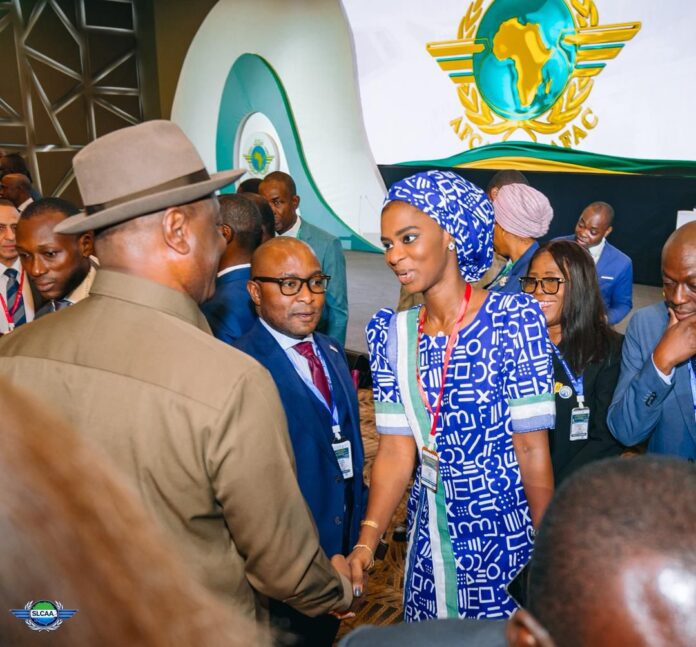
The Sierra Leone Civil Aviation Authority (SLCAA) continues to demonstrate visionary leadership under the stewardship of its Director General, Musayeroh Barrie. On October 25, 2025, the Authority hosted an engaging airport tour designed to inspire the next generation of aviation professionals (NGAP). The event, themed; “Inspiring the Next Generation of Aviation Professionals,” offered children a rare opportunity to experience the world of aviation firsthand, from check-in procedures to firefighting demonstrations, aimed at nurturing curiosity and fostering early interest in the aviation industry.

Before departing from Sea Coach at Aberdeen to the Freetown International Airport in Lungi, Director General Musayeroh Barrie warmly welcomed the children, their parents and teachers, expressing gratitude to the Management of Sea Coach for creating a comfortable environment for the young participants. She described the day to be an exciting journey of discovery, urging the children to explore freely and ask questions throughout their tour. “The foundation we are laying for these children is very important,” she remarked. “They are going to see how the airport runs, and safety briefings will be conducted before they begin their tour. The chaperones and airport staff will guide them through each step; so, bon voyage to all of you.”

Addressing parents, Musayeroh Barrie underscored the importance of broadening children’s career horizons beyond traditional professions. “There are more opportunities out there than being a lawyer or a doctor,” she emphasized. “We must encourage our kids to explore new roles, because they are the foundation of the future that is to come.”

Speaking on the significance of the initiative, the Director General reaffirmed the Authority’s commitment to youth engagement in shaping the future of aviation. “Let’s keep nurturing curiosity; the future of aviation begins with them,” she said. The program forms part of SLCAA’s broader NGAP strategy, championed by Musayeroh Barrie to promote youth empowerment and career awareness in aviation. Since assuming office, she has prioritized inclusivity and generational renewal within the institution, with more than half of SLCAA’s workforce now under the age of 40; a clear reflection of her dedication to building a vibrant and forward-looking aviation sector.

The initiative builds on Sierra Leone’s active participation in the ICAO NGAP Global Summit held in Durban in August 2025, where Musayeroh Barrie represented the country and delivered an impactful address on developing a future-ready aviation workforce. Her participation reinforced Sierra Leone’s growing reputation as a nation committed to international aviation standards and youth-driven transformation.

In another development prior to the NGAP, Musayeroh Barrie conducted an inspection of the Lungi International Airport on October 23, 2025, to assess operational readiness ahead of the peak travel season. The visit focused on evaluating safety, facilitation and security protocols while engaging with airport stakeholders to enhance service delivery. “We’ve agreed on enhanced measures to ensure passenger safety, smooth operations and an improved travel experience,” she disclosed following the visit.

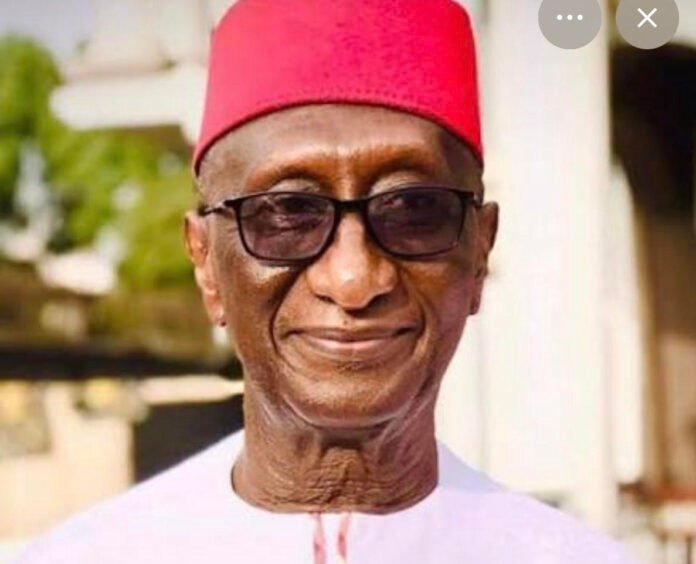
During the tour, SLCAA also had the honour of welcoming one of Sierra Leone’s most respected statesmen, Dr. Sama Banya, to the new Lungi International Airport Terminal. Musayeroh Barrie described Dr. Sama Banya’s positive remarks about the facility as “an inspiration to our continued commitment to excellence in aviation.”

Sometime this year, Musayeroh Barrie represented Sierra Leone at the 42nd ICAO Assembly (A42) under the theme: “Safe Skies, Sustainable Future.” As Vice Chairperson of the Administrative Commission, she reaffirmed Sierra Leone’s dedication to global aviation progress and highlighted ICAO’s critical role in promoting international air safety and environmental sustainability.

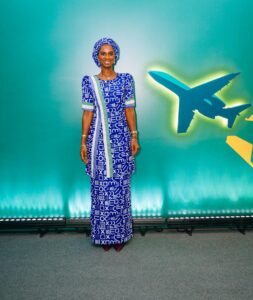
Breaking barriers in Sierra Leone’s aviation history, Director General Musayeroh Barrie stands out as the first woman to lead the Civil Aviation Authority and one of the youngest aviation executives in Africa. Her leadership continues to redefine the industry through a blend of resilience, intellect and innovation, inspiring a new generation of women and youth to dream beyond limits. With a clear vision for a sustainable, inclusive and future-ready aviation ecosystem, Musayeroh Barrie is transforming the Sierra Leone Civil Aviation Authority (SLCAA) into more than a regulatory body; she is positioning it as a beacon of progress and innovation across West Africa.

FGM: Child Rights Activists Feel Betrayed by President Bio

By Kemo Cham

Mamie Kailondo is an intern at the AMT Hospital in Bo, southern Sierra Leone. Her daily work routing is conducting health talks, advising patients on recommended health seeking behaviors, like Infection Prevention Control measures.

Mamie is a second year student at Njala University Bo campus, where she is pursuing a four-year degree programme in health education. She also shares her time volunteering in campaign against Female Genital Mutilation (FGM).

Like many anti-FGM campaigners in Sierra Leone, Mamie’s involvement in this advocacy was stimulated by her experience as a survivor of the highly controversial cultural practice that has divided the country due to the harm associated with it.

“The experience of FGM is not easy. I still go through the pain,” she laments.

And like many other activist-survivors, her traumatic experience in the hands of Sowies – the leaders of the female secrete society who conduct the cutting – fuels Mamie’s passion in her mission. She was seven years old when she was initiated in 2010. Now 21, she recalls been blindfolded, someone sitting on her stomach and another person holding her legs, while they tried to restrain her to remove her clitoris.

FGM, also called Female Genital Cutting (FGC), is defined as all procedures involving partial or total removal of the female external genitalia or other injury to the female genital organs for non-medical reasons. The United Nations considers it as a violation of girls’ and women’s human rights.

Health experts say when girls are cut they face the immediate risk of haemorrhage, shock, serious injury, and a range of infections, and even death, when haemorrhage or infections are especially severe. Victims also face threat from infection and tetanus when unsterilized or rusty tools are used to cut their flesh, and this risk heightens when the same tool is used to cut multiple girls.

Many FGM survivors go through a life time of painful experience as a result of this, including scarring, cysts, abcesses and other tissue damage, infertility, and increased susceptibility to infections, according to a Unicef report. Many also complain experiencing difficulty and pain when they menstruate, urinate or have sexual intercourse.

Complications during childbirth is also a common experience among victims of FGM, including obstetric fistula, in a country still battling high maternal mortality rate, despite recent gains.

On top of all these, there is the psychological impact on the survivors.

“Up to this day, sometimes when I go through my menstrual period, I feel pain in my lower abdomen. I have to rest in bed for days for the pain to subside. Even though I survived, that is a pain I still go through,” says Mamie.

The UN has adopted a series of resolutions urging intensification of global efforts to eliminate FGM, with a key one being General Assembly Resolution 77/195 in 2022. It has also called on states to take measures to protect girls from the practice and to raise awareness about it. UN data indicate that over 230 million girls and women have been cut globally, and Africa is said to account for the largest share of this total, with over 144 million.

Sierra Leone is ranked among countries on the continent with the highest prevalence of FGM. In 2024, the country recorded three deaths as a result of the practice. All of the victims were underage. But some campaigners believe the number of FGM related fatalities could be higher, if not for the high secrecy surrounding the practice.

FGM’s association with a deep-seated tradition – the Bondo – makes it difficult to deal with, notes Hanna Yambasu. An FGM survivor herself, Hannah has been in this campaign for the last two decades, having founded the Women Against Violence and Exploitation in Society Sierra Leone (WAVES-SL) in 2005 to advocate for issues affecting women and girls.

“My experience of it was horrible, so I grew up hating it. That is why I do what I do,” she says.

Efforts to end FGM in the country has also been made difficult largely due to the support it gets from the political class. While proponents of the practice argue in favour of protecting cultural heritage, there is a lot of evidence pointing to other drivers, like individual monetary gains. For politicians, it’s always about not upsetting voters.

As the case of Lucy Kamara shows, some people also use FGM as a weapon for punishment. The mother of two was forcefully reinitiated recently, years after she was first cut. Her crime was quarrelling with an elderly neighbor. Her case was taken up by WAVES-SL which laid a complaint with the Sierra Leone Police. But the organization is unhappy about the pace of the investigation.

“All I want is justice,” says Lucy, who breaks down while narrating how she fought against seven women in the Bondo Bush as they tried to cut her as punishment for insulting her elder. “I go through a lot of pain, especially when I engage in sexual intercourse.”

With the election of President Julius Maada Bio in 2018, hopes were raised among rights campaigners, thanks to his expressed policies promising to protect women and girls. The First Lady Fatima Bio’s Hands Off Our Girls initiative, also upped the level of optimism among campaigners. This hope climaxed a few months ago with news of the impending enactment of an amended version of the Child Rights Act 2022. According to activists, the draft Bill contained a clause banning FGM. But when it was eventually passed, the clause was nowhere to be seen, prompting questions about what exactly happened and where.

Despite appeals for President Bio not to sign it into law, he did, rather discretely. The news was only made public on October 14th, during a government town hall meeting. The country’s Solicitor-General, Robert Kowa, who broke the news, didn’t give any indication as to when the President signed the piece of legislation. The news came both as surprise and shock to rights campaigners.

“It’s a huge disappointment for girls of this country,” says Hannah. “The President said he had interest in protecting women and girls, but apparently he isn’t serious about that. If he was serious about the lives of people, he wouldn’t have put his signature on that document, considering the number of lives we have already lost to this practice.”

For Regina Kombe Kajue, Director of the Voice for the Voiceless Woman, another anti-FGM campaign group based in Bo, the president’s signing of the Child Rights Act with the clause banning FGM renders his previous gains in women’s empowerment null and void. According to her, child marriage is closely tied to FGM, noting that it makes no sense banning child marriage while allowing FGM to continue.

“FGM is a contributing factor to early marriage, because when girls are initiated, the next thing for them is to get married,” she explains.

Critics also point to the irony of President Bio’s action as the current chairman of the sub-regional bloc – the Economic Committee of West African States (ECOWAS) – whose highest court recently declared FGM as torture. The ECOWAS Community Court of Justice, in a ruling on a case filed by the Forum Against Harmful Practices (FAHP), a coalition of civil society organizations campaigning against FGM, ordered the state to legislate against the practice. Observers say that ruling in July this year set a regional precedent for women’s rights protection in Africa. But the government has been tightlipped since the ruling.

FAHP, to which WAVES – SL belongs, is supported by the global non-profit Equality Now, which seeks to attain gender equality through legal and systemic change. Caroline Lagat, Programme Officer for Ending Harmful Practices at the Nairobi based Africa office of Equality Now, shares the same sentiment widespread among local campaigners. She recalls during a 2022 visit by a team from Equality Now, when they met with various government officials who assured them that placing a ban on underage initiation was one of the top priorities of the government.

“We had fate that that is what would have happened. And of course the first draft of the bill had that. It’s unfortunate that after the debate in parliament it was removed. So that basically means that there is no protection mechanism for girls in the country,” she says.

But for these campaigners, despite the disappointment, there is no letting up.

Lagat says ECOWAS remains an important platform to reach their goal. She says as chairman of the regional bloc, Bio has to be a “role model” for fellow presidents.

Also, “in terms of strategy globally, Sierra Leone as a member of the UN and also AU, has signed a number of human rights treaties, and we will continue to do advocacy there as we collaborate with our partners here in Sierra Leone,” she says.

To Boost Sierra Leone–China Trade Relations… Vice President Hails Inauguration of 5th Chinese Chamber of Commerce

th Chinese Chamber of Commerce in Sierra Leone

By Alvin Lansana Kargbo

The official inauguration of the 5th Chinese Chamber of Commerce in Sierra Leone was held on Thursday 23rd October, 2025 at the Bintumani Hotel in Aberdeen, marking a new chapter in the deepening economic and trade partnership between Sierra Leone and the People’s Republic of China. The Chamber, which brings together 17 Chinese companies, is expected to serve as a key platform for promoting investment, industrial collaboration and people-to-people exchanges between the two nations.

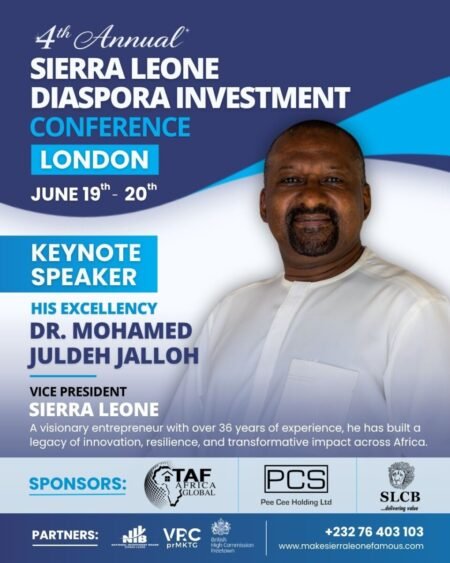
The event attracted top Government officials and diplomatic representatives, including Vice President Dr. Mohamed Juldeh Jalloh, China’s Ambassador to Sierra Leone, H.E Wang Qing and Minister of Trade and Industry Hon. Alpha Ibrahim Sesay, alongside representatives from business associations and enterprises from both countries.

In his inaugural address, Du Xinguo, President of the Chinese Chamber of Commerce in Sierra Leone, welcomed attendees and expressed gratitude to the Chinese Embassy, the Sierra Leonean Government and all partners supporting the Chamber’s establishment.

He said the new Chamber would build on past achievements under the Embassy’s guidance and focus on six strategic priorities: enhancing service delivery to members, ensuring rule-based operations, strengthening engagement with Sierra Leonean authorities, fostering unity among members, promoting corporate social responsibility and expanding international cooperation.

Du Xinguo emphasized that the Chamber’s mission is to deepen China–Sierra Leone economic ties, foster responsible investment and strengthen social goodwill through employment creation and community engagement. He called on all members to work together toward building an influential Chamber that supports the success of Chinese enterprises and the prosperity of Sierra Leone’s economy.

Trade and Industry Minister, Alpha Ibrahim Sesay, described the establishment of the new Chamber as a reaffirmation of the strong and evolving partnership between the two nations. He noted that China remains Sierra Leone’s largest trading partner for both imports and exports and the biggest source of foreign direct investment.

The Minister highlighted the visible footprint of Chinese enterprises across Sierra Leone, in construction, agriculture, energy, mining and retail and commended them for contributing to skills transfer, technology and employment. He said the Chamber plays a vital role in connecting businesses with the Government and fostering responsible and inclusive investment.

He reaffirmed that Sierra Leone is “open for business” and positioning itself as a hub for industrial growth in West Africa, citing the country’s strategic location, natural resource endowment and improved investment climate. Alpha Ibrahim Sesay urged Chinese investors to channel resources into agro-processing, renewable energy, food packaging and green industrialization to support the Government’s Feed Salone initiative and boost local productivity.

The Minister emphasized that the Government seeks partnerships that empower communities and promote local content development, adding that Sierra Leone aims to transition from a resource-based to a production-based economy through joint ventures, technology transfer and SME participation.

In his remarks, China’s Ambassador to Sierra Leone, H.E. Wang Qing congratulated the newly inaugurated Chamber and China Railway Seventh Group for assuming its presidency. He revealed that two-way trade between China and Sierra Leone reached USD 1.8 billion in 2024, marking a 7.1% increase year-on-year, while Chinese corporate investment has surpassed USD 2 billion.

The Ambassador said the economic momentum reflects the strong China–Sierra Leone Comprehensive Strategic Cooperative Partnership, crediting it to Sierra Leone’s improved business environment and the contributions of Chinese firms that continue to invest in job creation and social development.

He called for compliance with local laws, respect for cultural differences, protection of workers’ rights and environmental responsibility, while urging the Chamber to strengthen coordination and information sharing to safeguard the collective reputation of Chinese businesses in Sierra Leone.

The Ambassador expressed optimism that the new Chamber would deepen trade, enhance investment opportunities and further strengthen the traditional friendship between the peoples of Sierra Leone and China.

Delivering the keynote address, Vice President Dr. Mohamed Juldeh Jalloh described the launch of the 5th Chinese Chamber of Commerce as a significant milestone in the revitalization of Sierra Leone–China relations, emphasizing that Chinese companies have played a central role in the country’s industrial and infrastructural growth over the past two decades.

He noted that the inauguration comes at a time when development aid to Africa is declining, making private sector investment critical for Sierra Leone’s economic resilience. He highlighted the Government’s efforts to stabilize the macroeconomic environment, citing a stable exchange rate, declining inflation and lower interest rates, which he said had improved the ecosystem for business operations.

The Vice President reaffirmed the importance of chambers of commerce in promoting trade, protecting members’ interests and attracting new investment. He disclosed that the Government plans to convene a national conference of all chambers of commerce in January to explore broader networking and cooperation opportunities.

He also emphasized compliance with labor and tax laws, local sourcing of goods and services and greater Corporate Social Responsibility (CSR). Dr. Mohamed Juldeh Jalloh commended Chinese firms for their CSR contributions, including school construction projects, scholarship schemes and community development initiatives across the country.

He singled out CRSG and other firms for their notable educational and community support projects in Port Loko, Makeni and Freetown. “Providing opportunities for local children and investing in community infrastructure is one of the best contributions companies can make to Sierra Leone’s development,” he said.

He concluded by reaffirming the Government’s commitment to strengthening trade relations with China and ensuring that both nations continue to enjoy mutual prosperity, investment growth and sustainable partnership.

The inauguration of the 5th Chinese Chamber of Commerce in Sierra Leone marks a significant moment in the enduring relationship between the two nations. With renewed commitments from both Governments and the private sector, the Chamber is poised to play a pivotal role in advancing trade, investment and development cooperation while deepening the bond of friendship between the peoples of Sierra Leone and China.