
Home Blog Page 74

At 68th Ordinary Summit in Abuja… President Bio Leads ECOWAS Authority to Landmark Decisions on Integration and Peace

By Amin Kef (Ranger)

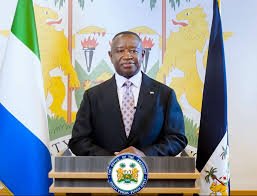
West African leaders meeting in Abuja on Sunday have adopted far-reaching decisions aimed at deepening regional integration, strengthening democracy, accelerating economic transformation and confronting growing security threats across the sub-region. The decisions were contained in the Final Communiqué of the Sixty-Eighth Ordinary Session of the Authority of Heads of State and Government of the Economic Community of West African States (ECOWAS), held under the chairmanship of President Julius Maada Bio of Sierra Leone.

The high-level summit at Abuja, Federal Republic of Nigeria, on December 14, 2025 brought together Presidents, Vice Presidents, Ministers of Foreign Affairs and senior regional and international officials, reflecting the strategic importance of the meeting at a time when West Africa faces complex economic, political and security challenges. Among those in attendance were the Presidents of Cabo Verde, The Gambia, Ghana, Senegal, Sierra Leone and Togo, as well as Vice Presidents of Côte d’Ivoire and Nigeria and Foreign Ministers from Benin and Liberia. Leaders of ECOWAS, UEMOA, the African Union and the United Nations system in West Africa were also present.

The session was attended by the following Heads of State and Government or their duly mandated representatives: H.E. Jose Maria Pereira Neves, President of the Republic of Cabo Verde; H.E. Adama Barrow, President of the Republic of The Gambia; H.E. John Dramani Mahama, President of the Republic of Ghana; H.E. Bassirou Diomaye Faye, President of the Republic of Senegal; H.E. Julius Maada Bio, President of the Republic of Sierra Leone; H.E. Faure Essozimna Gnassingbé, President of the Council of the Togolese Republic; H.E. Tiémoko Meyliet Koné, Vice-President of the Republic of Côte d’Ivoire; H.E. Senator Kashim Shetima, Vice-President of the Federal Republic of Nigeria; H.E. Olushegun Adjadi Bakari, Minister of Foreign Affairs of the Republic of Bénin; and H.E. Sara Beysolow Nyanti, Minister of Foreign Affairs of the Republic of Liberia.

Also in attendance were H.E. Omar Alieu Touray, President of the ECOWAS Commission; H.E. Abdoulaye Diop, President of the UEMOA Commission; H.E. Mahmoud Ali Youssouf, Chairperson of the African Union Commission, represented by Dr. Bankole Adeoye, Commissioner for Political Affairs, Peace and Security; H.E. Mohamed Ibn Chambas, Chairperson of the ECOWAS Trade Liberalization Scheme Taskforce; H.E. Amb. Baba Kamara, Special Envoy on Terrorism; and H.E. Leonardo Santos Simão, Special Representative of the United Nations Secretary-General for West Africa and the Sahel (UNOWAS), represented by Dr. James Aji, Head of UNOWAS Representation to Nigeria.

In a special session on the future of the Community, the Authority took stock of ECOWAS’ 50-year journey and acknowledged both achievements and shortcomings. Leaders reaffirmed their commitment to deeper regional integration, youth and women empowerment, digital and economic transformation, stronger connectivity, peace and security, democratic governance and equitable partnerships. They also agreed on the need to review key Community texts to better align ECOWAS institutions with present-day realities and the aspirations of West African citizens.

On economic performance, the Authority welcomed the resilience shown by ECOWAS economies in 2025, noting improved growth, easing inflationary pressures and ongoing fiscal consolidation. Member States were urged to sustain reforms, intensify domestic resource mobilization and improve the efficiency and quality of public spending to consolidate gains and protect economic stability.

A major focus of deliberations was monetary integration and the planned launch of the ECOWAS single currency, the ECO. Leaders expressed concern over weak macroeconomic convergence among Member States and delays in implementing the agreed roadmap, with less than two years remaining before the target launch date. The Authority called on Member States to adopt appropriate policies to meet convergence criteria and directed the ECOWAS Commission to reactivate the Presidential Task Force on the Single Currency Programme to build consensus on sensitive and urgent issues.

On the free movement of persons, the Authority commended Nigeria for the successful deployment of the ECOWAS National Biometric Identity Card, describing it as a milestone for regional integration and security. However, noting that only seven Member States have so far deployed the card, leaders urged remaining countries to accelerate implementation to ensure seamless mobility and enhanced cooperation across the Community.

Trade and regional market integration also featured prominently. The Authority directed ECOWAS and UEMOA Commissions to harmonize rules of origin under the ECOWAS Trade Liberalization Scheme to promote free movement of goods. It further instructed dialogue with UEMOA to resolve issues surrounding the imposition of a community solidarity levy on goods from non-UEMOA ECOWAS states. On the African Continental Free Trade Area (AfCFTA), Member States were urged to fast-track national and regional implementation strategies to fully benefit from continental trade integration.

In the energy sector, leaders welcomed the historic synchronization of power systems across 15 West African countries under the West African Power Pool (WAPP) in November 2025. However, concerns were raised over persistent payment defaults by member companies, which threaten WAPP’s sustainability and the launch of the regional electricity market. Member States were urged to clear arrears and meet obligations in recognition of WAPP’s strategic role in economic development.

A landmark decision was reaffirmed on air transport, with the Authority directing uniform implementation of measures to reduce passenger and security charges by 25 percent and remove non-compliant taxes on air transport services. The directive, which takes effect from 1 January 2026, is aimed at lowering travel costs, improving connectivity and boosting intra-regional trade and tourism.

On democracy, peace and security, the Authority noted relative regional stability despite mounting geopolitical pressures. Leaders welcomed recent and ongoing electoral processes in several Member States and encouraged transparency and inclusivity, particularly in Guinea’s transition towards presidential elections scheduled for 28 December 2025. The Authority also commended progress in Sierra Leone on implementing the Agreement for National Unity, including electoral reforms and confidence-building measures between the Government and opposition.

Strong positions were taken on unconstitutional changes of Government. The Authority condemned the recent coup in Guinea-Bissau and the attempted coup in Benin, warning against any reversal of constitutional order. It authorized enhanced ECOWAS engagement, including potential sanctions, if inclusive transitions and credible elections are not restored. The Authority also warned former Gambian President Yahya Jammeh against actions from exile that threaten peace and cohesion, affirming that he remains accountable for alleged human rights violations.

Addressing the deteriorating security situation, particularly in the Sahel and Lake Chad Basin, the Authority expressed grave concern over terrorism, banditry, kidnappings and humanitarian crises affecting millions. ECOWAS reaffirmed its commitment to eradicating terrorism and announced financial support of $2.85 million each for affected frontline states, including Benin, Côte d’Ivoire, Ghana, Nigeria and Togo. Leaders also ordered urgent steps to operationalize the Regional Counterterrorism Brigade and strengthen intelligence and defence cooperation.

On humanitarian matters, the Authority directed the ECOWAS Commission to intensify multi-sectoral responses to worsening crises and urgently mobilize resources to evacuate ECOWAS citizens stranded in Libya and Algeria.

Institutionally, the Authority endorsed the allocation of key ECOWAS statutory positions for the 2026–2030 period among Member States, supported Ghana’s sole candidacy for Chairperson of the African Union in 2027 and approved the relocation of the West African Health Organisation headquarters to Côte d’Ivoire. It also admitted Burkina Faso, Mali and Niger as non-ECOWAS members of GIABA, subject to commitments on anti-money laundering and counter-terrorism financing standards.

The summit concluded with the Authority applauding President Julius Maada Bio for his leadership as ECOWAS Chair, praising his commitment to regional integration, peace and security. The date and venue of the next Ordinary Session will be announced in due course.

Premier Comedy Competition Launched to Boost Creative Industry

By Alvin Lansana Kargbo

Premier Media Group and the Sierra Leone Broadcasting Corporation on Tuesday 16 December 2025 launched the first edition of the Premier Comedy Competition, a nationwide initiative aimed at promoting comedy as a viable career path and strengthening Sierra Leone’s creative economy.

The launch took place at the Ministry of Tourism and Cultural Affairs Conference Room on Kingharman Road in Freetown, with partnership support from the Ministry of Tourism and Cultural Affairs and the Ministry of Information and Civic Education.

Speaking at the event, Director General of the Sierra Leone Broadcasting Corporation, Josephine Kamara, said the competition was designed to celebrate talent and creativity while harnessing the social power of humour. She noted that as a public service broadcaster, SLBC has a mandate to inform, educate, entertain and promote national culture by giving voice to diverse talents across the country.

The DG said comedy goes beyond entertainment, describing it as a powerful form of expression that encourages reflection on social realities, challenges stereotypes, stimulates dialogue and brings communities together across age, background and belief. She said the partnership with Premier Media would create opportunities for both emerging and established comedians by providing national visibility, professional exposure and pathways to sustainable careers within the creative industry.

Josephine Kamara emphasized that the competition would reach audiences nationwide through SLBC’s extensive network and partner community stations across all six regions, including border areas near Liberia and Guinea. According to her, the initiative would contribute to youth empowerment, cultural pride and national cohesion, while strengthening collaboration between public institutions and private media in the national interest.

Managing Director of Premier Media Group, Julius Spencer, announced that the competition is open to all Sierra Leoneans aged 18 and above, regardless of location. He said registration would be available online and through hard copy forms when released, with auditions held in every region. Four contestants will be selected per region to form a pool of 20 competitors.

Julius Spencer explained that the competition structure includes two elimination rounds, quarter finals, semi-finals and a final. Four contestants will be eliminated in each elimination round, leaving 12 contestants for the quarter finals. Three contestants will be eliminated at the quarter final stage and another three at the semi-final stage, leaving six finalists. The winner will receive a cash prize of NLe 100,000, while the first and second runners up will receive NLe 30,000 and  NLe 20,000 respectively.

He said there will be five live shows with a live audience from the elimination rounds to the final, with venues to be announced later. Winners will be determined through public participation using SMS voting on mobile networks, with further details to be provided.

The Premier Media Group Managing Director said comedy plays a critical role in addressing sensitive or difficult issues in constructive ways. Referring to a World Bank study on Sierra Leone’s creative economy, he noted that the sector presents significant opportunities for employment and revenue generation, particularly for young people. He said the competition is part of Premier Media’s broader commitment to professionalizing comedy, attracting corporate support and raising the national and international profile of Sierra Leonean comedians.

Permanent Secretary at the Ministry of Tourism and Cultural Affairs, Judith C. Jones, said the competition aligns with the Ministry’s efforts to promote culture, unity and tourism development. She said the initiative would celebrate Sierra Leone’s humour and creativity while providing a platform for comedians to showcase their talent and relieve social stress through entertainment.

The Permanent Secretary said the Ministry would use its social media platforms to promote the competition and collaborate with influencers and celebrities to build public interest. She also disclosed plans for roadshows, comedy nights, festivals and diaspora engagement, as well as potential comedian exchange programmes in collaboration with the Ministry of Foreign Affairs and International Cooperation.

She formally declared the National Comedy Competition open and encouraged comedians to participate fully and maintain high standards of creativity and performance.

Upcoming and established comedians across the country are encouraged to participate in the competition, which organizers say offers national and potential international exposure and an opportunity to build professional profiles within the growing creative industry.

NDMA and Trocaire Review Flood Preparedness to Strengthen National Resilience

By Alvin Lansana Kargbo

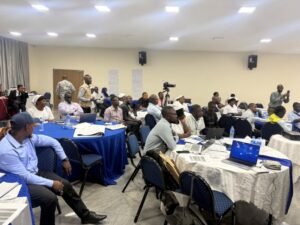
The National Disaster Management Agency (NDMA), in collaboration with Trocaire, has launched a nationwide after action review of flood preparedness and early warning systems aimed at improving disaster response and strengthening community resilience across Sierra Leone.

The review was held on Monday 15 December 2025 at the Freetown International Conference Centre in Aberdeen and forms part of a broader assessment of recent flood response interventions. It seeks to identify operational gaps and propose measures to reduce the impact of future flooding events as the country prepares for subsequent rainy seasons.

Key priorities identified during the review include strengthening the National Flood Protocol, ensuring the use of disaggregated data to better identify vulnerable groups and improving last mile communication to reach hard to access communities. The initiative also focuses on scaling up early warning systems, strengthening collaboration with the Meteorological Agency and improving coordination with Community and Chief Disaster Management Committees nationwide.

The exercise is intended to guide ongoing interventions, ensure that lessons learned are effectively applied and reinforce national preparedness ahead of future flooding incidents.

Presenting the findings the National Consultant for Trocaire, HAfrica During, described the after action review as a structured protocol rather than a routine report noting that it is designed to inform future disaster management planning. She explained that similar approaches have been successfully implemented in countries such as Namibia and India.

The National Consultant disclosed that the review covered flood prone communities in Bombali, Karene, Kambia and both urban and rural areas of the Western Area. She said the objective was to capture a nationwide picture of how communities, chiefdom authorities and district leadership structures respond to flooding and how governance systems either trigger or fail to trigger effective mitigation measures.

One of the major findings HAfrica During highlighted was the low level of awareness at community level regarding flood mitigation strategies. She noted that although radio and television awareness campaigns exist the information often fails to reach communities through local governance structures such as chiefdom administrations, Paramount Chiefs and community leaders.

According to her, the challenge lies not in the absence of information but in the lack of targeted and strategic communication capable of prompting decisive action including evacuation when risks escalate.

Addressing why many residents continue to live in flood prone areas she cited economic and social realities particularly in riverside and low lying agricultural communities. The Trocaire National Consultant explained that many residents depend on such lands for farming, fishing and are often reluctant to evacuate during the rainy season as doing so threatens their livelihoods especially in the context of extended rainfall periods driven by climate change.

She added that NDMA and its partners are exploring subsidy mechanisms and alternative livelihood options to support evacuation efforts. Cultural perceptions also influence risk behaviour with many communities viewing flooding as a normal part of agricultural and fishing cycles. HAfrica During stressed that the review aims to reframe flooding as a serious and abnormal threat to life and property.

Deputy Director for Disaster Risk Reduction and Preparedness at NDMA, Gerland King, said the review identified both strengths and weaknesses in the current flood preparedness framework. He emphasized that the agency is prioritizing capacity building across the entire disaster management cycle.

He noted that prevention remains more cost effective than response stating that every dollar invested in prevention saves an estimated seven dollars in response costs. Gerland King further highlighted the move toward impact based forecasting where alerts specify likely impacts and locations rather than issuing broad warnings that may confuse the public. According to him advances in technology now make more precise and actionable alerts possible.

National Chairperson of the Community Disaster Management Committee, Daniel Bock Jones, underscored the importance of inclusive participation particularly from provincial areas which he said remain equally vulnerable to flooding. He called on participants to take lessons learned back to their communities and integrate them into proactive and strategic intervention systems.

The after action review is expected to inform policy and operational decisions and strengthen Sierra Leone’s overall flood preparedness as climate related risks continue to intensify.

Sierra Leone Records 99% Recovery Rate as Mpox Outbreak Declared Over

Dr. Austin Demby

By Amin Kef (Ranger)

The Government of Sierra Leone has officially declared the Mpox outbreak over, marking a major public health milestone after nearly one year of sustained national response and recovery efforts.

The declaration was made on Monday, 15 December 2025, by the Minister of Health, Dr. Austin Demby, in collaboration with the National Public Health Agency (NPHA), following the attainment of internationally accepted public health benchmarks set by the World Health Organization (WHO). Those standards require that a country records no new Mpox cases for at least forty-two consecutive days nationwide.

According to health authorities, all sixteen districts in Sierra Leone have now surpassed that threshold, with several districts reporting more than 150 days without a single confirmed case.

Mpox was first detected in Sierra Leone in January 2025, prompting the Minister of Health to immediately declare a Public Health Emergency. What followed was one of the most complex health emergencies the country has faced since the Ebola outbreak, unfolding amid a broader global and continental resurgence of the virus.

By the end of the response period, Sierra Leone had recorded a total of 5,442 confirmed Mpox cases. Of those, 5,382 patients recovered, representing a remarkable 99 percent recovery and survival rate. The country recorded a case fatality rate of just 1.1 percent, one of the lowest reported during the outbreak on the continent.

“This is not luck. This is leadership. This is systems at work,” Dr. Austin Demby said, describing the outcome as the result of deliberate planning, national ownership and coordinated execution across Government and society.

Health authorities emphasized that the success of the response reflected a truly national effort. Medical personnel, surveillance officers, community health workers, traditional leaders, civil society organizations and international partners all played critical roles.

Through the Ministry of Health and NPHA, Sierra Leone vaccinated more than 186,000 people, prioritizing frontline health workers and vulnerable populations. Over 22,500 contacts were traced and monitored, while laboratory capacity expanded from just two facilities to nine testing sites nationwide.

The NPHA led an aggressive decentralization of public health services, bringing surveillance, testing, treatment and risk communication directly to communities under a whole-of-government and whole-of-society approach.

The declaration of the end of the Mpox outbreak coincided with the second anniversary of the National Public Health Agency. Since its establishment, the NPHA has emerged as a central pillar of Sierra Leone’s health security architecture, overseeing early detection, heightened surveillance and effective management of public health emergencies.

“Sierra Leone has a history of dealing with outbreaks but this was new,” said Prof. Foday Sahr, Executive Director of NPHA. “This was the first huge Mpox outbreak and it tested every aspect of our system.”

Mpox, a zoonotic viral disease characterized by fever, headaches and painful skin lesions, was first identified in laboratory monkeys in Denmark in 1958, with human cases documented in the Democratic Republic of Congo (DRC) from 1970. The most widespread global outbreak began in May 2022 in the United Kingdom and spread to over 120 countries.

The WHO declared Mpox a Public Health Emergency of International Concern (PHEIC) in July 2022. Although that emergency was lifted in 2023, renewed outbreaks, including a new strain identified in the DRC, prompted Africa CDC to declare a Public Health Emergency of Continental Security in August 2024, followed by a second WHO PHEIC.

By the time Sierra Leone recorded its first cases in January 2025, neighboring Mano River Union countries; Guinea, Liberia and Côte d’Ivoire, had already reported infections, heightening the country’s risk profile.

At the height of the outbreak, Sierra Leone became one of the leading drivers of Mpox transmission in Africa, recording over 5,000 cases within six months. Health officials acknowledged that early challenges, particularly delays in funding and limited treatment infrastructure, contributed to the rapid escalation.

“When we started, we knew what to do and how to do it, but the biggest challenge was resources,” said Dr. Joseph Sam Kanu, Programme Manager for Surveillance and Applied Epidemiology at NPHA.

The country initially relied on home-based care due to limited bed capacity, a policy that was later revised as more treatment centers were established. From an initial 13 beds at the 34 Military Hospital, national capacity expanded to more than 700 beds nationwide.

Health workers across the country bore the brunt of the response. At the 34 Military Hospital, Dr. Captain Adama Kamara recalled managing up to 60 daily admissions with limited resources, often making difficult decisions about patient care.

In Port Loko District, one of the most affected areas, Medical Superintendent Dr. Saiku Tejan described the outbreak as the most challenging mission of his career. He recounted the successful delivery of a healthy baby girl by a pregnant Mpox patient, achieved through strict infection prevention measures.

“These moments reminded us why we had to keep going,” Dr. Tejan said.

Laboratory limitations initially constrained the response, particularly for genomic sequencing. Through partnerships with the Institute Pasteur de Dakar, mobile laboratories were deployed in Port Loko and Koinadugu, increasing the country’s sequencing and testing capacity to eight sites.

To break transmission chains, the Government launched “Operation Find Them All,” a nationwide campaign combining surveillance, contact tracing and community engagement. Despite global vaccine shortages, Sierra Leone secured 267,000 doses at no cost, with support from partners including the United States, Africa CDC, Gavi, WHO and UNICEF. Approximately 200,000 people were vaccinated by October 2025.

The response also confronted widespread misinformation and stigma, which discouraged early treatment seeking. Health officials intensified risk communication and community engagement to counter false narratives, particularly claims linking Mpox to promiscuity.

Survivors such as Mathew Fomba Sam, who delayed seeking care due to fear and misinformation, later became advocates for early treatment and public awareness.

From being a regional hotspot, Sierra Leone’s Mpox response has since become a reference point for other countries. Africa CDC invited Dr. Austin Demby to share Sierra Leone’s experience during its weekly press briefings, highlighting the importance of national leadership and local ownership.

“It’s a testament to country leadership and partnership with Government leaders, traditional authorities, civil society and development partners,” Dr. Austin Demby said.

The end of the Mpox outbreak marks not only a public health victory but also a reaffirmation of Sierra Leone’s growing capacity to respond to complex emergencies through coordination, resilience and collective action.

President Bio Applauds Transport Sector’s Technology-Driven Reforms at Civic Festival 2025

President of the Republic of Sierra Leone, His Excellency Rtd. Brigadier Dr. Julius Maada Bio, has commended the transport sector for its commitment to innovation, modernization and improved service delivery, following a tour of the Transport Sector Booth at the National Civic Festival 2025.

The President made the remarks on Thursday, December 11, 2025, while touring the Technology, Innovation and Infrastructure Zone at the Miatta Conference Hall, Youyi Building, during the official opening of the second edition of the National Civic Festival in Freetown. The festival, organized by the Ministry of Information and Civic Education, brought together Government institutions, Civil Society Organizations and the public to promote civic awareness, transparency and accountability.

Welcoming President Bio to the Transport Sector Booth, Deputy Minister of Transport and Aviation, Rex Bhonapha, expressed appreciation to the Ministry of Information and Civic Education for organizing the festival. He described the initiative as a vital platform that bridges the gap between Government institutions and citizens, allowing the public to better understand the mandates, reforms and achievements of key service-delivery ministries.

Deputy Minister Rex Bhonapha outlined the core responsibilities of the Ministry of Transport and Aviation and highlighted the nine agencies operating under its supervision. He noted that the Civic Festival provides a unique opportunity for the ministry and its agencies to showcase ongoing reforms, digital innovations and infrastructure improvements aimed at enhancing transport services across Sierra Leone. According to him, those reforms are designed to improve efficiency, safety, transparency and customer experience in the transport sector.

During the tour, the Executive Director of the Sierra Leone Road Safety Authority (SLRSA), James Bio, briefed the President on the agency’s expanding digital transformation agenda. President Bio observed a live demonstration of the newly digitized driver’s licence acquisition process, which includes biometric registration and verification. He was also shown the mobile vehicle station used to decentralize services and reduce congestion at fixed centres.

The SLRSA Executive Director further explained the enhanced security features embedded in vehicle number plates and the use of handheld verification devices by road safety corps personnel. Those technologies, he said, are helping to authenticate driver’s licences in real time, reduce fraud and improve compliance with road safety regulations nationwide.

Officials from the aviation sector also engaged the President, providing updates on the mandate, progress and achievements of the Ministry of Transport and Aviation in the area of air transport. They highlighted ongoing efforts to strengthen safety oversight, enhance regulatory compliance and improve aviation services in line with international standards, as part of Sierra Leone’s broader agenda to modernize its transport infrastructure.

Speaking on sector-wide achievements, the Senior Information Officer of the Ministry of Transport and Aviation, Mahmoud Kamara, drew attention to the recently launched maiden edition of the ministry’s magazine. He explained that the publication documents major reforms, technological innovations and milestones recorded across the transport sector, serving as both a public information tool and a record of institutional progress.

Additionally, the Executive Director of the Sierra Leone Maritime Administration, Dr. Daniel Kaitibi, briefed President Bio on initiatives aimed at strengthening maritime safety and security. He emphasized that the administration remains focused on improving regulatory enforcement, safeguarding sea routes and ensuring the welfare and safety of sea travelers and maritime operators.

In his remarks, President Bio praised the transport sector for embracing technology and innovation to enhance efficiency, transparency and public safety. He encouraged sustained collaboration among sector institutions and urged them to continue pursuing reforms that deliver tangible benefits to citizens. The President reiterated that a modern, reliable and safe transport system is critical to economic growth, social mobility and national development.

The National Civic Festival served as a platform for public education, civic engagement and dialogue, while it promoted accountability through direct interaction between citizens and state institutions.

Wellington-Masiaka Highway: A Model of Scientific and Timely Maintenance by CRSG

The Wellington-Masiaka Highway, a crucial transport corridor that connects Freetown to Sierra Leone’s interior, is serving as a shining example of effective road maintenance and management, thanks to the dedicated efforts of China Railway Seventh Group (SL) Co., Ltd. (CRSG). Over the years, this vital infrastructure has demonstrated how scientific, timely and sustainable maintenance can keep a highway functional, safe and accessible despite a myriad of challenges.

From heavy rains to overloaded vehicles and illegal excavations, the Wellington-Masiaka Highway faces numerous potential hazards. Nonetheless, CRSG has consistently adopted a proactive approach to tackle those issues head-on. Regular maintenance activities, including repairs and upgrades, take place regardless of weather conditions, ensuring that travel along that route remains smooth and hassle-free.

Consistent and All-Weather Maintenance

One of the standout features of CRSG’s maintenance strategy is its commitment to all-weather upkeep. The professional maintenance teams operate throughout the year, bringing immediate attention to any surface damage, even during the rainy season. By strategically deploying teams to conduct repairs after heavy rainfall, CRSG has been able to maintain a high standard of road quality that benefits both passengers and freight transport.

Scientific and Proactive Maintenance Measures

CRSG employs several sophisticated techniques for road maintenance:

  1. Road Surface Repair and Pothole Patching: Using advanced methods such as cutting, paving and compaction, CRSG not only fixes potholes but also ensures road surface evenness. High-strength concrete materials are utilized for repairs, allowing the highway to endure heavy traffic without recurring damage. Routine inspections further support that effort by identifying issues early.
  2. Drainage System Maintenance and Flood Prevention: The potential for flooding in Sierra Leone’s heavy rains is countered through regular maintenance of gutters and culverts. Emergency response teams quickly address waterlogging, minimizing the risk of road deterioration.
  3. Slope and Embankment Stabilization: Recognizing the risk of landslides, CRSG employs various techniques such as retaining walls and vegetation planting to stabilize slopes and embankments, thereby preventing erosion and preserving the integrity of the road.
  4. Facility Maintenance: The safety and efficiency of the highway depend on properly maintained road infrastructure. CRSG ensures that road barriers, signage and toll plaza facilities are regularly serviced, which enhances safety and facilitates smooth traffic flow.
  5. Greening and Ecological Conservation: In a bid to balance road safety with environmental sustainability, seasonal greening efforts are undertaken, alongside systematic pruning and replanting initiatives to enhance the visual appeal and ecological health of the area.

Community Engagement and Social Responsibility

CRSG’s efforts extend beyond technical maintenance; they actively engage with the local community to foster shared responsibility for the highway’s upkeep:

  1. Public Awareness Campaigns: Working alongside local authorities, CRSG educates residents on proper waste disposal practices and the dangers associated with illegal roadside excavation, facilitating better community involvement in road maintenance.
  2. Support for Local Governance: By collaborating with the Western Area Rural District Council (WARDC), CRSG helps manage traffic and prevent unauthorized structures that could impede the flow of vehicles.
  3. Preventing Illegal Construction: In partnership with the Sierra Leone Roads Authority (SLRA) and the Ministry of Works and Public Assets (MOWPA), CRSG actively works to deter unauthorized construction and protect critical infrastructure from human interference.

Positive Community Feedback

Residents and local business owners have voiced their appreciation for the ongoing work by CRSG. Many have pointed out that the improved condition of the Wellington-Masiaka Highway has led to shorter travel times and reduced vehicle maintenance costs. “Thanks to CRSG, I no longer worry about potholes damaging my car. This road is well maintained, and it makes a real difference for us,” said James Koroma, a local taxi driver.

“I’ve seen more customers visiting my shop since they fixed the road,” noted Mariama Jalloh, a vendor in the area. “A smoother highway means more people passing by and that helps our businesses thrive.”

Shared Responsibility for National Progress

The continued success of the Wellington-Masiaka Highway is a testament to the importance of collaboration between service providers and the community. While CRSG’s scientific maintenance approach has kept the highway in excellent condition, the responsibility of preserving this vital asset ultimately lies with all Sierra Leoneans. By avoiding illegal dumping, overloading and unauthorized construction, citizens can play a crucial role in ensuring that the highway remains a national treasure for generations to come.

Mines Minister Highlights Major Gains in Exports, Gold Production and Local Content at Civic Festival 2025

Minister of Mines and Mineral Resources, Julius Daniel Mattai

By Amin Kef (Ranger)

Sierra Leone’s mining sector is recording strong growth in exports, production and community benefits following sustained reforms, the Minister of Mines and Mineral Resources, Julius Daniel Mattai, has disclosed.

The Minister made those remarks while speaking as a key panelist on the theme: “The Economy, Energy and Productivity” during the Civic Festival 2025, organized by the Ministry of Information and Civic Education on Saturday, 13 December 2025, at the Miatta Conference Hall, Youyi Building, in Freetown. His presentation formed part of a broader national conversation on economic transformation, productivity and the strategic management of Sierra Leone’s natural resources.

Addressing participants drawn from Government institutions, civil society, development partners, and the private sector, Minister Julius Daniel Mattai revealed that mineral exports for the first three quarters of 2025 were approaching US$900 million, representing a 14–15 percent year-on-year increase. He described the performance as a clear indication that reforms undertaken in the mining sector are yielding measurable results for the economy and mining communities.

According to the Minister, non-tax revenues, largely derived from license fees and royalties, reached approximately US$53 million by the end of September 2025, with projections of about US$60 million by year’s end. He attributed that growth to policy adjustments, including the increase in annual fees for large-scale mining licenses from US$500,000 to US$1 million, a move aimed at strengthening state revenue and ensuring serious investor commitment.

Julius Daniel Mattai disclosed that 34 large-scale mining licenses are currently in force across the country. While not all license holders are exporting yet, he noted that several projects are actively producing, with 17 additional projects under development and three nearing completion. He projected that the majority of those operations would be fully operational by 2027, significantly expanding Sierra Leone’s mineral production base.

Emphasizing the importance of exploration, the Minister stated that sustainable growth in mining depends on continuous discovery of new mineral deposits. He explained that although Sierra Leone experienced a moratorium on exploration in the past, the current policy environment recognizes exploration as critical to attracting long-term investment and unlocking the country’s vast geological potential.

He contrasted current progress with the situation prior to 2018, when Sierra Leone had only two small-scale mining licenses, largely confined to gold and diamonds. Today, he said, the country boasts 27 small-scale licenses covering gold, diamonds and heavy mineral sands such as rutile, reflecting improved regulation, diversification, and increased participation by local operators.

A major highlight of the Minister’s presentation was the advancement of industrial gold mining, a sector that had remained largely undeveloped despite decades of artisanal activity. He noted that Sierra Leone only began issuing large-scale gold mining licenses in 2019 and 2020, marking a turning point in the sector.

He identified Valunia Chiefdom and the Kumahun area as key mineralized zones where licenses have been granted, naming FG Gold and Gold Lion as leading developers. FG Gold, he disclosed, is expected to reach full production by the third quarter of 2026.

The Minister revealed that official gold exports in 2024 stood at approximately 127 kilograms, but the entry of FG Gold and Gold Lion could push annual official exports to between 10 and 11 metric tons; a historic first for Sierra Leone. At prevailing global gold prices, he said that expansion would significantly boost royalty revenues, create employment opportunities and contribute to overall economic growth.

On heavy mineral sands, Minister Julius Daniel Mattai described a landmark development in local ownership. He recalled that the sub-sector had been dominated by foreign-owned companies since 1967, but announced that, for the first time, a company operating in this space is now owned and led by Sierra Leonean nationals. He described that achievement as a major breakthrough aligned with Government’s Local Content Policy and growing domestic technical capacity.

The Minister stressed that the Government is committed to ensuring Sierra Leoneans play a meaningful role across the mining value chain, not merely as labourers but as owners, managers and skilled professionals. He added that local participation must be matched with skills development to guarantee sustainability and competitiveness.

Community benefits featured prominently in the Minister’s address. He described reforms to community benefit sharing as one of the most impactful achievements of the current administration. Prior to 2018, mining communities received only 0.001 percent of the previous year’s gross exports. Under the revised legal framework, the minimum allocation has been increased to 1 percent, dramatically improving community earnings.

Minister Julius Daniel Mattai disclosed that the Community Development Fund has grown to over US$6.5 million in 2025, up from about US$1.8 million in 2024, with further increases expected in 2026 as more projects come on-stream. He said all large-scale and small-scale license holders are now legally required to sign Community Development Agreements, pay surface rents and comply with environmental obligations, including Community Development Action Plans under the Environment Protection Act.

Clarifying public perceptions around fiscal contributions, the Minister explained that mining royalties are not fixed at 3 percent, as commonly assumed, but vary by mineral commodity. He said the sector contributes to national revenue through multiple channels, including license fees, corporate income tax, withholding taxes, pay-as-you-earn and fuel import duties.

While taxation falls under the mandate of the Ministry of Finance, Julius Daniel Mattai said his Ministry works closely with Finance to ensure that 20 percent of royalty receipts are distributed within mining districts. To promote equity, the Government has also established a Mining District Development Fund, enabling non-mining chiefdoms within mining districts to benefit from mining revenues.

In concluding his remarks, the Minister said the reforms underway are designed to increase productivity, expand participation and ensure that mineral wealth translates into tangible development outcomes. He reaffirmed the Ministry’s commitment to transparency, community empowerment and economic resilience, noting that the mining sector remains a critical pillar in Sierra Leone’s broader development agenda.

“Our objective is clear,” he said. “To ensure that the growth of the mining sector delivers lasting value for communities, strengthens the national economy and contributes meaningfully to the prosperity of the people of Sierra Leone.”

Fake LS Numbers and Doctored Plans: How a Waterloo Land Dispute Unravelled

Justice Andrew Johnson

By Thaimu Thullah

A former Director of Surveys and Lands at the Ministry of Lands, Country Planning and the Environment, S. A. Luseni, has released an investigative report alleging a coordinated attempt to unlawfully take over parcels of land in Waterloo, Western Rural District, using what he describes as fake Licensed Surveyor (LS) numbers, doctored survey plans and allegedly fabricated title documents.

The report centers on lands located in Nyamba Town and Maluseni Village at Joe Town, Waterloo, which S. A. Luseni says belong to James M. Legg and his company, Jong High Peak Enterprises. The document raises concerns about the integrity of survey and title records submitted in court  and renews public scrutiny over longstanding claims of land grabbing and document falsification in the fast-growing Western Area.

According to the report, S. A. Luseni, who is also identified as a Licensed Surveyor, was invited to conduct an independent professional investigation at the request of Magistrate Hadiru K. Daboh, who presided over the case at Court No. 3, Ross Road, East End of Freetown.

The investigation, S. A. Luseni stated, was initiated after competing parties presented conflicting claims of ownership over the disputed parcels of land, prompting the court to seek technical verification of survey documentation and related records.

In his assessment, S. A. Luseni, reported that documents presented by Abdul Rahman Olu Kamara, Mohamed Davies Koroma and Abubakar Kamara, who were said to be claiming ownership of the lands, contained irregularities he described as inconsistent with standard professional and administrative practice.

The disputed documents bore two different LS numbers for the same parcels of land;

The LS numbers in question were reportedly registered on the same date and in the same year, which, according to the report, is highly irregular under normal professional standards; and

  1. A. Luseni argued that the inconsistencies undermine the credibility of the survey plans and title documents used to support the ownership claims.

The former Director concluded that the records he reviewed were “deeply flawed,” and suggested that the anomalies raised serious doubts about authenticity and due process in the creation and submission of the documents.

  1. A. Luseni’s report further alleges that the disputed survey and title documents were used in an attempt to dispossess James M. Legg and Jong High Peak Enterprises of land said to be legally owned by them. He warned that such practices, if proven, point to broader weaknesses in land administration safeguards and the potential exploitation of survey processes to advance fraudulent claims.

The dispute has reportedly resurfaced before the High Court, where it is now said to be before Justice Andrew Johnson. Observers following the case say the renewed hearing places heightened responsibility on the court to carefully scrutinize the documents and claims presented, particularly given the technical issues raised in the earlier investigation.

The report also includes an appeal for attention from senior judicial authorities, citing the public importance of protecting lawful property rights and maintaining confidence in court-supervised land dispute resolution.

Land disputes have become increasingly common in and around the Western Area as demand rises for residential, commercial and agricultural land. Legal and governance analysts warn that alleged document falsification and inconsistent survey records can fuel conflict, discourage investment and erode trust in public institutions responsible for land management.

If the allegations outlined in S. A. Luseni’s report are substantiated through court proceedings, it could prompt renewed calls for tighter verification systems, stronger sanctions for falsification and reforms to improve transparency and traceability in land documentation processes.

Lǒr Restaurant Emerges as Sierra Leone’s Benchmark for World-Class Fine Dining in 2025

Lǒr Restaurant

By Foday Moriba Conteh

As Sierra Leone closes the chapter on 2025, one name stands out in Freetown’s evolving hospitality and lifestyle narrative; Lǒr Restaurant. In just a short time, the premium dining destination along the Peninsular Highway in Juba has redefined expectations for fine dining, seamlessly blending local authenticity with international culinary excellence and positioning Freetown firmly on the global gourmet map.

Against the backdrop of a year marked by renewed optimism in tourism, investment and urban lifestyle development, Lǒr Restaurant has emerged not merely as a place to dine, but as a symbol of modern sophistication and cultural confidence. Its rise reflects a broader transformation within Sierra Leone’s service industry; one that embraces global standards while proudly celebrating local identity.

At the heart of Lǒr’s success is a menu that transcends borders. Guests are invited on a culinary journey that spans continents, from the delicate precision of Japanese sushi and sashimi, to classic Italian pastas, richly spiced Indian specialties and refined Lebanese cuisine. Interwoven within this international selection are flavors inspired by Sierra Leone’s vibrant culinary heritage, offering a balance that appeals to both adventurous diners and traditional palates.

Each dish is meticulously crafted by a team of internationally trained chefs whose attention to detail, presentation and flavor harmony has earned Lǒr a growing reputation for consistency and excellence. In a city where dining options are expanding rapidly, Lǒr has distinguished itself by maintaining uncompromising quality across every plate served.

Beyond cuisine, Lǒr Restaurant has mastered the art of atmosphere. Its contemporary architectural design, defined by floor-to-ceiling glass panels, refined interiors and ambient lighting, creates a dining environment that is both elegant and welcoming. The highlight remains its rooftop terrace, offering uninterrupted views of the Atlantic Ocean and some of the most captivating sunsets in Freetown.

Whether hosting an intimate romantic dinner, a high-level business engagement or a family celebration, Lǒr provides a setting that elevates every occasion. Over the course of 2025, the restaurant has become a preferred venue for corporate dinners, social gatherings and special celebrations, further cementing its status as a lifestyle destination.

A defining feature of Lǒr’s brand is its commitment to service excellence. The restaurant’s staffs undergo professional hospitality training, ensuring attentive, courteous and discreet service that mirrors international best practices. Guests consistently highlight the warmth, professionalism and efficiency of the team; an area where Lǒr has set itself apart in a competitive market.

Private dining options, personalized service and a guest-first philosophy have helped build a loyal clientele that includes diplomats, business executives, tourists and discerning locals.

In keeping with its global outlook, Lǒr Restaurant has embraced modern payment systems, accepting Visa and Mastercard alongside cash; an important convenience in Sierra Leone’s evolving digital economy. Ample parking and valet services further enhance accessibility, ensuring that guests enjoy a seamless experience from arrival to departure.

Operating daily from 9:00 AM to 11:00 PM on weekdays and extending service until 12:15 AM on weekends, Lǒr caters to early risers, business lunches, evening diners and late-night patrons seeking refined comfort.

As 2025 draws to a close, Lǒr Restaurant stands as more than a culinary success story. It represents a shift in how Sierra Leone presents itself to the world; confident, cosmopolitan and capable of delivering experiences that meet international expectations without losing cultural authenticity.

In a city increasingly defined by innovation, creativity and ambition, Lǒr has helped shape Freetown’s modern identity; where local flavor meets global sophistication and where dining becomes an experience worthy of the Atlantic horizon it overlooks.

Lǒr Restaurant; Where Local Flavor Meets International Standards

Peninsular Highway, Juba, Freetown

+232 90 002000

Cash, Visa, Mastercard

Italian, Japanese, Lebanese, Indian & International Cuisine

9:00 AM – 11:00 PM (Weekdays) | Until 12:15 AM (Weekends)

Looking ahead to 2026, Lǒr Restaurant stands tall as the benchmark for fine dining, hospitality excellence and Sierra Leone’s rising global appeal.

U.S. Embassy, Supreme Islamic Council Host Visa Security and Anti-Fraud Workshop for Imams

By Amin Kef (Ranger)

The United States has reaffirmed its commitment to strengthening its long-standing friendship with the people of Sierra Leone while safeguarding the integrity of its visa system and the security of American citizens.

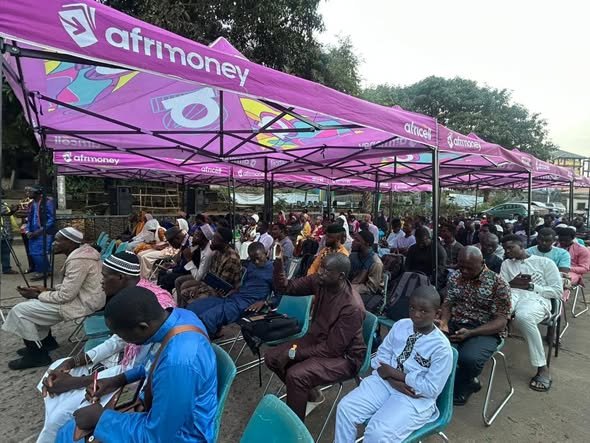
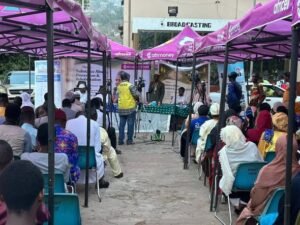
In furtherance of that objective, the U.S. Embassy in Freetown, in collaboration with the Supreme Islamic Council of Sierra Leone (SICRSL), on December 15, 2025 hosted a Visa Security and Anti-Fraud Workshop for Muslim religious leaders. The engagement brought together more than 200 imams and Muslim community leaders from across the country.

The opening ceremony featured remarks from Chargé d’Affaires Jared Yancey, Director, Ministry of Information and Civic Education, Emmanuel AB Turay and Secretary General of the Supreme Islamic Council of Sierra Leone, Sheik Ibrahim Barrie.

Addressing participants, Chargé d’Affaires Jared Yancey emphasized the importance of responsible visa use, noting that adherence to visa conditions is critical to maintaining trust and security. “Visas must be used for their intended purpose as the integrity of our system is essential to protecting American interests,” he stated.

The workshop also highlighted the range of consular services available to American citizens and underscored the vital role community leaders play in raising awareness and preventing visa fraud. Speakers stressed that partnerships with trusted institutions such as SICRSL are key to promoting lawful travel, protecting communities and preserving the credibility of international migration systems.

The U.S. Embassy expressed appreciation to the Supreme Islamic Council of Sierra Leone for its cooperation and leadership, reaffirming its commitment to continued collaboration. Both institutions pledged to work together to combat visa fraud, uphold U.S. law and advance shared values of responsibility, security and mutual respect.