Home Blog Page 73

Minimum Wage Raised to NLe 1,200 as Government Expands Social Protection for Informal Sector

Minister of Employment, Labour and Social Security, Mohamed Rahman Swaray

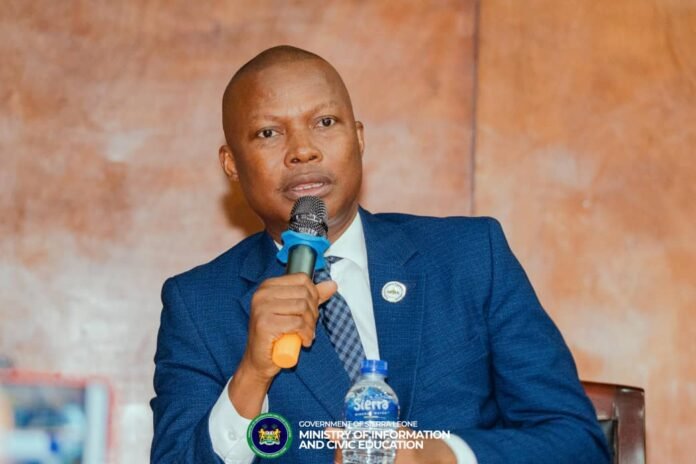
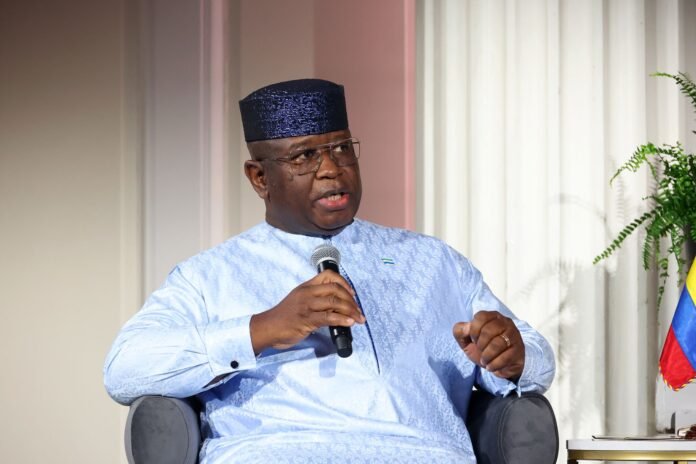
Sierra Leone’s Minister of Employment, Labour and Social Security, Mohamed Rahman Swaray, has announced a major labour reform that will see the national minimum wage increased from NLe 800 to NLe 1,200, effective April 2026. The announcement was made during the Salone Civic Festival held on 12 December 2025, organized by the Ministry of Information and Civic Education.

The development follows months of consultations with employers and labour partners across the country, initiated after His Excellency President Dr. Julius Maada Bio acknowledged that the existing wage no longer reflects the country’s economic realities.

“After extensive negotiations with employers nationwide, we have agreed to increase the minimum wage to NLe 1,200 effective April 2026,” Minister Mohamed Rahman Swaray said. “While it may not fully meet expectations, it provides essential relief for citizens confronting economic challenges.”

In addition to the wage increase, Mohamed Rahman Swaray unveiled a sweeping social protection initiative targeting millions of Sierra Leoneans currently excluded from the National Social Security and Insurance Trust (NASSIT).

He noted that NASSIT’s current coverage reaches only the formal sector, approximately 9 percent of the population, leaving the vast informal sector without any structured safety net.

“The informal sector constitutes nearly 70 percent of our population: traders, bike riders, tailors, fishermen, market women and countless others,” the Minister said. “Our policy now seeks to extend social protection to this majority who drive our economy every day.”

He confirmed that the Law Officers’ Department has completed the first draft of the legal framework for the scheme, which will be presented to Parliament in the first quarter of 2026.

Mohamed Rahman Swaray underscored that integrating informal workers into NASSIT is essential for safeguarding their long-term security.

“The scheme is designed to eliminate uncertainty about their future,” he explained. “At retirement or during illness, they will have something reliable to fall back on. Their contributions today will become their lifeline tomorrow.”

Under the new framework, informal sector workers will be entitled to retirement pensions, survivors’ benefits and other social protection mechanisms currently available only to formal employees.

The increase in the minimum wage, combined with plans to expand NASSIT coverage, signals a major shift toward an inclusive labour system in Sierra Leone.

By addressing immediate wage concerns while laying the foundation for long-term security for informal workers, the reforms reflect President Bio’s commitment to ensuring no worker is left behind.

As Parliament prepares to consider the new framework in early 2026, the initiatives promise to reshape Sierra Leone’s labour landscape and strengthen national economic resilience.

IMF Endorses Sierra Leone’s Reforms, Approves US$79.8 Million Support

By Alvin Lansana Kargbo

The Executive Board of the International Monetary Fund (IMF) has on Tuesday December 16, 2025 completed the first and second reviews of Sierra Leone’s economic reform programme under the Extended Credit Facility (ECF), paving the way for the immediate disbursement of SDR 58.3 million, equivalent to about US$79.8 million.

The approval brings total disbursements under the ECF arrangement to SDR 93.3 million (approximately US$127.8 million), marking a significant milestone in Sierra Leone’s engagement with the IMF and reinforcing international confidence in the country’s economic reform agenda.

The ECF arrangement was approved by the IMF Board on October 31, 2024, to support debt sustainability, curb fiscal dominance, reduce inflation, rebuild foreign exchange reserves, promote growth and strengthen governance, institutions and the rule of law. While the first review was delayed due to fiscal slippages in 2024; characterized by spending overruns partly financed through central bank purchases of Government securities, reserve depletion, and delays in reforms, programme performance has since improved markedly.

In completing the reviews, the IMF Executive Board approved waivers for the non-observance of several performance criteria, including targets on net credit to Government, net domestic assets and net international reserves at end-December 2024, as well as the end-June 2025 target on net international reserves. Those waivers were granted on the basis of corrective actions undertaken by the authorities to restore programme momentum.

Sierra Leone’s macroeconomic outlook remains broadly stable. Economic growth is projected to reach 4.4 percent in 2025, supported primarily by expansion in the mining and agriculture sectors. Inflation declined sharply to 4.4 percent in October 2025, reflecting tight macroeconomic policies and a relatively stable Leone and is expected to remain in single digits over the medium term.

However, the IMF cautioned that challenges persist. Foreign exchange reserves declined to 1.5 months of import cover as of end-September 2025, while public debt remains at high risk of distress. The outlook is also exposed to downside risks, including potential reform fatigue given the scale of fiscal adjustment required.

At the conclusion of the Board’s discussion, the IMF’s Acting Chair and Deputy Managing Director, Mr. Bo Li, commended the authorities for restoring programme credibility and noted that the economy is responding positively.

He observed that inflation has fallen significantly, the Leone has remained stable, growth is close to potential and borrowing costs have declined to more sustainable levels. Nonetheless, he stressed that maintaining debt sustainability and rebuilding reserves must remain top priorities.

Mr. Li underscored the importance of tighter fiscal policy, noting that the authorities’ decision to strengthen fiscal consolidation beyond earlier plans is imperative in light of past slippages. He emphasized the need for steadfast implementation of recent revenue measures, alongside improvements in tax compliance and administration. Public financial management reforms, he added, will be critical to preventing future overruns, while protecting social spending to cushion the most vulnerable.

On debt management, the IMF urged the authorities to adhere to the ambitious fiscal adjustment path, intensify efforts to secure grants and concessional financing, lengthen debt maturities, broaden the investor base and ensure Government securities are issued at sustainable rates.

The IMF also advised that monetary policy can continue transitioning toward a neutral stance given low inflation and ongoing fiscal consolidation. Strengthening central bank safeguards, enhancing the monetary policy framework, rebuilding reserves and allowing the exchange rate to adjust flexibly to shocks were highlighted as urgent priorities, alongside curtailing Government foreign exchange spending.

The IMF welcomed ongoing efforts to strengthen financial sector oversight, regulation and safety nets, noting that those measures will bolster financial stability. The authorities were encouraged to continue proactively addressing solvency challenges within the banking system.

Progress on structural reforms was described as essential to underpinning long-term growth. In that regard, the IMF welcomed the publication of Sierra Leone’s Governance and Corruption Diagnostic report and urged the authorities to focus on its full and consistent implementation to address governance weaknesses and corruption vulnerabilities.

The completion of the first and second reviews represents a major endorsement of Sierra Leone’s economic trajectory. The immediate access to nearly US$80 million is expected to strengthen the country’s financial buffers, support priority development spending and protect vulnerable populations at a time of continued global and domestic pressures.

The development reflects the Government’s commitment to macroeconomic stability, fiscal discipline and inclusive growth. Under the leadership of President Julius Maada Bio, fiscal consolidation efforts led by the Ministry of Finance and monetary stability measures anchored by the Bank of Sierra Leone have been central to restoring confidence and meeting IMF benchmarks.

The additional financing is expected to support investments aligned with national development priorities, including social services, infrastructure and private sector activation, while sustaining fiscal and monetary stability.

Welcoming the IMF decision, the Minister of Finance reaffirmed the Government’s commitment to disciplined economic management and accelerated reforms aimed at fostering a stable, inclusive and prosperous Sierra Leone.

IGP Fayia Sellu Commends Police Officers, Assures Nationwide Security for Christmas and New Year

Inspector General of Police (IGP), William Fayia Sellu

By Amin Kef (Ranger)

The Inspector General of Police (IGP), William Fayia Sellu, has commended officers of the Sierra Leone Police (SLP) for their dedication, resilience and professionalism throughout 2025, while assuring citizens and residents of comprehensive security measures ahead of the Christmas and New Year festivities.

In his Christmas and New Year message addressed to police officers, development partners, stakeholders and the general public, IGP William Fayia Sellu described 2025 as a year marked by both challenges and notable achievements for the Sierra Leone Police. He noted that despite prevailing security concerns within the country and across the wider sub-region, the SLP remained steadfast in fulfilling its constitutional mandate to protect lives and property, maintain law and order, and uphold the rule of law.

According to the IGP, the police institution sustained relative peace and stability nationwide through proactive policing strategies, intelligence-led operations and strengthened inter-agency collaboration. He explained that those approaches have enhanced the SLP’s ability to anticipate, prevent and respond effectively to security threats, thereby reinforcing public confidence in law enforcement.

IGP William Fayia Sellu paid glowing tribute to police personnel across all ranks, acknowledging their sacrifices and unwavering commitment to duty. He said the professionalism and resilience displayed by officers, often at great personal cost, have been instrumental in maintaining public safety and national stability.

“I commend all police personnel for their dedication, resilience and professionalism throughout the year. Your sacrifices and unwavering commitment are deeply appreciated,” the IGP stated.

One of the most significant milestones highlighted in the message was the continued implementation of the Sierra Leone Police transition agenda from a “Force” to a “Service.” IGP William Fayia Sellu described the reform as a cornerstone of modern policing in Sierra Leone, underscoring the institution’s commitment to people-centred policing, accountability, professionalism, respect for human rights and stronger community partnerships.

He disclosed that during the year under review, the Sierra Leone Police recorded several institutional and developmental achievements. These include capacity-building initiatives, improvements in personnel welfare, the expansion of specialized units, enhanced training programmes, infrastructural development and the integration of modern technology to support effective and efficient policing. The IGP attributed those achievements to the continued support of the Government of Sierra Leone, international partners and the cooperation of the general public.

As the country approaches the festive season, IGP William Fayia Sellu assured citizens that comprehensive security measures have been put in place nationwide to ensure a peaceful, safe, and secure Christmas and New Year celebration. He said police officers will remain visibly deployed across the country to provide effective patrols, manage traffic flow and ensure rapid response to incidents.

“Officers will remain deployed nationwide to provide visible policing, traffic management and rapid response services. I urge the public to celebrate responsibly, adhere to the law and cooperate fully with law enforcement personnel,” he appealed.

Looking ahead to 2026, the Inspector General expressed optimism and resolve, noting that the Sierra Leone Police will consolidate the gains already achieved while addressing emerging and evolving security threats. He said the institution remains committed to further improving service delivery and strengthening internal systems to meet contemporary security challenges.

The IGP outlined key priorities for the coming year, including deepening community engagement, strengthening discipline and professionalism within the force, and leveraging innovation and modern policing strategies. He stressed that those priorities are essential to supporting national peace, democratic governance and sustainable development.

He further called on citizens to continue supporting the Sierra Leone Police by remaining law-abiding, vigilant and proactive in sharing information that promotes public safety. According to him, effective policing thrives on trust and cooperation between the police and the communities they serve.

“Policing is a shared responsibility and together we can build a safer and more peaceful Sierra Leone,” the IGP emphasized.

On behalf of the Sierra Leone Police, IGP William Fayia Sellu expressed sincere appreciation to His Excellency the President, the Government of Sierra Leone, development partners, sister security agencies, the media and the general public for their continued support and cooperation throughout the year.

He concluded by wishing all Sierra Leoneans a Merry Christmas and a Prosperous New Year, expressing hope that 2026 will bring renewed peace, unity and progress for the Sierra Leone Police and the nation at large.

Shalimar Trading Ignites Festive Excitement with Nationwide 2025 Holiday Raffle — HLX 125 Set as Grand Prize

By Foday Moriba Conteh

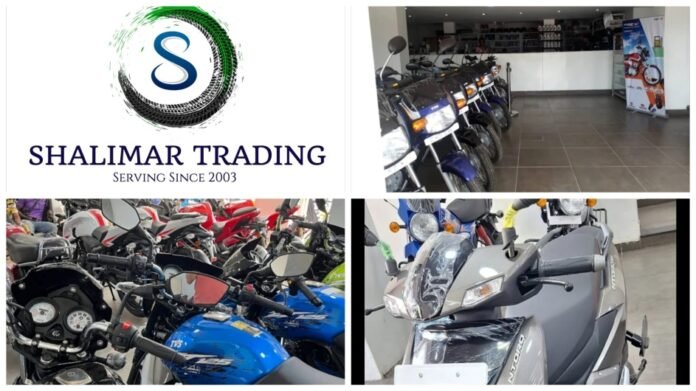
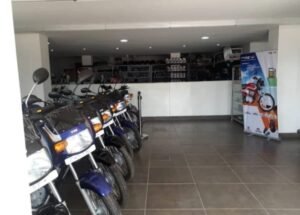
Shalimar Trading’s 2025 Holiday Raffle has sparked remarkable excitement across Sierra Leone, as customers rush to secure their entries for a chance to win the premium HLX 125 motorbike; the star prize of this year’s nationwide festive promotion. The final winning ticket will be unveiled during a live televised draw on AYV, a moment many riders and buyers are eagerly anticipating.

The campaign, which runs until 22 December 2025, has already triggered a surge in customer turnout at Shalimar’s outlets. Riders, transport operators and first-time buyers alike have been taking advantage of the promotion, each transaction automatically converting into a raffle entry.

Management says the heightened participation reflects growing trust in the company’s transparent raffle process and its reputation for stocking durable, high-performance products. According to officials, the promotion is designed not only as a year-end appreciation gesture but also as a way to support income-generating opportunities for Sierra Leoneans during the busy festive season.

Every purchase of a motorbike or tricycle (kekeh) qualifies for one raffle ticket and multiple purchases increase the chances of winning the widely admired HLX 125 a ;model celebrated for its strength, fuel efficiency and suitability for both commercial and rural mobility.

Across the country, customers have shared their enthusiasm, noting that the chance to win a motorbike of such value at no extra cost is an “unmissable bonus” during the holiday period. Shalimar’s outlets continue to record strong engagement, with many customers making early purchases to maximize their entries before the deadline.

The company further reaffirmed that it remains committed to reliability, customer empowerment and accessible mobility. The raffle, they said, symbolizes Shalimar Trading’s ongoing partnership with communities, especially riders whose livelihoods depend on dependable machines and affordable spare parts.

Shalimar Trading Limited continues to reinforce its position as one of Sierra Leone’s most influential automobile distributors, offering customers unmatched access to world-class mobility solutions through its exclusive partnership with TVS Motor Company of India; a global giant known for engineering excellence and product reliability.

As the sole authorized distributor of TVS motorcycles and three-wheelers in Sierra Leone, Shalimar Trading has successfully expanded the brand’s footprint nationwide, making TVS a household name among riders, commercial operators and families seeking efficient, affordable and durable transportation.

A Portfolio Designed for Every Rider

  • TVS Star LX
    Famed for its strong engine, low fuel consumption and minimal maintenance cost, the Star LX remains a preferred option for daily commuters and professional riders.
  • TVS Victor
    Stylish yet practical, the Victor appeals to office workers, entrepreneurs and individuals who value comfort combined with performance.
  • TVS Jupiter
    A commuter-friendly scooter ideal for navigating crowded urban areas like Freetown, offering superior comfort and smooth handling.
  • TVS King Deluxe (Tricycle)
    A leader in the passenger transport segment, built for stability, space and reliability, making it ideal for small-scale commercial transport and family mobility.
  • TVS Star HLX Series (100ES, 100KS, 125, 150cc)
    The backbone of Sierra Leone’s commercial transport system. HLX models deliver unmatched durability on both paved and rural roads, earning a reputation as the choice of professional riders.
  • TVS Apache RTR 200
    A high-performance machine that gives speed lovers advanced control, power and sports-bike handling.
  • TVS NEO XR & TVS ZT 125
    Urban-friendly, stylish, and built for younger, trend-conscious riders.
  • TVS XL 100
    A multipurpose powerhouse ideal for families, traders and delivery services thanks to its wide frame, impressive fuel efficiency and strong load capacity.

Shalimar Trading’s commitment goes beyond supplying motorcycles. Its countrywide spare parts availability, skilled technicians and dedicated customer service have earned it longstanding loyalty across Sierra Leone.

The company’s portfolio extends to globally respected brands such as Suzuki, Sonalika International, Isuzu, CFMOTO and Leyland, strengthening its position at the forefront of transportation innovation in the sub-region.

Address: 39A Freetown Road, Freetown
Phone: +232 76 308184
Follow Shalimar Trading on Facebook and Instagram for product updates, promotions and raffle information.

With operations now stretching into Liberia, Shalimar Trading is broadening its regional presence, contributing to West Africa’s transportation growth and empowering individuals and businesses with dependable mobility solutions.

Tzu Chi Foundation Promotes Interfaith Dialogue, Distributes Rice to 3,200 Beneficiaries in Freetown

By Ibrahim Sesay 

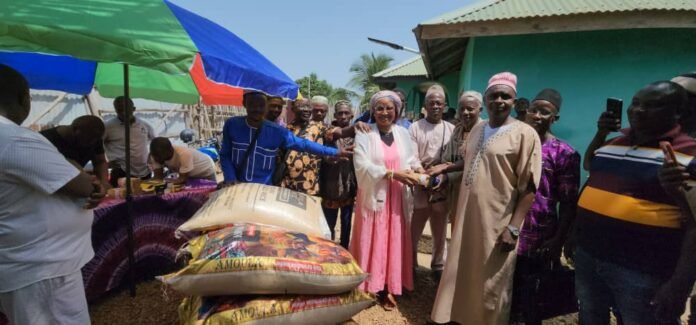
The Buddhist Tzu Chi Foundation, with support from Caritas Freetown, Lanyi Foundation and Healey International Relief Foundation, on Thursday, 18 December 2025, hosted an interfaith dialogue and rice distribution exercise at Sheikh Tais Academy, Kissy Shell Lorry Park in Freetown.

Held under the theme: “Uniting Against Substance Abuse for a Healthy and Hopeful Sierra Leone,” the event brought together Christian, Muslim, Rastafarian and Buddhist leaders, youth groups and community members to promote religious tolerance, national cohesion and collective action against the growing challenge of substance abuse, especially kush.

Speaking on efforts by the Christian community to combat drug abuse, Rev. Dr. Joseph T. Kamanda of the Catholic Mission said prayer remains the first line of defence, noting that churches have continued to seek divine intervention against the menace. He disclosed that a rehabilitation centre has been established to support victims recovering from harmful substance addiction. Rev. Dr. Joseph T. Kamanda Kamanda also advocated for the establishment of skills training centres, stressing that empowering young people with vocational skills would reduce their vulnerability to drug abuse.

Similarly, Sheikh Fomba Swaray of the Sierra Leone Muslim Missionary Union warned against substance abuse, referencing a verse from the Holy Quran which cautions believers not to engage in self-destruction. He said drug addiction negatively affects national development, emphasizing that only productive citizens can contribute meaningfully to the growth of the country.

Representing the Buddhist community, Bodhisattva Mohamed Pabai said Buddhism teaches karma, explaining that every action has consequences. He noted that drug abuse among young people poses a serious threat to the future of Sierra Leone, as the youth are tomorrow’s leaders.

He called for communal discipline, stressing that addressing Kush requires collective responsibility beyond individual families. He further revealed that a 2023 survey conducted at the Kissy Psychiatric Hospital showed that many college students had been affected by Kush, adding that Buddhist groups engage communities through sensitization campaigns in addition to prayer.

In his statement, the Director of Social and Religious Affairs at the Ministry of Social Welfare, John Conteh, described the event as a reflection of Sierra Leone’s longstanding tradition of religious tolerance. He said the Ministry has developed a Religious Policy aimed at strengthening peaceful coexistence and has already begun engagements with the Inter-Religious Council. John Conteh commended the Tzu Chi Foundation and its partners for their humanitarian support to vulnerable families.

Delivering a statement on behalf of Dharma Master Cheng Yen, founder of the Tzu Chi Foundation, Margaret Bassie said all religions share a common path of love and compassion. She noted that while suffering, disasters and calamities exist in the world, religions are united in responding with care and empathy.

Margaret Bassie emphasized that no single religion or individual can address societal challenges alone, calling for collective efforts across faiths. She added that although religions may differ in name, they share the same values and desire to spread blessings and love to humanity.

Expressing gratitude, Kadiatu Mansaray, a beneficiary, said the donation would help her family enjoy the holidays, noting that life has been difficult for her as a single mother. Another beneficiary, Ibrahim Kamara, described the gesture as consistent support from the Foundation, praying for continued blessings to enable the organization to sustain its humanitarian work.

The event concluded with the distribution of bags of rice to beneficiaries, providing relief to families facing economic hardship during the festive season.

High Court Convicts Former SLRSA Boss and Procurement Manager Over Corruption

Dr. Sarah Finda Bendu, former Executive Director of the Sierra Leone Road Safety Authority (SLRSA)

By Foday Moriba Conteh

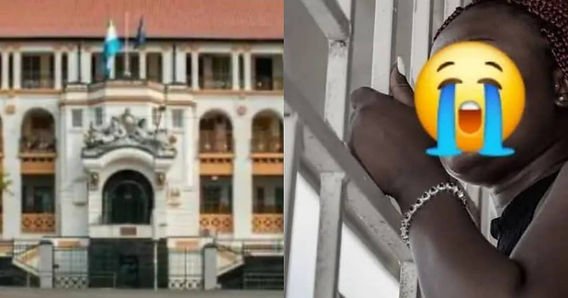
The High Court of Sierra Leone sitting in Freetown has convicted Dr. Sarah Finda Bendu, former Executive Director of the Sierra Leone Road Safety Authority (SLRSA) and Victor Labor, the institution’s former Procurement Manager, on multiple corruption-related charges involving the misappropriation of public funds.

The conviction was handed down on Monday, 15 December 2025, by Honourable Justice Cosmotina Jarrett J., following a trial instituted by the Anti-Corruption Commission (ACC).

Dr. Sarah Finda Bendu was found guilty on eight counts, while Victor Labor was convicted on six counts under the Anti-Corruption Act of 2008. The offences included misappropriation of public funds, conspiracy to commit a corruption offence, failure to comply with procurement procedures and failure to comply with financial management guidelines.

According to the court, the offences occurred between 2016 and 2017 and arose from a corrupt scheme involving payments made by the SLRSA to two clearing and forwarding agencies for services that were never rendered. These actions resulted in the diversion of substantial public funds.

In delivering her verdict, Justice Cosmotina Jarrett held that Dr. Sarah Finda Bendu, in her capacity as Executive Director and Vote Controller, “authorized multiple disbursements without due diligence, allowed payments to be processed on forged and irregular documents and enabled the diversion of large sums of government funds.”

The judge further ruled that Victor Labor facilitated the fraudulent scheme by preparing and approving procurement documentation that gave legitimacy to unlawful payments. She noted that he knew, or ought to have known, that the transactions were unsupported by proper procedures.

Justice Cosmotina Jarrett described the offences as grave, stating that they reflected a sustained pattern of corruption over nearly two years and constituted a serious breach of public trust.

In sentencing, the court fined Dr. Sarah Finda Bendu Le 240,000,000 (old Leones), payable immediately, and ordered her to restitute Le 697,245,506 (old Leones) to the Government of Sierra Leone within six months. Victor Labor was fined Le 180,000,000 (old Leones) and similarly ordered to pay Le 697,245,506 (old Leones) as restitution within the same period.

Both convicts were also barred from holding public office for three years, in addition to the financial penalties imposed.

The case dates back to September 2019, when the ACC charged Dr. Sarah Finda Bendu, Victor Labor and Kipiatu Alghali, Head of a Clearing and Forwarding Agency, with multiple corruption offences. While Kipiatu Alghali pleaded guilty at her first appearance and was fined and ordered to refund over Le 500 million to the state, Dr. Sarah Finda Bendu and Victor Labor pleaded not guilty, leading to a full trial.

Reacting to the judgment, ACC Commissioner, Francis Ben Kaifala Esq. described the ruling as an exemplary anti-corruption decision, noting that the case involved the misappropriation of over Le 2 billion in public funds.

The Anti-Corruption Commission has reaffirmed its commitment to protecting public resources and ensuring accountability in public institutions, stressing that no individual is above the law.

SLCAA DG Receives Dual National Recognition for Service Excellence and Gender Leadership

#image_titlea Musayeroh Barrie

By Amin Kef (Ranger)

The Sierra Leone Civil Aviation Authority (SLCAA) has received high-level national recognition from the Bai Bureh Heritage Foundation and Women’s Forum Sierra Leone for its outstanding commitment to service excellence, institutional leadership and the promotion of gender equality.

The honours were conferred during two separate national events held in December 2025, reflecting growing public and civil society acknowledgment of SLCAA’s reforms, governance standards and people-centred approach to public service delivery.

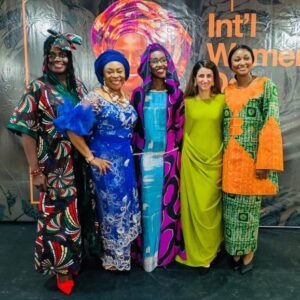
The first recognition was presented at the 8th Bai Bureh Heritage Service Delivery Awards, held on Saturday, 13 December 2025, in Port Loko, under the theme: “Fostering Development Through Service Excellence Recognition.” The Authority was later honoured at the Women’s Forum Sierra Leone 6th Annual National Prestigious Awards and Fundraising Dinner on Sunday, 14 December 2025, at the Freetown International Conference Centre in Aberdeen, themed: “Sustainability of Women Solidarity for Justice, Peace and National Development.”

At the Bai Bureh Heritage Service Delivery Awards, SLCAA Director General, Madam Musayeroh Barrie, delivered the keynote address and accepted an Award of Appreciation on behalf of the Authority for its contributions to community development and improved service delivery. She described the recognition as a reflection of collective institutional effort, rather than individual accomplishment.

Madam Musayeroh Barrie commended the Bai Bureh Heritage Foundation for creating a national platform that promotes dialogue on accountability, integrity and excellence in public service. She noted that national development is driven not only by infrastructure and policies, but by institutions and professionals committed to quality, innovation and ethical leadership in their daily responsibilities.

According to her, effective leadership is defined by service to citizens, the nation and future generations. She emphasized that transparent and responsive service systems are critical to national progress across key sectors, including aviation, health, education and local governance.

Highlighting reforms undertaken by the SLCAA over the past two years, the Director General explained that the Authority has implemented measures aimed at strengthening institutional efficiency, enhancing regulatory compliance and aligning Sierra Leone’s aviation standards with international best practices. She identified safety, transparency and customer-focused service delivery as core priorities guiding the Authority’s operations.

While acknowledging ongoing operational challenges, including flight delays and baggage handling issues, Madam Musayeroh Barrie assured the public that continuous improvement remains a top priority. She credited the dedication, professionalism and innovation of SLCAA staff for sustaining progress and navigating operational constraints, noting that reform is an ongoing process.

She described the Bai Bureh Heritage award as recognition and a call to action, urging public institutions to embed excellence as a culture, lead with integrity and embrace innovation that prioritizes the public good. She dedicated the award to the staff of the Sierra Leone Civil Aviation Authority and to public servants across the country working tirelessly to improve service delivery.

At the Women’s Forum Sierra Leone Awards and Fundraising Dinner, Madam Musayeroh Barrie addressed national leaders, development partners and civil society representatives on the importance of women’s empowerment as a central pillar of national development. She emphasized that gender equality is not merely a social issue but a developmental necessity.

She referenced Sierra Leone’s Gender Equality and Women’s Empowerment Act as clear evidence of the Government’s commitment to advancing the rights, participation and leadership of women across all sectors. Madam Musayeroh Barrie noted encouraging progress in the increasing representation of women in traditionally male-dominated fields, including aviation engineering, regulation and administration.

However, she cautioned that representation alone is not sufficient, stressing that women in leadership positions continue to face stereotypes, discrimination and digital harassment. She called for stronger institutional protections to safeguard women’s dignity, mental wellbeing and full participation in public life.

Addressing young women and girls, the Director General urged them to remain resilient, disciplined and confident, emphasizing that leadership is built through perseverance, courage and purpose. She encouraged women to pursue opportunities in all sectors, including aviation, science and governance and to contribute meaningfully to national development.

Madam Musayeroh Barrie described the Women’s Forum awards and fundraising dinner as an investment in Sierra Leone’s future, noting that empowering women strengthens families, communities and national institutions.

On behalf of the Sierra Leone Civil Aviation Authority, she reaffirmed the institution’s commitment to promoting gender equality, expanding opportunities for women in aviation and upholding principles of good governance, transparency and professional excellence. She concluded by calling for sustained national efforts to create an enabling environment in which women and girls can fully contribute to peace, justice and sustainable development.

Salima Bah Named to TechCabal’s Inaugural Builders’ List for Transforming Sierra Leone’s Digital Ecosystem

By Amin Kef (Ranger)

Salima Monorma Bah, Sierra Leone’s Minister of Communication, Technology and Innovation, has been named to TechCabal’s inaugural Builders’ List, an editorial index recognizing individuals making measurable and durable contributions to Africa’s technology ecosystem. Her inclusion places Sierra Leone firmly on the continental map of countries driving real digital transformation through policy, infrastructure and visionary public leadership.

Appointed at the age of 32 as Sierra Leone’s first Minister of Communication, Technology and Innovation, Salima Monorma Bah has approached public service with the urgency and execution mindset of a technology founder. Rather than limiting her role to regulation, she has positioned Government as an active architect of the digital ecosystem, aggressively engineering the systems required to unlock innovation and long-term growth. Her work aligns with President Dr. Julius Maada Bio’s vision of transforming Sierra Leone into the “Estonia of Africa” through digital governance, connectivity and innovation-led development.

Central to her tenure has been a bold focus on digital infrastructure as the foundation of innovation. Under her leadership, Sierra Leone’s international internet bandwidth capacity expanded dramatically from about 90 gigabits per second (Gbps) to over 500 Gbps. This leap has laid the groundwork for faster, more reliable connectivity and an open-access, 5G-ready network that lowers barriers for private sector participation. Speaking to TechCabal earlier this year, the Minister underscored the importance of infrastructure, noting that meaningful innovation cannot occur without strong digital rails.

Salima Monorma Bah’s philosophy is anchored in the belief that internet access is a basic human right and a catalyst for inclusive development. That conviction has translated into action, with more than US$132 million in direct Government investment channeled into digital infrastructure, access and ecosystem development during her tenure. Initiatives include connecting universities through satellite internet solutions such as Starlink, expanding open-access fibre networks and strengthening digital public infrastructure to support services delivery, innovation and governance.

One of the flagship projects under her leadership is the Felei Tech City, a 130-acre Special Economic Zone in Bo District. Designed as a “living lab” for startups, innovators and data centres, the project aims to decentralize innovation, attract investment and create a conducive environment for technology-led enterprises. The initiative reflects a strategic shift toward long-term ecosystem building, positioning Sierra Leone as a hub where talent is nurtured locally and connected globally.

Despite being a relatively small market, Sierra Leone has begun to think and act beyond its size. Under Salima Monorma Bah’s stewardship, the country is building systems where connectivity becomes currency and talent becomes a key export. Her work demonstrates that with clear vision, political will and capable leadership, smaller economies can compete meaningfully in the digital age.

TechCabal’s Builders’ List was launched to recognize individuals whose work is shaping Africa’s technology ecosystem beyond headlines and hype. Drawing from over 600 researched candidates across all 54 African countries, the editorial team assessed nominees based on what materially changed within the calendar year, considering context such as geography, regulation, capital access and institutional maturity. The final selections reflect durable impact rather than reputation or visibility alone.

The Builders’ List groups honourees into five categories: Operators, Innovators, Enablers, Organisers and Keepers, offering a comprehensive view of how Africa’s technology ecosystem functions. Salima Monorma Bah’s inclusion highlights the often under-recognized but critical role of public leadership in enabling technology ecosystems through infrastructure, policy and institutional reform.

Reacting to the recognition, the Ministry of Communication, Technology and Innovation described the honour as a testament to Sierra Leone’s growing role in Africa’s digital transformation. In a statement shared on its official Facebook page, the Ministry congratulated Salima Monorma Bah on being named to the list, noting that her selection reflects measurable progress in infrastructure development, digital access and ecosystem investment.

“This recognition by TechCabal places Sierra Leone on a continental map of builders driving real change,” the Ministry stated, adding that it underscores the importance of policy, infrastructure and public leadership in creating environments where innovation can thrive.

As Africa’s technology ecosystem enters what TechCabal describes as its “endurance era,” the focus is shifting from rapid growth and spectacle to durability, systems and long-term value. Salima Monorma Bah’s work exemplifies this transition; demonstrating how strategic public investment and thoughtful leadership can lay foundations that others can build on for years to come.

Fear And Tension Over Same-Sex Marriage: Public Outrage, Police Probe And Human Rights Debate

Salmata Bah caught up in the broader tension among law, faith and fundamental human rights...

By Mohamed Mattia

A wave of tension and controversy has swept through Waterloo and Freetown in the Western Area following a widely reported incident involving what residents described as a same-sex marriage ceremony between two women, an event that has ignited fierce public debate, police attention and serious human rights concerns, with particular focus now placed on the roles allegedly played by the officiators and special guests. From what this medium learnt, the ceremony took place in the Bango Farm area of Waterloo in September 2025 and involved two women identified as Massah Mansaray and Jannet, whose gathering was quickly interpreted by onlookers as a same-sex marriage as they were dressed in wedding attires. According to eyewitness accounts, concerned residents alerted the police, prompting officers to escort Massah Mansaray and Jannet to the Corner Kick Police Post for questioning while investigations were opened to determine whether any laws had been violated.

The incident rapidly attracted national attention due to Sierra Leone’s strong legal, cultural and religious opposition to same-sex unions. Although the country’s criminal laws have historically focused on prohibiting male same-sex sexual activity, same-sex marriage is neither recognized nor permitted under civil, customary or religious law, and public acceptance remains extremely low. Community reaction was swift and intense, with religious leaders, including the Inter-Religious Council of Sierra Leone, condemning the reported ceremony as inconsistent with the nation’s moral and faith-based values.

Attention has also turned to the alleged roles played by Salmata Bah from Wellington, who, according to multiple accounts, was present at the gathering in her capacity as a godparent to one of the women and alongside an Imam who allegedly officiated the ceremony exposing them. Although some family members of Salmata Bah intimated that her presence was purely ceremonial and familial, insisting that she did not organize the event, however, other voices within the community have levelled grave accusations against Salmata, alleging that despite being married, she is bisexual and that such is the reason why she is barren. Those claims, which remain unproven, have circulated widely and have significantly intensified public anger toward her.

One of her sisters intimated this medium that Salmata Bah is willing to resettle in her community but is seriously afraid of facing widespread backlash.

According to local sources, the Imam alleged to have officiated the ceremony has also come under severe criticism, threat, with many Sierra Leoneans describing his alleged involvement as an act of sacrilege. From what this medium learnt, both Salmata Bah and the Imam are currently the subject of an intense manhunt by the police as well as by angry members of the public. It was further learnt that, due to mounting threats and fears for their safety, Salmata Bah, the Imam, and the couple, Massah Mansaray and Jannet, have all gone into hiding, as their lives are said to be in serious peril.

The situation has raised profound human rights implications, particularly concerning the safety, dignity and due process rights of all those involved. While Sierra Leone’s laws and dominant religious beliefs firmly reject homosexuality, lesbianism and same-sex marriage, human rights advocates caution against mob justice, harassment and the spread of unverified allegations that could lead to violence. Observers note that the current climate underscores the delicate balance between upholding national laws and values and protecting individuals from harm, discrimination and extrajudicial punishment.

As investigations continue, the case has become a stark reminder of the deep societal divisions surrounding sexuality and religion in Sierra Leone, with the couple, Salmata Bah and the Imam now at the centre of a controversy that reflects broader tensions between law, faith and fundamental human rights.

At High-Level Political Dialogue… EU, Sierra Leone Pledge Deeper Cooperation on Security, Trade and Governance

By Amin Kef (Ranger)

The Government of the Republic of Sierra Leone and the European Union (EU) have reaffirmed their enduring political, economic and development partnership following the successful conclusion of the 2025 Annual Political Partnership Dialogue, held on Tuesday December 16, 2025 at State House in Freetown.

The high-level engagement was chaired by His Excellency Dr. Julius Maada Bio, President of the Republic of Sierra Leone and brought together senior Ministers and top Government officials. The European Union delegation was led by Olof Skoog, Deputy Secretary-General for External Action, accompanied by six EU Ambassadors accredited to Sierra Leone and senior diplomats, reflecting the importance both sides attach to the dialogue.

Both parties welcomed the continued convening of the Political Partnership Dialogue, describing it as a cornerstone of the long-standing, mutually beneficial relationship between Sierra Leone and the European Union. The forum provides a structured platform for frank exchange, strategic alignment and cooperation on key national, regional and global issues.

Discussions during the dialogue were constructive and forward-looking, organized around three interrelated priority areas: democracy and the rule of law, regional and multilateral affairs and socio-economic partnership.

On democracy and governance, both parties reaffirmed their shared belief that democratic systems remain the most sustainable foundation for peace, stability and inclusive development. The Government of Sierra Leone highlighted ongoing political and governance reforms aimed at strengthening public trust in democratic institutions and electoral processes. In that regard, Sierra Leone welcomed continued EU support, including through European Union Electoral Observation Missions, which have played a key role in reinforcing electoral credibility and transparency.

Building on that commitment to the rule of law, both sides agreed to intensify cooperation in the fight against organized crime, illicit drug trafficking and transnational criminal networks. They stressed the need for coordinated action, stronger institutions and enhanced information-sharing to confront those growing threats, which undermine security, public health, governance and regional stability.

The European Union acknowledged Sierra Leone’s strengthened international profile in 2025, marked by its second year as a Non-Permanent Member of the United Nations Security Council and its Presidency of the Council in November 2025. The EU commended Sierra Leone’s constructive engagement in addressing regional and global crises and its consistent advocacy for African perspectives within multilateral platforms.

At a time when multilateralism faces mounting global pressures, both parties reaffirmed their commitment to a rules-based international order anchored in the United Nations system. They underscored their shared dedication to international law, the principles of the UN Charter, human rights and fundamental freedoms, with particular emphasis on gender equality as a cross-cutting priority.

The dialogue also focused on regional peace and security challenges, highlighting Sierra Leone’s leadership role as Chair of the ECOWAS Authority in 2025. In line with the outcomes of the African Union–European Union Summit held in Luanda in November 2025, the European Union reiterated its support for ECOWAS initiatives aimed at preserving peace, democratic governance and constitutional order across West Africa.

Both sides further emphasized the strategic importance of maritime security, recognizing its central role in safeguarding trade routes, protecting coastal communities and strengthening economic resilience in the sub-region amid increasing transnational threats.

On socio-economic cooperation, the dialogue reviewed progress on Sierra Leone’s Medium-Term National Development Plan (MTNDP) 2024–2030 and the implementation of the Government’s Big Five Game Changers. Discussions highlighted the importance of fiscal discipline, improved public financial management and sustained structural reforms to create a more conducive environment for private sector investment and inclusive economic growth.

Both parties agreed that strong governance, respect for the rule of law and decisive action against organized crime and trafficking are essential not only for social stability and citizen confidence, but also for attracting responsible investment and supporting long-term development outcomes.

At the conclusion of the dialogue, the Government of Sierra Leone and the European Union reaffirmed their shared commitment to maintaining regular high-level consultations on issues of mutual interest. The Political Partnership Dialogue will continue to complement ongoing bilateral engagement and coordination within the Development Partners Coordination Group (DEPAC), further strengthening cooperation in support of Sierra Leone’s national development priorities.