
Home Blog Page 72

President Bio Must Lead a Diplomatic Reset with the United States

By Amin Kef (Ranger)

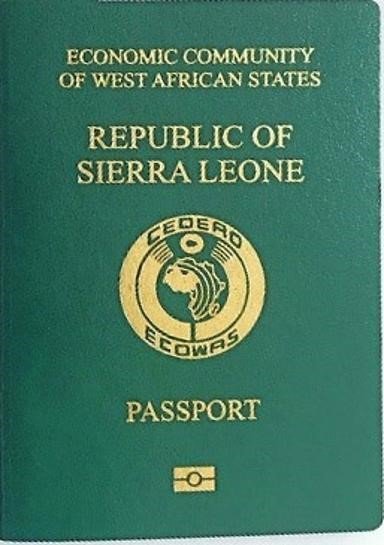
The decision by the United States to impose full entry restrictions on Sierra Leonean nationals marks a defining diplomatic moment for the Government of President Julius Maada Bio. Beyond its immediate impact on travel, education, business and family ties, the move sends a clear message: Washington expects stronger cooperation, clearer assurances and measurable reforms. How Sierra Leone responds, particularly through sustained and high-level diplomatic engagement, will determine whether the restrictions become a long-term setback or a temporary challenge that can be reversed.

In its official response, the Government of Sierra Leone has acknowledged the seriousness of the U.S. proclamation and reaffirmed its commitment to dialogue. This is a necessary starting point, but it must now be matched with a more robust, proactive and strategic diplomatic posture. The scale of the restrictions, which take effect from 1 January 2026, demands more than routine exchanges between officials. It calls for an elevated diplomatic offensive that places bilateral engagement with Washington at the centre of foreign policy priorities.

The reasons cited by the U.S., high visa overstay rates, weak cooperation on the repatriation of removable nationals and broader security and vetting concerns, are not unique to Sierra Leone. However, Washington’s decision to escalate the country from partial to full restrictions suggests dissatisfaction with the pace and effectiveness of corrective measures taken so far. This underscores the need for President Bio’s Government to move beyond assurances and demonstrate tangible progress through clear actions and credible timelines.

Critically, the U.S. proclamation is not a closed door. It provides a review mechanism every 180 days and explicitly mandates engagement with affected countries on the steps required for reconsideration. This review framework represents a diplomatic opening; one that Sierra Leone must approach with urgency, coordination and political seriousness. The challenge is not only technical compliance, but rebuilding confidence at the highest political and institutional levels.

For President Bio, this moment calls for direct presidential diplomacy. Engagement with the United States should be elevated through high-level contacts involving the Ministry of Foreign Affairs and International Cooperation, Sierra Leone’s Embassy in Washington and where necessary, direct outreach to senior U.S. State Department officials. Symbolism matters in diplomacy and visible political commitment from the highest office can signal seriousness and resolve.

One of the most sensitive issues highlighted by Washington is cooperation on the return of Sierra Leonean nationals ordered removed from the U.S. In American immigration policy, repatriation cooperation is a key measure of partnership credibility. Addressing this concern will require strong inter-agency coordination at home, faster nationality verification processes and timely issuance of travel documents. These are administrative issues, but they carry heavy diplomatic weight. Without demonstrable improvement in this area ,broader engagement risks stalling.

Visa overstay rates, particularly among students and exchange visitors, also demand urgent attention. While individual behaviour cannot be entirely controlled by the state, Government policy can shape outcomes. Stronger pre-departure screening, better regulation of education and travel agents and sustained public awareness campaigns on visa compliance are practical steps that could show Washington that Sierra Leone is taking responsibility for managing outbound migration risks.

Beyond immigration-specific issues, the situation exposes deeper structural challenges around identity management and documentation systems. Strengthening civil registration, improving passport security and enhancing information-sharing mechanisms are not only responses to U.S. concerns; they are investments in national governance and international credibility. President Bio’s Government has already prioritized digitalization and institutional reform in other sectors. Applying the same urgency to identity and migration systems would reinforce Sierra Leone’s reform narrative abroad.

The wider implications of the U.S. restrictions cannot be ignored. Thousands of Sierra Leoneans with legitimate educational, business, religious and family ties to the United States are directly affected. Universities, faith institutions, NGOs and businesses that rely on people-to-people exchanges face disruption. There are also economic risks, including reduced remittance flows and dampened investor confidence at a time when Sierra Leone is seeking to strengthen international partnerships and attract foreign capital.

Diplomatically, the restrictions place pressure on Freetown to demonstrate responsiveness and reform capacity. But they also present an opportunity. A well-coordinated response, combining diplomacy, policy reform and transparent communication, could not only lead to a reversal of the restrictions, but also strengthen bilateral relations in the long term. Washington has signaled what it expects; the question is whether Sierra Leone can respond with sufficient clarity and speed.

Public communication is another critical element. While negotiations continue behind closed doors, citizens deserve clear, honest updates from official channels. Managing public expectations, countering misinformation and explaining the diplomatic pathway forward will help maintain trust and national cohesion during what is undoubtedly a difficult period.

Ultimately, the path to reversing the U.S. entry restrictions lies in diplomacy backed by action. President Bio’s Government must treat this issue not as a routine immigration dispute but as a strategic bilateral challenge requiring sustained political attention. The coming months , particularly the first 180-day review window will be decisive. If Sierra Leone engages Washington decisively, transparently and at the highest level, the restrictions need not define the future of the relationship.

For now, the message is clear: diplomacy, not defensiveness, must lead Sierra Leone’s response.

Freetown Hosts Dream Model United Nations as Youth Take Centre Stage in Global Diplomacy Simulations

Mayor of Freetown, Yvonne Aki-Sawyerr

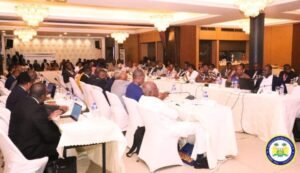
The Dream Model United Nations Conference and Diplomatic Simulations 2025 officially opened on Wednesday, December 17, at the Foreign Service Academy on Tower Hill in Freetown, bringing together young people from Sierra Leone and beyond to engage in high level diplomatic simulations and global policy debates.

The conference, known as Dream MUN, is designed to prepare Africa’s emerging diplomats and future global leaders through structured simulations of United Nations processes, leadership training and policy dialogue. Organisers described the platform as a strategic investment in youth leadership and Africa’s voice in international diplomacy.

Delivering remarks at the opening plenary, the Mayor of Freetown, Yvonne Aki-Sawyerr, said addressing aspiring young diplomats was a distinct honour, noting that leadership and diplomacy extend beyond formal titles and international postings. She stressed that public officials at all levels, including mayors and legislators, represent their countries on the global stage through their conduct, decisions and values.

Drawing from her academic background in International Relations and Political Economy, Mayor Aki-Sawyerr reflected on long standing global debates about power and influence. She observed that while the United States continues to wield significant influence, global dominance is increasingly contested, particularly with the rise of Eastern powers such as China. She added that influence is not determined solely by military or economic strength but also by cultural power and strategic global engagement.

Addressing participants directly, she outlined three core values she described as essential for young people seeking to translate ambition into credible leadership. She emphasized hard work as the foundation of meaningful success, warning against equating achievement solely with material outcomes. On integrity, she cautioned that dishonesty undermines both individual credibility and national development, urging participants to reject unethical shortcuts in education and public life. She further highlighted perseverance as critical, noting that resilience in the face of limited resources, exclusion or setbacks often determines long term success.

The Mayor also spoke on identity and representation, encouraging participants to engage internationally with confidence and pride in their African heritage. She acknowledged that African voices often operate from disadvantaged positions in global forums but maintained that self-belief and cultural confidence are essential tools for reshaping global perceptions.

The Mayor concluded by urging participants to pursue their ambitions with discipline, ethical conduct and resilience, stating that those values would determine whether their future reflections are marked by regret or tangible achievement.

Also speaking at the opening plenary, Ambassador Fatmata Sawaneh, Deputy Head of Mission to the Republic of Guinea, placed responsibility squarely on the shoulders of young people, describing them as future leaders who must prepare for increasingly complex global challenges. She noted that the coming decade would be particularly demanding, especially for young women and called on participants to approach the simulations with seriousness and purpose.

Ambassador Fatmata Sawaneh expressed pride in her continued engagement with the Dream MUN initiative, having previously participated in sessions in Guinea and elsewhere. She pledged support for the platform’s sustainability and growth arguing that such initiatives play a critical role in shaping Sierra Leone’s international image and leadership capacity.

She stressed that representation alone is insufficient in diplomacy, emphasizing the importance of confidence, effective communication and presence. According to her, the true test of leadership lies not in visibility but in the ability to command attention, persuade peers and influence outcomes. She linked that challenge to broader struggles for African representation globally and women’s leadership across institutions, describing both as battles for space that requires deliberate action.

Highlighting the importance of unity, Ambassador Fatmata Sawaneh said effective diplomacy depends on teamwork, consultation and collective effort. She called on African leaders and emerging diplomats to speak with a common voice in multilateral forums, including the United Nations, regardless of national, racial or gender differences.

Addressing global narratives about Africa, she rejected characterizations of the continent as poor, pointing instead to its human capital and mineral wealth. She questioned why Africa continues to attract external interest if it lacks value, arguing that recognizing and asserting Africa’s strengths is central to shifting global power relations.

On women’s leadership, the Ambassador encouraged female participants to focus on impact rather than titles, urging them to demonstrate determination, resilience and courage within professional and ethical boundaries. She cited recent examples of women asserting themselves in high level diplomatic spaces as evidence that norms can be challenged through competence and conviction.

Ambassador Fatmata Sawaneh commended the organizers for sustaining the initiative and called on senior leaders and institutions to provide tangible support to enable the platform to expand. She concluded by urging participants to dream boldly, remain focused and lead with clarity and conviction as they prepare for future roles in national and international leadership.

The Dream Model United Nations Conference continues with diplomatic simulations, committee sessions and leadership engagements aimed at strengthening youth participation in global governance and policy formulation.

SLPP Celebrates Umaru Napoleon Koroma’s Legacy of Discipline, Loyalty and Institutional Leadership

former SLPP Secretary General, Umaru Napoleon Koroma

The Sierra Leone People’s Party (SLPP) has formally honoured its former Secretary General, Umaru Napoleon Koroma, with a prestigious award in recognition of his long-standing dedication, institutional stewardship and transformative contributions to the growth and stability of the party.

The award was presented during the SLPP’s Inaugural Dinner and Dance held on Wednesday, 17 December 2025, at the Freetown International Conference Centre. The well-attended ceremony brought together party faithful from across Sierra Leone and the diaspora, marking a symbolic moment in the party’s leadership transition and reaffirming its culture of recognizing service and loyalty.

Senior party executives, elders, grassroots leaders, youth representatives and invited guests from across the political spectrum were in attendance. Party officials described the honour as a fitting tribute to Umaru Napoleon Koroma’s pivotal role in strengthening internal governance structures and promoting cohesion during some of the most critical phases in the SLPP’s history.

In remarks delivered at the event, senior SLPP figures praised Umaru Napoleon Koroma for what they described as his “unwavering fidelity to party ideals, constitutional discipline and organizational integrity.” They noted that during his tenure as Secretary General, Umaru Napoleon Koroma played a central role in advancing administrative reforms, professionalizing the party’s secretariat and fostering inclusive engagement across regions, generations and demographic groups.

“Umaru Napoleon Koroma exemplifies principled leadership and quiet service,” one party spokesperson said. “His legacy is deeply embedded in the institutional resilience of the SLPP and in the culture of discipline, unity and service he helped to entrench.”

Speakers highlighted Umaru Napoleon Koroma’s calm leadership style, commitment to internal democracy and ability to steer the party through periods of transition while maintaining stability and respect for party rules and procedures. His contributions, they said, helped to strengthen the SLPP as a modern political organisation capable of responding to both internal and national challenges.

In his acceptance remarks, Umaru Napoleon Koroma expressed deep gratitude to the party leadership and membership for the honour. He described the award as a collective recognition of the countless party workers who laboured behind the scenes to sustain and advance the SLPP through moments of renewal and change.

“This honour belongs not to me alone, but to every party worker who served with dedication, often without recognition,” Umaru Napoleon Koroma said. He reaffirmed his unwavering loyalty to the SLPP and called on members to remain united, disciplined and committed to serving the people of Sierra Leone.

The recognition comes at a time when the SLPP is consolidating its internal structures and reaffirming its values ahead of future political engagements. Political observers view the award as both symbolic and strategic, reinforcing continuity, institutional memory and respect for service within the party’s ranks.

Applause echoed through the conference hall, marking a powerful affirmation of the SLPP’s tradition of honouring dedication, preserving its institutional history and reinforcing the values that continue to underpin its political mission.

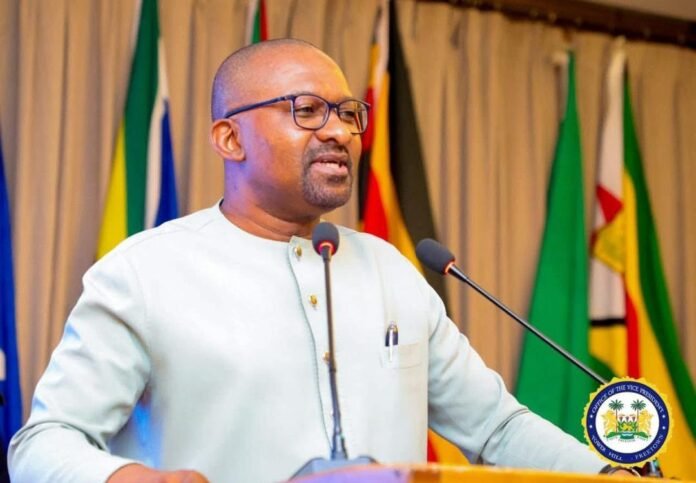
SLPP Chairman Batilo Songa Receives Strong Endorsement from President Bio

President Dr. Julius Maada Bio has reaffirmed his full confidence in the newly elected National Chairman of the Sierra Leone People’s Party (SLPP), Jimmy Batilo Songa, urging party members to rally behind the new leadership in the interest of unity, discipline and effective party organisation.

The President made those remarks while delivering the keynote address at the Inauguration and Fundraising Dinner of the new SLPP National Executive Council, held on Wednesday, 17 December 2025, at the Freetown International Conference Centre. The event brought together party faithful from across the country and the diaspora, marking a significant milestone in the party’s leadership transition.

In a strong show of support for the new party leadership, President Bio described Chairman Batilo Songa as a tested, disciplined and loyal party man whose commitment to the ideals of the SLPP is beyond question. He called on party members at all levels to work with and through the Chairman, stressing that a firm and respected leadership is essential for internal cohesion and electoral success.

“When the Chairman stands firm, the Party stands firm,” President Bio declared, noting that unity within the party enables him, as Party Leader and President of the Republic, to concentrate fully on the responsibilities of governing the nation. He emphasized that internal stability within the SLPP remains critical to sustaining effective governance and advancing the party’s national agenda.

The President described the inauguration ceremony as more than a formal occasion, but a moment of renewal and recommitment to the values that have sustained the SLPP throughout its long history. He reminded members that the party’s strength does not lie in individual personalities, but in shared principles, discipline and respect for democratic institutions and processes.

President Bio cautioned against internal discord and unnecessary distractions, warning that division weakens the party and undermines its collective mission. He noted that the SLPP’s historic electoral victories have always been anchored on unity, discipline and a shared sense of purpose, rather than noise, provocation or personal ambition. While acknowledging that competition is a natural part of democracy, he urged members to manage differences responsibly and within established party structures.

Reflecting on the SLPP’s role in national development, the President highlighted key governance achievements under the party’s leadership and reaffirmed its commitment to building a resilient and inclusive economy. He pointed to ongoing efforts in institutional reform, human capital development and social protection as part of the party’s broader vision of preparing Sierra Leone for the future.

As the party looks ahead to the 2028 general elections and beyond, President Bio underscored the importance of continuity, discipline and orderly leadership transitions. He called on the new National Executive Council to provide strategic direction, strengthen party structures nationwide and inspire confidence among supporters.

Concluding his address, President Bio urged members to leave the event with renewed confidence and collective resolve to strengthen the SLPP, deepen internal democracy and continue building “the Sierra Leone we are becoming,” anchored on unity, discipline and a shared national purpose.

Orange Money Rewards Loyalty: Keh Keh, Motorbikes, Solar Systems Presented to Winners

By Francess Wright

Orange Money Sierra Leone has officially presented prizes to winners of its widely followed Soba Kaiba promotion, reaffirming its commitment to customer appreciation, transparency and financial inclusion. The colourful ceremony, held in Freetown, brought together beneficiaries, Orange staff and community members in an atmosphere of excitement and celebration as customers received items ranging from motorbikes to solar systems and a brand-new Keh Keh.

One of the top winners, Mohammed Bah, emerged as the proud recipient of a brand-new tricycle. Speaking shortly after receiving his prize, Mohammed Bah admitted that he was initially skeptical when he got the call informing him of his win. He said the news felt “too good to be true” and feared it might be a scam. But after receiving official confirmation from Orange Money, his fear turned into joy.
“I am very happy today. Orange Money has shown that they are genuine. I encourage everyone to continue using their services because anyone can be a winner one day,” he stated with excitement.

Another recipient, Isatu Bangura, walked away with a brand-new TVS motorbike. Overwhelmed with emotion, she said she struggled to believe the news at first. Her disbelief later transformed into gratitude as she thanked God, the National Entertainment Commission (NEC) and Orange Money for what she described as a life-changing opportunity.
“This is a blessing. I am grateful to Orange Money for this transparent promotion,” she said.

Other winners who happily collected their prizes included:

  • Cephas Dabi – TVS Motorbike
  • Yayah Kabba – TVS Motorbike
  • Sabrina Bangura – Brand-new Solar System
  • Esther Lahai – Brand-new Solar System
  • Zainab Kamara – Brand-new Solar System

The handover ceremony served as yet another demonstration of Orange Money’s commitment to empowering customers and rewarding loyalty. According to the company, the Soba Kaiba promotion was designed not only to encourage digital financial transactions but also to showcase Orange Money’s transparency through live draws, public validation and direct engagement with winners.

As the festive season continues, Orange Money has encouraged customers nationwide to keep transacting, saving and utilizing its diverse services. The company emphasized that the next winner may be just one transaction away.

With more Sierra Leoneans adopting mobile money as part of their daily lives, the Soba Kaiba promotion reinforces Orange Money’s role in driving financial inclusion and building customer confidence across the country.
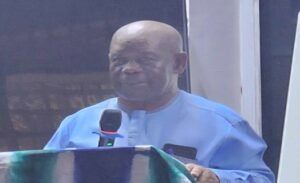
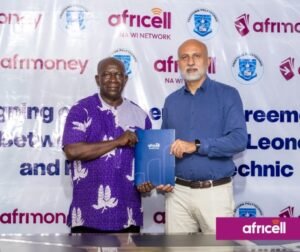
Africell Chief Executive Honoured with Honorary Doctorate by Njala University

Chief Executive Officer of Africell Sierra Leone, Shadi Gerjawi

By Alvin Lansana Kargbo

Njala University has conferred an honorary award on the Chief Executive Officer of Africell Sierra Leone, Shadi Gerjawi, in recognition of his exceptional support to the institution and his transformative contribution to higher education and digital development in Sierra Leone.

The award was presented during the distinguished congregation of the university held on Saturday 20th December 2025, bringing together members of the University Council, senior management, faculty, students and invited guests.

Presenting the citation, the university described Shadi Gerjawi as a visionary leader with over two decades of distinguished service in the telecommunications sector. Appointed Chief Executive Officer of Africell Sierra Leone in 2011, he holds a Master’s degree in Electrical Engineering from the University of Balamand in Lebanon and also studied at Fourah Bay College, University of Sierra Leone. Under his leadership, Africell has grown to become the country’s leading mobile network, serving more than three million subscribers with coverage reaching about 92 percent of the population.

The University highlighted Shadi Gerjawi’s strong belief in education as a catalyst for national transformation, noting that his partnership with the university has significantly strengthened its digital and technological capacity. Among the initiatives credited to his leadership are the implementation of an e learning big data project with zero rated access for students and staff, the establishment of an Innovation Lab and School of Coding with a strong focus on female empowerment and the provision of SIM cards and specially designed data bundles to ensure seamless connectivity for students.

The university also commended Africell’s role in advancing financial inclusion within the institution through the introduction of Afrimoney services for simplified payment of fees and the “Save to Buy” smartphone plans, which have made digital access more affordable for students. These interventions, according to the citation, have enhanced the university’s ICT infrastructure, supported online learning platforms and promoted academic excellence through various student recognition programmes.

Beyond his contributions to higher education, the university noted that Shadi Gerjawi has played a pioneering role in telecommunications innovation in Sierra Leone, with Africell being the first operator to launch 3G, 4G LTE and eSIM services in the country. His leadership has also embedded corporate social responsibility into the core of Africell’s operations, with support extending to healthcare, crisis response, community development and youth empowerment.

In his acceptance speech, Shadi Gerjawi said he was deeply honoured and humbled to receive the award from one of Sierra Leone’s most respected institutions of higher learning. He dedicated the recognition to the entire Africell family, whose commitment to national development, he said, continues to guide the company’s work.

He described Njala University as a symbol of excellence and innovation that has, over the decades, produced leaders and professionals who have shaped the country’s development across agriculture, science, technology and public service. According to him, being recognized by such an institution was both a privilege and a responsibility.

The CEO reaffirmed Africell’s belief that digital connectivity is not a luxury but a necessity for development, adding that the partnership with Njala University reflects this conviction. He said the collaboration had focused on strengthening digital infrastructure, supporting e learning platforms and ensuring that students and lecturers can access knowledge beyond the physical classroom.

He stressed that empowering universities with technology, research tools and digital access is essential to preparing students to compete in a global economy. He further noted that Africell remains committed to supporting education, innovation and youth empowerment, with particular attention to young women and underserved communities.

He said the award challenged the company to do even more in bridging the digital divide, expanding opportunities for learning and innovation, and working closely with institutions such as Njala University to unlock the full potential of Sierra Leone’s young people.

The CEO expressed appreciation to the University Council, Management, staff and students of Njala University for the honour and called for sustained partnerships aimed at building a more connected, knowledgeable and prosperous Sierra Leone.

The honorary award underscores Africell’s growing reputation as a leading corporate partner in Sierra Leone’s development agenda. It reflects the company’s enduring commitment to supporting institutions of learning and shaping a digitally connected future for Sierra Leone.

Shalimar Trading’s 2025 Holiday Raffle Ends Today for HLX 125 Grand Prize

By Foday Moriba Conteh

Shalimar Trading’s nationwide 2025 Holiday Raffle reaches its grand finale today, 22 December 2025, as customers across Sierra Leone make last-minute purchases to secure entries for a chance to win the highly coveted TVS HLX 125 motorbike, the star prize of this year’s festive promotion.

The campaign has ignited widespread excitement since its launch, driving increased customer turnout at Shalimar Trading outlets nationwide. Riders, transport operators and first-time buyers have been actively participating, with every purchase of a motorcycle or tricycle (kekeh) automatically qualifying for a raffle ticket. Multiple purchases, the company confirmed, increase customers’ chances of winning.

The final winning ticket will be announced during a live televised draw on AYV, a moment eagerly anticipated by thousands of customers who have taken part in the promotion.

Management of Shalimar Trading Limited said the strong participation reflects public confidence in the company’s transparent raffle process and its longstanding reputation for supplying durable, high-performance mobility solutions. Officials described the promotion as both a festive appreciation gesture and a practical support initiative for income-earning riders during the busy holiday season.

The TVS HLX 125, widely admired for its strength, fuel efficiency and ability to perform reliably on both urban roads and rugged rural terrain, remains one of the most sought-after models among commercial riders. Customers have described the raffle as an “unmissable bonus,” offering the chance to win a premium motorbike at no extra cost while making essential purchases.

Shalimar Trading reaffirmed its commitment to customer empowerment, reliable service delivery and accessible mobility, noting that the raffle symbolizes the company’s partnership with communities whose livelihoods depend on dependable transport and affordable spare parts.

As the sole authorized distributor of TVS motorcycles and three-wheelers in Sierra Leone, Shalimar Trading continues to strengthen its collaboration with TVS Motor Company of India, a globally respected brand known for engineering excellence and product reliability. Through this partnership, TVS has become a household name among commercial operators, families and professionals seeking efficient and affordable transportation.

A Portfolio Designed for Every Rider

Shalimar Trading’s product range caters to diverse mobility needs across the country:

  • TVS Star LX – Renowned for low fuel consumption, minimal maintenance and everyday reliability.
  • TVS Victor – Stylish and practical, ideal for professionals and entrepreneurs.
  • TVS Jupiter – A commuter-friendly scooter suited for congested urban routes.
  • TVS King Deluxe (Tricycle) – A leading passenger transport solution built for stability and space.
  • TVS Star HLX Series (100ES, 100KS, 125, 150cc) – The backbone of Sierra Leone’s commercial transport sector.
  • TVS Apache RTR 200 – A high-performance sports machine for speed enthusiasts.
  • TVS NEO XR & TVS ZT 125 – Modern, urban-friendly options for younger riders.
  • TVS XL 100 – A multipurpose workhorse ideal for families, traders and delivery services.

Beyond motorcycles, Shalimar Trading’s operations are supported by nationwide spare-parts availability, skilled technicians and dedicated after-sales service, earning the company strong customer loyalty. Its broader portfolio also includes globally respected brands such as Suzuki, Sonalika International, Isuzu, CFMOTO and Leyland.

With operations now extending into Liberia, Shalimar Trading is expanding its regional footprint, contributing to West Africa’s transportation growth while empowering individuals and businesses with dependable mobility solutions.

Promo ends today ;  22 December 2025. Customers are encouraged to make their final purchases before close of business to stand a chance of winning the TVS HLX 125.

Address: 39A Freetown Road, Freetown
Phone: +232 76 308184
Follow Shalimar Trading on Facebook and Instagram for updates on the draw and future promotions.

Artisanal Mining Fuels Surge in Child Labour Across Kono District

By Foday Moriba Conteh

Child labour in mining remains a persistent and serious child protection challenge in several parts of Sierra Leone, particularly in diamond- and gold-rich districts such as Kono, despite strong national laws and ongoing efforts by Government agencies and child protection actors to curb the practice.

Children, mostly between the ages of 10 and 17, are still found working in artisanal mining pits locally known as “Gben-Gbens,” gravel washing points and other mining-related support activities. Economic hardship, school dropout, lack of parental support and weak enforcement of existing laws continue to expose children to hazardous work in artisanal mining communities.

Sierra Leone has a robust legal framework that completely prohibits child labour in mining, classifying it as one of the worst forms of child labour.

Under the Child Rights Act (CRA) of 2007 as amended in 2025, a child is defined as anyone under the age of 18. Section 125 of the Act explicitly prohibits engaging children in hazardous work or any activity that endangers their health, education or development. Mining is clearly listed as hazardous work under the CRA guidelines.

Similarly, the Mines and Minerals Act of 2009 and the revised 2022 Act strictly forbid the use of child labour in all mining activities. The law makes it illegal for mining licence holders and artisanal operators to employ children and provides sanctions for violators, including fines, suspension of licences and prosecution.

Internationally, Sierra Leone is a signatory to International Labour Organization Convention 182 on the Worst Forms of Child Labour, which classifies mining as one of the most dangerous forms of child labour and obliges ratifying states to ensure its immediate elimination.

Yet, despite those legal protections, child mining persists in many artisanal mining communities across mining communities in Kono District.

Kono District has historically been Sierra Leone’s diamond hub. In recent years, however, artisanal gold mining has expanded as diamond reserves decline. In villages such as Kumaro and Baoma, large-scale operators like Gold Lion Mining Company are present, but evidence suggests that these companies do not employ children.

Instead, most children found mining are working in unregulated artisanal gold sites, often operated by their parents or close relatives. These sites are typically located in areas deemed unprofitable by large-scale companies and are characterized by open pits as deep as four metres (13 feet), posing serious safety risks.

Before mining expanded in those communities, residents relied largely on small-scale farming and petty trading. However, mining activities have rendered much of the farmland unusable, leaving families with few livelihood options. With no alternative employment opportunities, many households turn to artisanal mining to survive, drawing children into the process and exposing them to life-threatening hazards.

The dangers of child mining were recently highlighted by a tragic incident in Nyimbadu Village, Kono District, where 16-year-old Mohamed Bangura and 17-year-old Yayah Jenneh died while mining for gold in an unregulated pit. Media reports indicate that this was the third fatal mining accident involving children in the area, bringing the total number of child deaths linked to mining in the region to at least five over the past four years.

Uncovered pits filled with water have also led to frequent drowning incidents, particularly affecting children and young girls who fetch water or spend time around mining sites.

Komba Umara, Town Chief of Baoma Village, said local authorities regularly engage parents and community members to discourage child labour in mining. He noted that while children are sometimes arrested during site visits, enforcement is complicated by poverty.

“In most cases, parents come to plead for their children,” he said. “These parents are very poor and depend on their children to help them survive. Sometimes, all we can do is caution them and release the children.”

Fatu Sesay, a widow and mother of a child miner, said she relies on her young son to help support the family. “There’s no alternative,” she explained. “The farming we depended on before is no longer possible because of mining. I am poor, a widow and a single parent.”

At an artisanal mining site in Baoma Village, 16-year-old Ibrahim Sesay, who dreams of becoming a doctor, said he spends his days mining to support his mother. “My mother don’t have money; that is what we are trying to find,” he said, adding that he hopes to raise enough money to register and sit his WASSCE exams so he can return to school. “I am not happy being here. I know this work is risky.”

In nearby Kumaro Village, Musa James, the community chairlady, echoed similar concerns. She said many parents depend on their children to contribute to household income and school expenses through mining. “We try our best to stop children from going to mining sites, but it is very difficult. When parents come to plead, you will nearly weep for them,” she said.

Civil Society activist, Ibrahim A. B. Bockarie, Executive Director of the Concerned Citizens Governance Network (CCGN), said child mining has increased significantly over the past year following operational challenges and the eventual collapse of major mining companies, including Koidu Mining Limited in Kono District.

According to Ibrahim A. B. Bockarie, the withdrawal of corporate miners has led to weak control of mining sites, with security personnel allegedly colluding with civilians to allow unrestricted access to abandoned pits.

“The collapse of these companies has left mining sites unsecured within the Koidu Mining Limited concession areas,” he said. “As a result, children are increasingly exposed to dangerous mining activities, which affect their health, education and overall wellbeing.”

Ibrahim A. B. Bockarie added that when large companies were operational, they generally complied with mining regulations, by not employing children.

He called on the Government to decentralize mining governance by empowering host communities to negotiate directly with mining companies, while the central Government plays a supervisory and regulatory role.

“Until communities are given real power over mining activities, there will be no sanity in the mining sector,” he warned. 

Responding to concerns, Kai Lebbie, Regional Manager for the Eastern Region at the National Minerals Agency (NMA), said the use of child labour in mining is strictly prohibited under the Mines and Minerals Development Act, 2023 as well as other child protection laws.

Kai Lebbie disclosed that the NMA has deployed over 50 Mines Compliance Officers across Kono District to enforce compliance. These officers conduct daily monitoring of mining activities and collect real-time digital data using tablets supplied by the Agency. Child labour indicators are captured, analyzed and used to identify high-risk areas for targeted enforcement and sensitization.

He said the Agency has also intensified community sensitization, including radio discussions and meetings with miners and stakeholders in communities such as Kumaro, Tefeyah and Peyima.

“These engagements have largely succeeded in drastically reducing child labour in mining in Kono,” Kai Lebbie noted.

The NMA has also suspended mineral rights of operators found using child labour and works with the Sierra Leone Police to punish defaulters. In some cases, children found in mines have been arrested and handed over to the police for cautioning.

However, Kai Lebbie acknowledged key challenges, including limited manpower, logistics and economic hardship, which continues to push parents to send their children to mining sites. He also pointed out that the law is not explicit on specific penalties for child labour offences, calling for reforms to clarify sanctions and responsibility.

Commenting on behalf of the Ministry of Gender and Children’s Affairs ongoing work to curb the involvement of children in mining activities in the district, Senior Protection Officer, Ministry of Gender and Children’s Affairs in Kono District, Abu Bakarr Kanu, outlined a series of interventions and persistent challenges in the fight against child mining and child labour in the district.

Abu Bakarr Kanu explained that the Ministry has been engaging in extensive public sensitization, particularly through radio programmes focused on child protection, child labour and exploitation in mining communities. These broadcasts, he said, have been instrumental in raising awareness about the risks children face in mining areas and the legal penalties for those who subject minors to hazardous labour.

He further noted that the Ministry has engaged stakeholders at both district and community levels to address child abuse and child labour collectively. Through collaboration with child protection partners and Civil Society Organisations (CSOs), the Ministry has also held discussions with the National Minerals Agency (NMA) on strategies to prevent children from taking part in mining activities.

Highlighting progress made so far, Abu Bakarr Kanu said the Ministry’s interventions rely heavily on joint efforts with the Family Support Unit (FSU), child protection partners, and CSOs. These interventions include community sensitization on child protection laws and policies, which seek to protect children from all forms of abuse and exploitation. According to him, the Ministry has also reviewed and trained Child Welfare Committees (CWCs) across several chiefdoms on reporting mechanisms and referral pathways.

At the community level, he intimated that the Ministry has organized town hall sensitization meetings and workshops in chiefdom headquarter towns as well as also revived and trained CWCs and other community stakeholders to enhance their role in preventing and responding to child abuse cases.

In observance of international statutory events, such as the Day of the African Child on June 16, the Ministry, in partnership with the Child Friendly Network (CFN) and other child-led organisations, has conducted school sensitization tours on sexual and gender-based violence (SRGBV) and child labour.

Abu Bakarr Kanu disclosed that the Ministry conducts quarterly joint monitoring exercises to ensure community structures report cases of child abuse, including child labour in mining areas, to the relevant authorities for action. He emphasized that the Child Rights Act of 2007, amended in 2024, clearly prohibits child exploitation and child labour, with offenders subject to prosecution. As such, all related cases are swiftly reported to the police and the FSU for investigation and legal action.

Despite those efforts, Abu Bakarr Kanu highlighted a number of significant challenges hindering the Ministry’s work. These include lack of funding, inadequate staffing, limited mobility, absence of a safe home or remand facility in the district, frequent compromise of cases, limited support for victims and their families and delays in court proceedings.

He confirmed that while collaboration among child protection partners remains strong, cooperation with certain stakeholders, including the NMA, is inconsistent. “The major limitation across all stakeholders is the lack of adequate funding to fully implement activities aimed at protecting women and children across Kono District,” he maintained.

Abu Bakarr Kanu concluded by reaffirming the Ministry’s commitment to working with all partners to eliminate child mining and safeguard the welfare of children in the district.

The situation in Sierra Leone reflects a broader global challenge. According to a June 2025 report by the International Labour Organization (ILO) and UNICEF, nearly 138 million children were engaged in child labour worldwide in 2024, including 54 million in hazardous work such as mining.

While the report notes a significant reduction of over 20 million children since 2020, the world has missed its target of eliminating child labour by 2025. Sub-Saharan Africa bears the heaviest burden, accounting for nearly 87 million child labourers, driven by poverty, population growth, conflict and weak social protection systems.

Mining falls under the industrial sector, which accounts for 13 per cent of child labour globally and is recognized as one of the most dangerous forms of work for children.

ILO and UNICEF have called on Governments to invest in social protection, quality education, child protection systems, decent work for adults and stronger enforcement of laws to accelerate progress.

In Sierra Leone’s mining communities, the persistence of child labour underscores the gap between law and reality. While legislation and enforcement mechanisms exist, poverty, lack of alternatives and weak local capacity continue to place children at risk.

As global and national actors renew calls to end child labour, communities like Baoma, Kumaro and Nyimbadu in Kono District remain a stark reminder that ending child mining will require not only laws, but livelihoods, education and sustained investment in children and families.

Kids engaging in artisanal mining

The publication is supported by the National Fund for Public Interest Media (NaFPIM), through the Media Reform Coordinating Group (MRCG), with funding from the International Fund for Public Interest Media (IFPIM) and the United Kingdom.

Why the U.S. Imposed Entry Restriction on Sierra Leone and How Government Can Reverse It

By Amin Kef (Ranger)

The Government of Sierra Leone has formally responded to the United States’ decision to impose expanded entry restrictions on Sierra Leonean nationals, describing the development as a serious national concern while reaffirming its commitment to sustained diplomatic engagement aimed at resolving the issues raised by Washington.

In a Press Release issued on Wednesday, 17 December 2025, the Ministry of Foreign Affairs and International Cooperation confirmed that Sierra Leone has been placed under full U.S. entry restrictions following a presidential proclamation signed in Washington on 16 December 2025. The new measure represents a significant escalation from earlier partial limitations that had applied to Sierra Leone under previous U.S. immigration actions.

According to the Government’s statement, the United States expanded its list of countries subject to partial or full entry restrictions, citing concerns related to visa overstay rates, cooperation on the repatriation of removable nationals and broader national security and public safety considerations. Sierra Leone has now been moved from the partial restriction category into the full suspension category.

Reacting to the decision, the Government emphasized that it remains fully committed to strengthening international cooperation and constructively addressing the immigration-related concerns raised by the United States.

“The Government is cognizant that these restrictions are subject to periodic review,” the statement noted, adding that the Ministry of Foreign Affairs and International Cooperation is actively engaged in ongoing and constructive dialogue with U.S. authorities. It disclosed that progressive steps have already been taken to respond to the issues identified by the U.S. Government.

The Ministry further underscored Sierra Leone’s continued adherence to its obligations under international law and existing bilateral and multilateral frameworks. It stated that efforts are being intensified to enhance document security, improve repatriation processes and strengthen information-sharing mechanisms in line with global best practices, with the ultimate goal of achieving sustainable relief from the restrictions.

Acknowledging widespread public concern over the decision, the Government assured citizens that the matter remains a top national priority. It appealed for patience as consultations with U.S. counterparts continue, stressing that diplomatic engagements are ongoing and focused on resolving the concerns in a mutually beneficial manner. Citizens were encouraged to rely on official Government communication channels for updates.

The expanded restrictions are contained in a presidential proclamation titled: “Restricting and Limiting the Entry of Foreign Nationals to Protect the Security of the United States.” The proclamation takes effect on 1 January 2026 and imposes a full suspension of entry for Sierra Leonean nationals covering both immigrant and non-immigrant visas.

Under the new measures, Sierra Leoneans will be barred from entering the United States as tourists, business visitors, students, exchange participants, workers or immigrants, except in narrowly defined cases. Exemptions apply to diplomats, lawful permanent residents, dual nationals travelling on non-restricted passports and individuals granted special waivers on national interest or humanitarian grounds.

U.S. authorities say the decision followed an inter-agency assessment led by the Department of State in coordination with the Departments of Justice and Homeland Security, as well as U.S. intelligence agencies. The review examined countries’ screening and vetting systems, identity management frameworks and levels of cooperation with U.S. immigration enforcement.

For Sierra Leone specifically, the proclamation highlights high visa overstay rates and weak cooperation in accepting nationals ordered removed from the United States. According to the U.S. Department of Homeland Security’s Entry/Exit Overstay Report, Sierra Leone recorded a B-1/B-2 visitor visa overstay rate of 16.48 percent, while the overstay rate for student, vocational and exchange visas (F, M, and J categories) stood at 35.83 percent. U.S. officials have described these figures as significantly above acceptable thresholds.

The proclamation also states that Sierra Leone has “historically failed to accept back its removable nationals,” a factor that carries substantial weight in U.S. immigration enforcement policy. Washington considers cooperation on removals a key indicator of whether a country is a reliable partner in managing migration and preventing abuse of visa systems.

Beyond Sierra Leone, the proclamation outlines broader concerns affecting multiple countries, including unreliable civil documentation systems, weak identity management, corruption risks, limited access to accurate criminal records and deficiencies in information-sharing with U.S. authorities. While not all of these issues are attributed directly to Sierra Leone, they form part of the overall security framework guiding the U.S. decision.

The suspension is expected to have wide-ranging implications for Sierra Leoneans with educational, family, business, religious and professional ties to the United States. Students planning to pursue higher education, families seeking reunification, business operators, faith leaders and civil society actors will all be affected by the halt in visa issuance.

Economically, analysts warn that the restriction could reduce educational opportunities, professional exchanges and remittance flows, while also affecting investment confidence at a time when Sierra Leone is seeking to strengthen international partnerships and attract foreign engagement. Socially, the decision has already generated anxiety among diaspora communities and families with long-standing links to the United States.

Diplomatically, the move places added pressure on the Government of Sierra Leone to demonstrate credibility, responsiveness and reform capacity in its engagement with Washington. It also signals a tougher U.S. immigration posture globally, particularly toward countries viewed as having persistent compliance and documentation challenges.

Despite its severity, the proclamation provides a clear mechanism for reconsideration. It directs the U.S. Secretary of State to submit a report to the President within 180 days of the proclamation’s date, and every 180 days thereafter, recommending whether restrictions should be continued, modified, terminated or expanded.

The order further mandates U.S. authorities to engage affected countries, including Sierra Leone, on concrete steps required to meet U.S. screening, vetting, immigration and security standards. This engagement framework creates a diplomatic opening for Sierra Leone to seek relief through measurable reforms.

Policy experts say Sierra Leone’s response must be swift, coordinated and evidence-based. A credible path forward, they argue, will require a combination of high-level diplomacy and targeted technical reforms that directly address U.S. concerns.

Key recommendations include urgent diplomatic engagement through the Ministry of Foreign Affairs and International Cooperation, working closely with Sierra Leone’s Embassy in Washington, D.C., to establish a clear compliance roadmap and agreed benchmarks for review. Addressing cooperation on removable nationals is also seen as critical, with analysts urging the creation of a dedicated inter-agency mechanism to speed up nationality verification and the issuance of travel documents.

Tackling high visa overstay rates, particularly among students and exchange visitors, is another priority. Suggested measures include stricter pre-departure screening, enhanced proof-of-return requirements, closer oversight of education agents, public awareness campaigns on visa compliance and collaboration with U.S. authorities on tracking and prevention strategies.

Strengthening identity management and civil documentation systems is equally essential. Accelerating digitized birth and marriage registration, improving national ID verification, enhancing passport security features, and tightening oversight in document issuance could help rebuild international confidence in Sierra Leone’s vetting capacity.

With the suspension set to take effect in early 2026, the coming months will be decisive. The first 180-day review window is likely to serve as a critical test of Sierra Leone’s commitment and capacity to address U.S. concerns. While the U.S. decision represents a significant setback for many Sierra Leoneans, the Government insists it is not necessarily permanent.

Whether Sierra Leone can seize the opportunity provided by the review framework will shape not only the future of its citizens’ access to the United States, but also the broader trajectory of bilateral relations between Freetown and Washington.

Magistrate Daboh Enforces Justice: Two Face High Court Trial, Farmer Jailed for Three Years

Magistrate Hadiru Daboh.

By Ibrahim Sesay

Two accused persons have been committed to the High Court of Sierra Leone for trial on three serious criminal charges following proceedings at the Magistrate Court No. 1 in Kenema, presided over by His Worship, Principal Magistrate Hadiru Daboh.

The defendants, Daniel Okechuku Williams, a Nigerian national and private security guard resident in Kenema, and Bobor Lansana, a Sierra Leonean, were on December 16, 2025, formally committed to stand trial at the High Court on charges of Conspiracy to Commit a Felony, Robbery with Violence, and Assault Occasioning Actual Bodily Harm, all contrary to the laws of Sierra Leone.

Presenting the facts of the case, the prosecuting officer, Inspector Alphan Samuel Musa of the Legal and Justice Support Department, Kenema Police Division, informed the court that the two accused allegedly conspired with other persons unknown to commit the offences in Kenema City, Nongowa Chiefdom, Kenema Judicial District, in the Eastern Province.

According to the prosecution, the accused persons allegedly robbed Mohamed Koroma of a black bag containing a mobile phone, a power bank, and other assorted personal items. The court further heard that during the course of the incident, Daniel Okechuku Williams allegedly assaulted the complainant, causing bodily harm.

Inspector Musa told the court that the prosecution had established sufficient evidence linking the accused persons to the offences, warranting their committal to the High Court for full trial. After reviewing the evidence and submissions, Magistrate Daboh ruled that a prima facie case had been made and accordingly committed both defendants to the High Court to answer to the charges.

The committal was carried out under the Twenty-Eight (28) Days Rule, as provided for by Section 112(b)(4) of the New Criminal Procedure Act (NCPA) 2024, which mandates the expeditious handling of criminal matters at the magistrate court level before onward transmission to the High Court.

In a related development on the same date at Magistrate Court No. 1, Kenema, another accused person, Cherinoh Foday, a Sierra Leonean civil servant, was also committed to the High Court for trial. According to the prosecution, Foday was found in possession of a quantity of dried leaves suspected to be Cannabis sativa and Kush, substances prohibited under the laws of Sierra Leone.

The prosecution informed the court that the nature of the offence and the evidence presented necessitated committal to the High Court, in line with the provisions of the New Criminal Procedure Act. Magistrate Daboh, having considered the submissions, ordered that the accused be committed to stand trial at the High Court.

Meanwhile, the Kenema Magistrate Court continues to demonstrate a firm stance on criminal offences, particularly those relating to public safety and security. It could be recalled that the same court recently sentenced a local farmer, Tamba Amadu Yoya, to thirty-six (36) months’ imprisonment after he pleaded guilty to unlawful possession of a firearm.

The ruling was delivered by Principal Magistrate Hadiru Daboh of Magistrate Court No. 1. Tamba Amadu Yoya was charged with unlawful possession of firearms, contrary to Section 19(2)(c) of the Arms and Ammunition Act of 1955, as amended by the Arms and Ammunition (Amendment) Act No. 17 of 1974.

According to court documents, the convict was found in possession of a single-barrel short gun on Tuesday, August 20, 2025, at Njagbema Village, Malegohun Chiefdom, within the Kenema Judicial District. The prosecution stated that the accused had no valid licence authorising him to possess or carry the firearm.

Upon the charge being read and explained to him, Tamba Amadu Yoya admitted guilt and pleaded with the court for leniency. After considering the plea and the circumstances of the case, Magistrate Daboh convicted him and imposed a three-year custodial sentence.

Following his conviction, Tamba Amadu Yoya was transferred to the Sierra Leone Correctional Centre (SLCC) in Kenema, where he is currently serving his sentence. The case was also prosecuted by Inspector Alphan Samuel Musa of the Kenema Police Division.

Law enforcement authorities say the recent convictions and committals underscore ongoing efforts by the judiciary and the Sierra Leone Police to combat violent crime, drug-related offences, and the unlawful possession of firearms across the Eastern Province. They have reiterated their commitment to ensuring that offenders are brought before the courts and dealt with in accordance with the law, as part of broader efforts to enhance public safety and uphold the rule of law in the region.